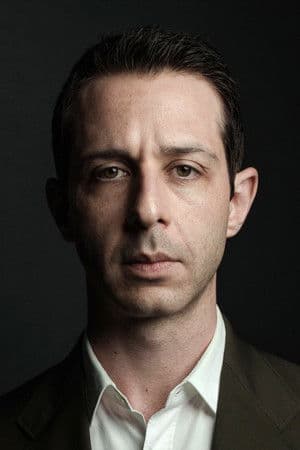
Jeremy Strong has no intention of softening his approach to the craft. In a wide-ranging conversation about his career and working habits, the actor pushed back firmly against the idea that his immersion in a role requires an apology, framing the intensity he is known for as a practical choice rather than a personal indulgence.
"It's in service of the material," Strong said, explaining that the work he does off-camera and between takes exists solely to make what ends up on screen more honest. Asked directly whether he felt any need to say sorry for the extremes some associate with his process, he answered plainly that he does not.
The remarks land in the middle of an ongoing industry debate over so-called method acting, a term that has become a lightning rod in recent years. For some performers and directors, total commitment to a character is simply part of the job description. For critics, it can read as self-serious, disruptive on set, or even unnecessary when the results could be achieved with less fanfare. Strong, one of the most decorated actors of his generation, sits squarely in the first camp.
A Career Built on Absorption
Strong's reputation was forged largely through his work in television and film, where he has repeatedly gravitated toward figures marked by moral compromise, obsession or quiet desperation. That tendency has earned him awards recognition and the admiration of directors who value actors willing to go to uncomfortable places. It has also made him a frequent reference point whenever conversation turns to how far a performer should push themselves.
His position is that the pushing is not about him. In his telling, the techniques he uses, from staying in character to reshaping his physical and vocal presentation, are tools a craftsman picks up because the script asks for them.
Why the Subject Keeps Coming Back
The question of whether immersive acting deserves an apology is really a question about what audiences and collaborators expect from performers. Sets are collaborative workplaces, and different actors have different methods for getting to the same destination. When one person's preparation changes the atmosphere for everyone else, that tension tends to become public eventually.
Strong has previously acknowledged that his process can be demanding, and he has not pretended otherwise. What he rejects is the framing that intensity is inherently a flaw, or that he owes the public contrition for taking his work seriously. His argument is essentially merit-based: judge the performance, not the preparation.
The timing of his comments is notable. Hollywood has spent several years reassessing the line between dedication and dysfunction, with conversations about on-set behavior, mental health and sustainable working conditions becoming far more common. In that climate, an unapologetic defense of maximal commitment is bound to provoke reaction from both directions.
Supporters will hear a craftsman defending his standards. Detractors will hear a justification for behavior that can make life harder for crews and co-stars. Strong appears untroubled by either reading.
The Larger Conversation About Craft
There is also a practical dimension that often gets lost. Actors who work steadily, as Strong has, build methods that fit the demands of their schedules and the expectations of the filmmakers who hire them. Directors who cast him know what they are getting, and many specifically want it. That mutual understanding undercuts the notion that his process is an imposition rather than a shared creative decision.
His remarks also reflect a broader frustration among performers who feel their preparation is scrutinized more than their output. Strong's answer to that scrutiny is not a promise to change, but a request to judge the finished work.
Whether the industry as a whole moves toward or away from this style of acting remains an open question. What Strong has made clear is where he stands: the method is not the story, the material is, and he sees no reason to apologize for serving it.
Source: Hollywood Reporter