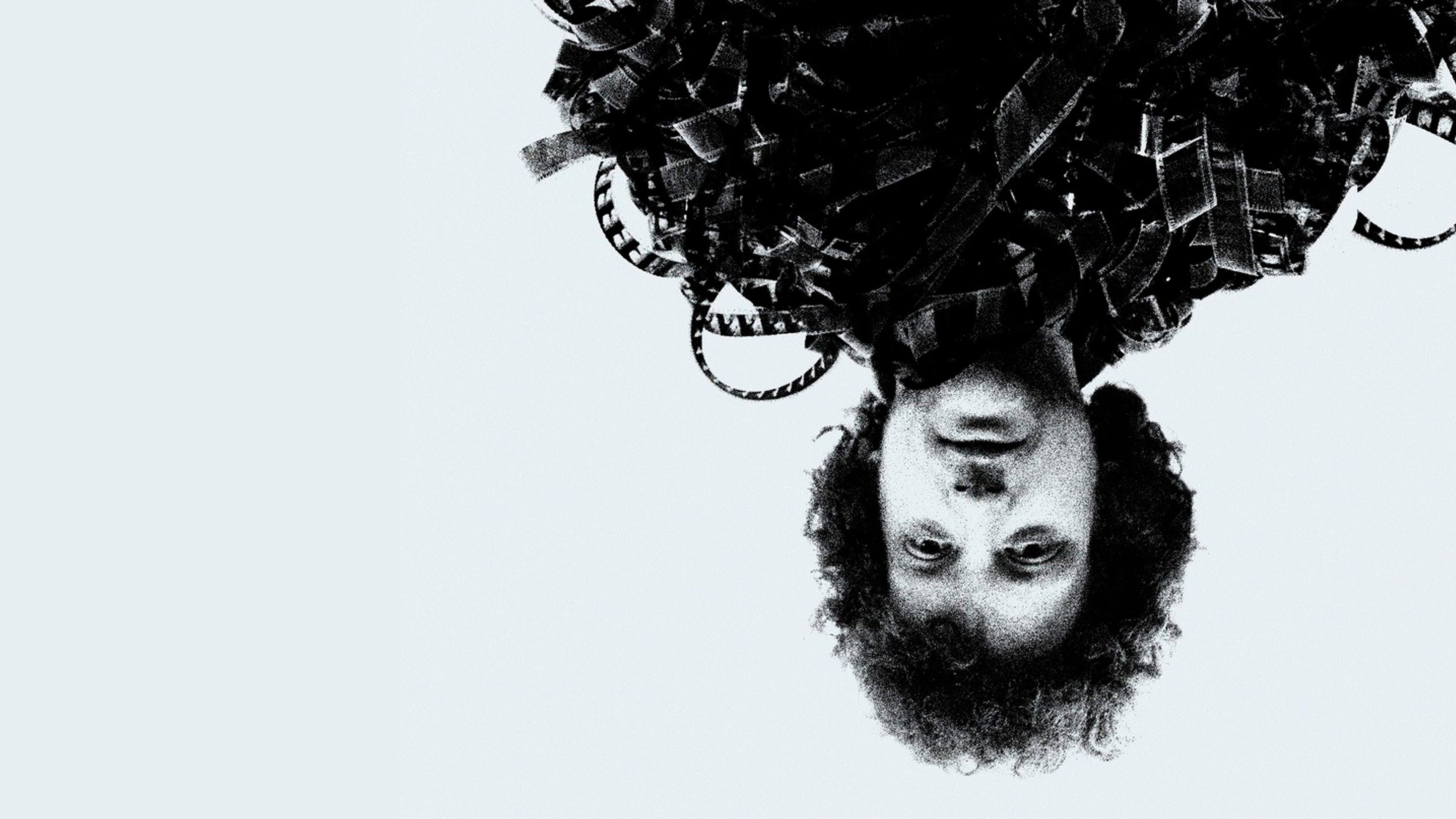
Jeremy Thomas, the British producer whose exacting taste and willingness to gamble on difficult material powered a four-decade run of ambitious international cinema, has died at 77. His death was confirmed by his company, Recorded Picture Company, which announced the news without providing a cause. Thomas was best known to global audiences as the driving force behind Bernardo Bertolucci's "The Last Emperor," the sweeping 1987 epic about China's final imperial ruler that swept the Academy Awards and cemented Thomas's reputation as one of the most consequential independent producers of his era.
A producing career built on risk
Thomas was born into the film business, the son of director Ralph Thomas and the nephew of producer Gerald Thomas, the man behind the long-running "Carry On" comedies. Rather than settle into that commercial tradition, he charted a different course. After early work in the industry - including a stretch as a location manager and a brief acting turn in his brother's 1960s counterculture drama - he moved into producing in the 1970s with a run of projects that rarely resembled safe bets.
He worked with Nicolas Roeg on "Bad Timing," a sexually charged psychological drama that provoked a fierce censorship battle in Britain, and with Stephen Frears on "The Hit," a coolly received crime film that has since been reappraised as a key work of 1980s British cinema. Neither was designed to please studios. Both signaled a producer more interested in directors' visions than in market research.
That instinct reached its fullest expression in his partnership with Bertolucci. Thomas backed the Italian filmmaker on "The Last Emperor," a production of enormous scale shot largely on location in China - a logistical and political feat at the time. The film, told primarily in English with stretches of Mandarin and Japanese dialogue, went on to win nine Academy Awards, including Best Picture. It remains the achievement most often attached to Thomas's name, and its success gave him the leverage to keep financing the kind of movies that major studios rarely touch.
The producer directors trusted
Thomas's filmography reads like a roster of auteurs. He produced David Cronenberg's "Naked Lunch," an adaptation of William S. Burroughs's notoriously unfilmable novel; Terry Gilliam's "Tideland"; and Jonathan Glazer's "Sexy Beast," the savage crime drama that gave Ben Kingsley one of his most memorable roles. In 2015 he won the Academy Award for Best Animated Feature for "The Tale of the Princess Kaguya," the Studio Ghibli film he helped bring to international audiences. He also collaborated with filmmakers including Nagisa Oshima, Wim Wenders and Liliana Cavani, moving between British, European and Asian productions with unusual ease.
Directors returned to him because he understood what they needed and what he could protect. Cronenberg once described him as a producer who was also a genuine film lover, a rare combination. Bertolucci credited him with making "The Last Emperor" possible at all. Thomas wore the role without vanity: he saw himself as a servant of the work, not its author.
His career was not without hardship. The collapse of the production company Palace Pictures in the early 1990s left him financially exposed, and he spoke candidly in later years about the difficulty of assembling financing for films that fell between commercial categories. "The Last Emperor" had opened doors, but it did not make the business any easier. Thomas kept going anyway, often relying on international pre-sales and a network of collaborators built over decades.
A quiet champion of difficult films
Thomas's legacy is one of stubborn artistic commitment. He did not chase franchises or reboots; he chased filmmakers. In an industry increasingly organized around safe intellectual property, he remained a throwback - a producer who would find money for a Burroughs adaptation or a Japanese animated masterpiece because he believed someone should.
He is survived by his family and by a body of work that will be rediscovered for years to come. For a producer who spent his life betting on directors rather than formulas, the films themselves are the most fitting tribute.
Source: Hollywood Reporter