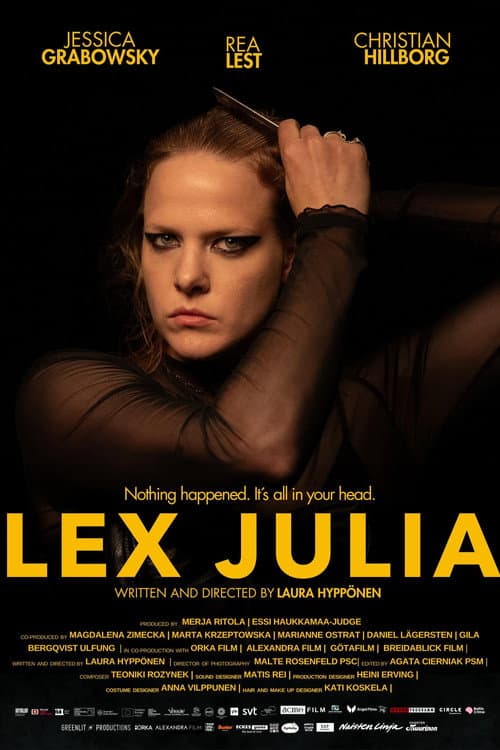
The debut trailer for "Lex Julia," the new Finnish-language suspense drama from director Laura Hyppönen, has arrived exclusively via Tallinn, and it wastes no time turning a tranquil island holiday into something considerably more uneasy. The film is set for release on November 13, 2026, and arrives with the kind of post-#MeToo framing that has become a fixture of contemporary European thrillers: a story about trust between new friends, and what happens when that trust is tested by the people already inside the circle.
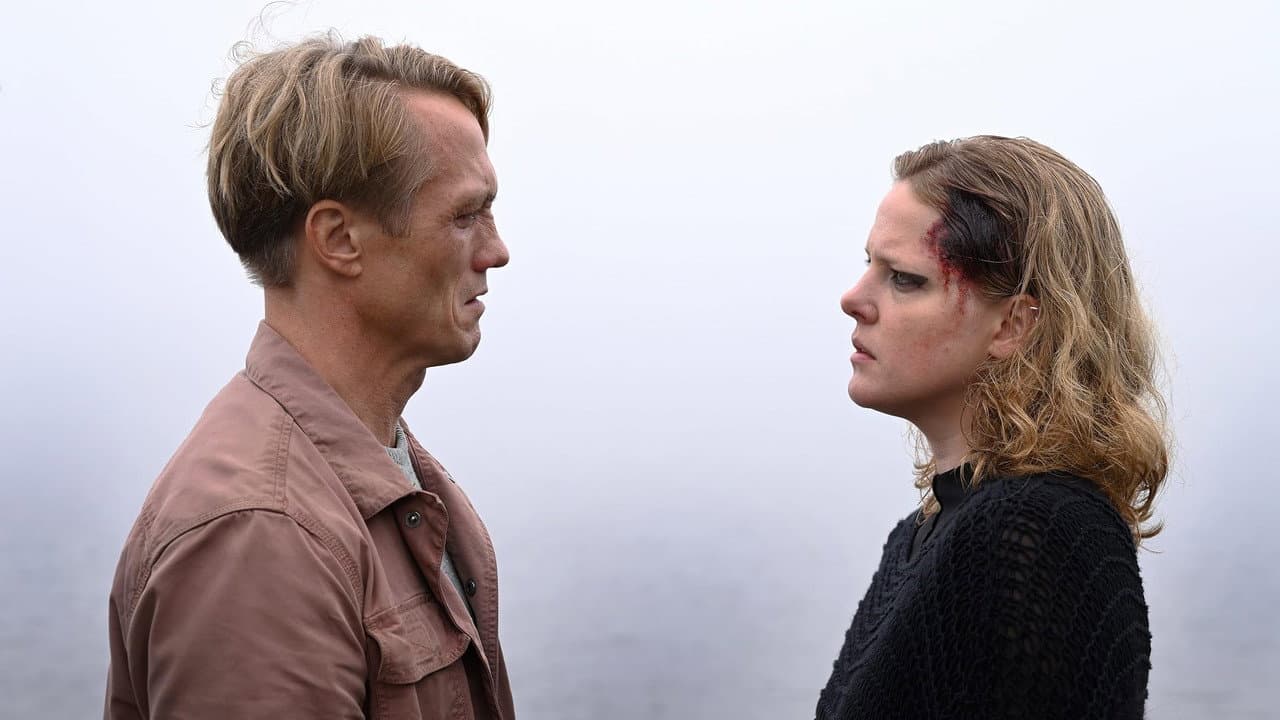
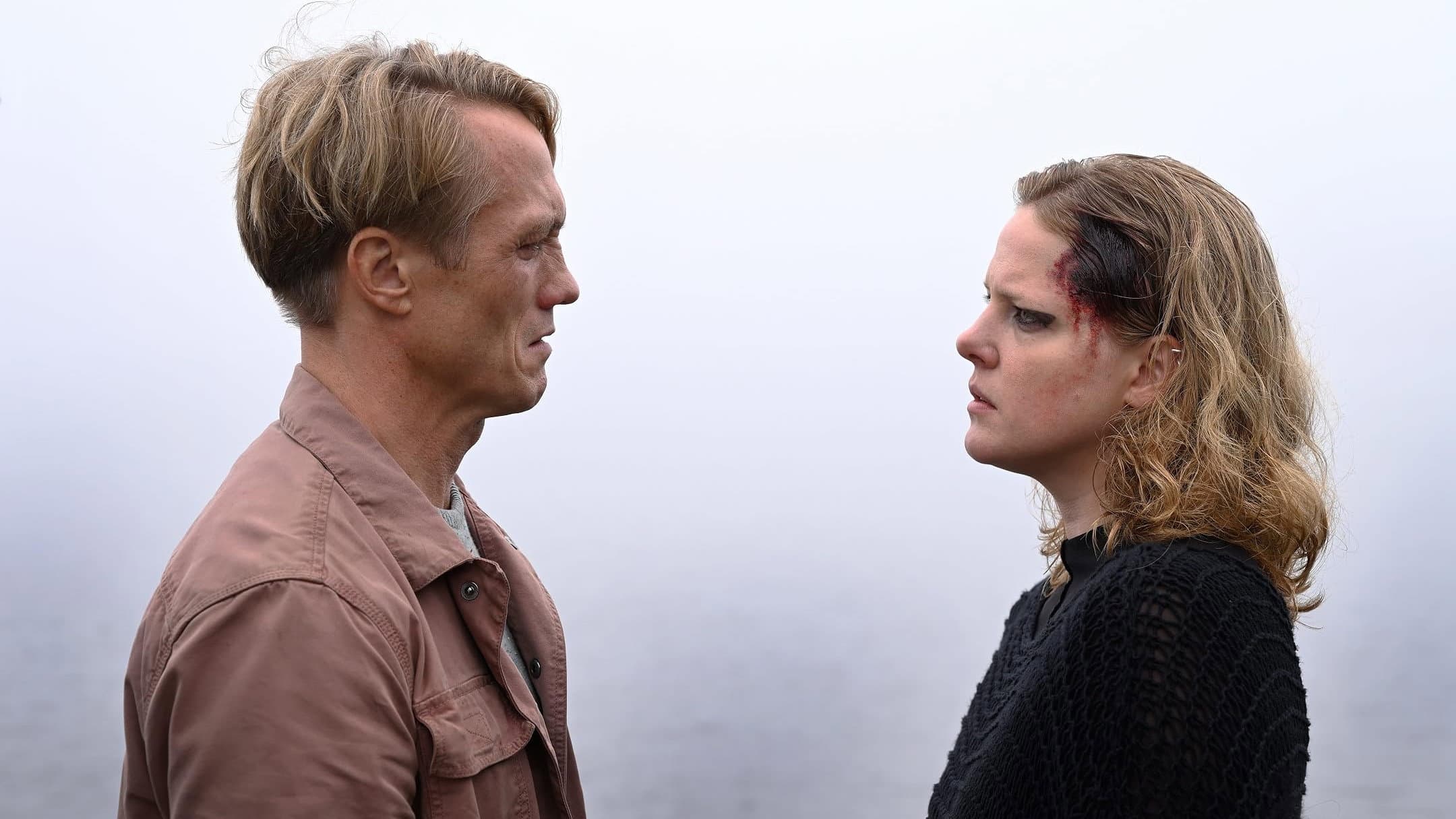
Rea Lest-Liik leads the cast as Julia, a music producer who leaves Berlin for a late-summer weekend on a remote Finnish island. She has been invited by Anna, played by Jessica Grabowsky, a new friend she met at a yoga retreat in Estonia and bonded with quickly. Anna lives on the island with her Swedish husband JP, played by Christian Hillborg. Their home is surrounded by wild scenery, and at its center sits a beautifully restored sauna that carries strong associations for Anna - it reminds her of childhood summers spent with her late grandmother.
That précis alone suggests why the material has attracted attention. The setup is a familiar one in suspense cinema - a newcomer enters an isolated household, and the geography does the work of making escape feel difficult - but Hyppönen appears to be using the intimacy of the arrangement rather than overt menace. The trailer's pitch rests on the gap between the warmth of the invitation and the unease that settles in once Julia is inside the couple's world. Ninety minutes gives the film little room to wander, and the tight runtime points to a story that builds through pressure rather than incident.
The post-#MeToo label attached to the project is worth handling carefully. On the evidence of the synopsis, the film is not a procedural about abuse or a courtroom drama. It is a relationship thriller in which questions of consent, hospitality and power are likely to be woven into the texture of ordinary social encounters - the sort of territory European filmmakers have increasingly mined since the movement reshaped conversations about who gets to feel safe, and at whose expense. The island setting sharpens that: a place of beauty that is also, by design, hard to leave.
For Hyppönen, the film represents a step into feature suspense with a small, carefully chosen ensemble. Lest-Liik is well known to festival audiences for her work in Estonian cinema, and the Berlin-to-Estonia-to-Finland axis of the story mirrors the production's own cross-border character. Grabowsky brings a Finnish-Swedish presence that suits a character married to a Swede and living on a Finnish island, while Hillborg, a familiar face from Scandinavian television and film, takes on the role of the husband whose hospitality may not be entirely benign.
The choice of Tallinn as the launch platform for the trailer is not incidental. The Estonian capital is where Julia and Anna first meet in the story, at a yoga retreat, and it is also a natural hub for Baltic and Nordic co-productions. Premiering the first look there positions "Lex Julia" within the northern European festival and arthouse circuit rather than the studio mainstream - a sensible route for a subtitled, 90-minute character piece with three leads and a single location.
The sauna itself looks set to function as more than set dressing. In Finnish culture it is a site of ritual, cleansing and family memory, and the film's decision to give Anna a restored sauna tied to her grandmother places a private, almost sacred space at the center of a story about a stranger being welcomed into it. Trailers for films of this type often lean on such details - the steam, the wooden interior, the sense of enclosure - to signal that the most dangerous room in the house may also be the most comforting one.
"Lex Julia" opens on November 13, 2026. With a first trailer now circulating and a title that deliberately invokes Roman law, the film is clearly aiming for the psychological register rather than the visceral one. Whether Hyppönen can sustain the tension across a lean 90 minutes - and whether the post-#MeToo lens yields something sharper than atmospherics - will become clear when the film reaches audiences this autumn.
Source: Hollywood Reporter