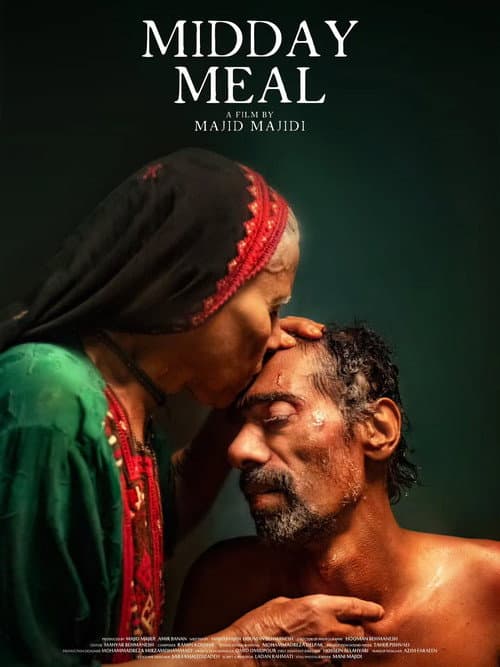

The Busan International Film Festival has crowned "Midday Meal," a Persian-language drama from director Majid Majidi, as the winner of its top competition prize, a result that automatically places the film in the running for next year's Academy Awards. The festival announced the honor on October 15, 2026, capping a week in which the film - which opened in theaters on October 9 - has quickly become one of the fall season's most talked-about international titles.
The award, Busan's highest competitive honor, carries automatic eligibility for Oscar consideration in the Best International Feature Film category. For Majidi, a veteran filmmaker whose career has long been associated with socially conscious cinema, the win marks another major festival triumph and positions "Midday Meal" as a leading contender in a crowded awards field.
A Story Rooted in Scarcity and Hope
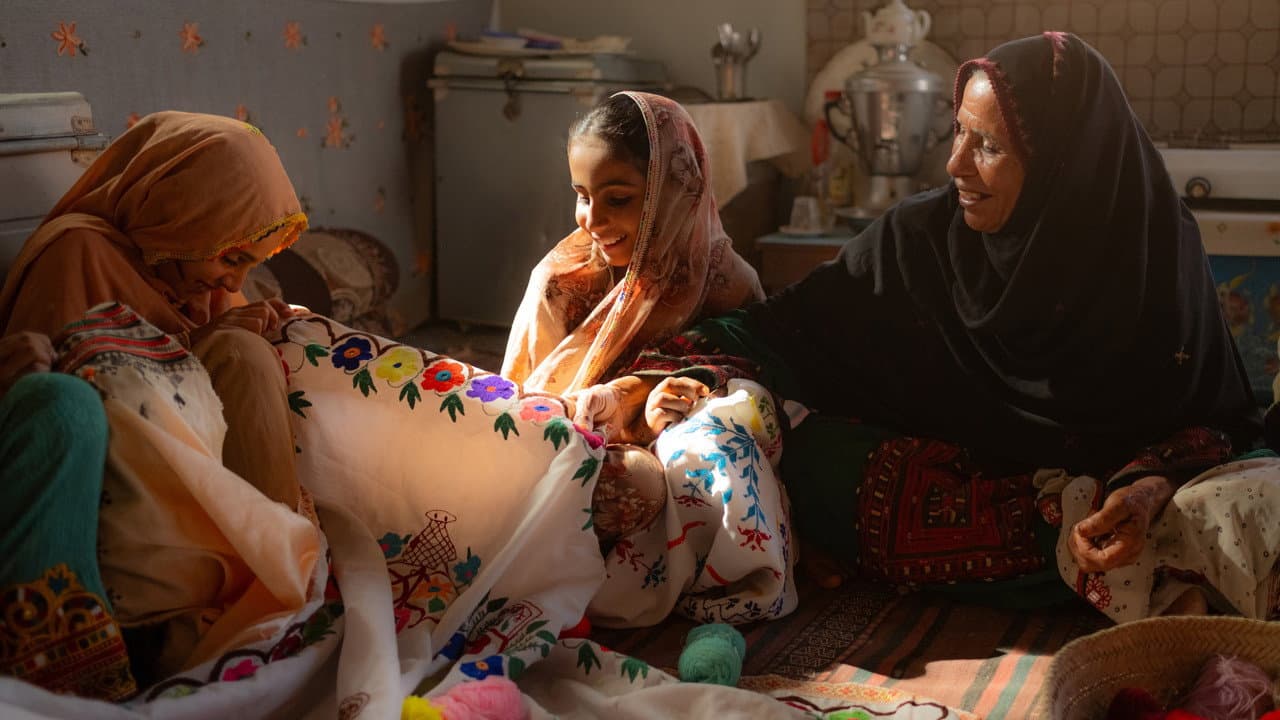
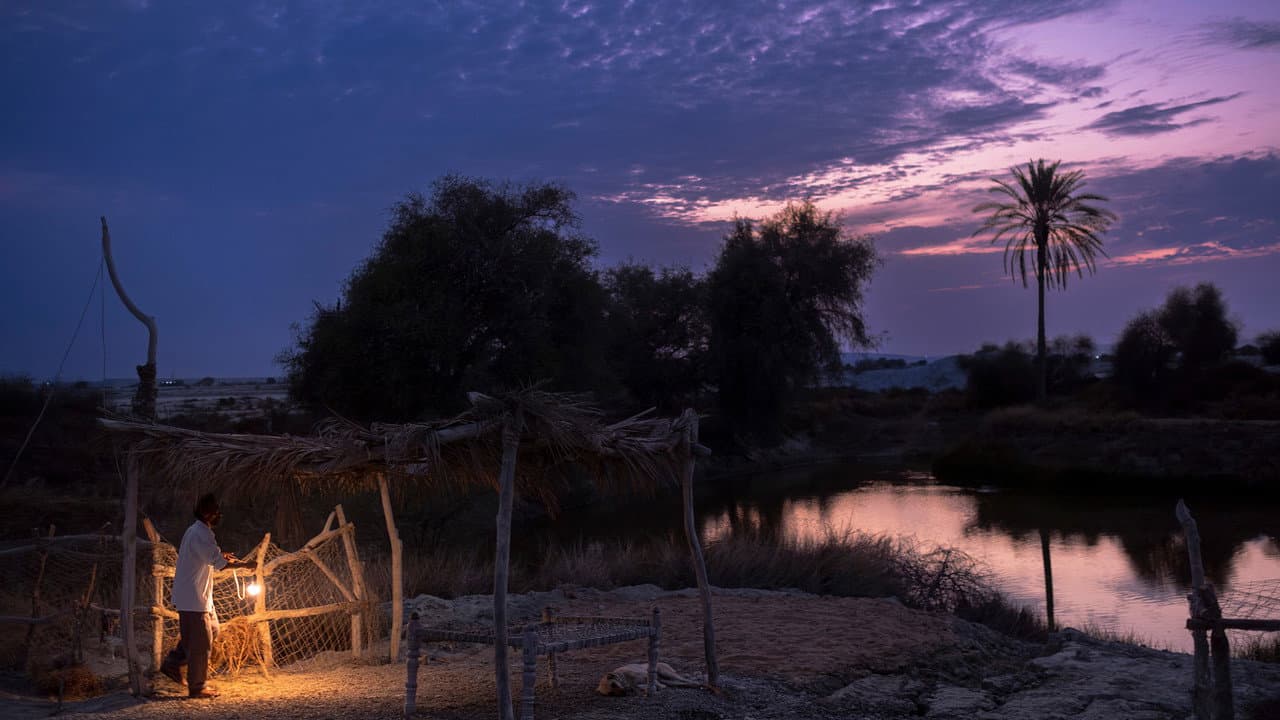
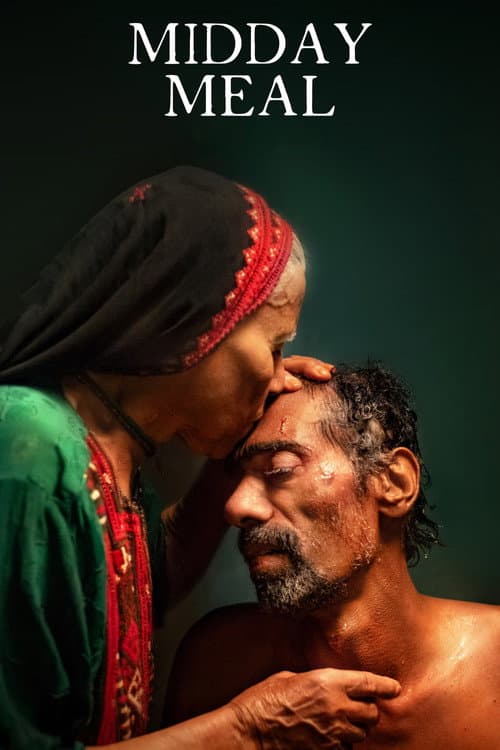
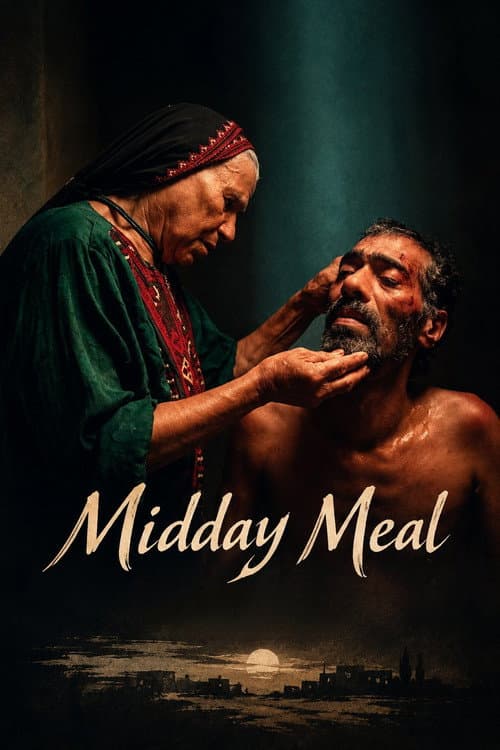
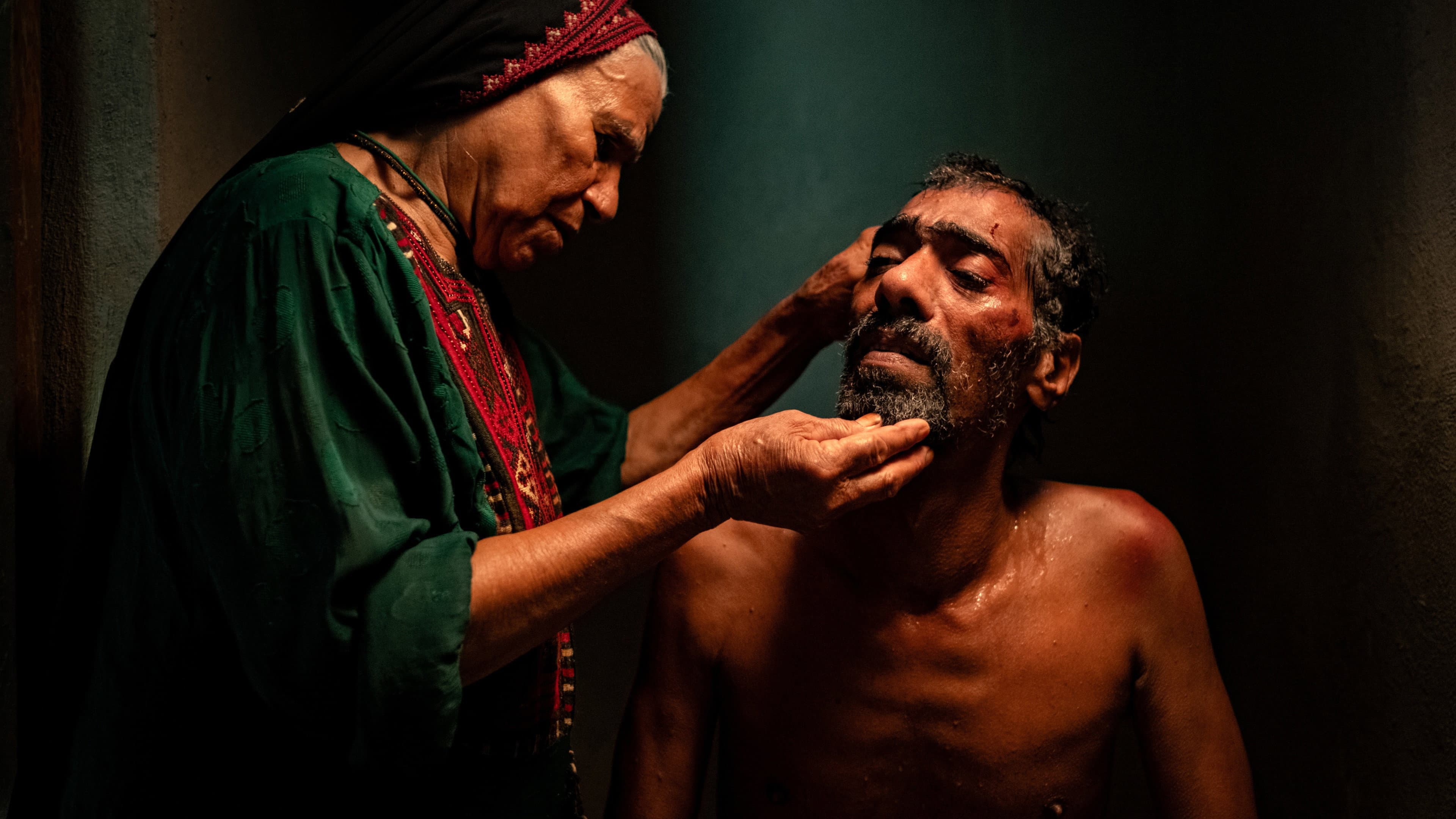
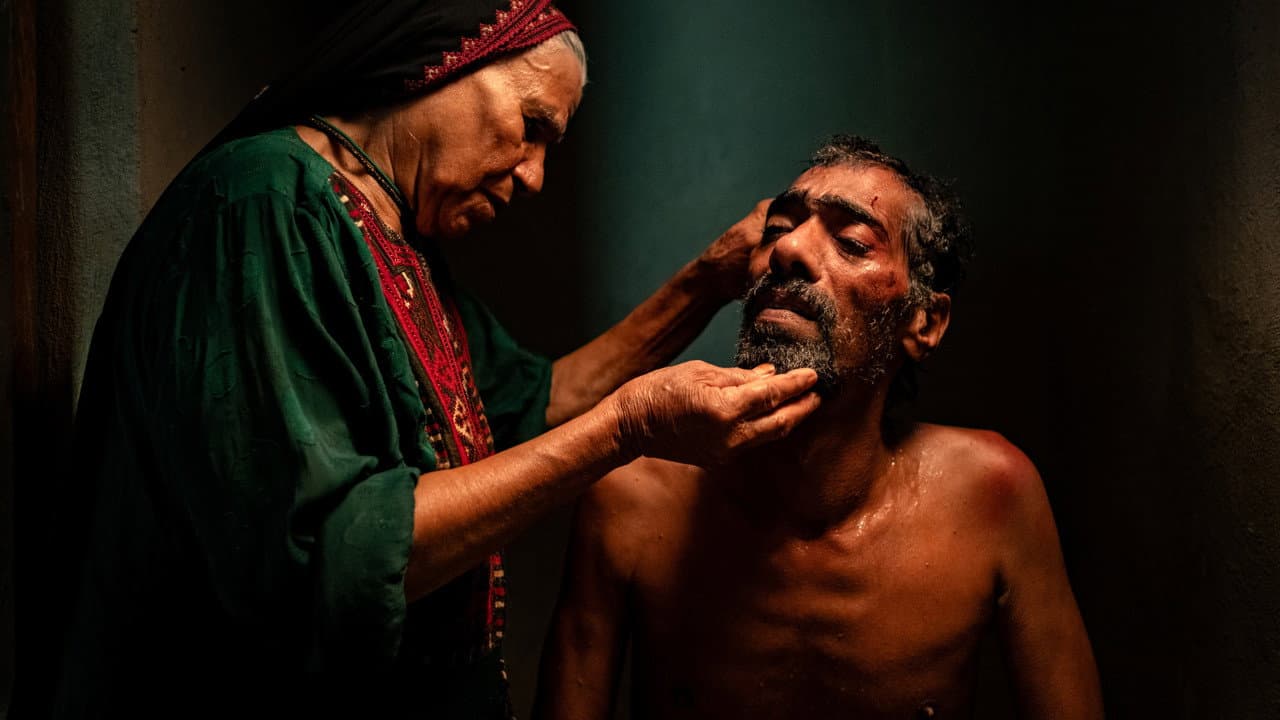
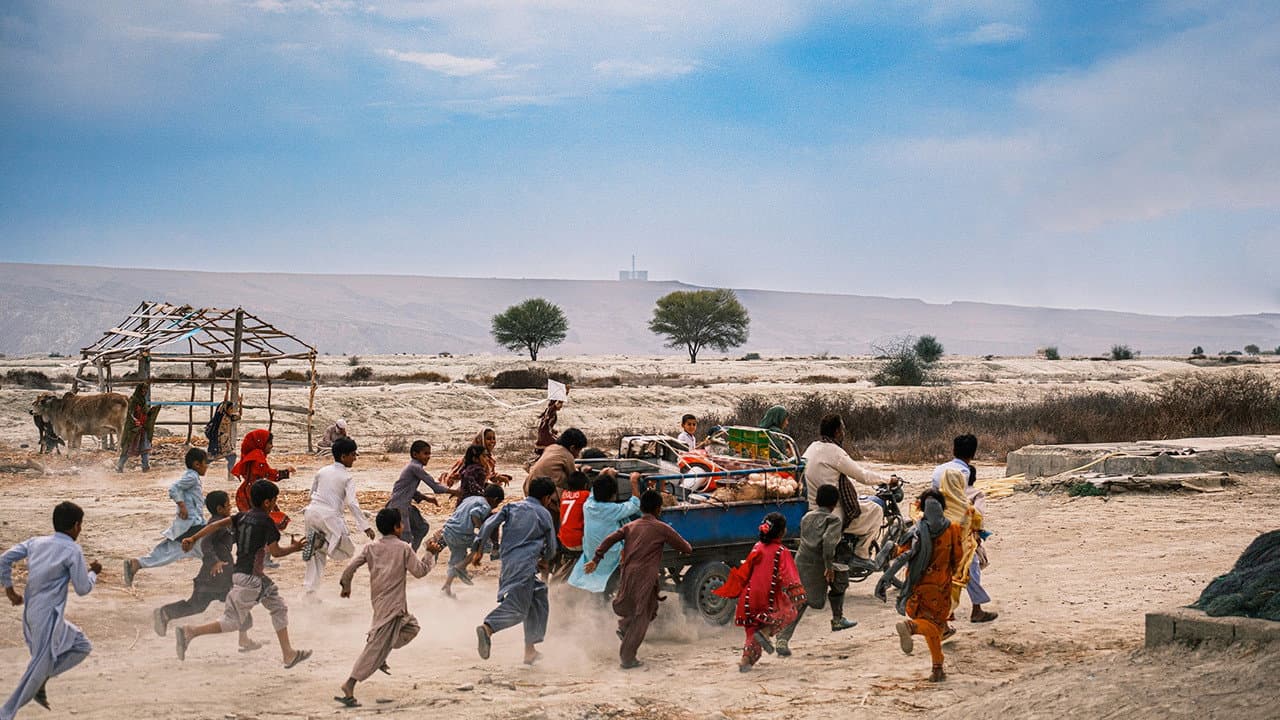
"Midday Meal" unfolds in a parched badland village that the film's promotional materials describe as looking like the end of the world. At its center is Solan, played by Mohammad Rahimi, the settlement's only teacher. After years of laboring in a poorly paid temporary position, Solan clings to one modest ambition: to secure a full-time teaching post and move his mother into a proper house.
That fragile dream begins to collapse when the benefactor who funded the school's meal program dies. The film's 129-minute runtime traces the consequences of that loss, both for Solan and for the community that depended on the program. It is a premise that fits squarely within Majidi's filmography, which has repeatedly examined the lives of ordinary people pushed to the margins by circumstance.
Rahimi leads a cast that includes Kheyri Zakeri, Rahim Bakhsh Pira, and Heybatmorad Damani. The film is listed as a drama in the Persian language, and its TMDb rating stands at 0/10 - a figure that reflects the limited number of audience votes recorded so far rather than any critical judgment, as the film has only been in release for less than a week.
Busan as a Launching Pad
Busan's top prize has historically served as a significant platform for international filmmakers seeking global distribution and awards traction. A win there often translates into heightened interest from arthouse distributors and festival programmers in North America and Europe, precisely the audiences that tend to drive international feature Oscar campaigns.
For "Midday Meal," the timing could hardly be better. The film's October 9 release date means it is now playing to audiences while the awards conversation around it accelerates. The automatic Oscar qualification removes one of the most common hurdles for non-English-language films: the requirement to secure a qualifying festival run or a theatrical release in a specified territory. With that box checked, the film's backers can focus on the broader campaign work of screenings, press, and academy outreach.
Majidi is no stranger to the international circuit. His films have long been fixtures at major festivals, and his name carries weight with voters who follow global cinema. The Busan jury's decision to award him its top honor suggests the film resonated as strongly with festival audiences as it has with the director's established admirers.
What Comes Next
The immediate question for "Midday Meal" is how widely it will travel. An Oscar qualification is a valuable asset, but it does not by itself guarantee distribution or visibility. The film's prospects will depend on how aggressively its representatives pursue the remaining festival circuit and whether they can build the kind of word-of-mouth that turns a festival winner into a genuine contender.
A TMDb rating of 0/10, while not meaningful on its own, does indicate that the film has yet to register with the broader online audience that often tracks awards season. That could change quickly if "Midday Meal" follows the trajectory of past Busan winners that parlayed their prize into sustained international attention.
What is clear is that the film arrives with a distinctive setting and a premise that fits the current appetite for grounded, character-driven international dramas. A remote village, a single teacher, a modest dream, and a death that upends everything - it is the kind of material that has historically performed well with academy voters when it finds its audience.
The film's release date of October 9 places it in theaters now, and its Busan win gives it a narrative heading into the months when awards voters begin paying attention. Whether "Midday Meal" becomes a fixture of that conversation or remains a festival highlight will depend on the campaign ahead, but the film has already secured the most important thing a foreign-language title can get at this stage: a place in the race.
Source: Hollywood Reporter