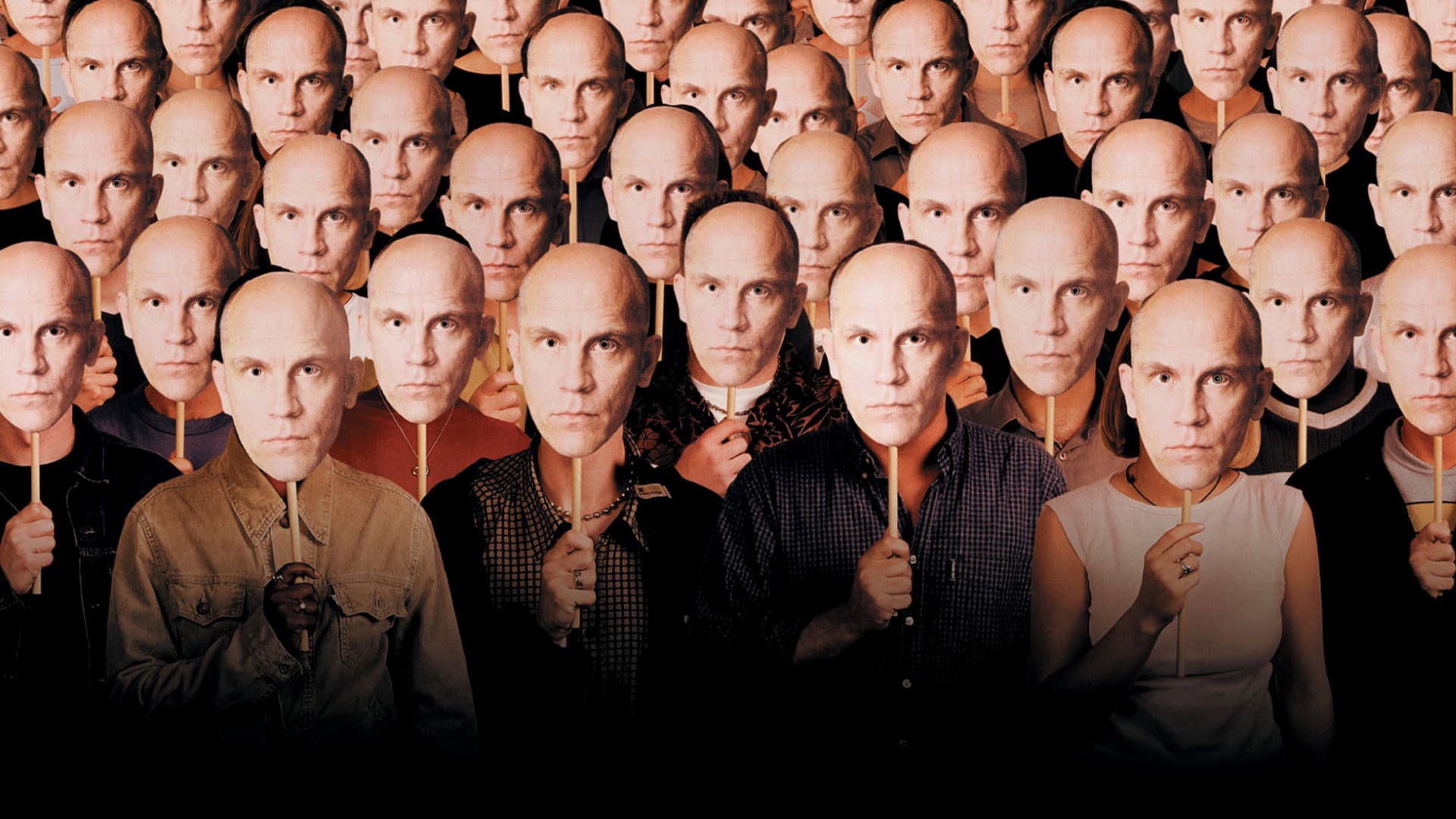
John Malkovich has never been a man inclined toward promotional softness, and his latest remarks about the state of theatrical moviegoing arrive with the same blunt force that has defined his career. In a new interview, the veteran actor argued that mounting an Academy Awards campaign has effectively become the sole mechanism capable of pulling audiences off their couches and into cinemas, a claim that lands with particular weight as the industry continues to wrestle with what, exactly, still motivates people to leave the house for a movie.
Malkovich's assertion is less a complaint than an observation about how the machinery of modern film distribution has reshaped audience behavior. In his view, the weeks of visibility that accompany a serious awards push - the screenings, the Q&As, the carefully orchestrated press, the slow accumulation of buzz - function as the last reliable form of mass marketing for films that are not already branded as event-level spectacles. Without that apparatus, he suggested, even strong work risks disappearing into the endless scroll of streaming options.
The actor's comments touch on a tension that has been building for years. Studios have increasingly reserved their most aggressive theatrical campaigns for franchise titles and tentpole releases, while dramas and mid-budget character pieces - the kind of films that once formed the backbone of adult moviegoing - have migrated toward limited releases and rapid transitions to home viewing. An Oscars campaign, in that landscape, becomes something more than a bid for a statuette. It becomes a distribution strategy in its own right, a way of manufacturing the cultural conversation that once came automatically.
The Awards Race as Marketing Engine
Malkovich's framing is implicitly critical of a system in which artistic recognition and commercial survival have become entangled. A nomination can add millions to a film's gross and extend its theatrical life by weeks; a snub can effectively end it. That dynamic has long existed, but the actor's point is that it has now become nearly absolute. For a certain tier of film, the awards circuit is not a bonus - it is the only on-ramp to public attention.
This is not a purely cynical reading. Awards campaigns do generate genuine enthusiasm, and the rituals of the season - the festival premieres, the guild screenings, the critics' prizes - create a shared cultural calendar that streaming platforms have struggled to replicate. The problem, as Malkovich frames it, is that this calendar has become the exception rather than the rule, a narrow window through which a limited number of films must pass if they hope to be seen on a big screen at all.
His remarks also raise uncomfortable questions about what happens to films that do not fit the awards mold: genre pictures, comedies, foreign-language imports without a major distributor behind them, and smaller independents that cannot afford the months-long expenditure an Oscar push requires. If theatrical attendance now depends on awards attention, those movies are left with fewer and fewer paths to audiences.
An Industry Still Searching for Answers
The broader context is an exhibition sector that has stabilized but not fully recovered its pre-pandemic rhythms. Theatrical releases still draw crowds for the right titles, but the middle of the market remains fragile, and the habit of going to the movies - as opposed to choosing a specific movie to go see - has weakened. Theater owners have leaned on premium formats, concert films, and repertory programming to fill seats, while studios have experimented with variable pricing and shortened exclusivity windows.
Malkovich, for his part, has remained a steady presence in both studio and independent filmmaking, and his perspective carries the authority of someone who has watched the business cycle through several of its transformations. He is not the first to suggest that the awards season has become a de facto marketing campaign, but his phrasing sharpens the stakes: without it, he argues, there is simply no comparable way to make people show up.
Whether the industry will treat that as a warning or a business model is an open question. Some executives have quietly embraced the logic, timing their prestige releases to coincide with the awards corridor and treating nominations as a form of paid media they do not have to buy. Others worry that the dependence is unsustainable, creating a two-tier system in which a handful of films receive a full theatrical life and everything else becomes content.
For now, Malkovich's comment stands as one of the season's more candid assessments of where things stand - a reminder that in an era of infinite choice, the scarcest commodity is not a screen or a ticket, but a reason to leave the house.
Source: Hollywood Reporter