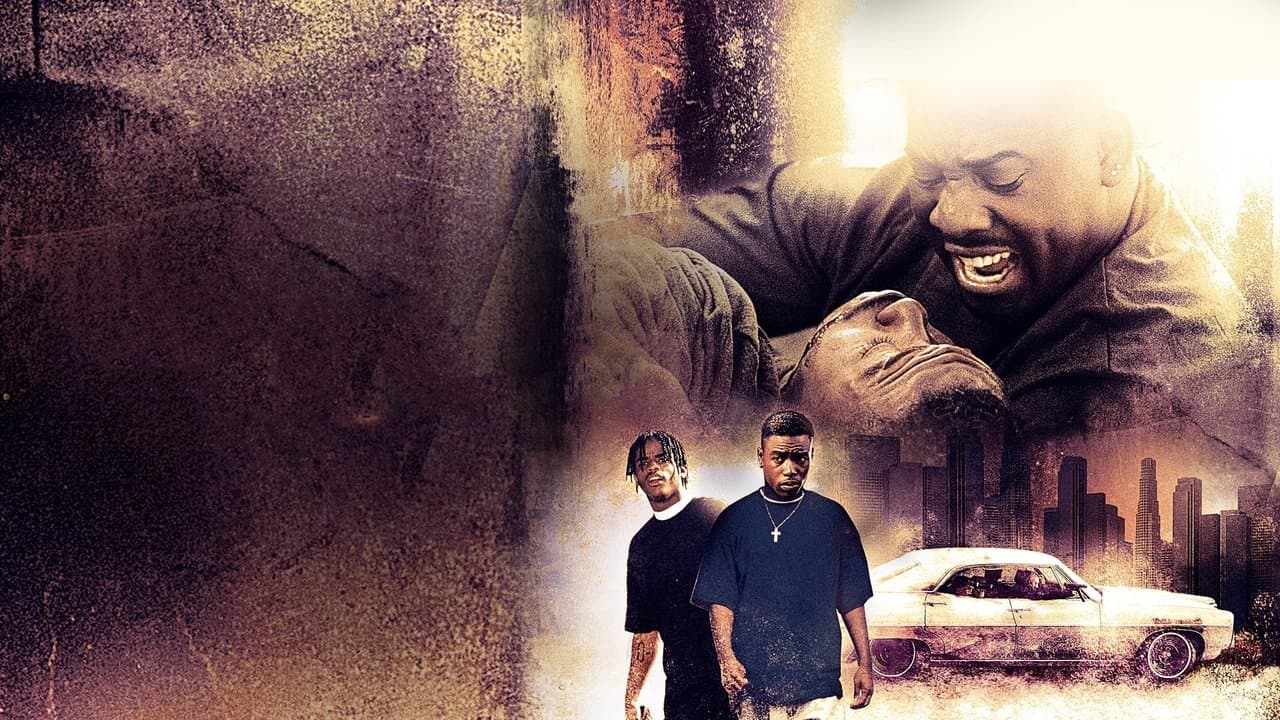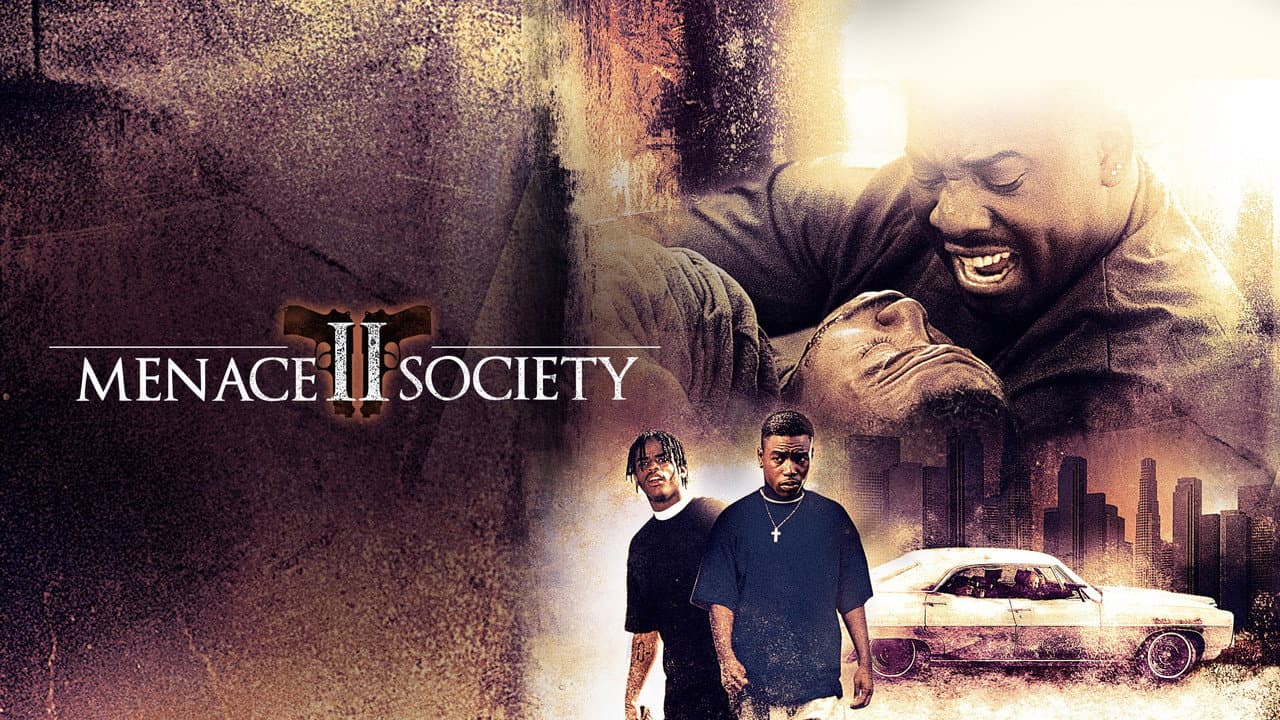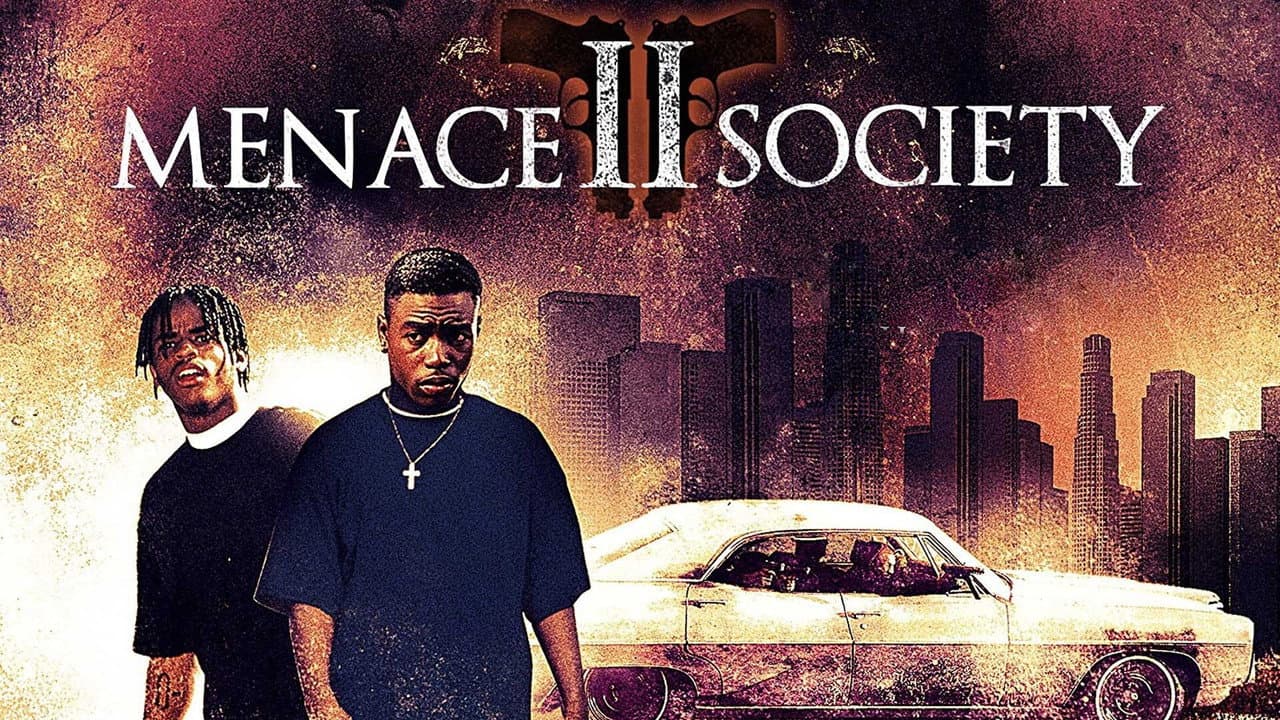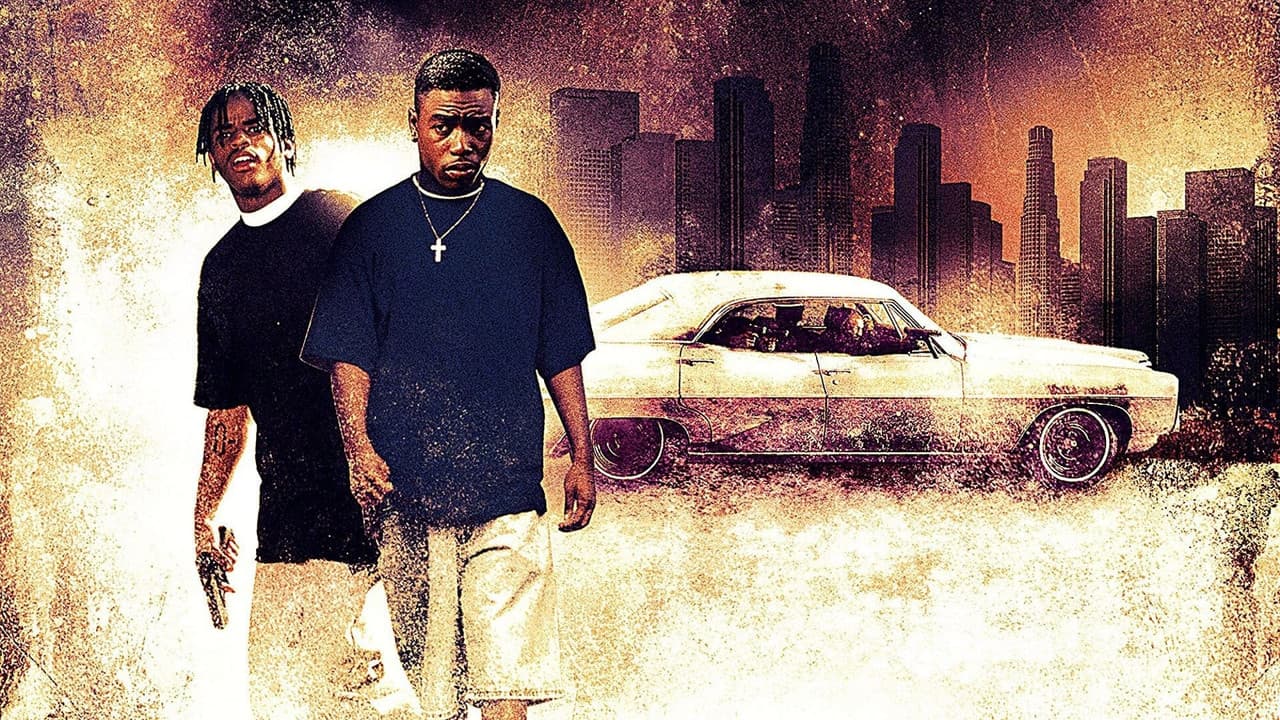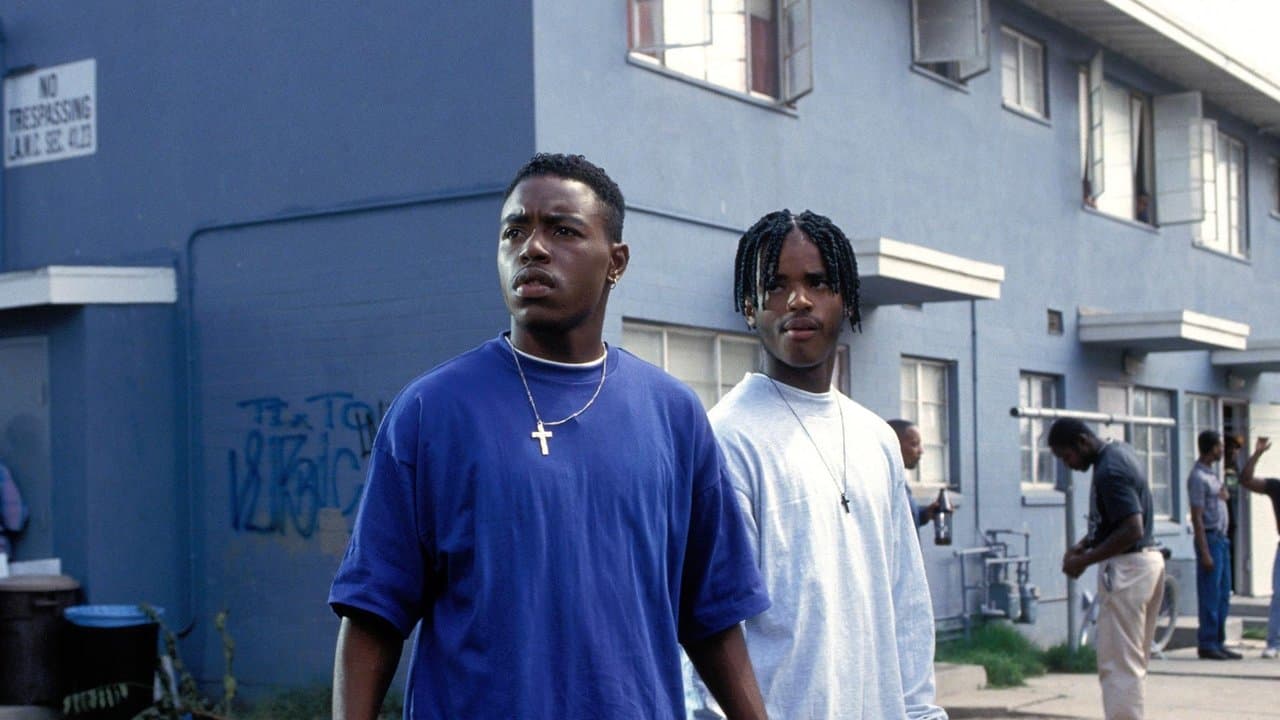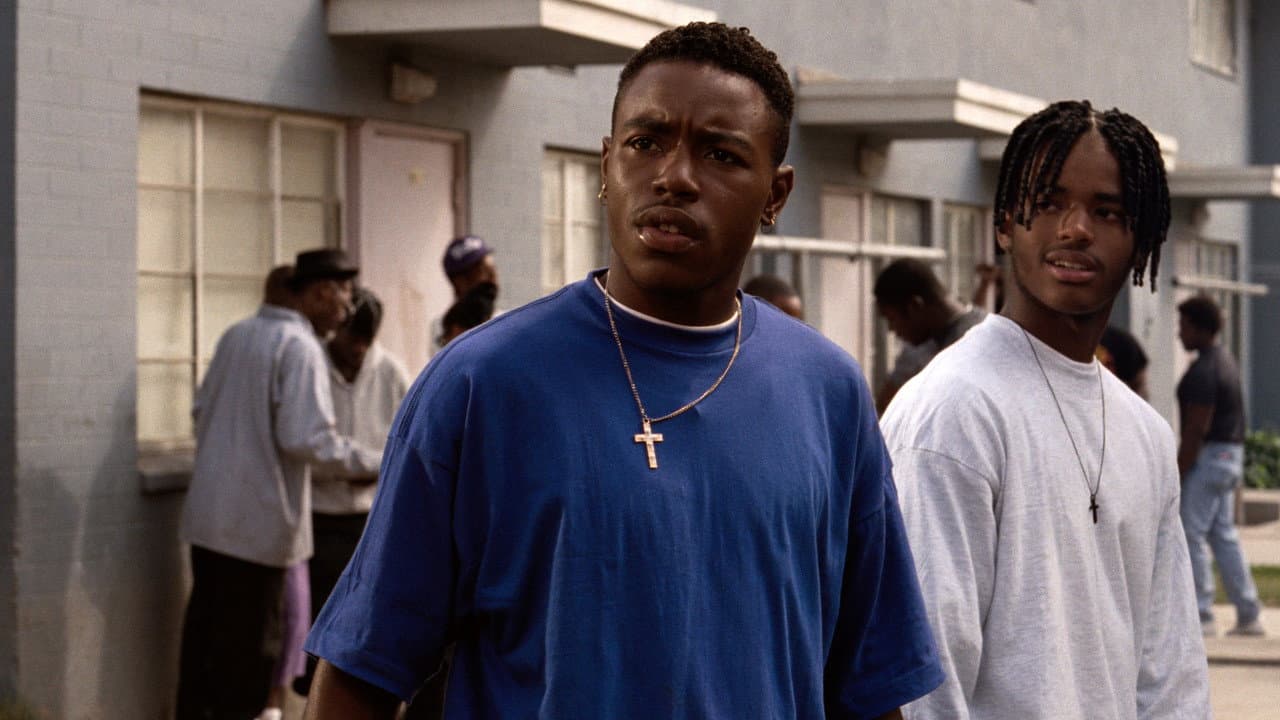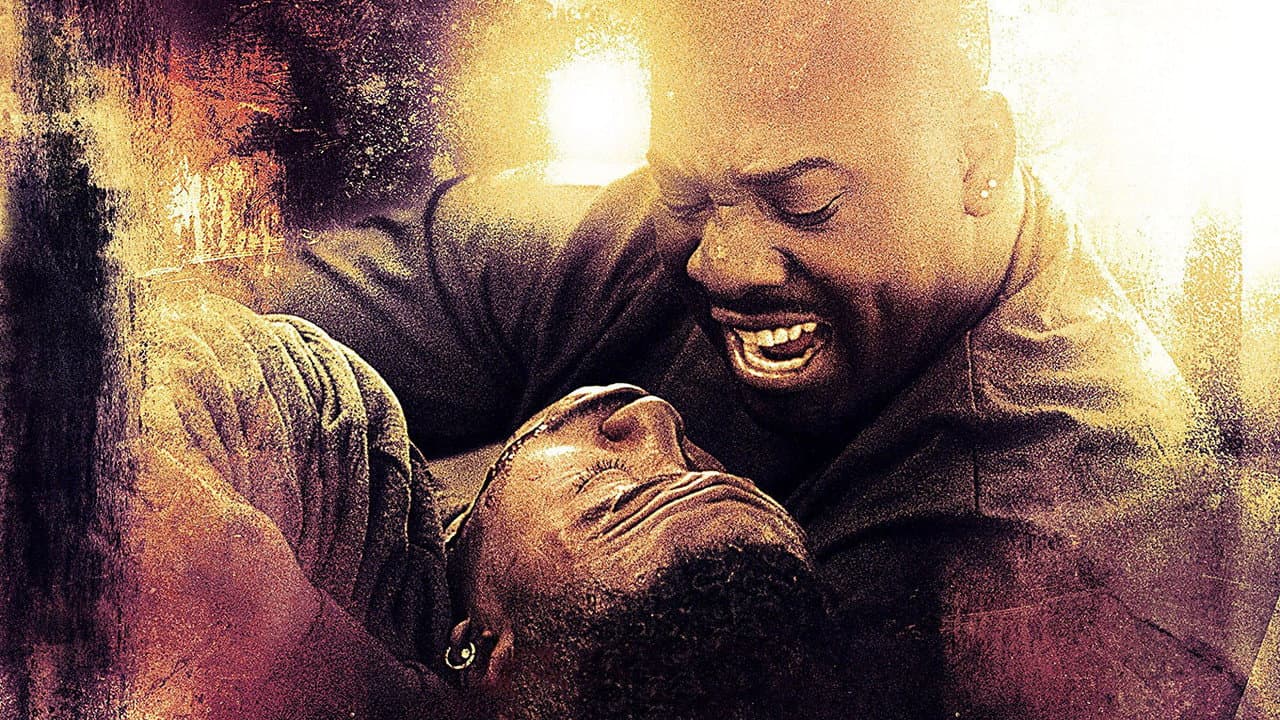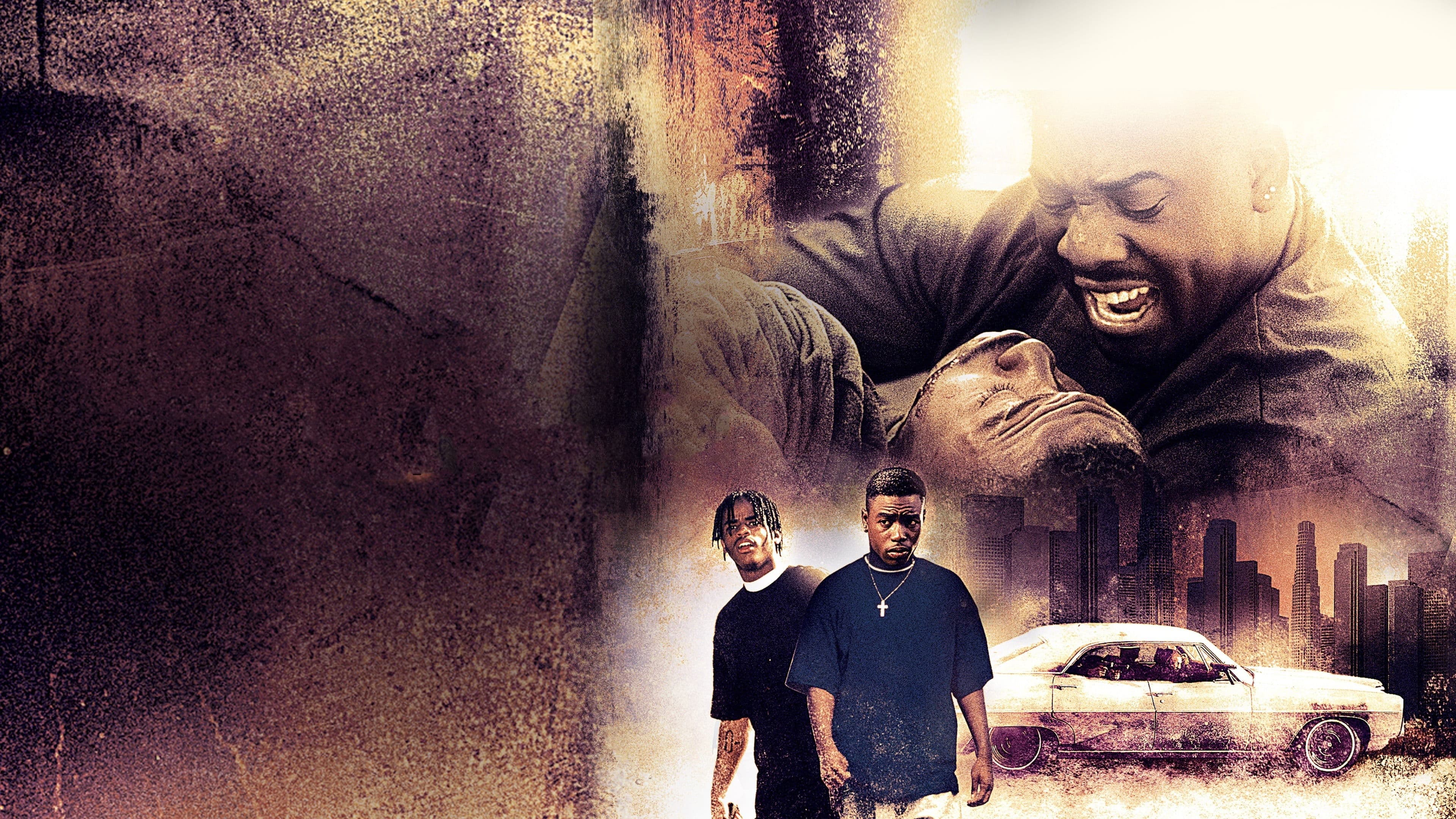
Samuel Monroe Jr., the actor best known for his role in the 1993 cult classic Menace II Society, has died at the age of 52. His passing marks the loss of a performer whose work in the Hughes brothers’ gritty coming-of-age drama left an indelible mark on American cinema, even if his name never reached the mainstream heights of some of his co-stars.
The news of his death was confirmed on Thursday, though no official cause has been released at this time. Monroe Jr. played the character of Pernell in the film, a central figure whose tragic arc served as a grim cautionary tale within the movie’s larger narrative about survival, morality, and the crushing weight of circumstance in South Central Los Angeles.
A Breakout Role in a Defining Film
In Menace II Society, Monroe Jr. portrayed Pernell, a young man whose life takes a devastating turn after a robbery gone wrong lands him in prison. His character’s journey - from a free man hustling on the streets to a wheelchair-bound convict serving a life sentence - was one of the film’s most poignant threads. Pernell’s fate stood in stark contrast to that of the protagonist, Caine, played by Tyrin Turner, and served as a constant reminder of the thin line between escape and entrapment. The film, which was directed by Albert Hughes and co-written with his brother Allen, was released on May 26, 1993, and ran a tight 97 minutes. It was a raw, unflinching portrait of urban life that drew critical acclaim and cemented its place in the annals of 1990s cinema.
The movie’s ensemble cast was a who’s who of rising Black talent at the time. Alongside Turner in the lead role of Caine "Kaydee" Lawson, the film featured Larenz Tate as the volatile Kevin "O-Dog," a performance that became iconic in its own right. Jada Pinkett Smith brought warmth and gravitas as Ronnie, the love interest with her own burdens, while Samuel L. Jackson took on the role of Tat Lawson, Caine’s father, in one of his many pre-stardom appearances. The cast also included Glenn Plummer, Reginald Ballard as Clyde, and June Kyoto Lu and Toshi Toda as the elderly Grocery Store owners whose fate sets the film’s violent tone in motion. Monroe Jr. held his own among these performers, delivering a quiet intensity that made Pernell’s suffering feel deeply human.
A Career in the Shadows of a Classic
For Monroe Jr., Menace II Society was both a breakthrough and a shadow that loomed large over the rest of his career. While he never achieved the A-list fame of his co-star Jackson or the sustained visibility of Pinkett Smith, his work in the film earned him a devoted following among fans of 1990s urban cinema. He appeared in a handful of other projects following the movie’s release, but none matched the cultural resonance of his debut. Still, for a generation of viewers, his face was instantly recognizable - a symbol of the film’s unyielding realism.
The film itself has aged into a touchstone of the genre, praised for its unsparing depiction of systemic poverty and the cyclical nature of violence. Its TMDb rating of 7.518 out of 10 reflects a lasting appreciation among modern audiences who continue to discover it decades later. The Hughes brothers, who were young first-time directors at the time, brought a documentary-like authenticity to the picture, shooting on location and refusing to glamorize the world they depicted. Monroe Jr.’s performance as Pernell was a key part of that authenticity, grounding the film’s more sensational moments in a believable sense of grief and consequence.
The Legacy of a Supporting Player
Though his filmography may have been limited, Monroe Jr.’s impact was not. In a movie filled with memorable scenes and quotable lines, Pernell’s story remains one of the most heartbreaking. His character’s final moments - a quiet, resigned acknowledgment of his fate - are often cited by fans as among the film’s most affecting. It’s a testament to Monroe Jr.’s skill that he could make such a small role feel so monumental.
As news of his passing circulates, tributes from fans and former collaborators have begun to surface on social media, remembering him not just as an actor but as a presence who brought dignity to a part that could have easily been reduced to a stereotype. He was 52 years old, and while his life was cut short, the work he left behind continues to speak to new audiences, ensuring that his contribution to one of Hollywood’s most enduring cautionary tales will not be forgotten.
Source: Hollywood Reporter