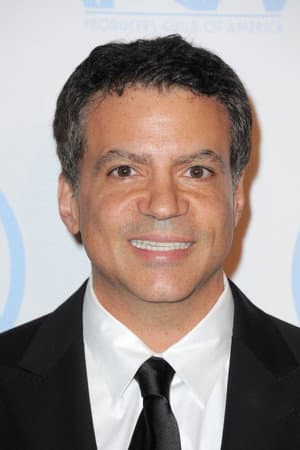
Michael De Luca and Pamela Abdy are leaving their leadership posts at Warner Bros., according to people familiar with the situation, ending a tenure that began with considerable fanfare but unfolded against nearly constant turbulence at the storied studio. The pair, who arrived from MGM to take the reins of the film division, are exiting as Warner Bros. Discovery continues to reshape its entertainment operations under chief executive David Zaslav. Word of their departure spread quickly through Hollywood on Friday, catching many in the creative community off guard even as industry veterans noted the studio's long history of executive turnover.
The shakeup marks the second major change at the top of Warner Bros.' film operation in just a few years, a period in which the studio has cycled through leadership while trying to stabilize its release slate and its place within a debt-laden parent company. De Luca and Abdy were named to their roles in 2022 after the merger of WarnerMedia and Discovery, inheriting a film studio that was still absorbing the aftershocks of the day-and-date streaming experiment that had alienated many filmmakers and talent.
A Challenging Tenure
Their time at the studio was defined less by a single signature victory than by a steady grind of managing expectations. The pair oversaw a slate that mixed franchise tentpoles with prestige dramas and auteur-driven projects, an approach that drew praise from filmmakers who valued their willingness to take creative swings. But the economics of the modern studio business left little room for patience, and several high-profile releases failed to connect with audiences in the way the studio needed.
The larger problem was structural. Warner Bros. sits inside a conglomerate that has been laser-focused on cutting costs and reducing debt, and the film studio's performance has been scrutinized at every quarterly earnings report. Executives who once enjoyed broad autonomy found themselves answering to a corporate parent more interested in streaming subscriber math and balance-sheet discipline than in the traditional rhythms of theatrical filmmaking.
De Luca and Abdy also had to navigate the dual strikes of 2023, which shut down production for months and scrambled release calendars across the industry. The disruption rippled through their slate for well over a year, delaying projects and forcing the studio to rethink how it spent its marketing dollars. Few studio chiefs in recent memory have had to manage so many external shocks in such a compressed window.
What It Means for the Studio
The immediate question is who steps in to run the film division - and what mandate they'll be given. Warner Bros. holds some of the most valuable intellectual property in entertainment, from DC to Harry Potter to Looney Tunes, and the studio's decisions about how to exploit those assets will shape the industry for years. Whoever takes over will inherit a roster of projects in various stages of development and a creative community that has grown wary of revolving-door leadership.
There's also the matter of morale. Executive churn at the top tends to cascade downward, unsettling production executives, marketing teams and the talent representatives who depend on stable relationships. Agents and managers who spent the past few years building rapport with De Luca and Abdy will now have to start over with a new regime, a process that inevitably slows dealmaking and adds friction to an already strained development pipeline.
For Zaslav, the move represents another opportunity to put his stamp on a division that has struggled to deliver consistent results. Whether the change brings stability or simply resets the clock on the same set of challenges remains to be seen.
A Town That's Seen This Before
Hollywood has watched Warner Bros. change hands and change leaders many times over its century-long history, and the reaction to Friday's news was more resignation than shock. The studio remains a crown jewel of the industry, but its corporate parent's priorities have repeatedly clashed with the long-term, relationship-driven approach that defines successful film operations.
De Luca and Abdy leave with their reputations largely intact - respected by filmmakers, if not always rewarded by the bottom line. Where they land next will be watched closely, as will the question of who is willing to take on one of the hardest jobs in Hollywood. For now, Warner Bros. enters another period of transition, with the industry waiting to see what comes next.
Source: Hollywood Reporter