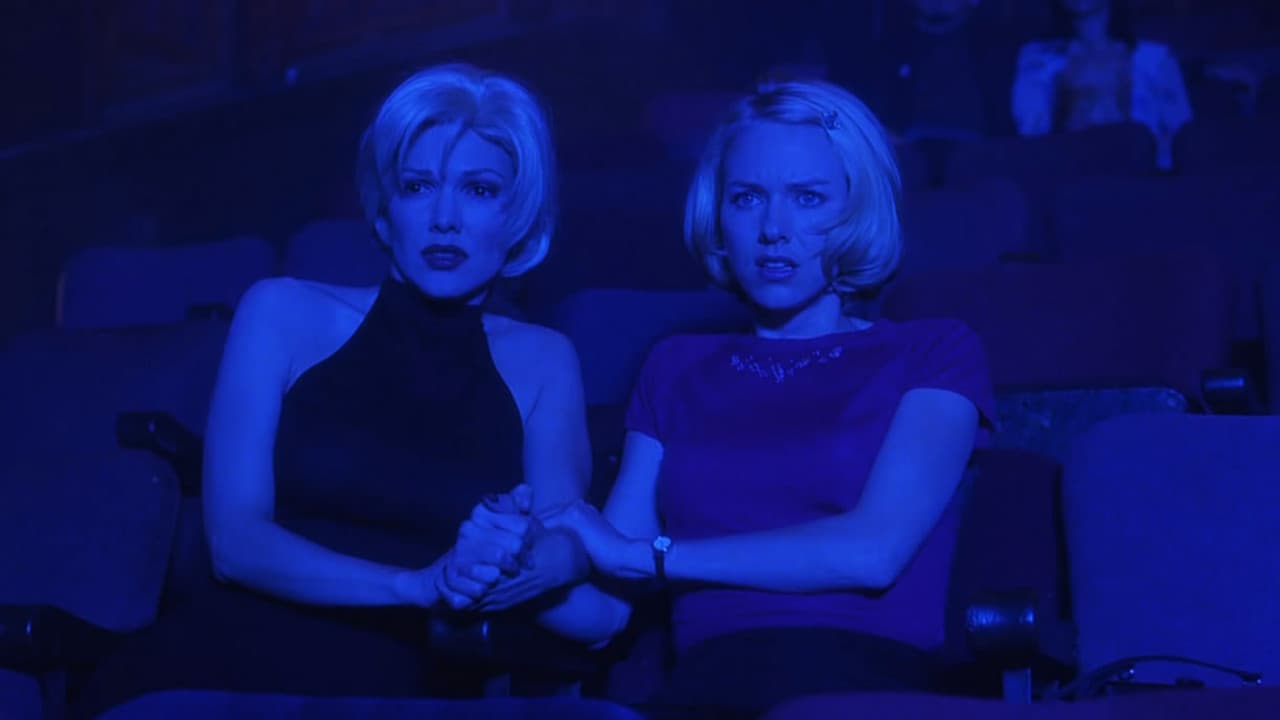
Naomi Watts arrived at the Toronto International Film Festival in 2001 as a relative unknown, and she left as one of the most talked-about actors of the year. The film that carried her there was Mulholland Drive, David Lynch's sun-bleached nightmare about ambition, identity, and the rot beneath Hollywood's surface - a movie that has only grown in stature in the quarter-century since its release.
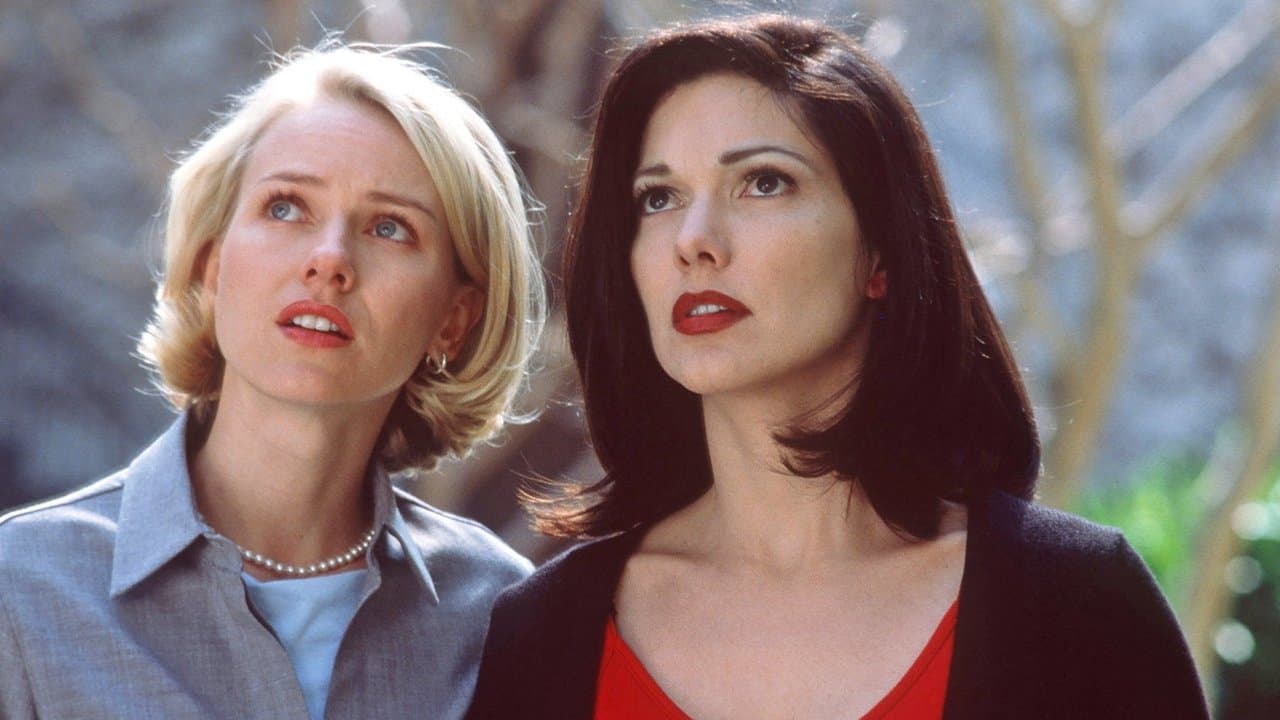
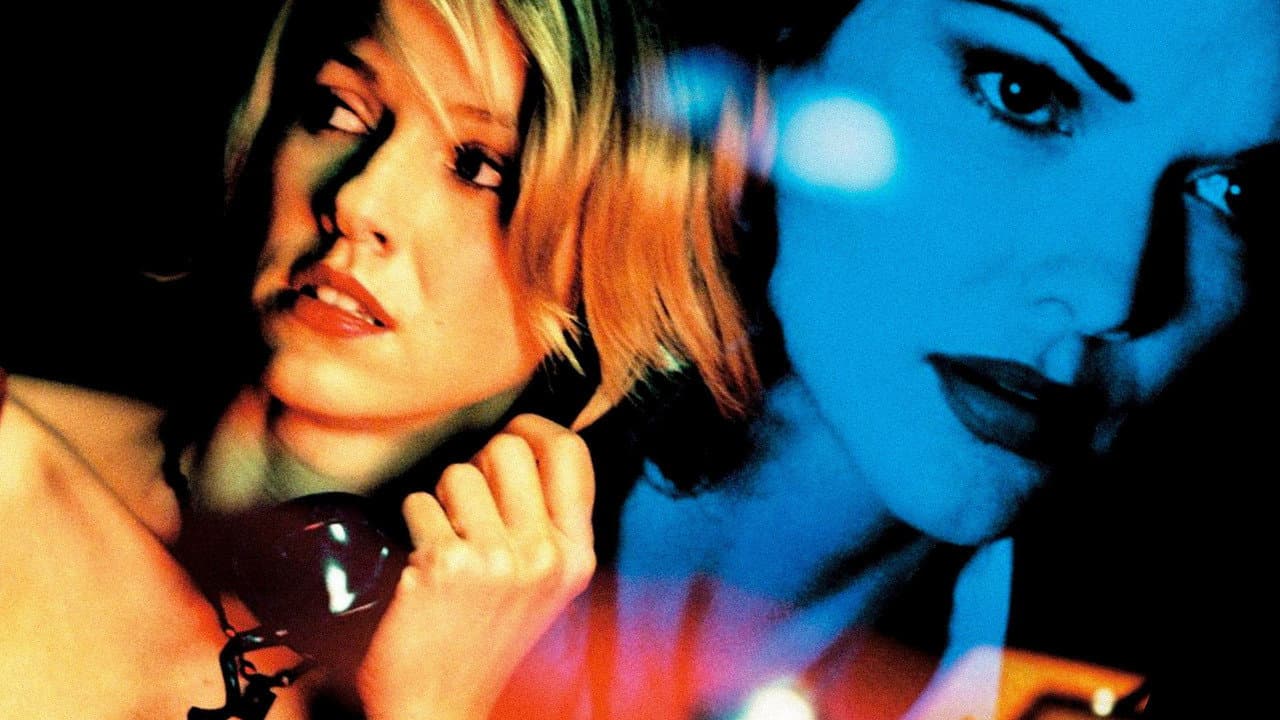
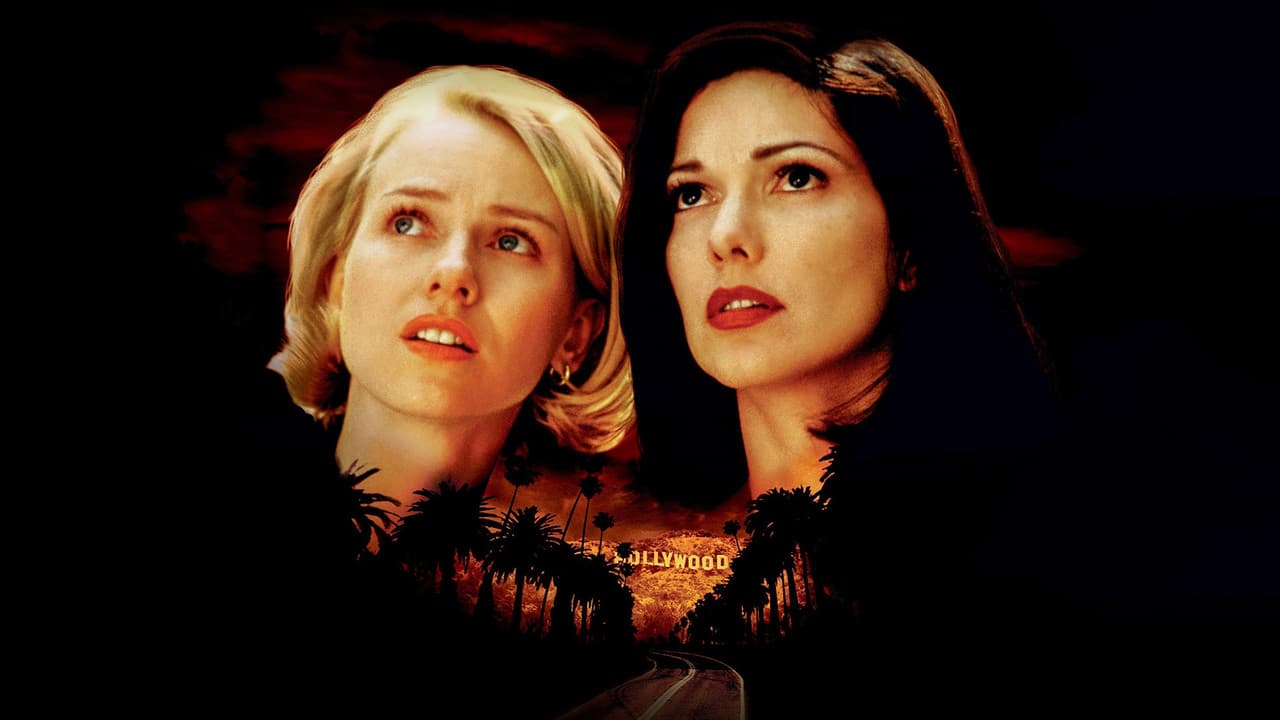
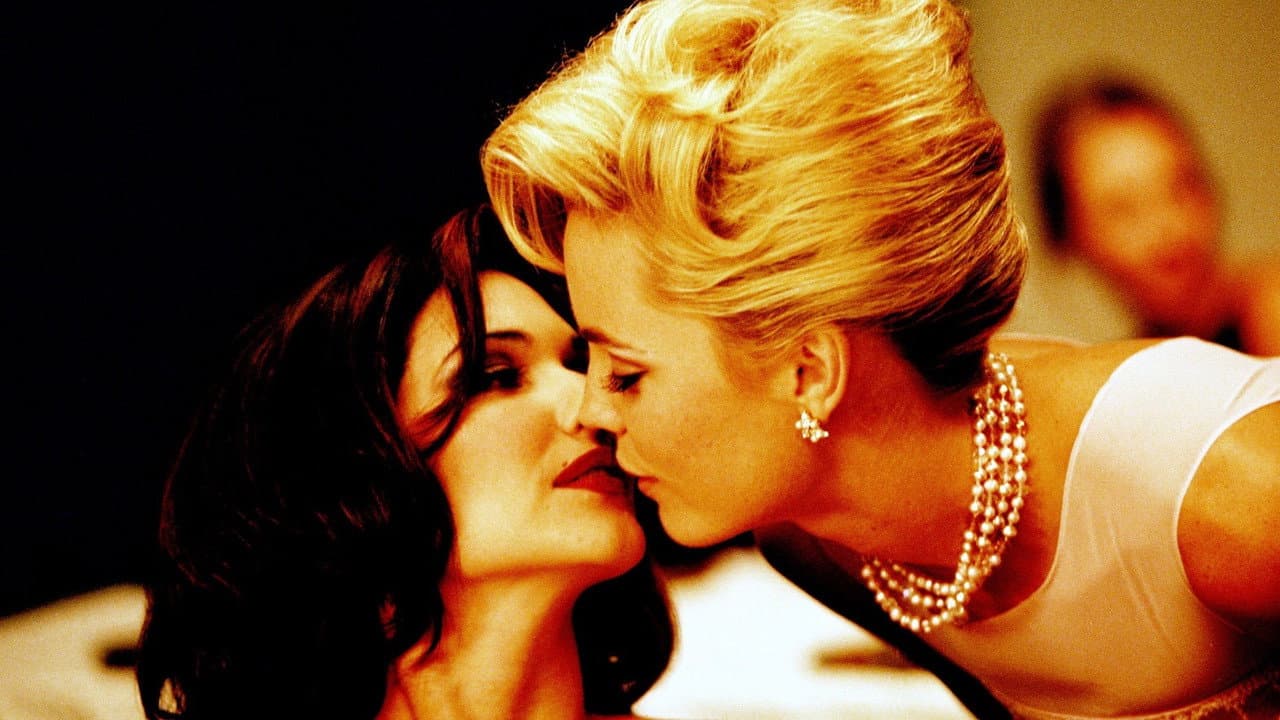
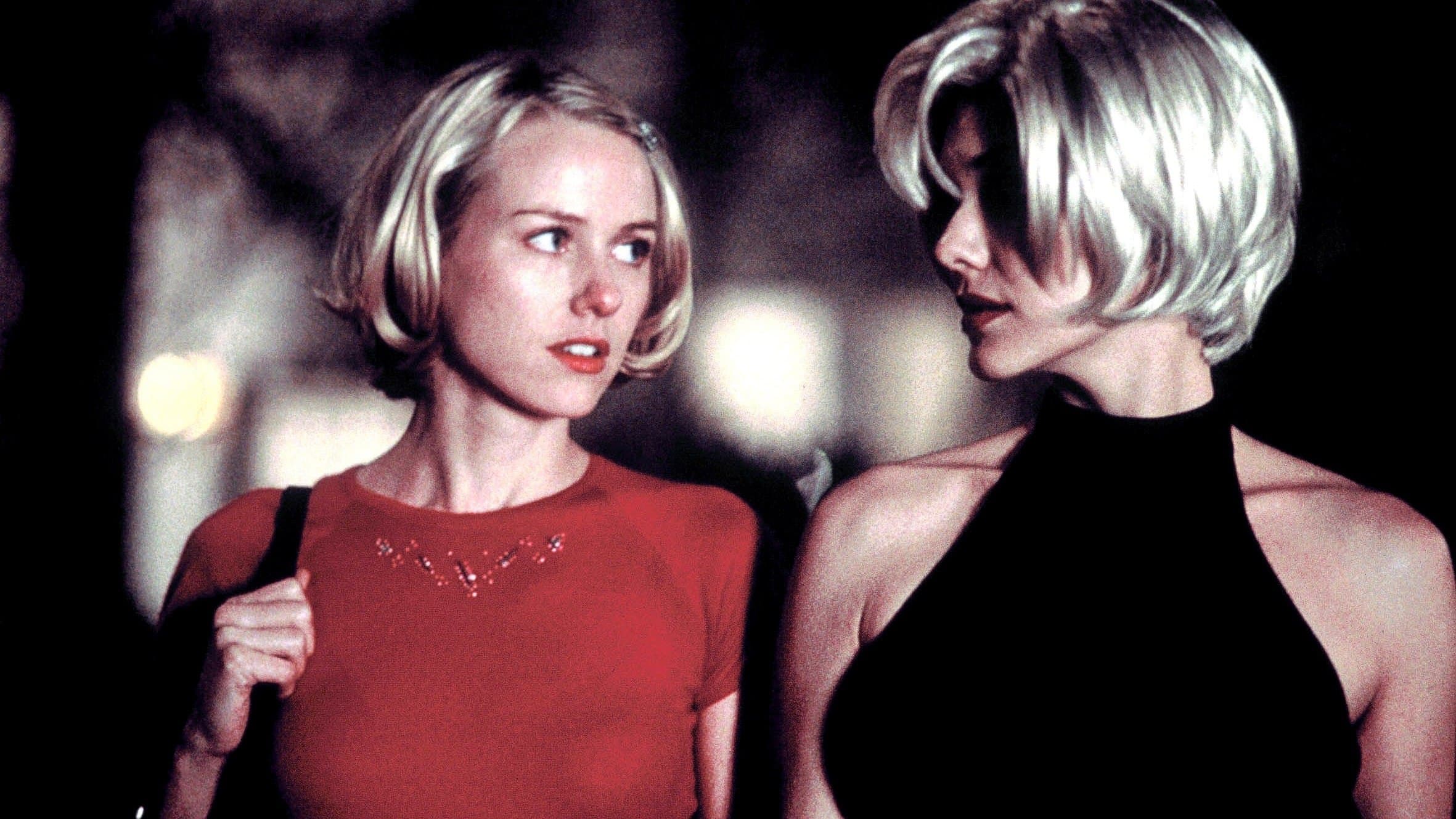
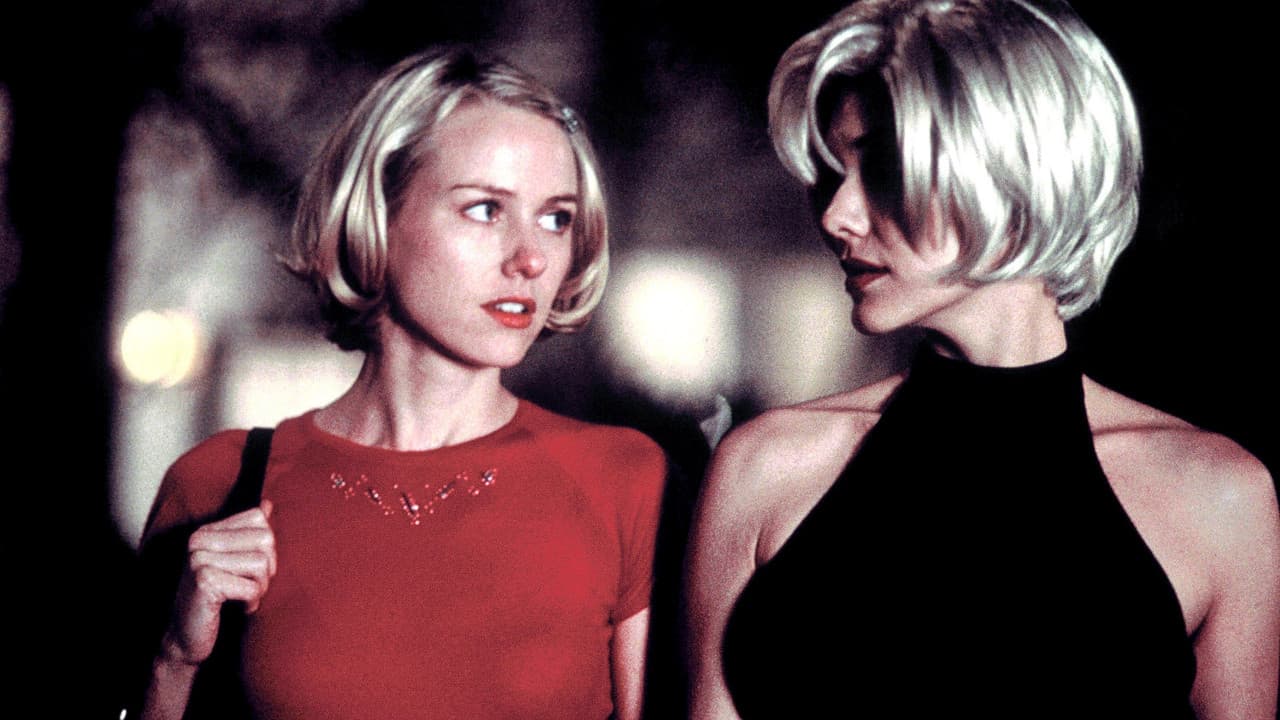
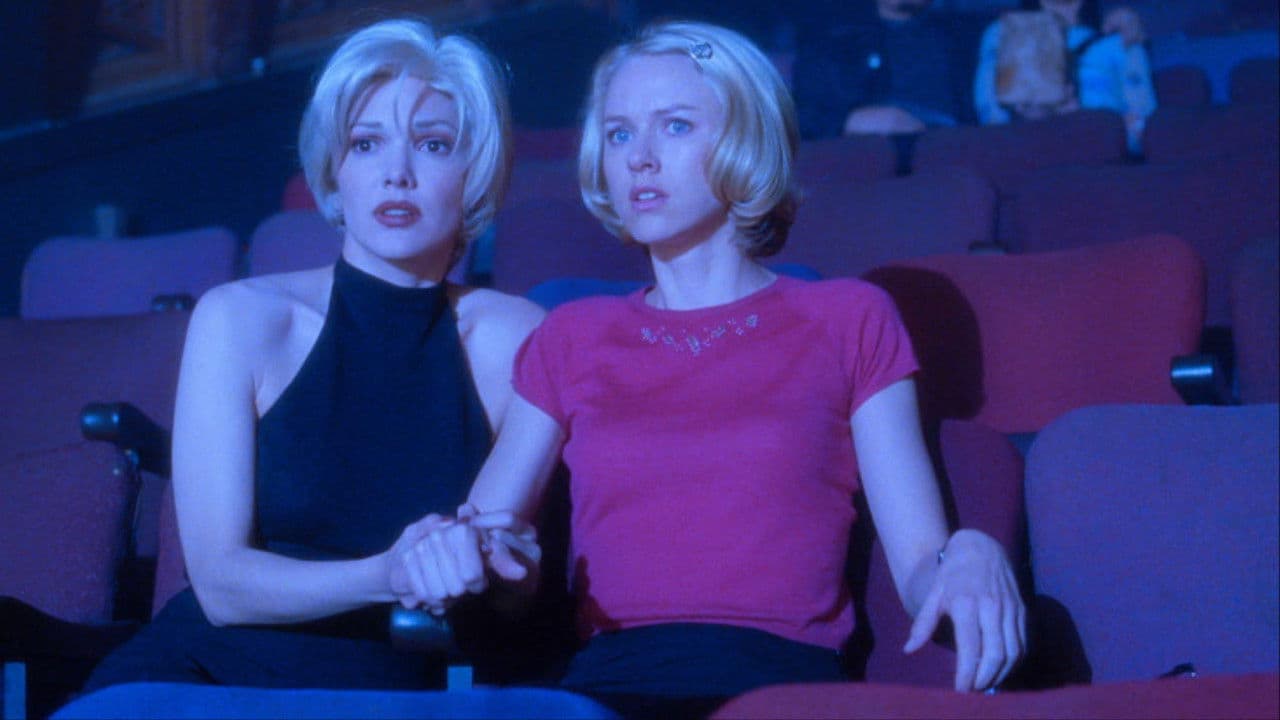
Watts starred as Betty Elms, a wide-eyed blonde who lands in Los Angeles chasing a movie career and quickly stumbles into a mystery far stranger than anything she imagined. Her counterpart was Laura Harring's Rita, a dark-haired woman with amnesia who materializes in Betty's aunt's apartment after surviving a car crash on the winding road that gives the film its title. The two women set out to piece together Rita's identity, a search that pulls them deeper into a city where nothing - not casting couches, not directors, not even the passage of time - behaves the way it should.
Released on June 6, 2001, Mulholland Drive runs 147 minutes and blends thriller, drama, and mystery into something that resists easy genre classification. Critically, it has aged remarkably well: the film currently holds a 7.799 out of 10 rating on TMDb, a figure that reflects its reputation as one of the defining American films of its era.
A Festival Launch That Changed Careers
Toronto in 2001 was not yet the awards-season launching pad it would later become, but it was already a place where a performance could shift a career overnight. Watts had spent years in small roles and near-misses before Lynch cast her in the lead. The festival screening put her in front of international press and programmers who had largely overlooked her, and the response to her dual work - she plays both the hopeful Betty and, in the film's fractured second half, a very different woman named Diane Selwyn - was immediate.
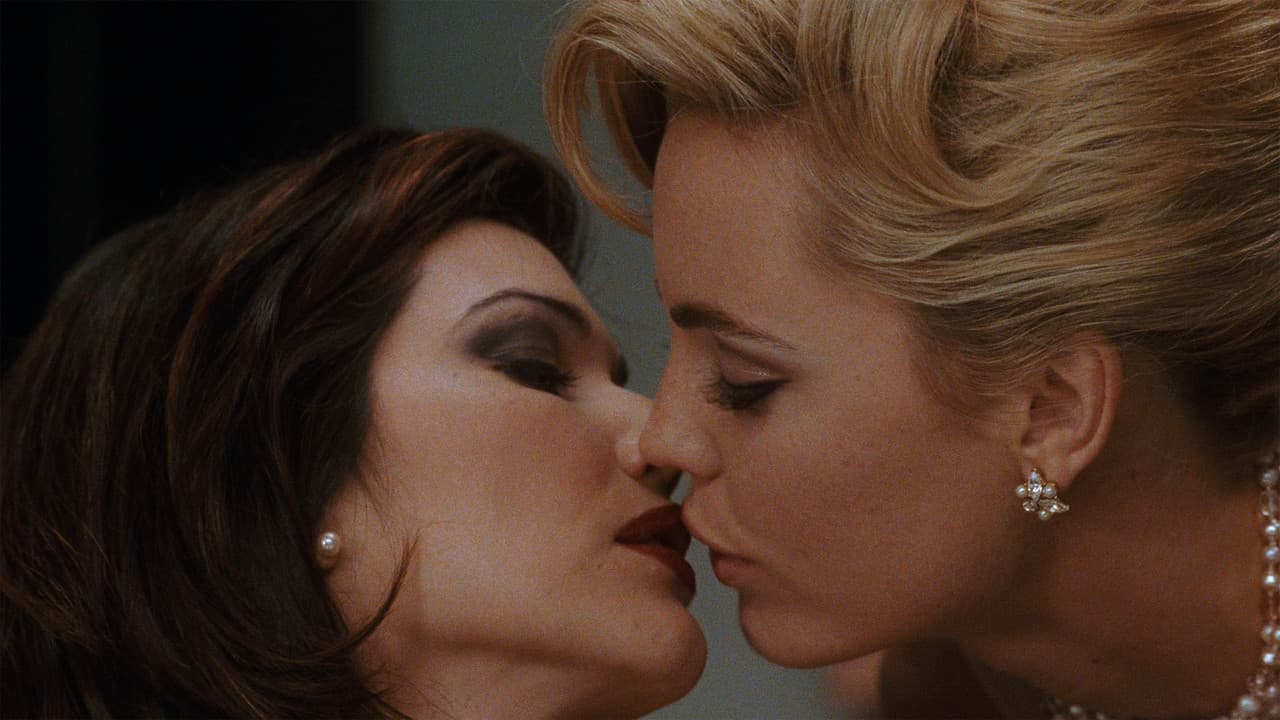
That structure is central to why the film still fascinates. For much of its runtime, Mulholland Drive plays like a mystery with a romantic core. Then it folds in on itself, and everything the audience believed about Betty and Rita gets recontextualized. Watts, who had been asked to carry the first half's optimism, is asked to carry the second half's devastation. Few performances in Lynch's filmography are as exposed.
Lynch's Hollywood, Built From the Inside
Lynch directed the film, and its view of the industry is unmistakably that of an insider who has both worked within the system and been burned by it. The plot follows filmmaker Adam Kesher, played by Justin Theroux, as he tries to cast his latest project and runs into ominous interference from forces he never fully sees. It is a storyline that has aged into something close to dark comedy for anyone who has watched studio politics up close.
The supporting cast is deep and eccentric in the way Lynch's ensembles tend to be. Ann Miller appears as Coco, Mark Pellegrino as Joe, and Robert Forster as Detective McKnight. Dan Hedaya and Angelo Badalamenti - the composer whose scores are inseparable from Lynch's mood - both turn up as the Castigliane brothers, Vincenzo and Luigi. Harring's Rita remains the film's still center, a woman without a past who becomes the object of everyone else's projections.
Still Courting Toronto Audiences
A quarter-century on, Mulholland Drive functions as a kind of time capsule and a warning label at once. The Hollywood it depicts - auditions in cramped apartments, mysterious men in suits, a nightclub where a singer collapses mid-song - is not the streaming-era industry of 2026. But the anxieties underneath it are unchanged: who gets to be a star, who gets erased, and what ambition costs the people who pursue it.
For Toronto audiences this week, the film is a chance to revisit a debutante moment that turned out to be a coronation. Watts went on to become one of the most durable actors of her generation, and it is not hard to trace that trajectory back to a blonde woman stepping off a plane and into a city that would eventually devour her on screen. Lynch, meanwhile, built a film that refuses to resolve - and audiences, 147 minutes and many rewatches later, keep coming back to argue about what it all meant.
Source: Hollywood Reporter