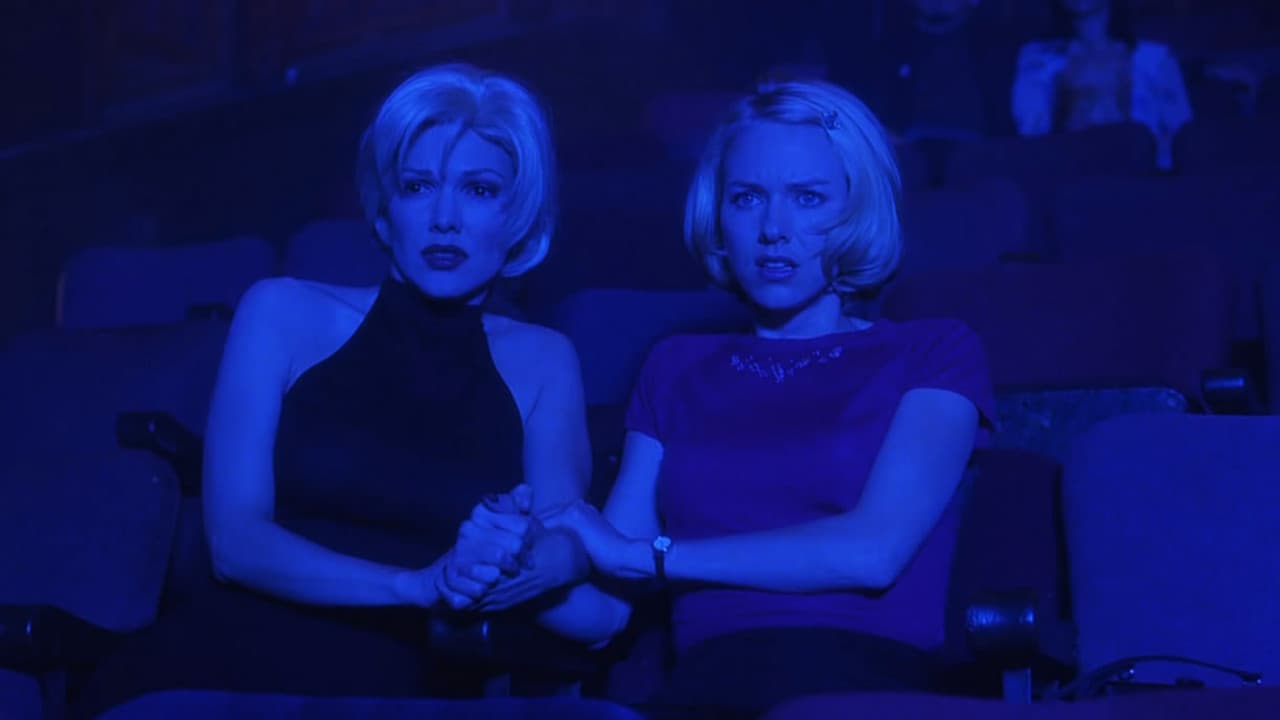
Naomi Watts used the biggest night of her European festival calendar to honor the man who, in her words, changed the course of her career. Accepting the Donostia Award at the San Sebastian Film Festival on Friday, the British-born actress dedicated the honor to David Lynch, the director who cast her in 2001's "Mulholland Drive" and, in doing so, turned a struggling young performer into a movie star.
"I miss you," Watts said from the stage, addressing Lynch directly. The director died in January 2025 at the age of 78. Watts, 57, has spoken often in the years since about the debt she owes him, but Friday's tribute carried the weight of a career-capping prize delivered in front of an audience that included festival brass and longtime collaborators.
The Donostia Award is San Sebastian's highest honor, given annually to figures whose bodies of work have left a durable mark on cinema. Watts joins a list of past recipients that reads like a who's who of international film. Organizers praised her range across independent drama, studio horror, and prestige television, a span that began in earnest with her breakout role as Betty Elms.
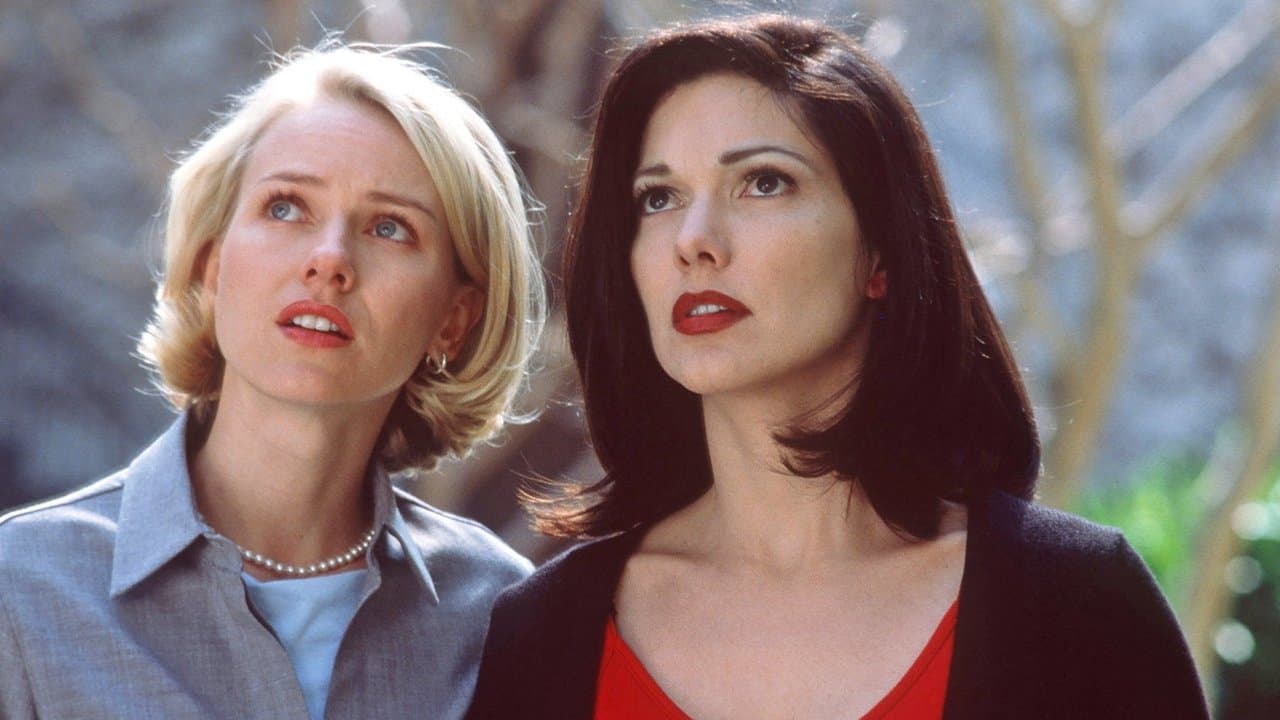
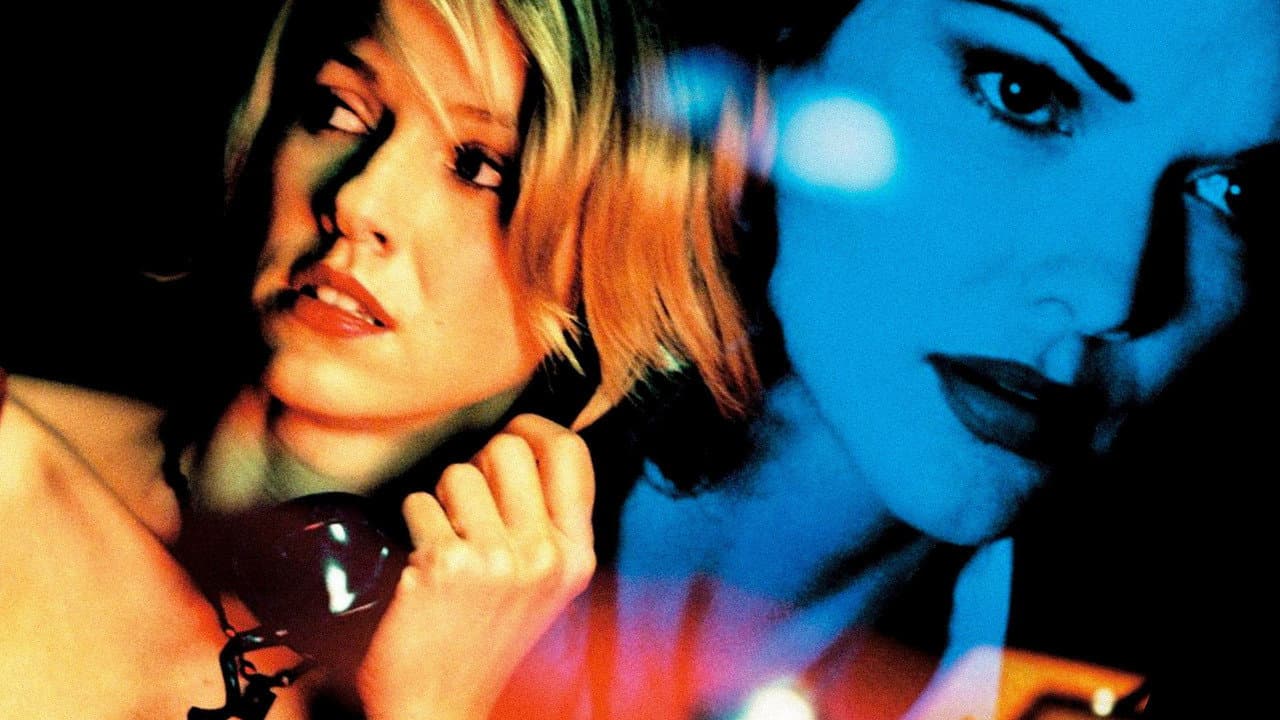
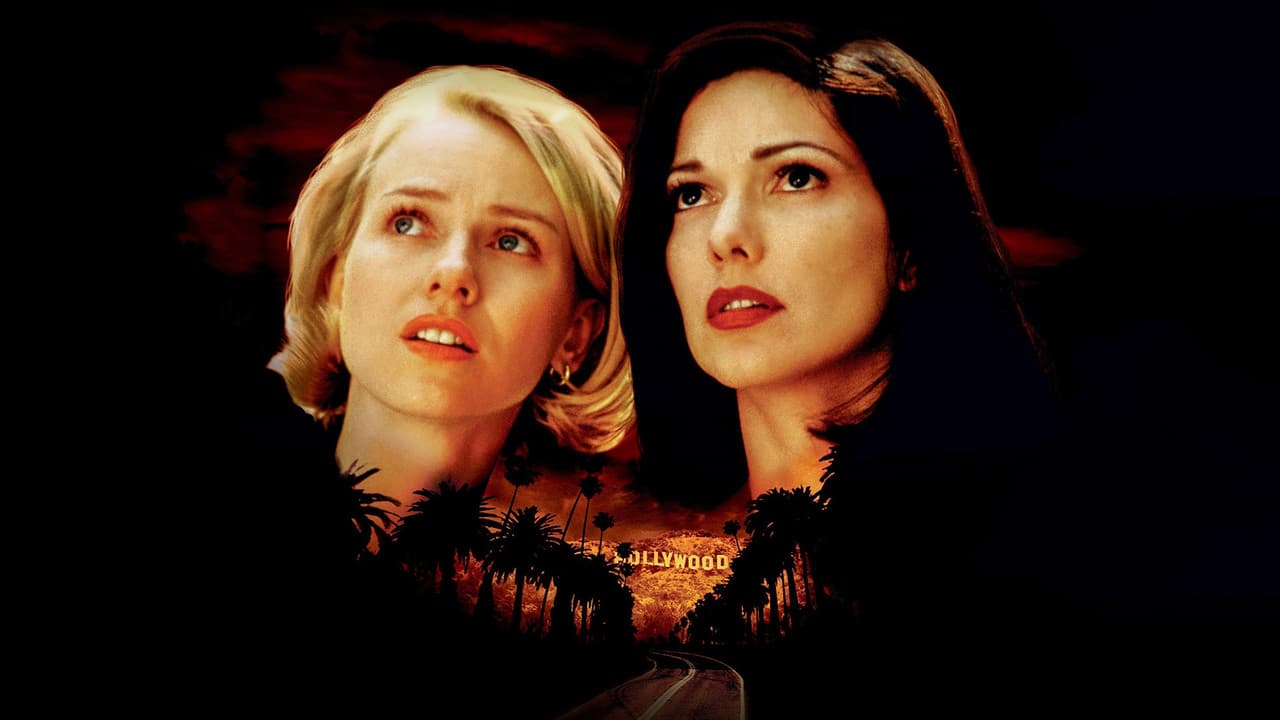
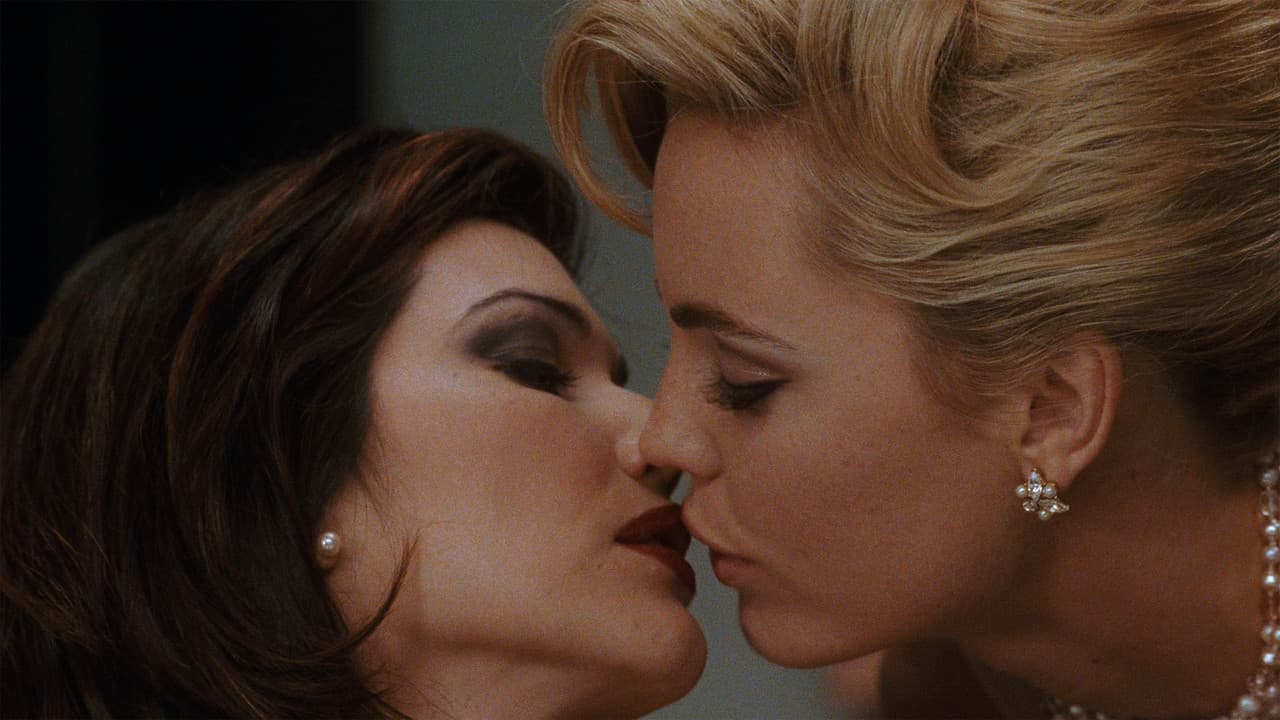
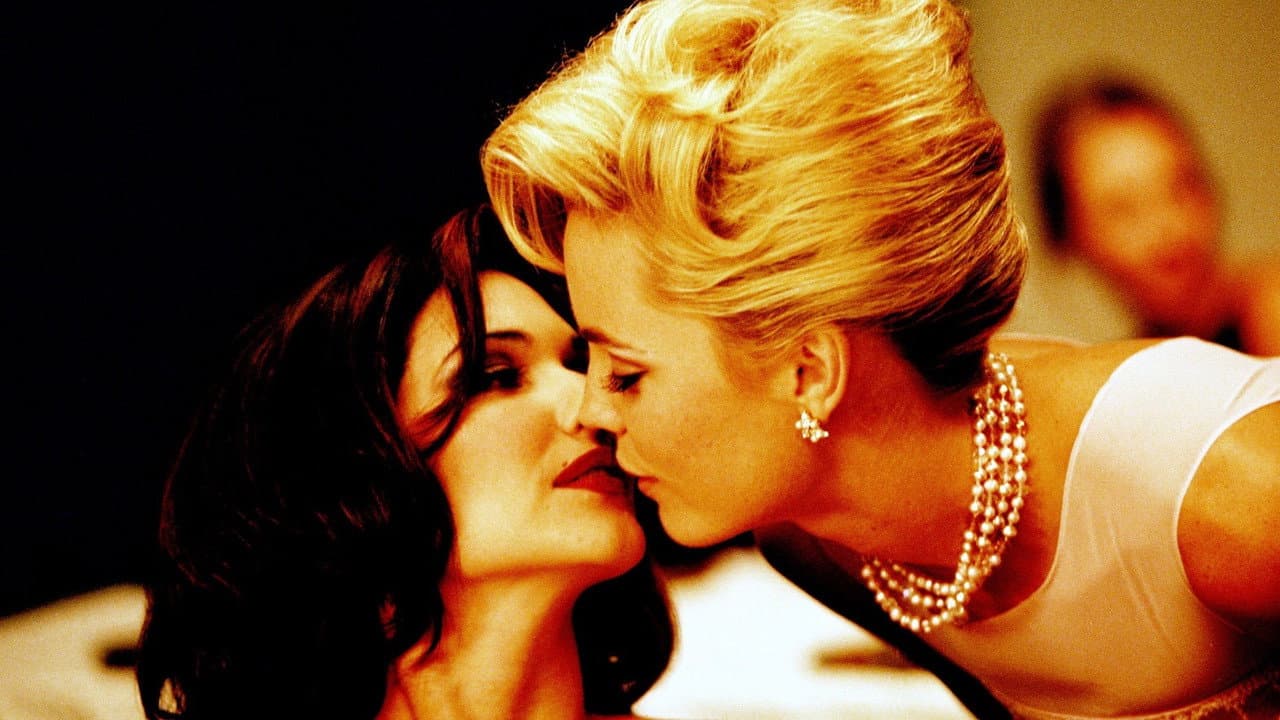
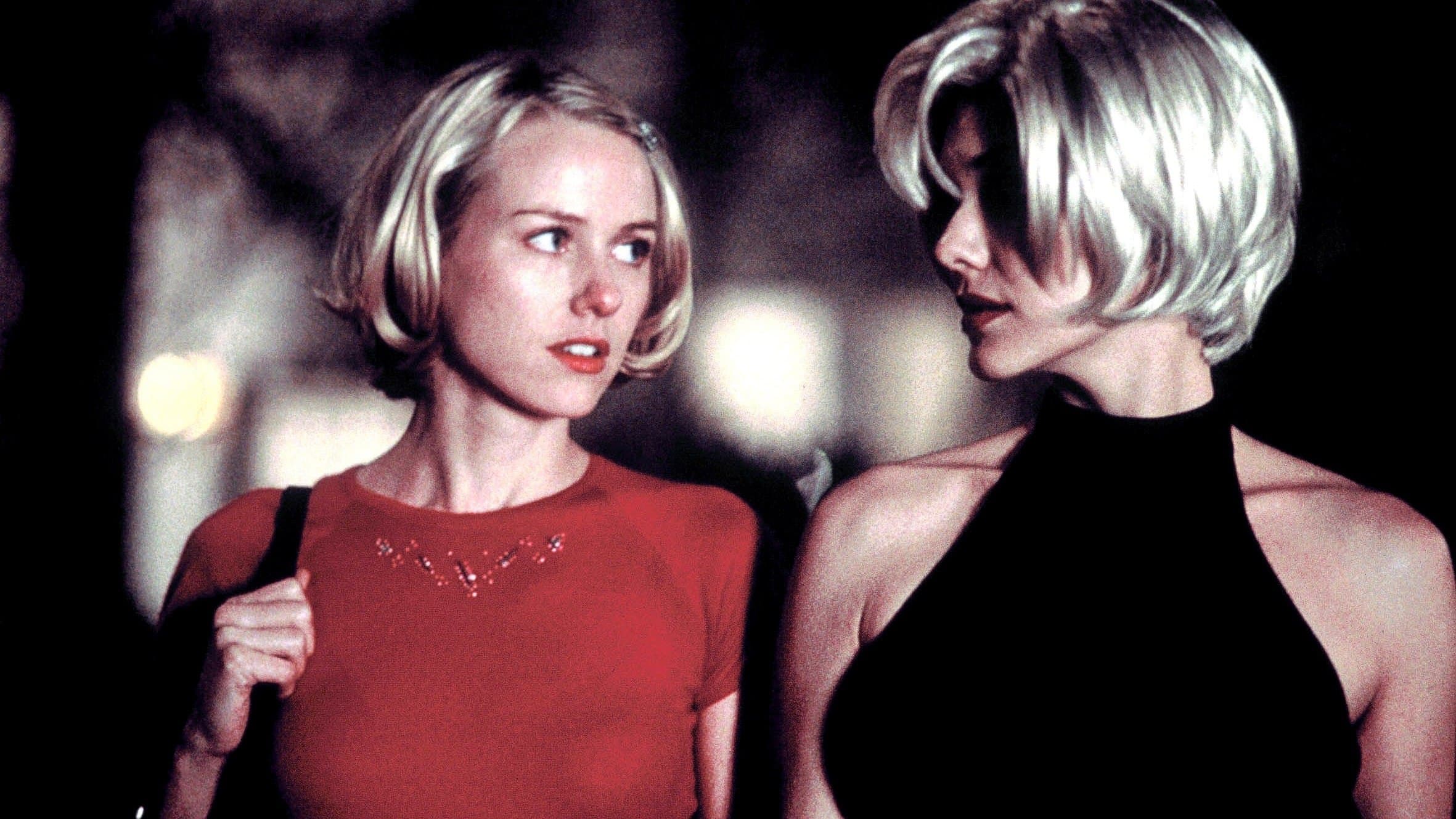
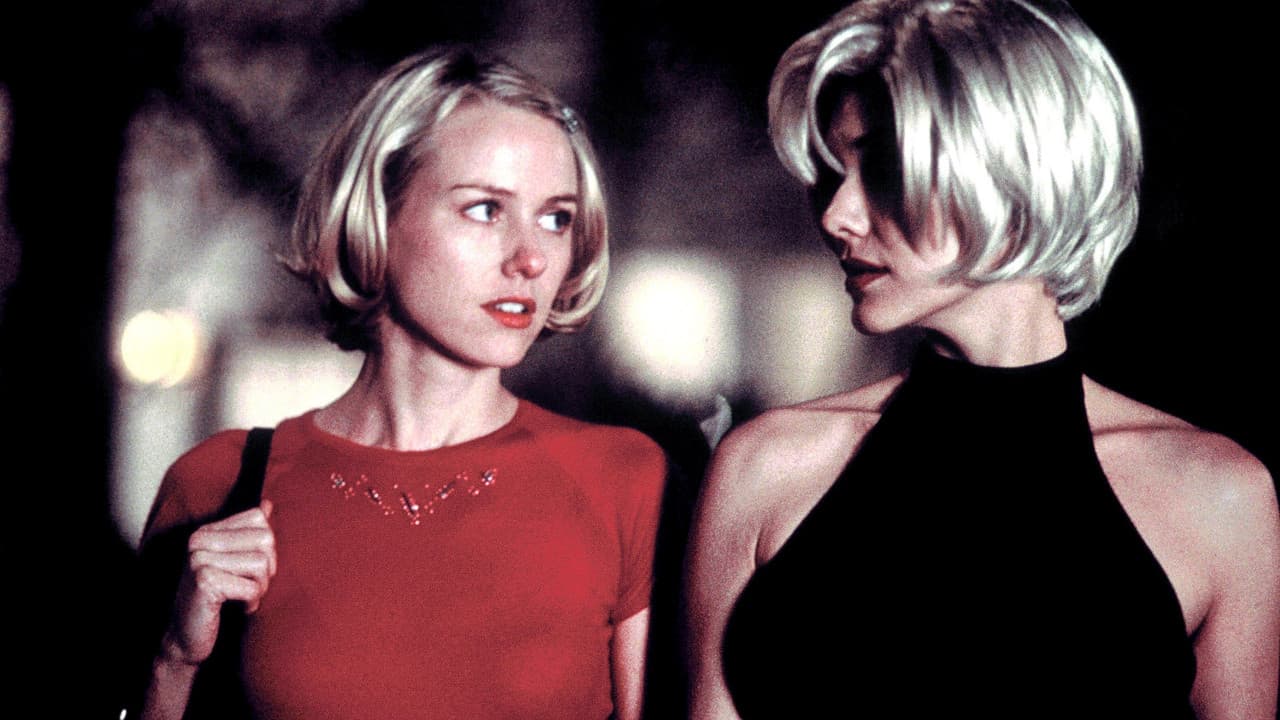
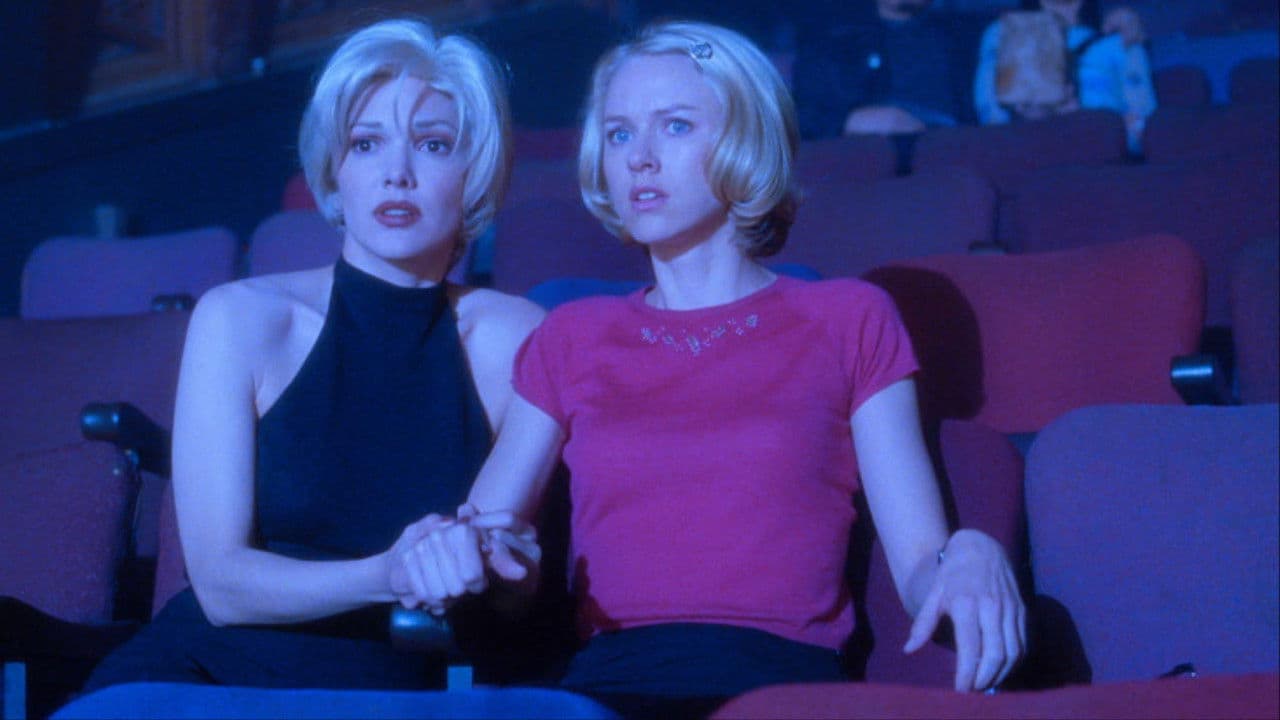
That role remains the hinge on which her reputation turns. In "Mulholland Drive," Watts plays Betty, a blonde ingenue fresh off the bus and hungry for stardom in Los Angeles. She quickly befriends Rita (Laura Harring), a dark-haired woman who has lost her memory after a car wreck on the winding road above the city. The two set out to piece together Rita's identity, a search that pulls them into a dreamlike Los Angeles of casting couches, shadowy financiers, and a director named Adam Kesher (Justin Theroux) whose latest project is being hijacked by forces he cannot see.
The film runs 147 minutes and blends thriller, drama, and mystery into something closer to a waking dream than a conventional narrative. It opened on June 6, 2001, and holds a 7.8 rating on TMDb. Its ensemble also includes Ann Miller as Coco, Mark Pellegrino as Joe, Robert Forster as Detective McKnight, Dan Hedaya as Vincenzo Castigliane, and the late composer Angelo Badalamenti, a Lynch mainstay, as Luigi Castigliane.
For Watts, the part was a breakthrough after years of near-misses and small roles. She has said repeatedly that Lynch saw something in her that others had not, and that the film's reception reshaped what she believed possible for her career.
A Festival Looking Backward and Forward
San Sebastian's decision to fete Watts fits a pattern at this year's edition, where established auteurs and mid-career stars share space with first-time directors. The festival has long used the Donostia Award as both a celebration and a shorthand: here is a performer whose filmography can be argued about, admired, and revisited.
Watts's filmography gives programmers plenty to work with. She earned Academy Award nominations for "21 Grams" and for "The Impossible," and drew acclaim for her work in "Mulholland Drive" itself and later in "Eastern Promises" and "Birdman." On television she anchored two seasons of "Gypsy" and appeared in "Twin Peaks: The Return," which reunited her with Lynch for a brief but memorable turn.
Her decision to center Lynch in her acceptance speech was not a surprise to anyone who has followed her press rounds. What gave it force was the timing: more than a year after his death, and at a festival that has spent decades championing the kind of auteur-driven cinema Lynch embodied.
A Film That Keeps Rewriting Its Own Reputation
"Mulholland Drive" began life as a television pilot and was reconceived as a feature after the network passed. That origin story has become part of its legend, as has the film's refusal to resolve neatly. Critics initially puzzled over its structure; over time it landed on best-of-the-decade lists and is now routinely described as one of the defining American films of its era, a Hollywood noir that doubles as a nightmare about Hollywood itself.
Watts has never been far from the conversation about it. In interviews she has described shooting the film as both liberating and disorienting, and has credited Lynch with trusting her to carry scenes that demanded abrupt shifts in tone. The Donostia statuette is, in a sense, a belated receipt for that trust.
She closed her remarks Friday by thanking the festival and, again, invoking Lynch by name. For an actress whose signature role arrived twenty-five years ago on a road with no clear exit, the moment underscored a straightforward fact: the movie that made her also keeps making her, one award season at a time.
Source: Hollywood Reporter