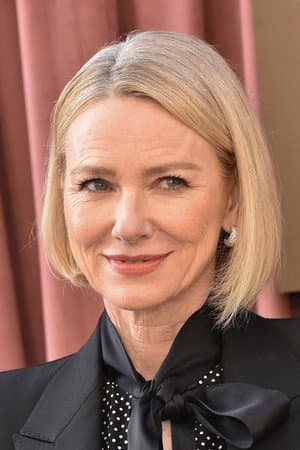
Naomi Watts isn't shy about crediting the person who has stood beside her through one of the more personal chapters of her public life. The actress has spent years speaking candidly about menopause, pushing back against the silence and stigma that still surround it, and this week she made clear that her husband, Billy Crudup, has been an enthusiastic partner in that work. In remarks that quickly circulated online, Watts described his support in characteristically warm terms - calling it, in her words, "so sweet - and sexy."
The line lands because it captures something Watts has argued repeatedly: that menopause isn't a private shame to be managed quietly but a life stage deserving of candor and even a little swagger. Crudup, she suggested, treats her advocacy not as a distraction from their marriage but as part of what draws him to her. The admission is small, but it reflects a larger shift in how one of Hollywood's more private couples has chosen to handle a subject the industry historically avoided.
Watts has been one of the most visible figures pushing that conversation forward. She has lobbied for more research funding, more honest storytelling, and better workplace understanding around perimenopause and menopause, arguing that women are routinely left to figure out symptoms and treatments on their own. Her message has consistently been that the silence isn't neutral - it has consequences for careers, health, and relationships.
That makes Crudup's role notable. He isn't simply tolerating his wife's activism; according to Watts, he actively backs it, which is precisely the kind of partnership she has urged other couples to build. Support at home, her comments imply, makes it easier to carry the argument into public.
There's also something pointed in Watts' phrasing. By pairing "sweet" with "sexy," she quietly dismantles the assumption that menopause marks the end of a woman's desirability. It's a framing she has returned to before: that visibility and vitality don't expire on a calendar. Her compliment to Crudup doubles as a statement - that a partner who embraces this stage of life is not being noble, but attractive.
The couple has kept their relationship largely out of the spotlight, which gives moments like this extra weight. Watts' willingness to speak openly about how the two of them navigate this chapter fits the broader pattern of her advocacy: treating a subject once whispered about as ordinary, discussable, and even romantic.
For Hollywood, the practical implications are real. An industry that has long undervalued women past a certain age has begun, slowly, to acknowledge that the demographic it ignores is also the one buying tickets, greenlighting projects, and running studios. Watts is not the only star making that case, but she may be among the most consistent.
Her endorsement of Crudup also arrives at a moment when public conversation about caregiving and partnership is unusually loud. Audiences have shown appetite for stories about marriages that function as genuine collaborations. Watts and Crudup, at least in her telling, offer a version of that - one in which a husband's support is both practical and, apparently, a point of pride.
There's a marketing logic here too, whether intended or not. Stars who speak personally tend to be heard differently than those delivering polished talking points. Watts' remarks carry the texture of something said off the cuff, which is part of why they traveled. That kind of authenticity is difficult to manufacture and valuable when it happens.
Whether Crudup will say anything publicly about the compliment remains unclear; neither has a history of turning their marriage into content. For now, the sound bite stands on its own. Watts has spent years insisting that menopause deserves better than silence. This week, she offered proof that the conversation can include affection, humor, and heat - and that the person beside her is glad to be part of it.
Source: Hollywood Reporter