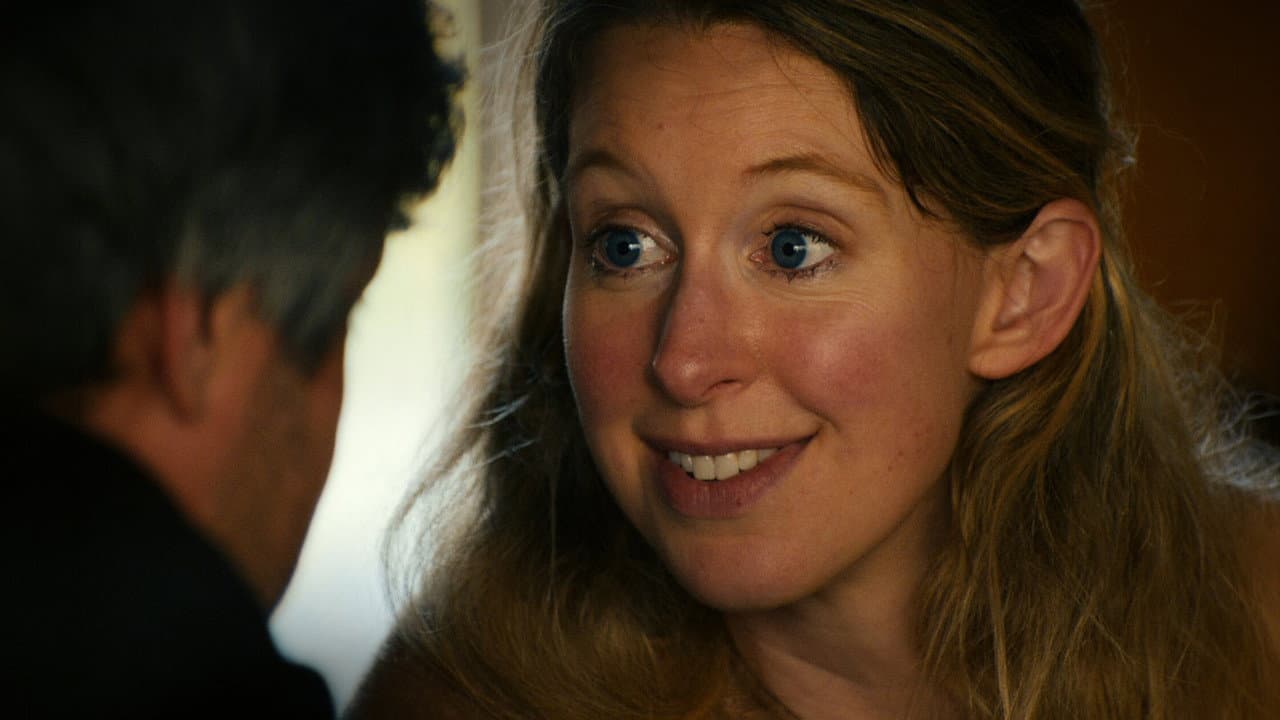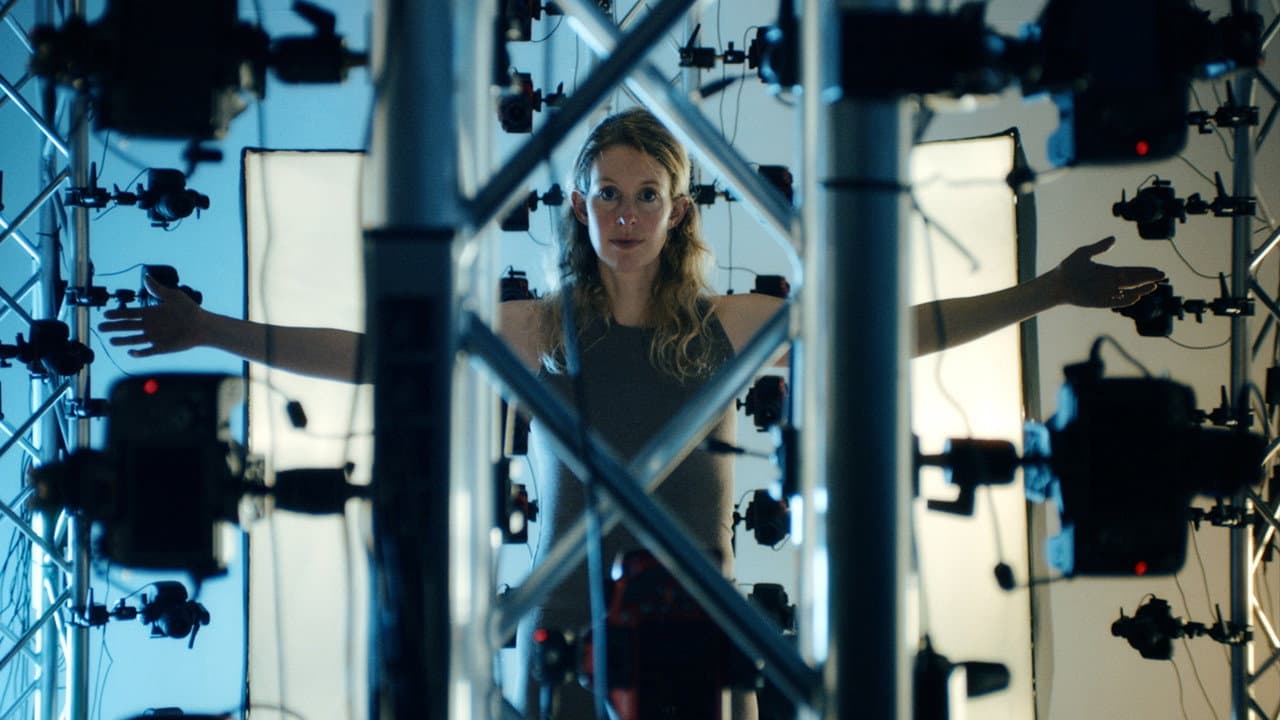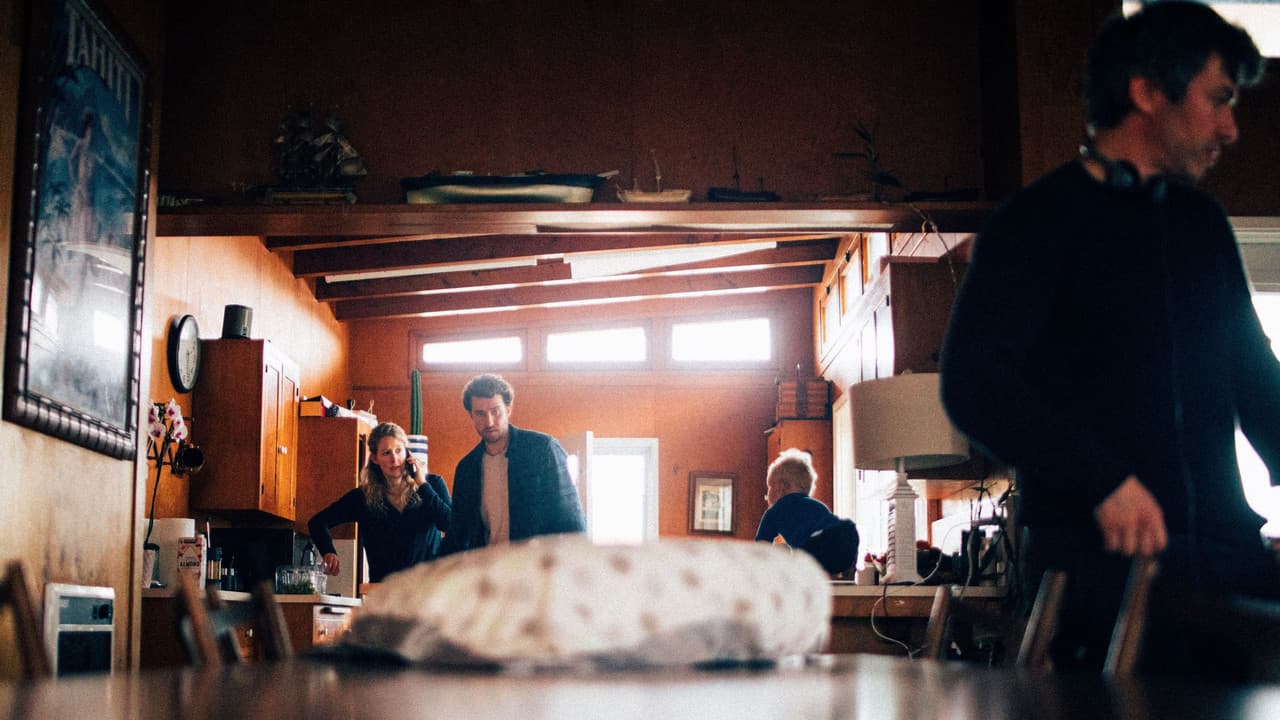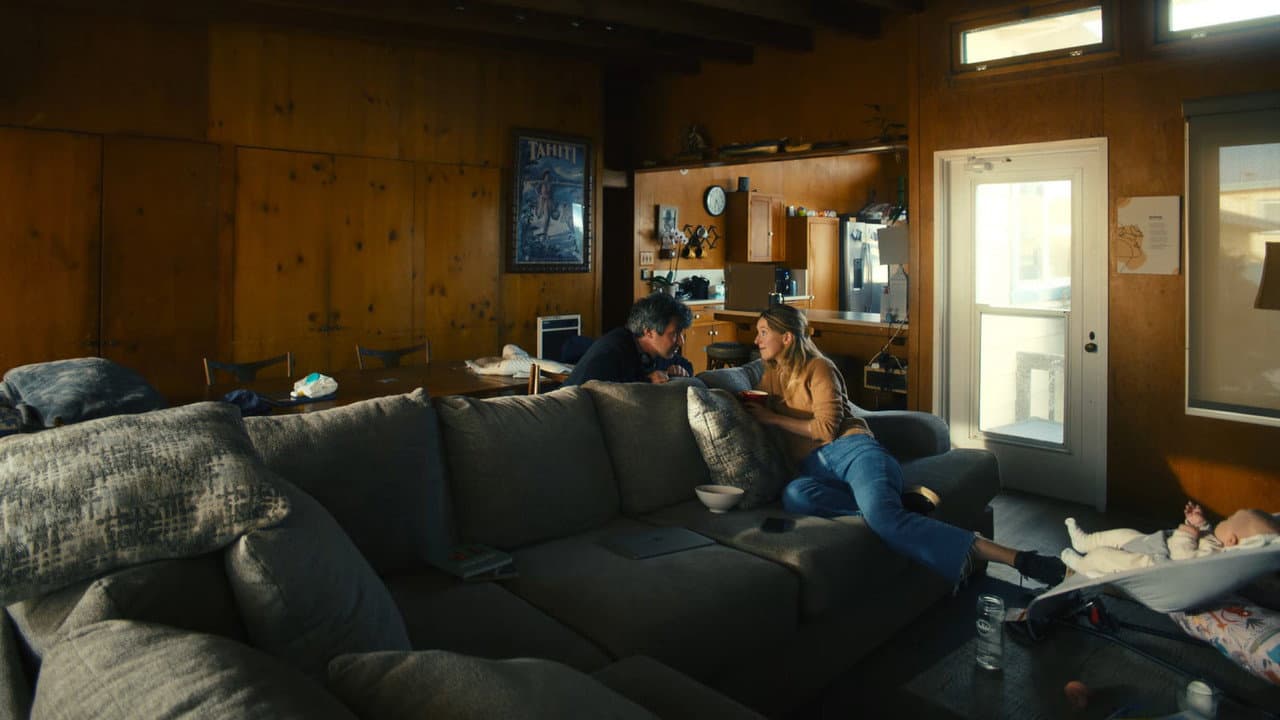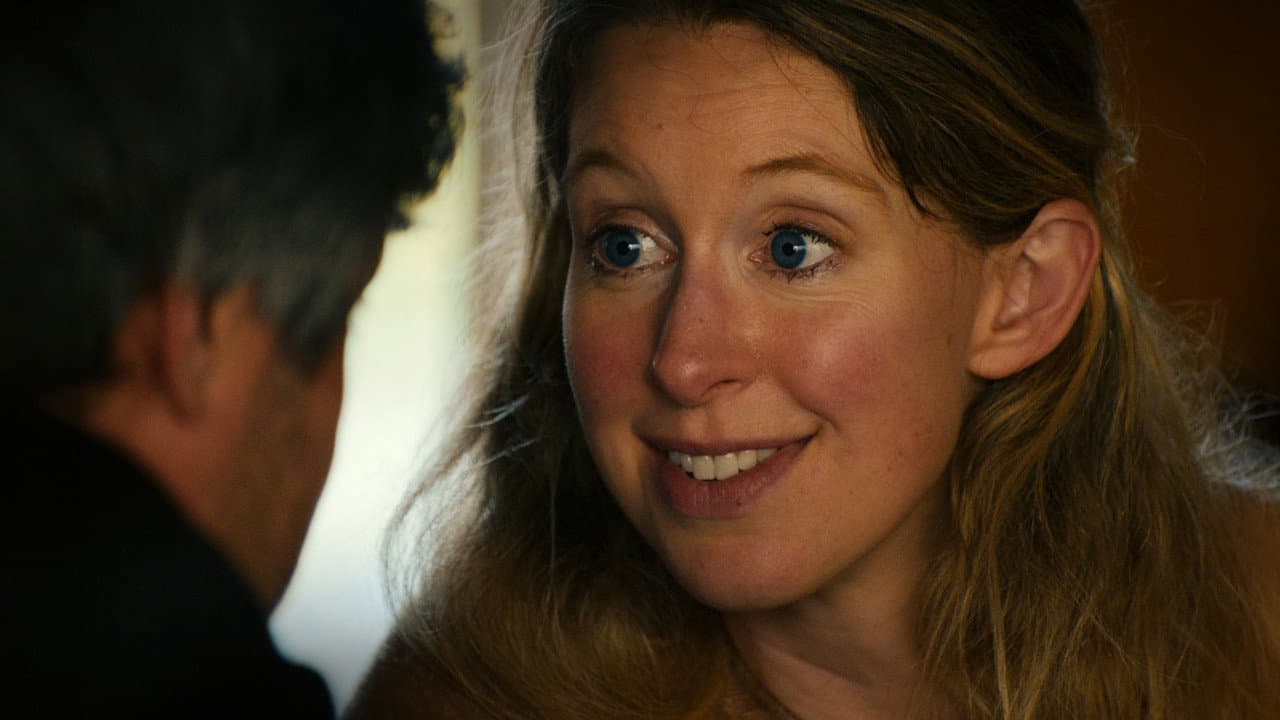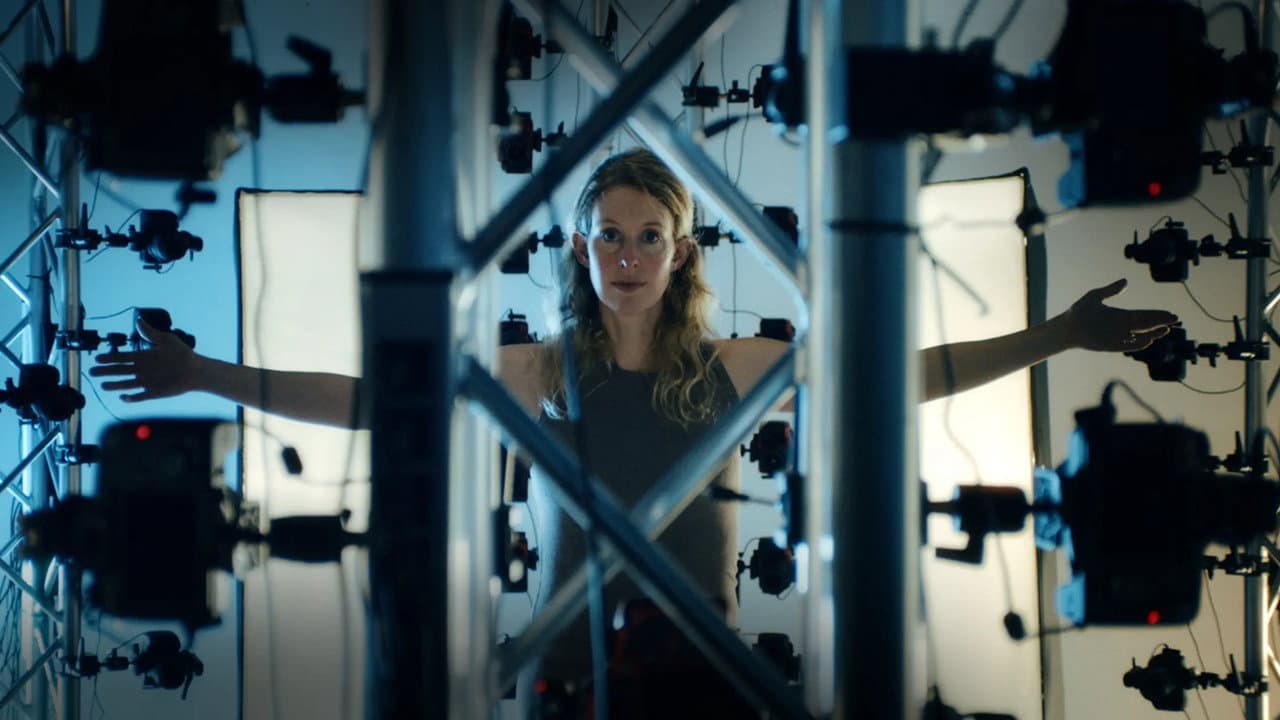
Nathan Fielder's documentary "You Can See Everything" arrived in theaters on October 16, and within days it has become the most talked-about nonfiction release of the fall. The film follows Elizabeth Holmes, the disgraced Silicon Valley founder, during the thirty-four days before she was due to report to prison, after she invited a skeptical camera crew to record her every move. What the director originally pitched as an intimate portrait of a notorious felon instead stretched into a three-year odyssey that the film's own description calls a descent into the abyss. The project carries a hefty 174-minute runtime, and audiences and critics alike appear to be embracing its length rather than resisting it.
A Documentary That Refuses to Sit Still
On paper, the premise sounds like a straightforward access documentary: a camera crew shadowing a famous convict in the final weeks of her freedom. "You Can See Everything" quickly abandons that shape. The film is credited as a documentary and is presented in English, but its three-year timeline and its unusual structural choices have made it a talking point among viewers who expected a conventional true-crime recap. Nathan Fielder, best known for merging deadpan comedy with elaborate social experiments, directs, and he also appears on screen as himself. Holmes is credited as herself, alongside Billy Evans as himself.
The cast list alone signals how far the film drifts from orthodox documentary form. Amanda Seyfried is credited as "Self / Elizabeth Holmes," and Christopher Abbott appears as "Self / Billy Evans," suggesting a layered production in which actors and their real-life counterparts share the frame or the narrative. Also credited as themselves are Lance Oppenheim, Christian Rasmus Holmes IV, Noel Anne, and the director. The result is a film that keeps interrogating its own status as a record of events.
The Scores Suggest Word of Mouth Is Doing the Work
Reception has been strikingly warm for a 174-minute documentary with such an experimental bent. On TMDb, "You Can See Everything" holds an 8.4 rating out of 10, while IMDb users have given it 7.9 out of 10. That gap is modest but telling: the film is playing well with both broad audiences and the more exacting crowd that frequents IMDb. Neither figure comes with a published vote count, so the numbers should be read as a snapshot of early enthusiasm rather than a settled verdict.
What stands out is the appetite. A nearly three-hour documentary about a single founder's pre-prison weeks would normally be a niche proposition. Here, the ratings suggest viewers are treating the film as an event, something to be discussed and argued over rather than passively streamed. That is precisely the reaction a Fielder project tends to provoke.
A Felon, a Filmmaker, and a Camera That Never Blinks
The promotional description frames the movie as an attempt to capture an "enigmatic felon" up close, and then admits that the attempt morphed into something far stranger over three years. That span matters. A film shot across three years cannot be only about the countdown to a prison sentence; it becomes a record of what happens when the countdown ends and the cameras keep rolling.
The credited presence of Holmes's family members and associates, including Christian Rasmus Holmes IV and Billy Evans, points to a production that embedded itself in her circle rather than observing from a distance. And the dual credits for Seyfried and Abbott raise the question of how much of the film is reconstruction, reenactment, or outright provocation. Fielder has built a career on blurring those lines, and "You Can See Everything" appears to push that method into unfamiliar emotional territory.
What the Film Means for the Documentary Form
Hollywood has spent years churning out podcasts, series, and quick-turnaround films about the Theranos collapse. "You Can See Everything" takes a different route. Rather than re-litigating the fraud case, it turns the camera on the act of being filmed, and on what a subject might hope to gain by inviting scrutiny. The three-year arc gives the material an unusual weight: this is not a news-cycle product but a long exposure.
The film's English-language, Hollywood-produced pedigree places it firmly within the mainstream documentary market, yet its structure and its 174-minute length place it at the experimental edge of that market. That combination is rare, and it helps explain why the title has spread so quickly since its October 16 release.
The Bottom Line
"You Can See Everything" is now playing in theaters. With an 8.4 TMDb score and a 7.9 IMDb rating, it has early momentum that most documentaries never see. Whether that momentum holds will depend on whether audiences beyond Fielder's built-in following are willing to commit nearly three hours to a film that deliberately refuses to deliver the story they think they came for. For now, the conversation is the story, and the conversation is loud.
Source: Hollywood Reporter