The Israeli military has issued a formal rebuttal to "NAZA," the documentary from filmmaker Yuval Abraham that has become one of the fall's most talked-about nonfiction releases, calling the film "distorted, misleading and disingenuous." The statement, released this week as the movie continues to draw attention following its September 25 launch, marks an unusually direct confrontation between a national military apparatus and an 80-minute documentary that has been steadily building word of mouth since its debut.
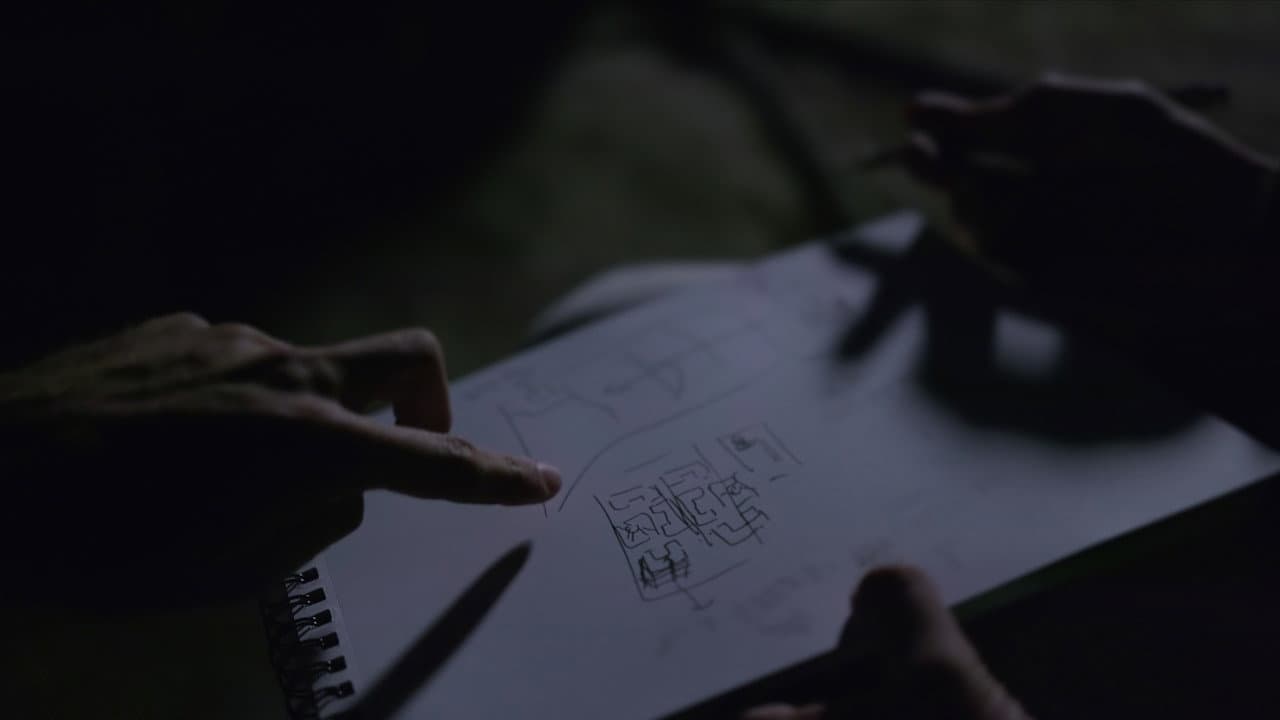
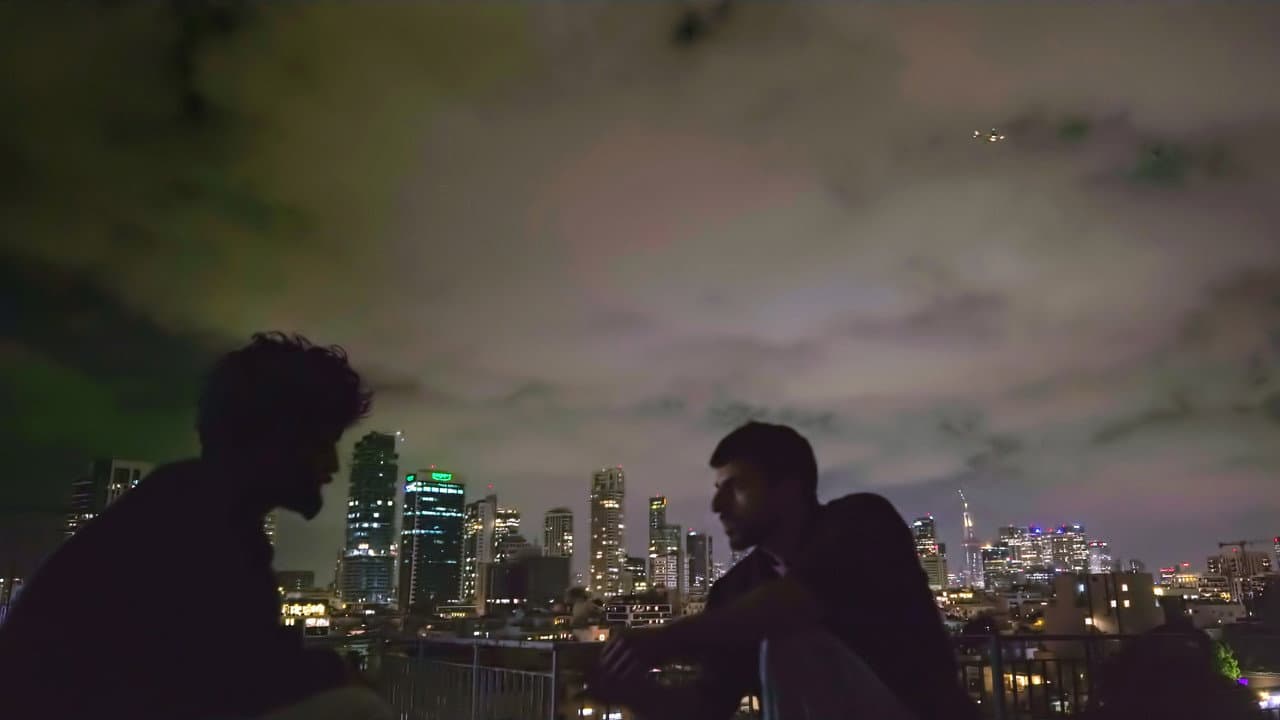
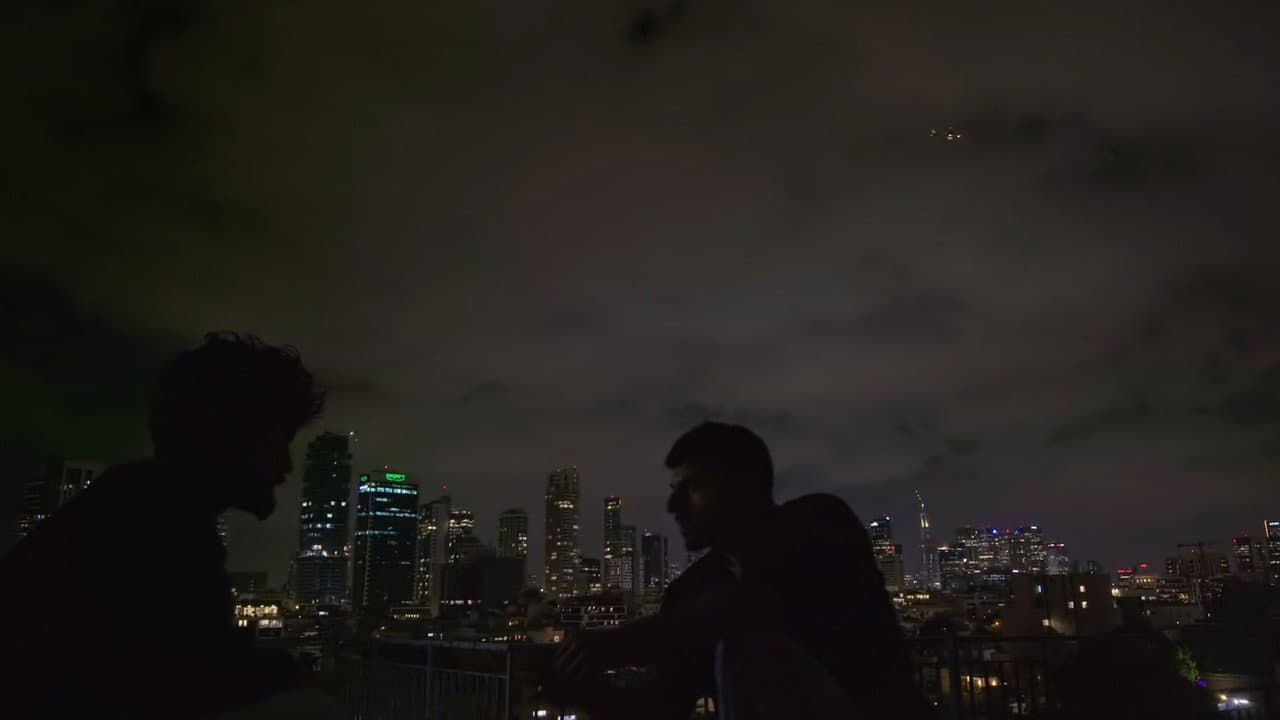
"NAZA," which Abraham also appears in as himself, unfolds largely through nighttime conversations conducted on Tel Aviv rooftops. According to its official synopsis, the film examines the systems behind what it describes as Israel's calculated mass killing of Palestinian civilians in Gaza, using the accounts of the people who designed and operated those systems. It is an English-language documentary produced within the Hollywood industry, and it runs just 80 minutes - a lean runtime for a subject of such enormity.
The film's critical reception has been strong. On TMDb, "NAZA" currently holds a 7.9 rating out of 10, a score that suggests the movie has connected with viewers even as it courts official condemnation. Documentaries that generate this kind of polarized response often see their profiles rise rather than fall, and the IDF's decision to comment publicly on the film has effectively guaranteed it a second wave of media coverage.
A Director Already Familiar With Controversy
Abraham is no stranger to this terrain. His previous documentary work, made in collaboration with Palestinian journalist Basel Adra, won major international prizes and turned the Israeli filmmaker into a prominent voice in debates over the occupation. That background gives "NAZA" a recognizable lineage: it belongs to a tradition of Israeli-made documentaries that turn their cameras inward, using the testimony of insiders to construct an argument about state policy.
What distinguishes "NAZA" is its structural choice. Rather than assembling archival footage or interviewing victims, the film builds its case from the words of participants - the engineers, operators and planners who, in the film's framing, helped construct and run the machinery of civilian harm in Gaza. The rooftop setting gives these conversations a conspiratorial intimacy, a nocturnal atmosphere that the film's supporters describe as central to its power and that its critics presumably view as part of its rhetorical manipulation.
The IDF's denunciation did not, at least in the wording released, engage with specific sequences or interviewees. The three adjectives chosen - distorted, misleading, disingenuous - amount to a broad rejection of the film's premise rather than a point-by-point rebuttal. In practice, that leaves the documentary's factual claims largely uncontested in the public record by the institution it scrutinizes, even as that institution denies the film's overall portrait.
A Different Kind of Release Strategy
"NAZA" arrived on September 25 without the wide theatrical rollout typical of awards-season documentaries. Its ascent has instead been driven by festival buzz, critical attention and the steady drumbeat of political reaction - a pattern familiar from other recent nonfiction films that became news events in their own right. At 80 minutes, the movie is short enough to function as an advocacy tool as much as a piece of cinema, easily programmed for special screenings and discussion panels.
The Hollywood context matters here too. As an English-language production from the American industry, "NAZA" enters a domestic documentary market that has grown increasingly receptive to films about the Israeli-Palestinian conflict, even as such projects face intense pressure from organized campaigns on multiple sides. Distributors and exhibitors weighing whether to book the film now have an additional data point: the Israeli military itself has deemed it worthy of public criticism.
Whether that helps or hurts "NAZA" commercially is an open question. Official condemnations have historically functioned as a form of publicity for documentary films that position themselves as exposés, driving curious viewers toward the very material that authorities would prefer they ignore. The 7.9 rating suggests that those who have found the film are responding to it favorably.
For now, the standoff is set: a filmmaker known for contentious work, a documentary built on insider testimony, and a military that rejects the finished product in the strongest terms available. The argument over "NAZA" is likely to outlast its theatrical window - which, given the subject matter, may be precisely the point.
Source: Hollywood Reporter