The documentary "NAZA" opened in American theaters on September 25, and its arrival has been met with organized opposition from Israeli American groups in Los Angeles, where a screening drew demonstrators who object to how the film portrays their country's military campaign in Gaza. Directed by Yuval Abraham, who also appears on camera as himself, the 77-minute documentary has spent roughly two weeks in U.S. cinemas and currently holds an 8.12 rating on TMDb. Its theatrical rollout marks the latest flashpoint in an ongoing argument over who gets to narrate the war and how that narrative should be received abroad.
The Film and Its Claims
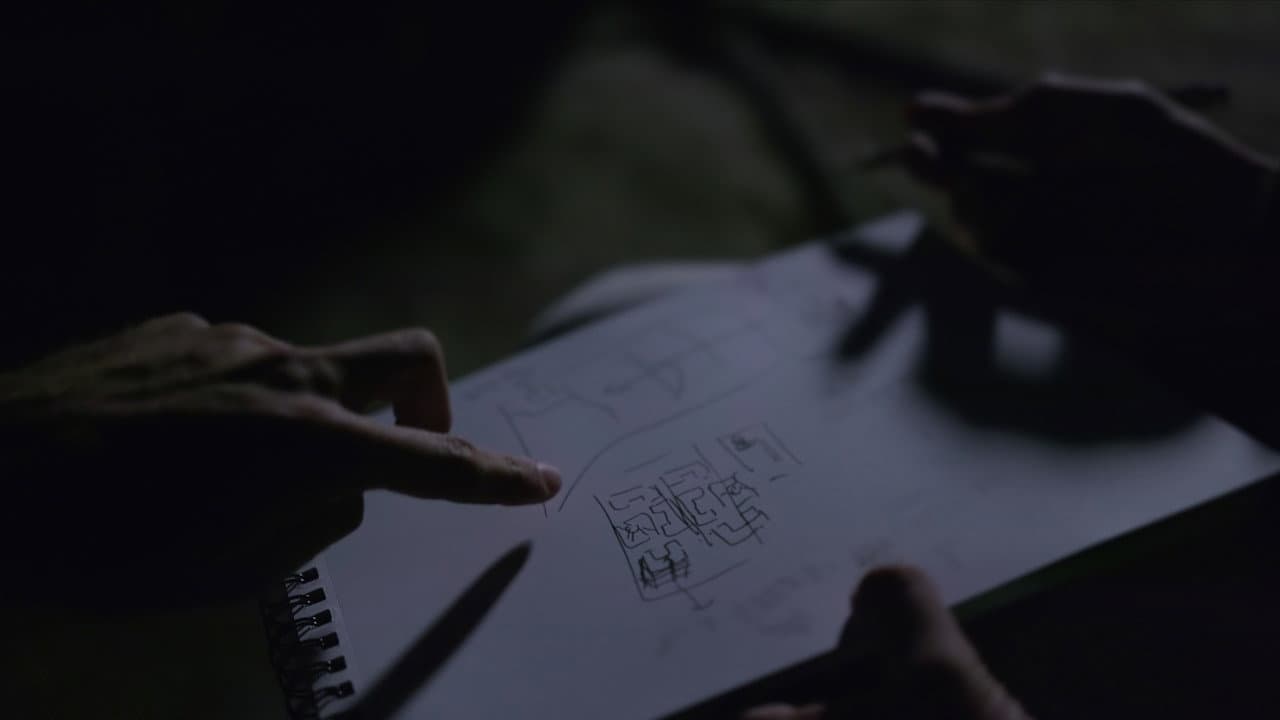
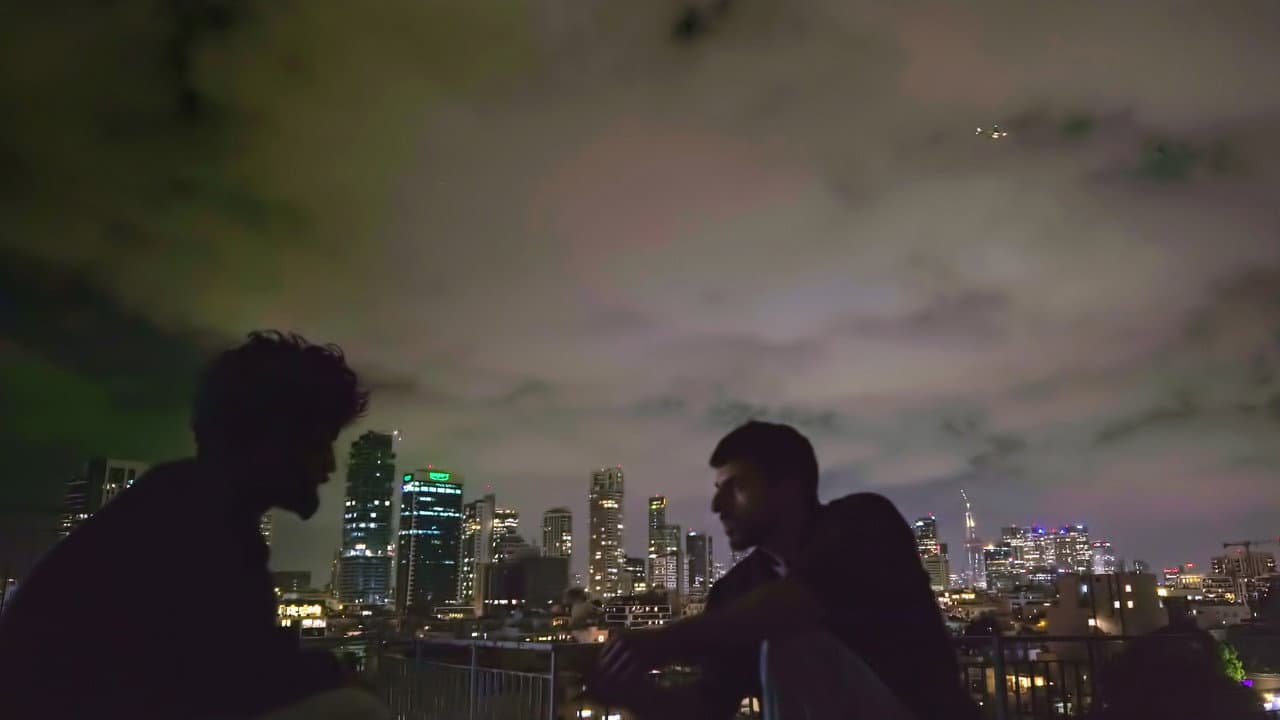
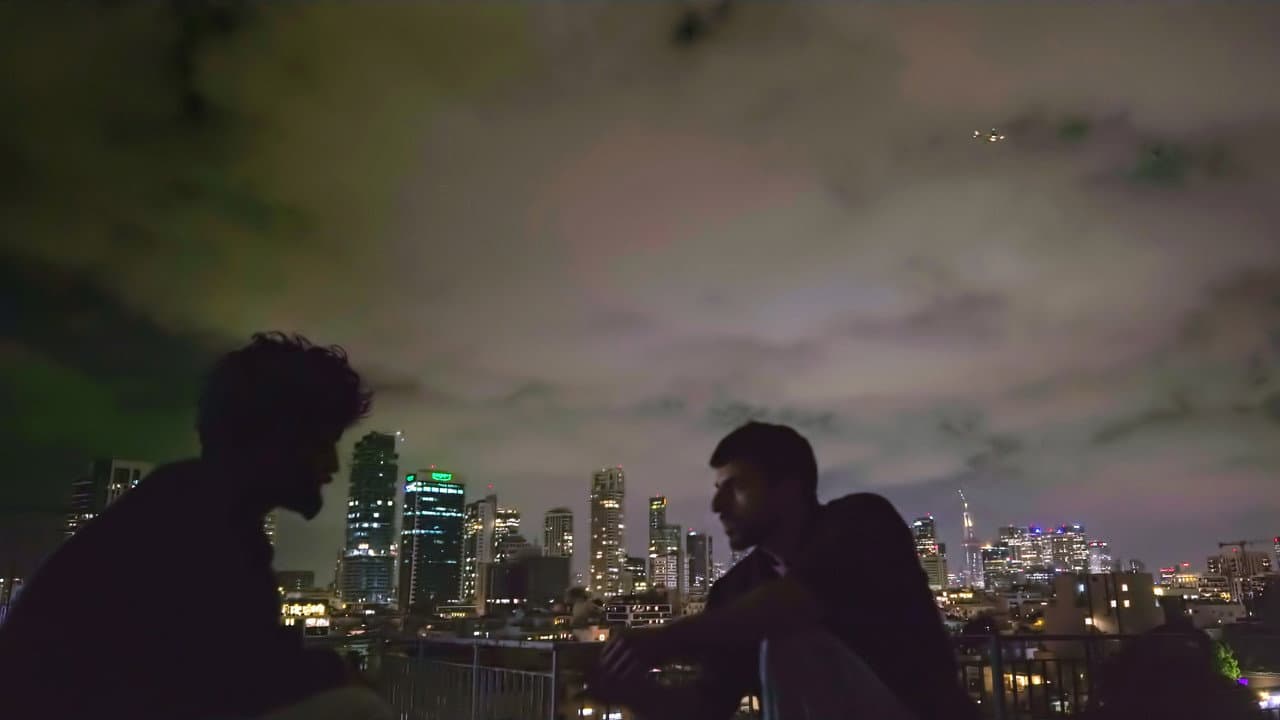
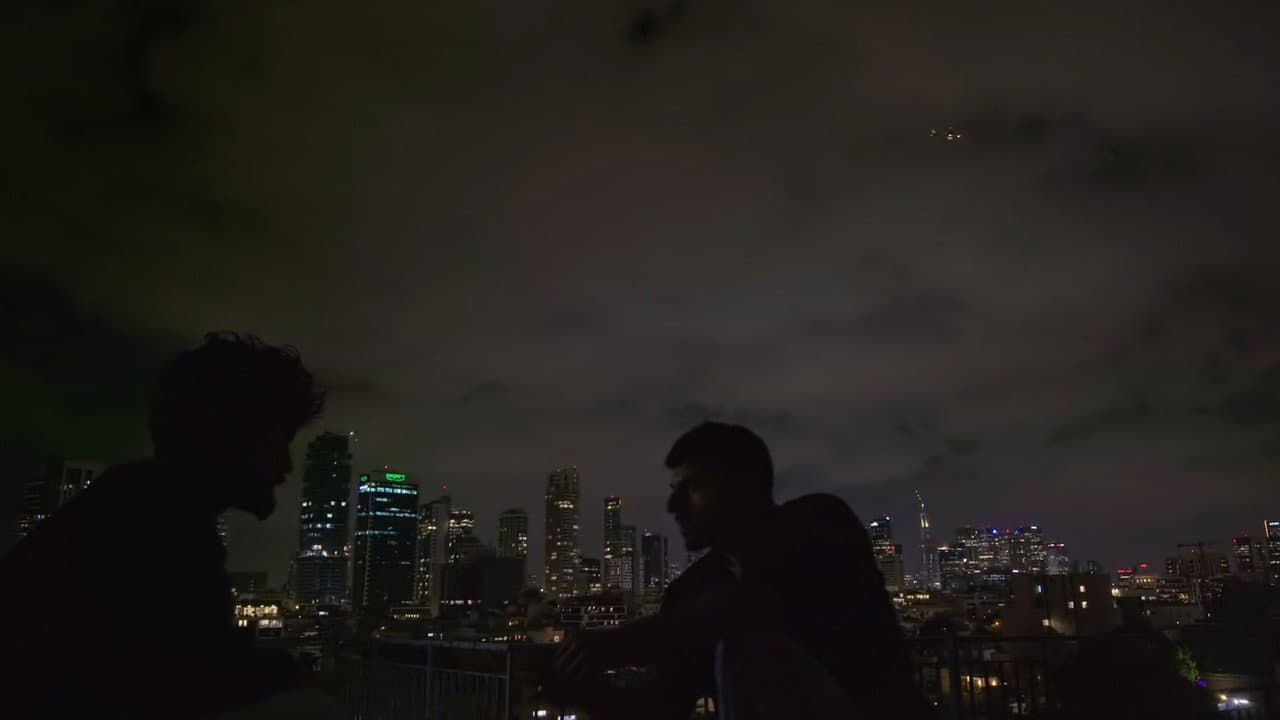
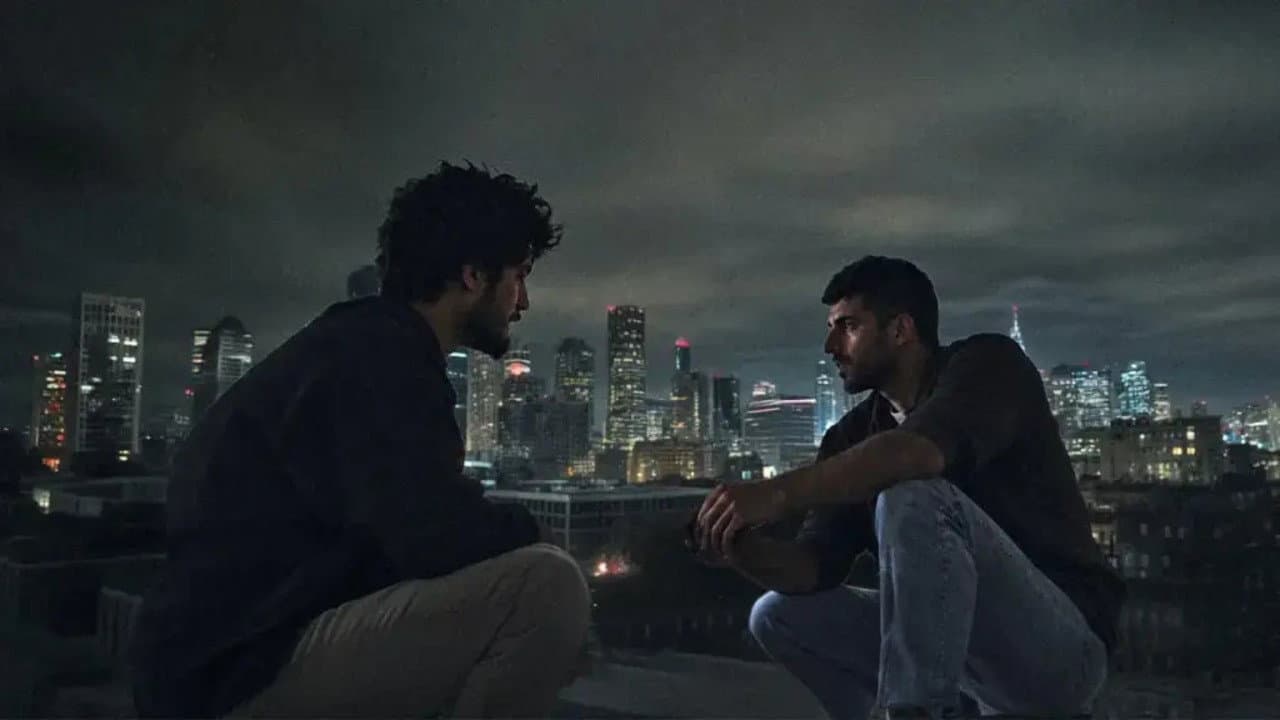
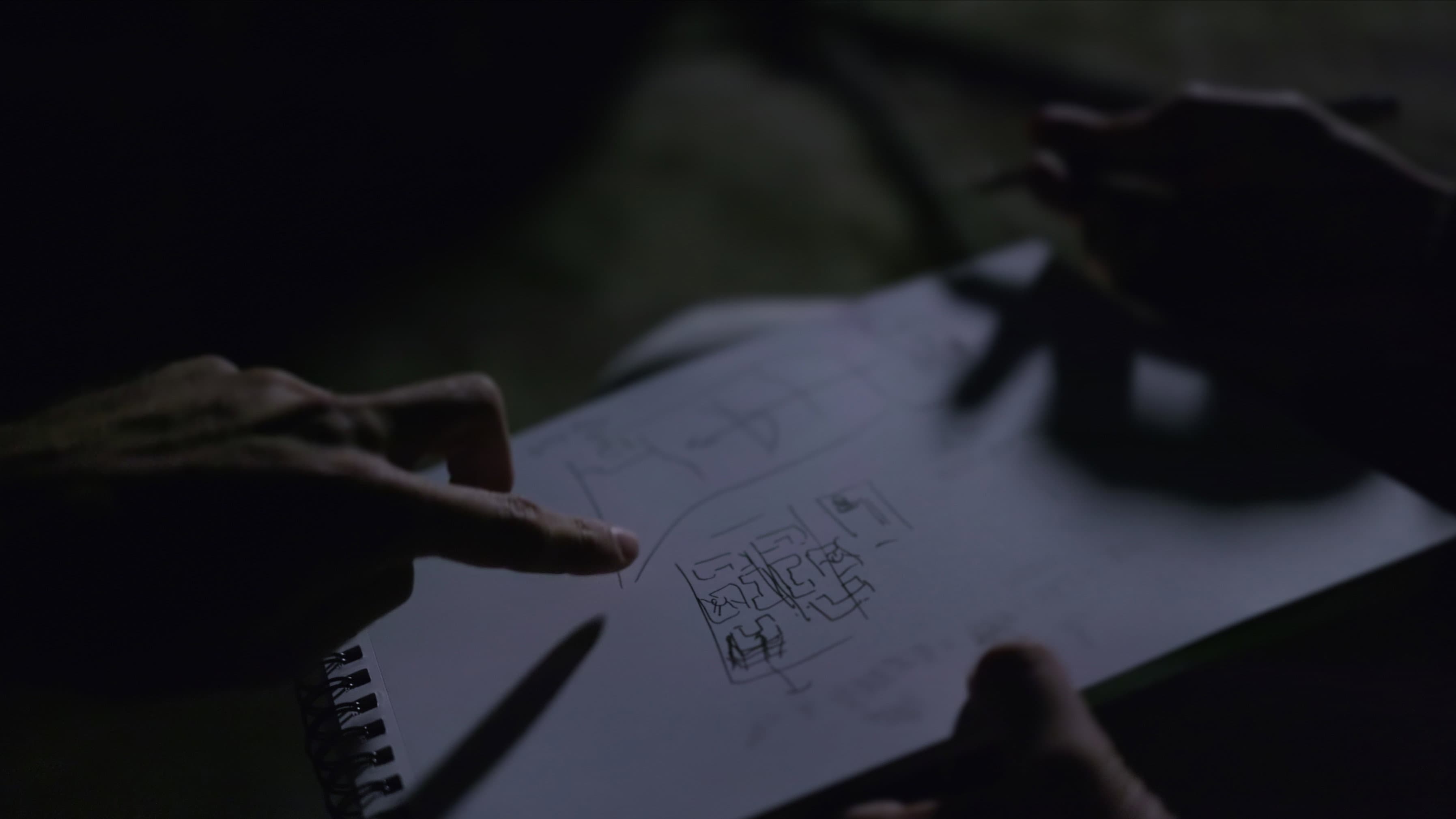
"NAZA" is built around a series of clandestine nighttime meetings on Tel Aviv rooftops, where, according to the film's own description, the systems behind what it calls Israel's calculated mass killing of Palestinian civilians in Gaza are described by the people who designed and operated them. The documentary's English-language production places it within the Hollywood industry pipeline despite its Middle Eastern subject matter, and Abraham's dual role as filmmaker and on-screen participant gives the project an unusually personal texture. At just over an hour and a quarter, the film favors firsthand testimony over archival sweep, letting its interview subjects carry the weight of the argument.
That approach is precisely what has energized the opposition. Critics of the documentary contend that its framing presumes conclusions it has not earned, while its defenders argue that the testimony it collects is the point. The dispute is not confined to the film's content; it has become a referendum on distribution itself, on whether a movie with this particular thesis should be programmed in American cities at all.
Protest at the Los Angeles Screening
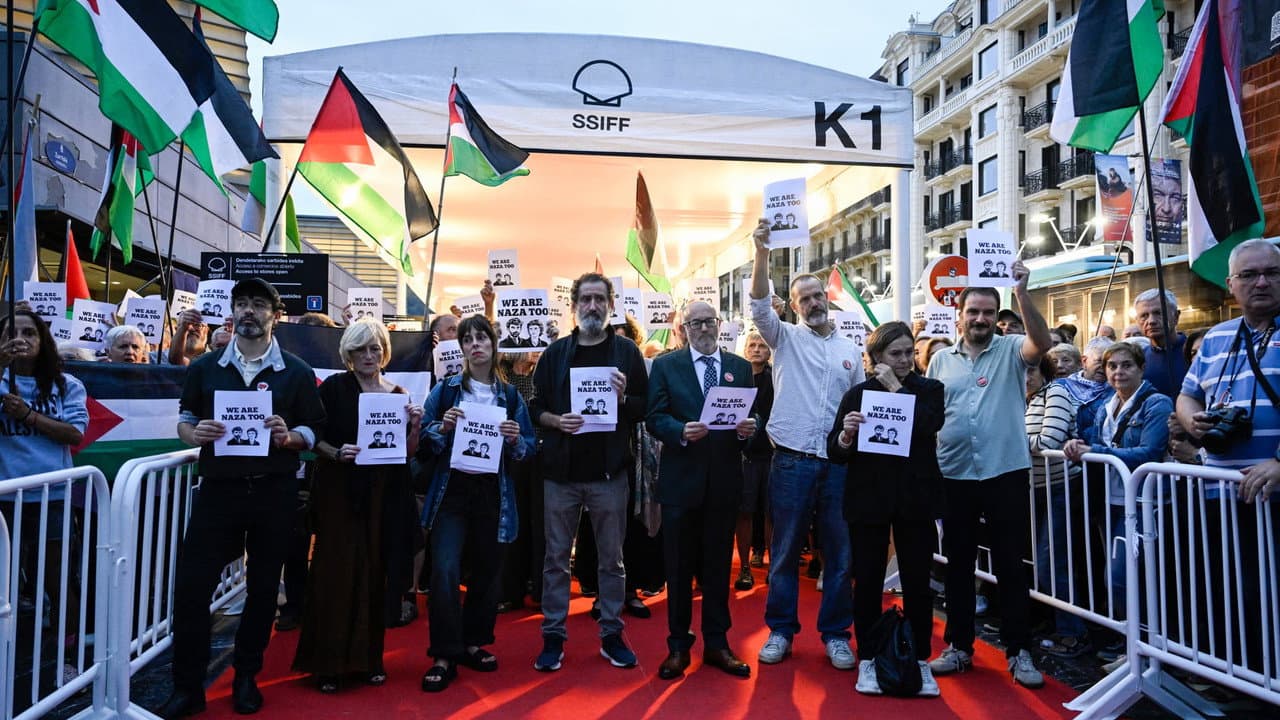
The Los Angeles screening became the focal point of the backlash, with Israeli American protesters gathering outside to voice their objections. Organizers framed their presence as a rejection of a film they say demonizes Israel and flattens a complicated conflict into a prosecutorial brief. No arrests or disruptions inside the venue were reported in the verified information available, and the demonstration remained a public expression of dissent rather than an attempt to shut the screening down.
The choice of Los Angeles as a protest site is not incidental. The city is home to one of the largest Israeli communities outside Israel and serves as the industry's commercial center, meaning a controversy here travels further than it would almost anywhere else. A documentary can open quietly in New York or Chicago and still make national news if Los Angeles decides to pay attention.
Release Strategy and the Theatrical Window
"NAZA" entered U.S. theaters on September 25, 2026, and has been playing for about two weeks. The film's theatrical release, rather than a streaming-first rollout, puts it in a smaller pool of documentaries that still bet on the big screen, where audience reactions are visible and press coverage is easier to generate. For a 77-minute film with a single credited cast member, that strategy depends heavily on word of mouth and on the free media that controversy supplies.
The TMDb rating of 8.12 suggests that viewers who have sought the film out are responding favorably, though such scores reflect a self-selecting audience rather than the general public. The gap between that reception and the anger on display in Los Angeles is the story of the release so far.
A Wider Fight Over Documentary Distribution
The confrontation in Los Angeles fits a broader pattern in which documentary releases become proxy battles over historical memory. Films about the conflict have increasingly been met not only with criticism but with campaigns aimed at venues, sponsors, and festivals, turning a distributor's calendar into a political map.
For "NAZA," the coming weeks will test whether the protests expand to other cities, whether exhibitors hold their ground, and whether the film's testimony reaches viewers beyond those already inclined to seek it out. Abraham's project was designed to circulate; the question now is whether the opposition will end up amplifying it or limiting its reach. Neither outcome is guaranteed, and both are being watched closely by an industry that has learned that in this particular debate, the audience is never only the audience.
Source: Hollywood Reporter