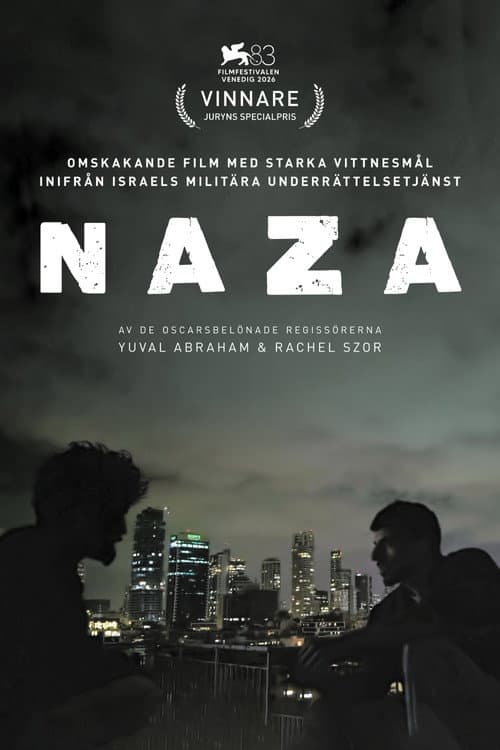
Yuval Abraham's documentary "NAZA" will open in theaters worldwide this weekend, arriving on September 25, 2026 with an unusual distinction for a nonfiction title: a coordinated global rollout rather than the staggered, territory-by-territory pattern that typically greets politically charged documentary work.
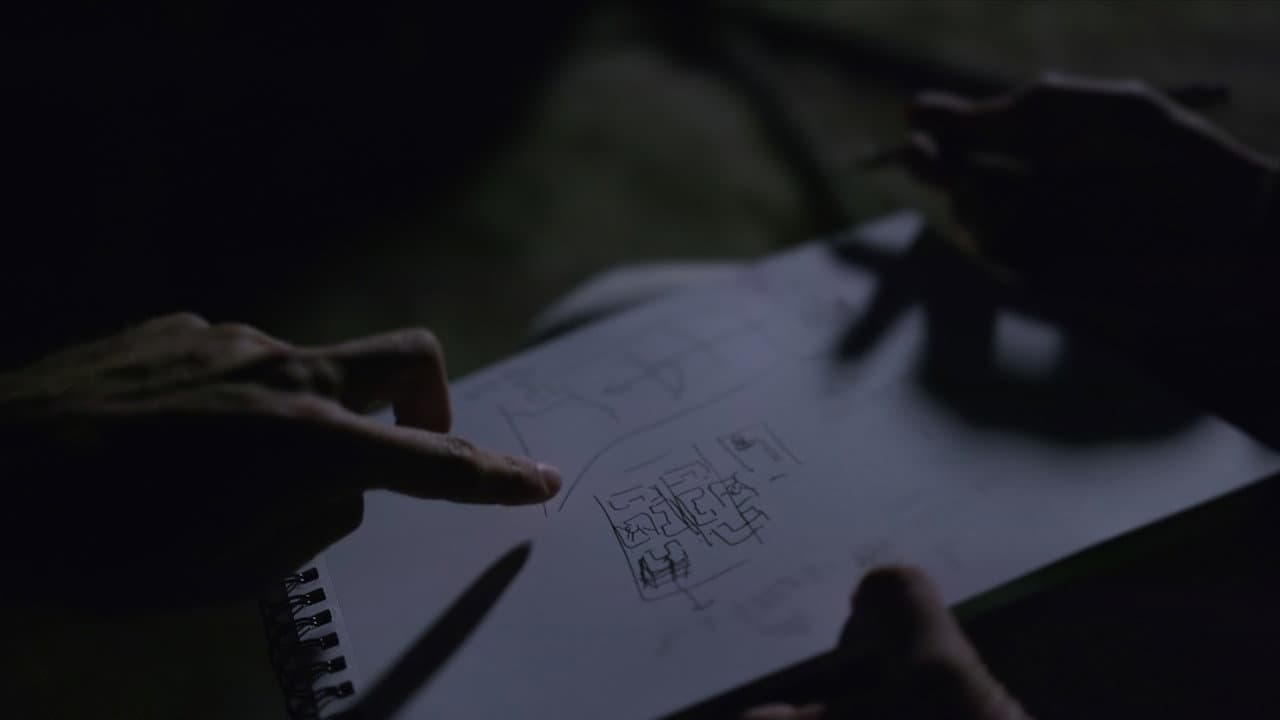
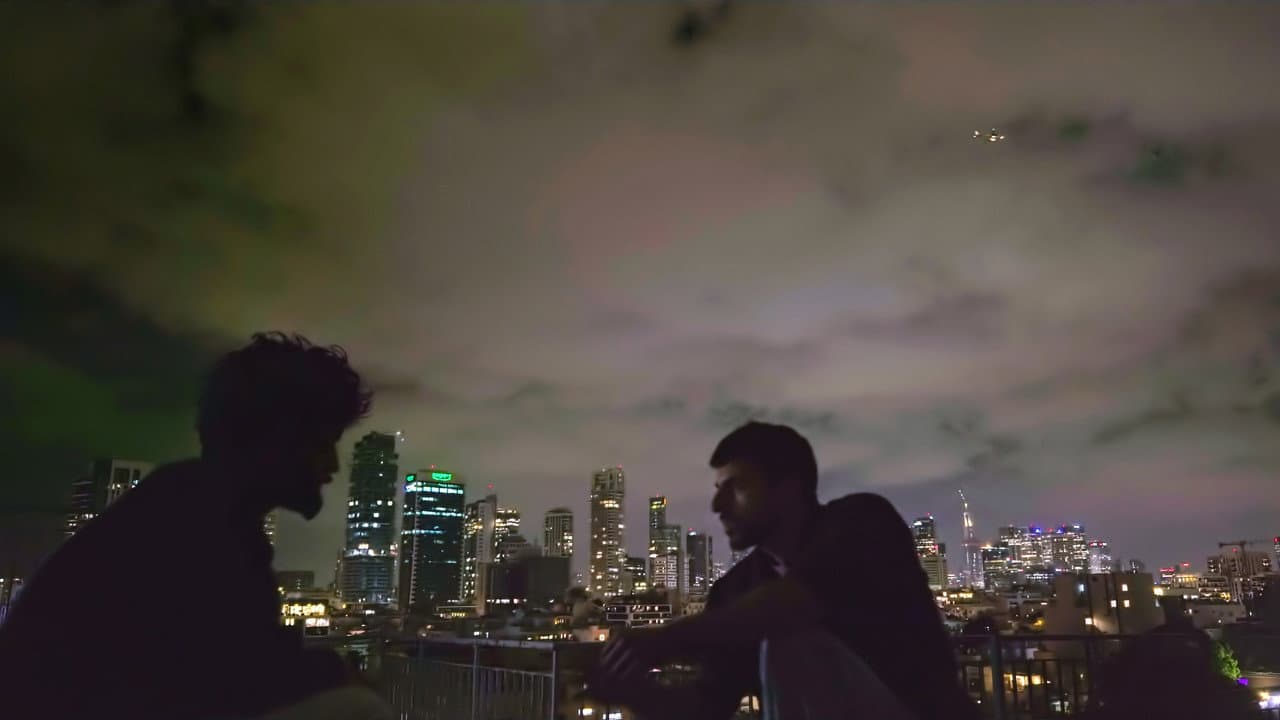
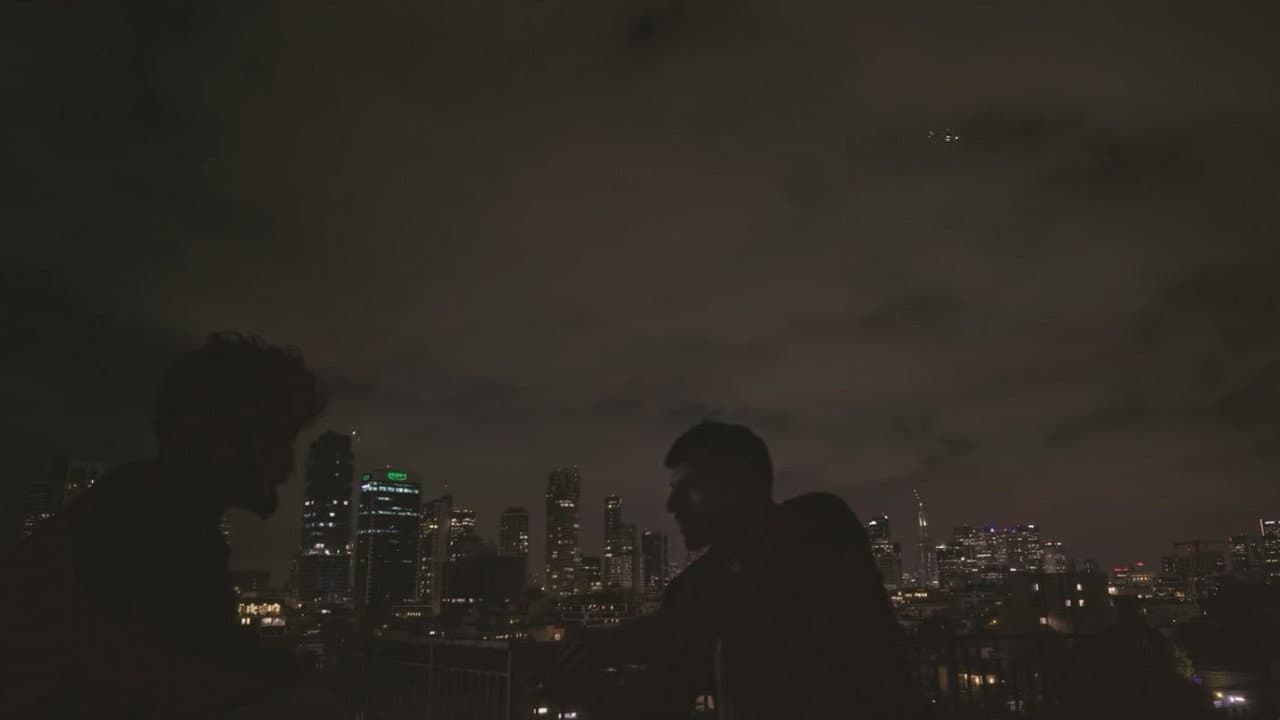
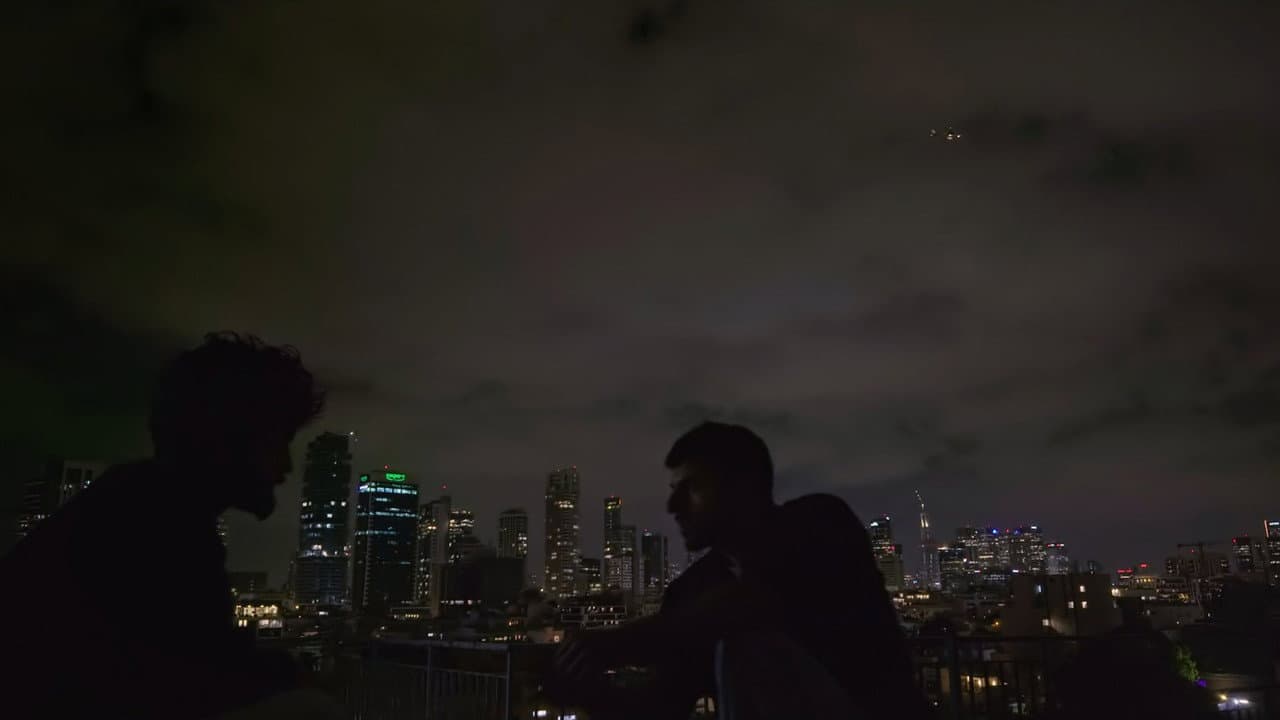
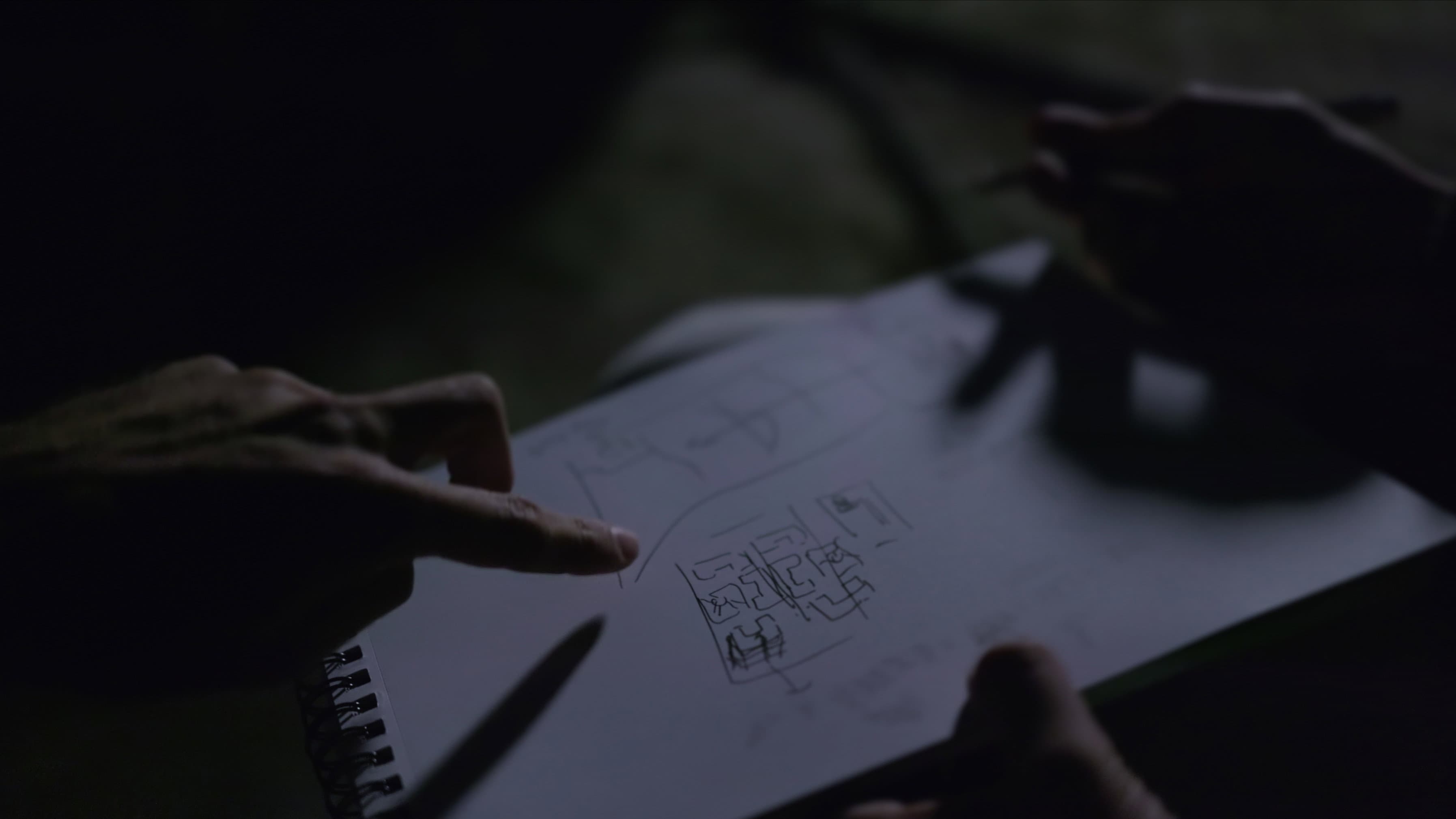
The 80-minute film, which counts as a Hollywood production and is performed entirely in English, centers on a series of nocturnal conversations held on Tel Aviv rooftops in which the people who built and ran the systems behind Israel's mass killing of Palestinian civilians in Gaza describe their own roles in that machinery. Abraham directs and appears on camera as himself, functioning less as a traditional narrator than as the listener who draws those accounts out over the course of several nights.
Distributors have not disclosed how many screens the film will occupy or which markets will receive it first, and no advance box-office projections have been made public. That silence is common for documentaries, but it carries extra weight here given the subject matter, which is likely to provoke strong reactions in cities where the war remains a live political fault line.
A Rooftop Register, and a Different Kind of War Film
"NAZA" belongs to a recent wave of documentaries that trade battlefield imagery for testimony from the people who operate the infrastructure of conflict. The rooftop setting gives the film its structure: conversations conducted at night, away from official settings, in which participants speak with a candor that would be difficult to reproduce in an on-the-record interview.
Abraham's dual role behind and in front of the camera places him inside the film rather than above it. Viewers watch him ask questions, absorb answers and react to what he hears, a technique that has become a signature of first-person documentary work in which the filmmaker's own position becomes part of the story being told.
The subjects are not unnamed sources. According to the film's description, they are the individuals who designed and operated the systems in question, speaking about their own work in their own words. That framing suggests "NAZA" will be judged less on revelation than on the psychology of people describing what they did and how they understood it at the time.
At 80 minutes, the film is short by documentary standards, closer in length to a feature than to the multipart investigative series that often handle comparable material. The compact runtime suggests a tighter, more focused construction than a comprehensive account of the war itself.
Festival-to-Theater Path and an Unrated Metric
The film arrives with no meaningful audience score attached. TMDb lists a rating of 0 out of 10, which for a title days from release reflects the absence of sufficient user votes rather than any verdict on its quality. Ratings on that platform typically remain unformed until a film has circulated widely enough to accumulate responses.
A global theatrical push for a documentary of this kind is a notable choice. Nonfiction films with contentious political subjects often follow a festival-to-streaming route, using limited theatrical runs to qualify for awards consideration before moving to a platform. A simultaneous worldwide release instead puts the film in front of audiences in many countries at once, concentrating attention and, presumably, debate into a single news cycle.
That strategy also leaves less room for the slow build that can accompany a platform release, where word of mouth accumulates over weeks. Whether theatrical crowds turn out for a film built almost entirely from nighttime conversations remains an open question that the weekend will begin to answer.
What the Release Signals
"NAZA" lands at a moment when documentary distributors have grown more willing to treat politically explosive material as an event rather than a niche offering, marketing it with the same urgency as narrative features. The rooftop testimonies at the film's center are the draw that strategy depends on.
Abraham has built his reputation on work that sits close to the Israeli-Palestinian conflict and refuses to keep the filmmaker at a remove from it. "NAZA" extends that approach, replacing archival distance with faces and voices in real time.
The film opens September 25. For now, its most significant numbers are its runtime, its release date and the zero that stands in for a rating it has not yet earned.
Source: Hollywood Reporter