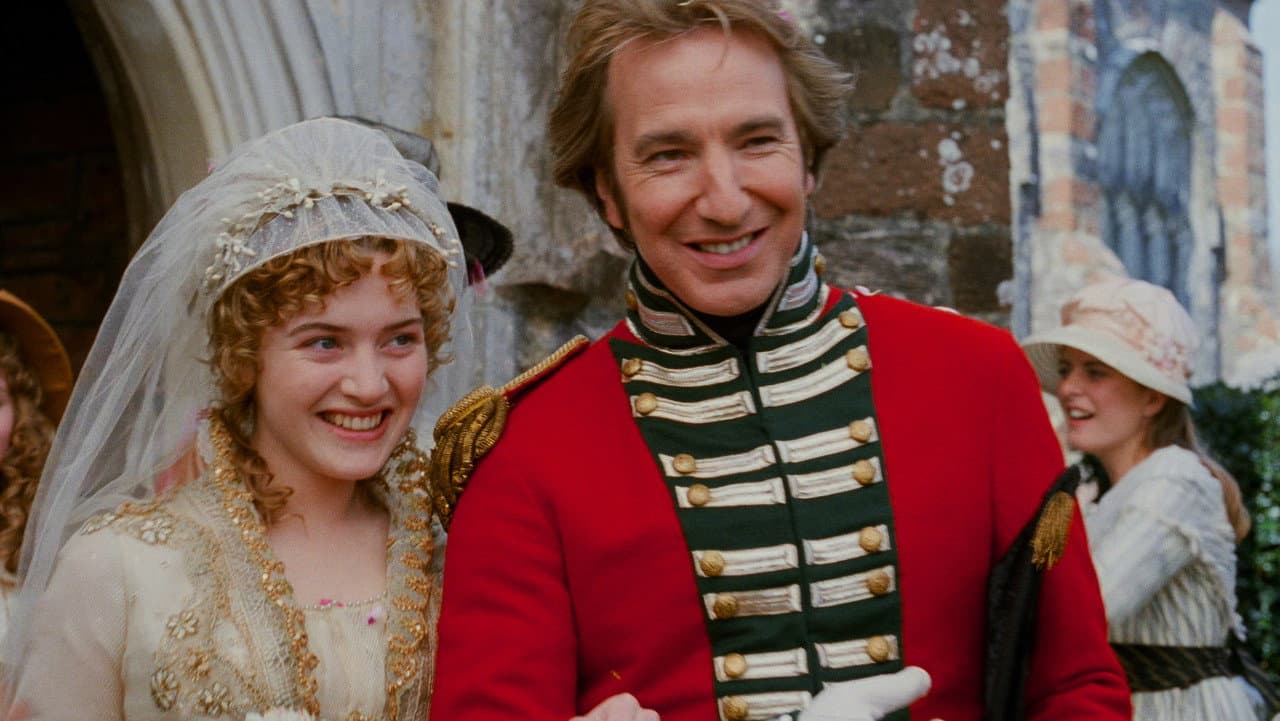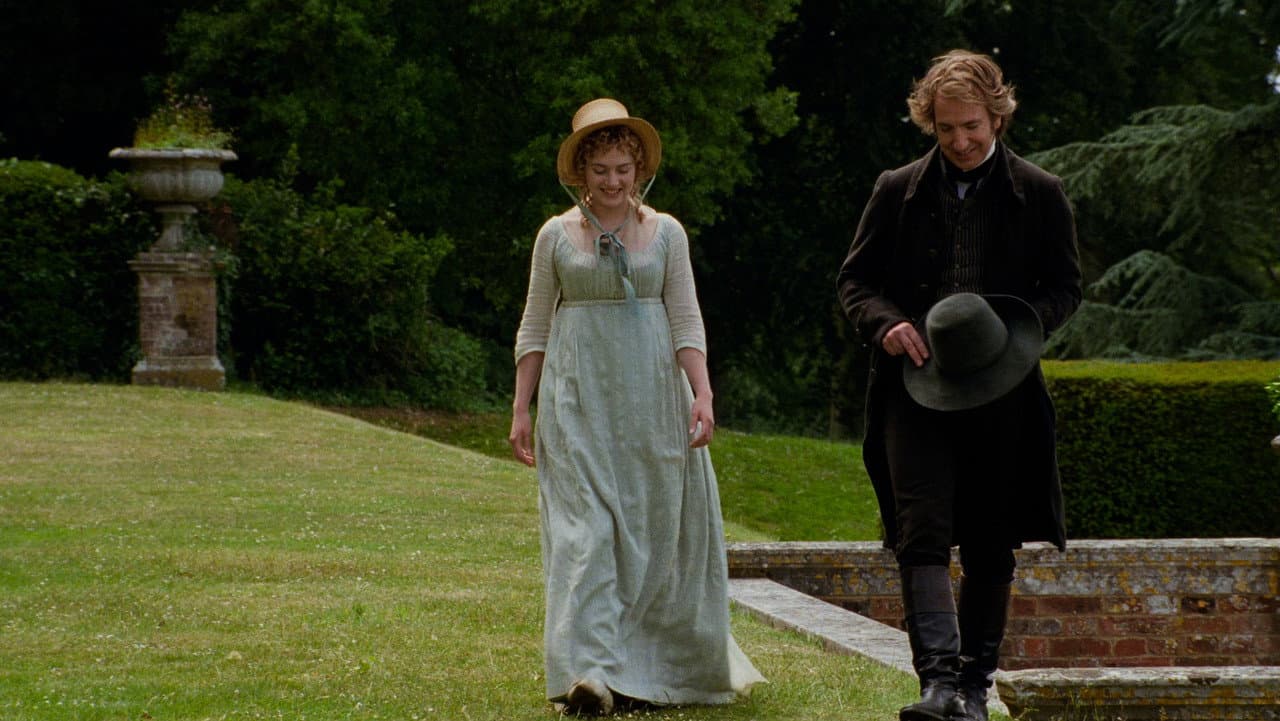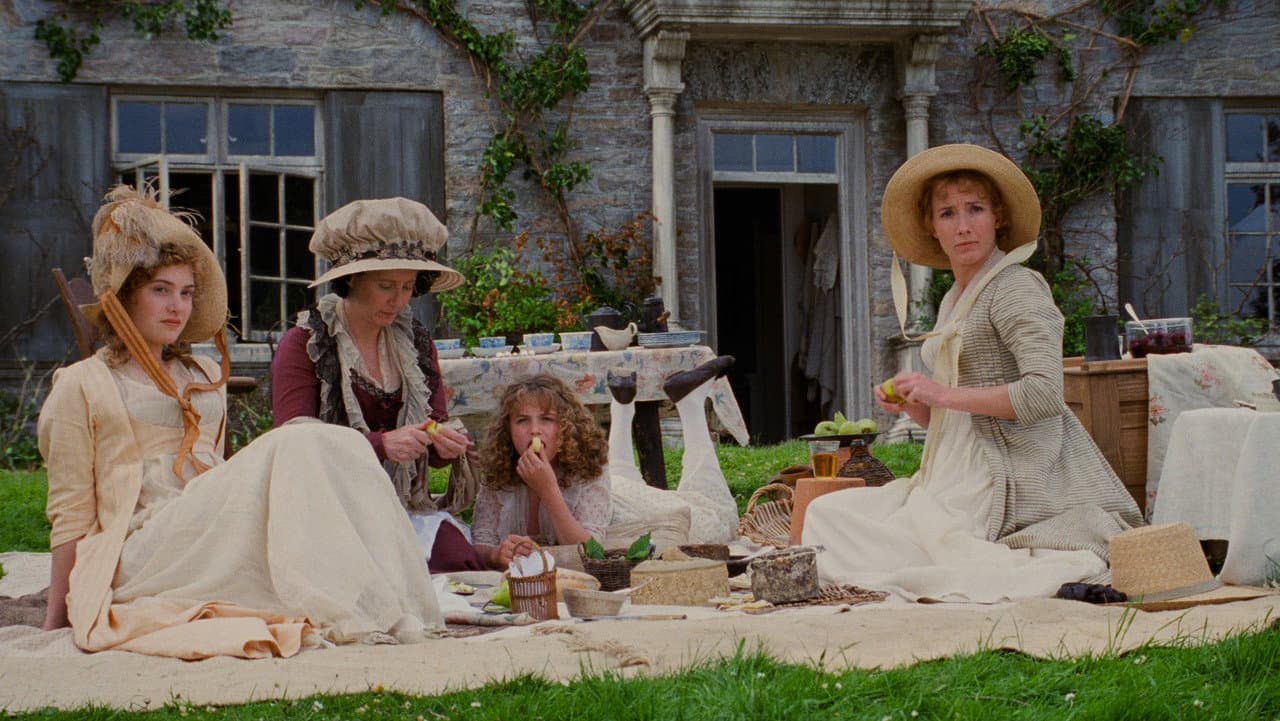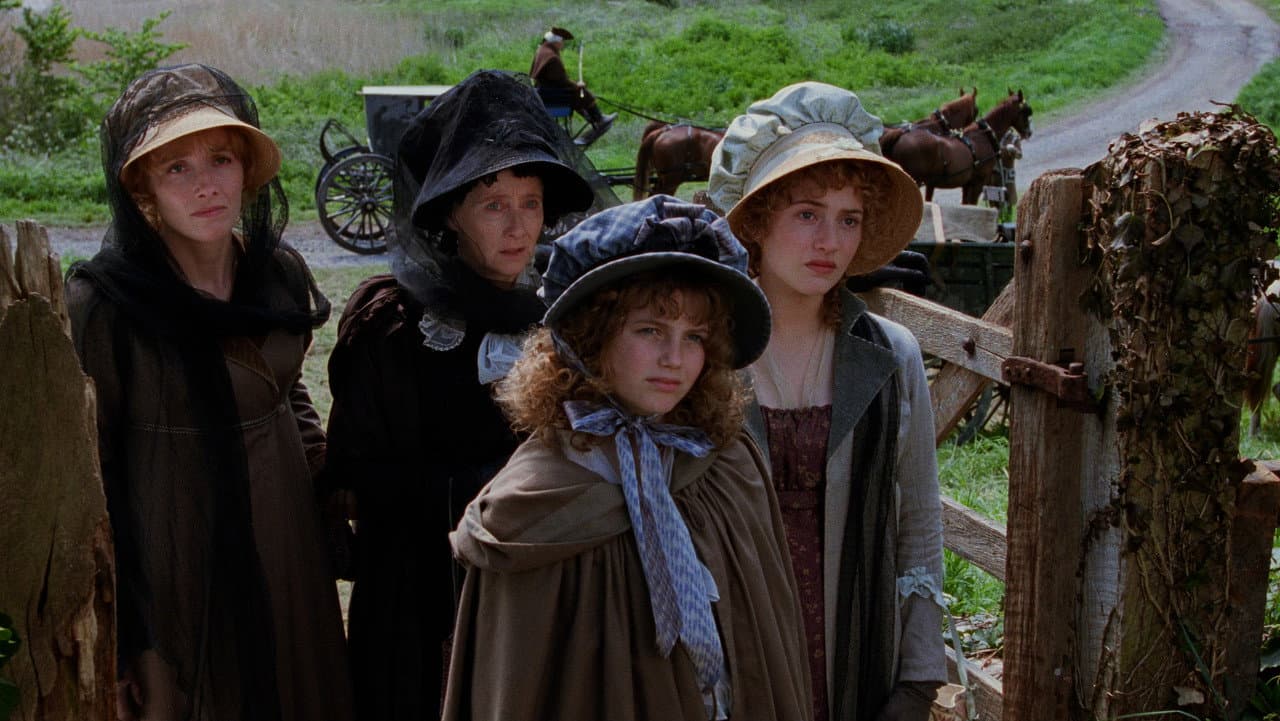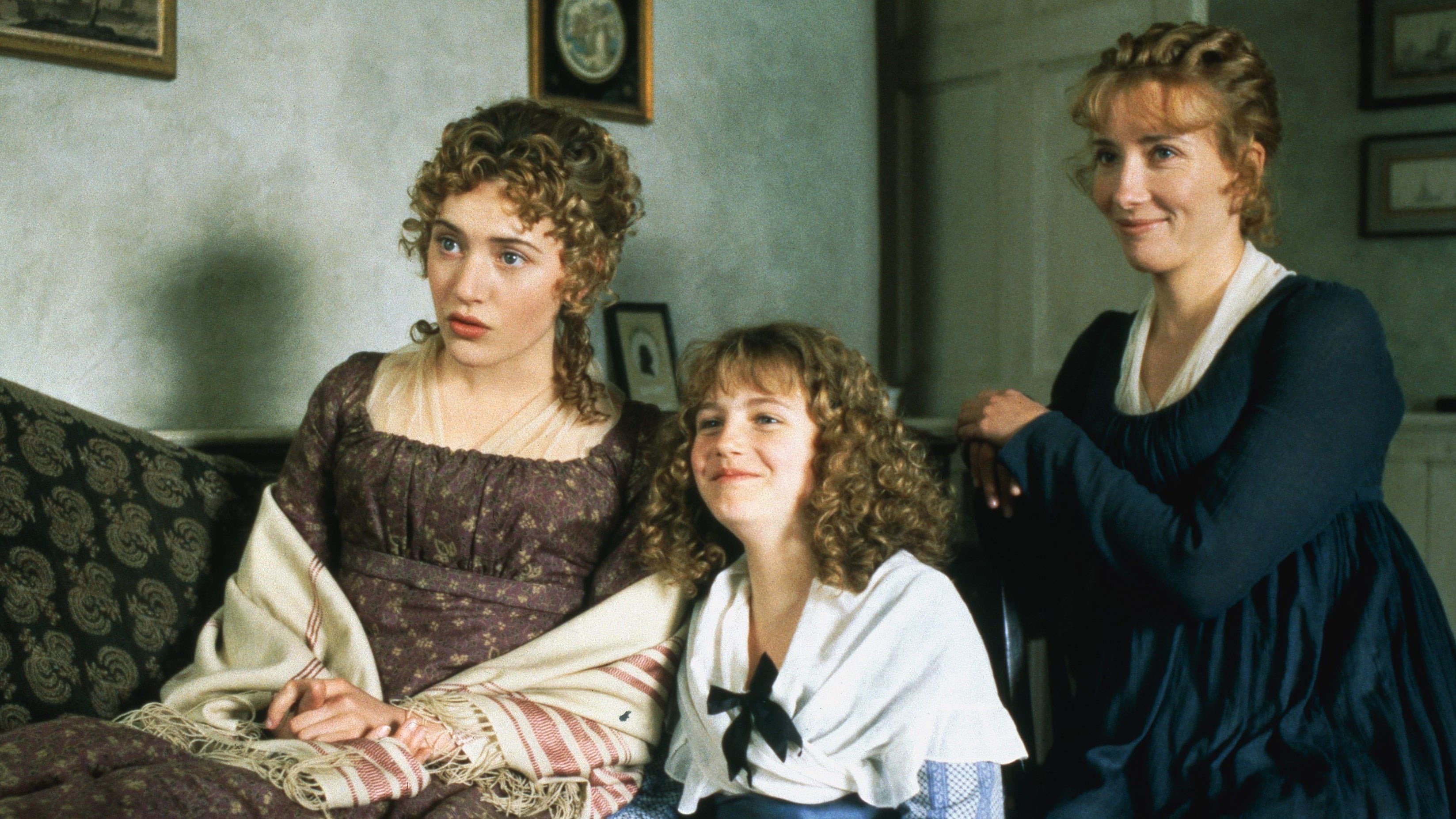
The cast of the new "Sense and Sensibility" adaptation want audiences to know one thing before they buy a ticket: this is not a duel with Ang Lee.
Speaking ahead of the film's theatrical rollout, the stars of the latest take on Jane Austen's 1811 novel pushed back on the framing that has followed the project since it was first announced - that any new version must somehow measure itself against Lee's 1995 feature, a film that has hardened into something close to canon over three decades.
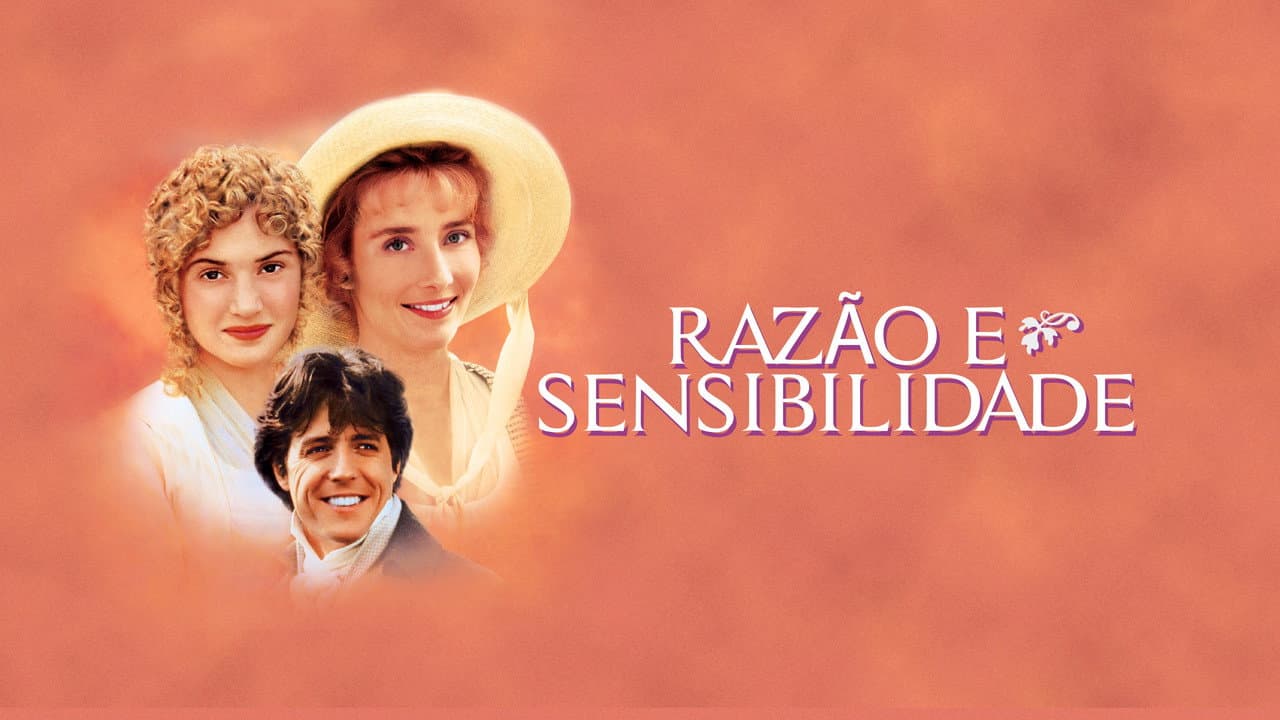
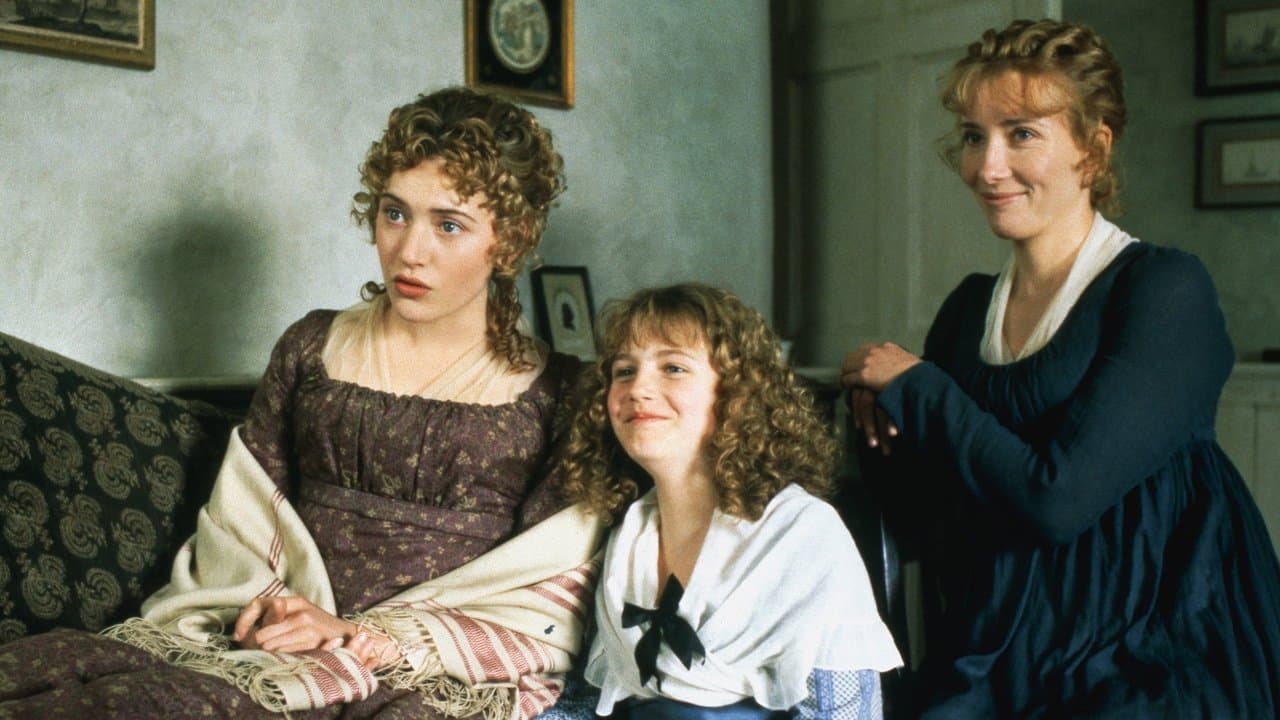
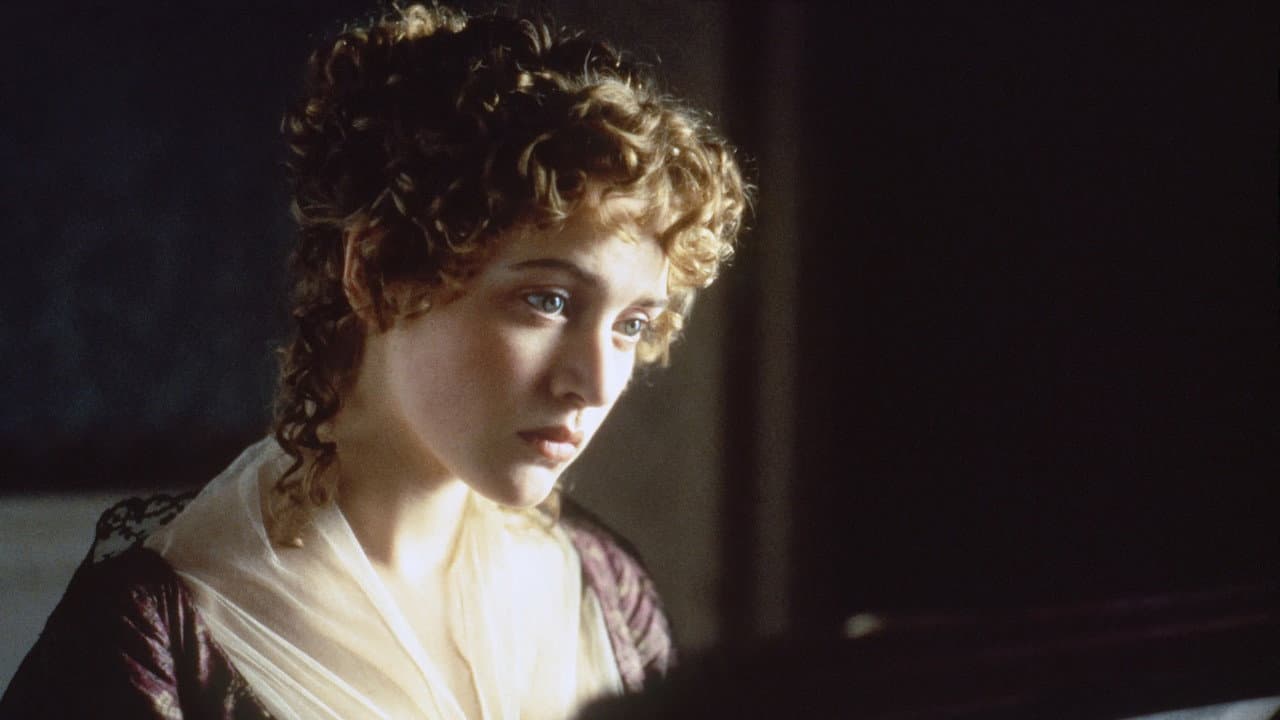
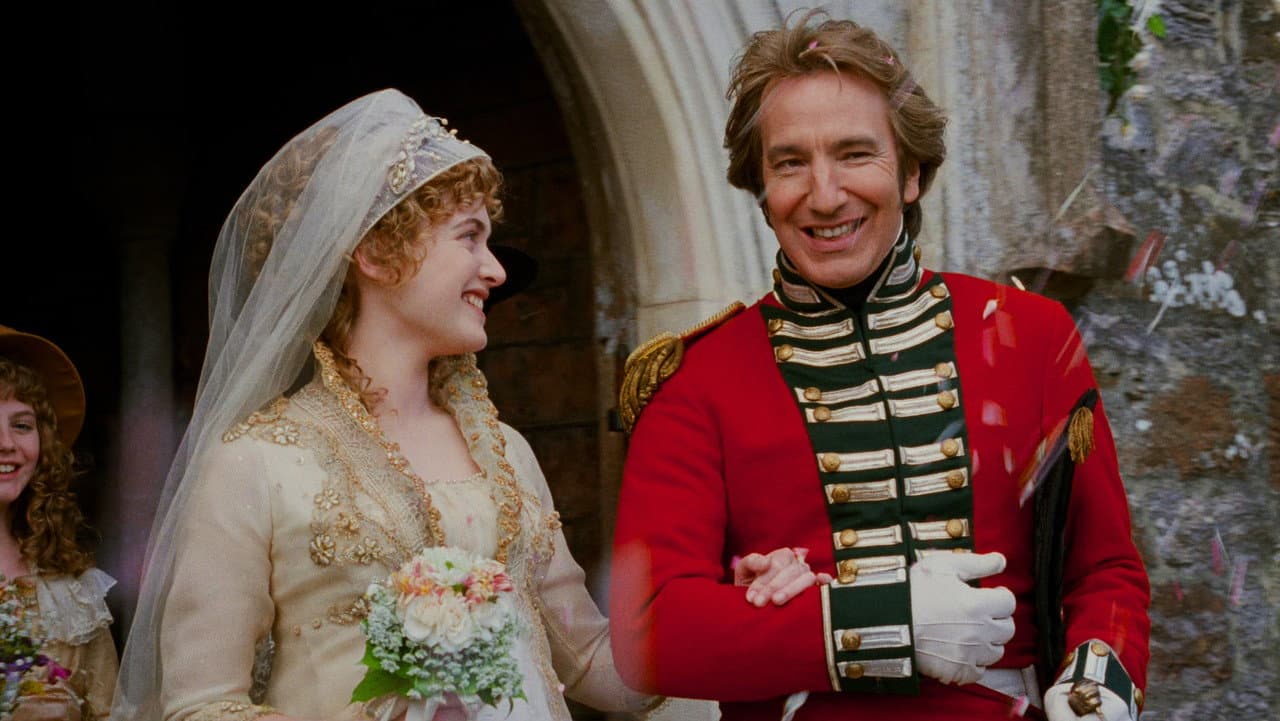
Emma Thompson and Kate Winslet headlined that earlier production as the Dashwood sisters, Elinor and Marianne, under Lee's direction, with a supporting ensemble that included Alan Rickman, Hugh Grant, Gemma Jones, Greg Wise, Elizabeth Spriggs and Imogen Stubbs. Released on December 13, 1995, it ran 136 minutes and holds a 7.4 rating on TMDb, a durable figure for a period drama that might otherwise have faded into the prestige-film background.
The new cast argues that the comparison misses what adaptation actually does. Austen's novel has been reworked for stage, television and film repeatedly, and each version has had to solve the same problem: how to make the Dashwoods' financial precarity legible to an audience that no longer lives under primogeniture.
A Story Built on Inheritance and Its Casualties
The plot remains the engine of any version. When Henry Dashwood dies unexpectedly, the law routes his estate to his son, leaving his widow and daughters without a home and with barely enough to live on. Elinor, the sensible one, and Marianne, the passionate one, must then navigate a marriage market in which affection and income are rarely permitted to align.
That structure is what keeps drawing filmmakers back, the new cast suggests - not nostalgia for a particular movie. The novel's central tension, between feeling and restraint, plays differently depending on the era interpreting it, and the new production leans into the material's sharp edges rather than its drawing-room comforts.
The performers describe a set where the goal was emotional accuracy rather than visual homage, and where nobody was instructed to study the 1995 film as a template. The Dashwood sisters, in this reading, are not inheritors of a screen legacy; they are young women running out of options.
Choosing Not to Compete
The decision to avoid direct comparison was deliberate, according to those involved. Frames borrowed from Lee's version - the sweeping landscapes, the restrained camera, the particular rhythm of Thompson's screenplay - would only invite a checklist. Instead, the new film reportedly foregrounds the sisters' interiority and the blunt mechanics of their disadvantage.
It is a strategy that carries risk. Lee's film is not merely well liked; it is the version many viewers encountered first, and for a generation it defined what a Austen adaptation should feel like. Challenging that memory is difficult even when the challenge is unintentional.
Still, the cast's position is reasonable. A film that sets out to beat a beloved predecessor usually loses. A film that sets out to tell the story again on its own terms at least has a chance. And the source material has survived worse treatments than a respectful reinterpretation.
The new "Sense and Sensibility" arrives as a drama and romance in English, produced within the Hollywood industry, and asks its audience to set aside the scoreboard. Whether viewers can do that is a separate question - and one the box office will eventually answer.
Source: Hollywood Reporter