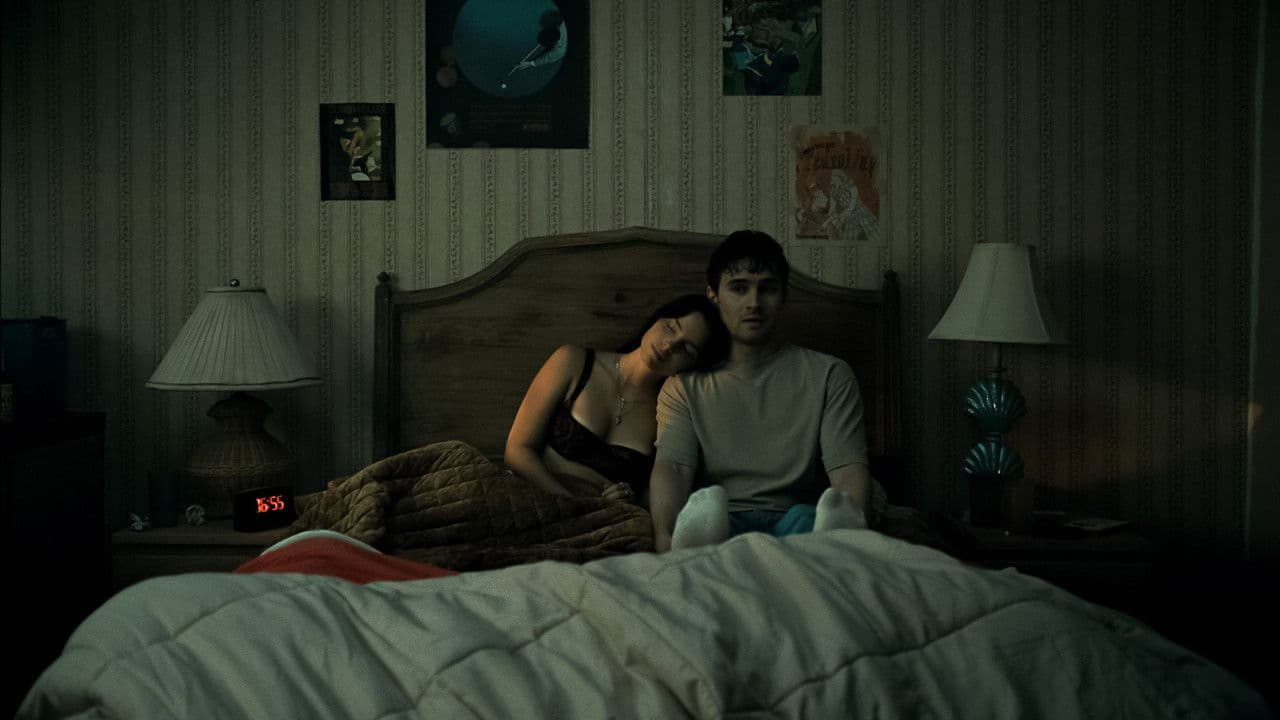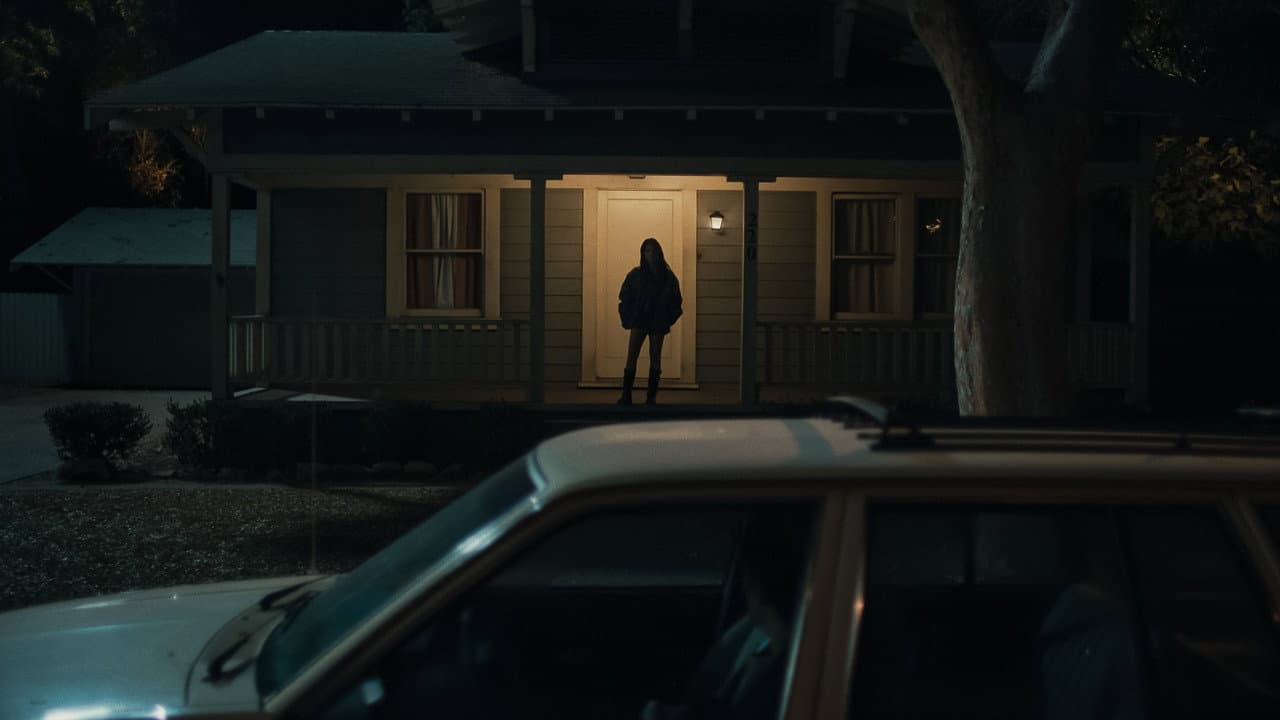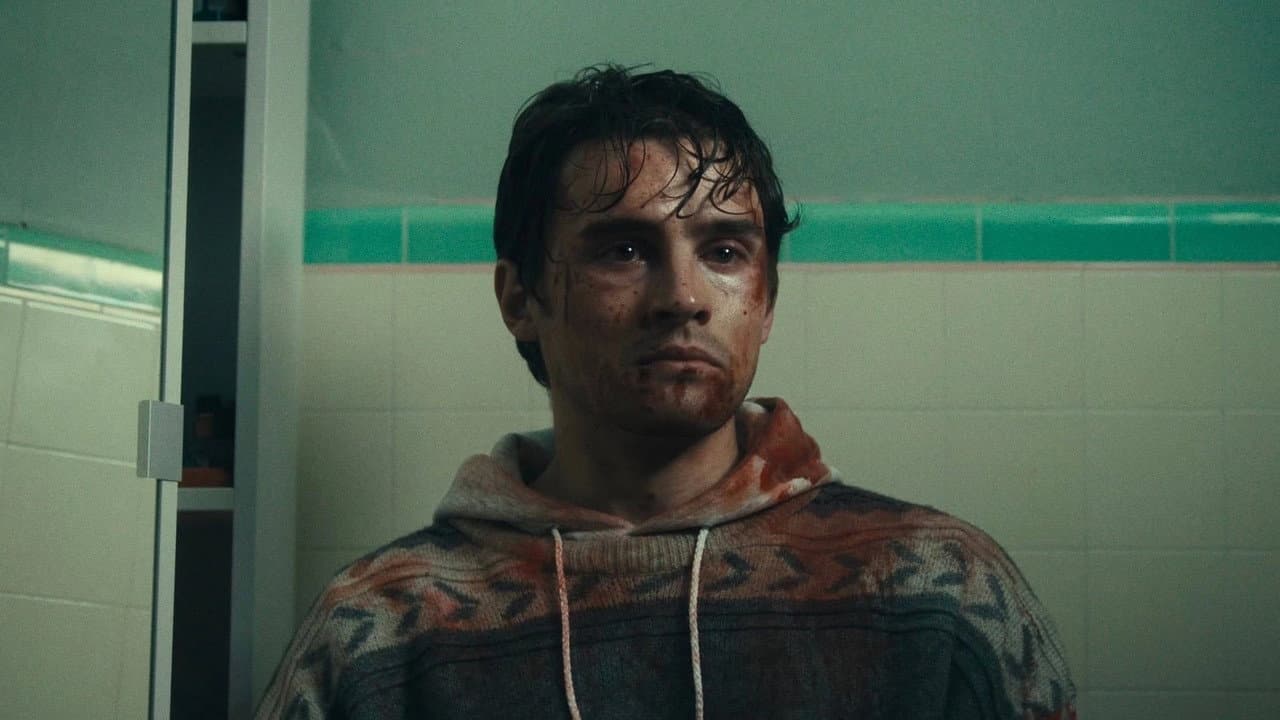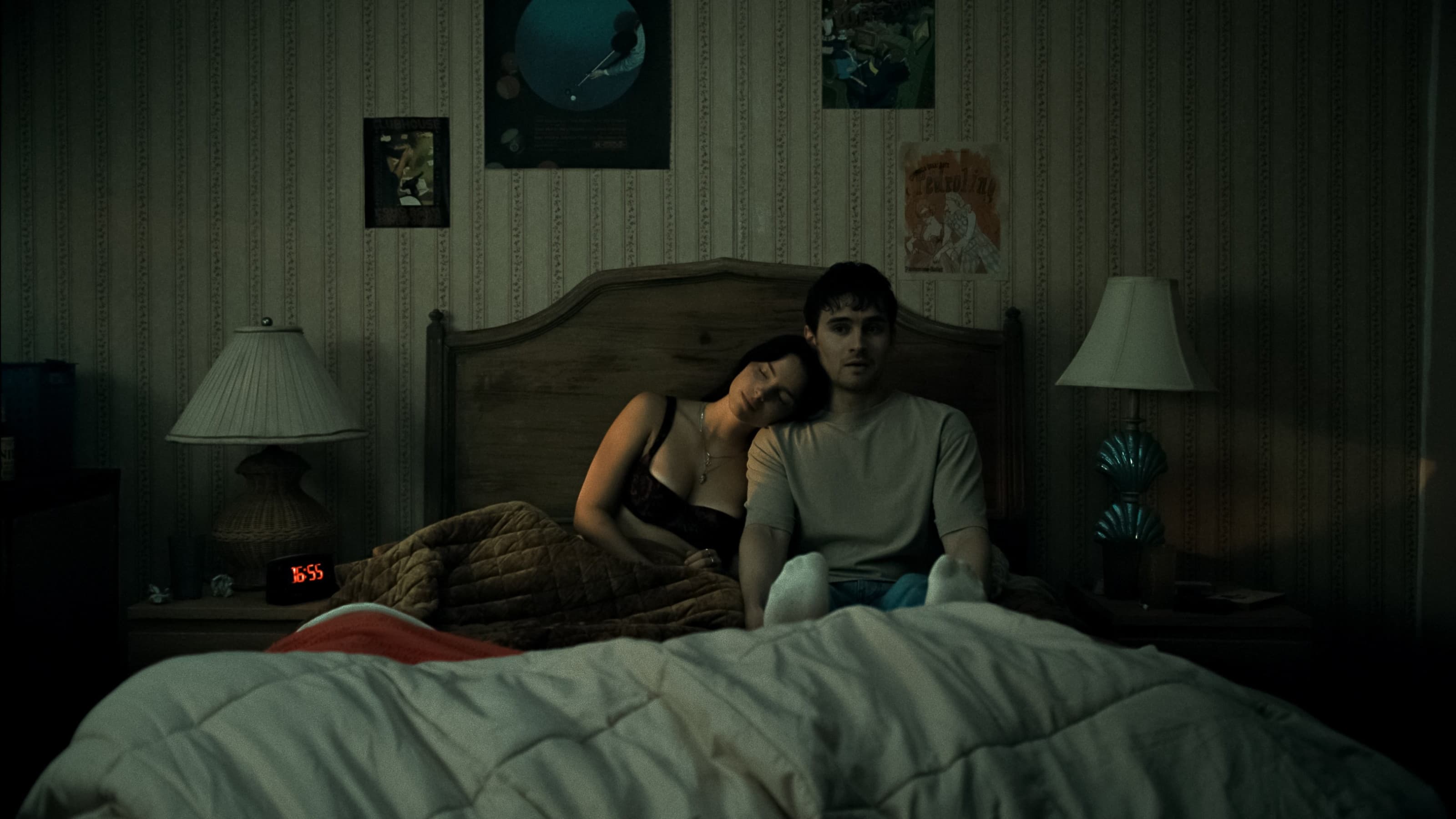
The Toronto International Film Festival has long served as a launchpad for prestige dramas and awards-season hopefuls, but it took a 109-minute horror-thriller from Hollywood to upend that reputation. "Obsession," directed by Curry Barker, has become the unlikely title that festival watchers cannot stop discussing, and its reception has quietly redrawn assumptions about what kinds of films can dominate the TIFF conversation. With a TMDb rating of 8.194/10 and a theatrical release set for May 13, 2026, the movie has turned a genre picture into the festival's defining story.
A Genre Premise That Refuses to Stay Small
On paper, the setup reads like a cautionary fairy tale. "Obsession" follows a hopeless romantic who breaks the mysterious "One Wish Willow" to win his crush's heart, then finds himself getting exactly what he asked for. The catch, as the film's own logline warns, is that some desires come at a dark, sinister price. That premise places the movie squarely in Horror and Thriller territory, a space TIFF has historically acknowledged but rarely allowed to headline its cultural narrative.
Barker, working in English for a Hollywood production, uses that familiarity as a trapdoor rather than a crutch. The wish-fulfillment hook gives audiences an easy way in; what happens after the wish is granted gives the film its staying power. The result is a movie that plays to festival crowds and genre devotees at once, without asking either group to meet the other halfway.
A Cast Built to Sell the Wish
Michael Johnston leads as Bear, the romantic at the center of the unraveling bargain. Inde Navarrette plays Nikki, the object of his affection, while Cooper Tomlinson appears as Ian. Megan Lawless takes the role of Sarah, and Andy Richter steps in as Carter, bringing a recognizable comedic presence into a story that turns increasingly grim. Haley Fitzgerald plays Viola, with Darin Toonder as Harry and Anthony Pavone as Reggie rounding out the ensemble.
That mixture of emerging leads and established names gives "Obsession" a dual identity. Johnston and Navarrette carry the emotional weight of the central relationship, while Richter's involvement suggests the film understands how to disarm an audience before it strikes. Festivals thrive on discoveries like this, where casting choices signal tone as much as star power.
Why TIFF History Is the Right Frame
The phrase "rewrote TIFF history" is not a small claim, and the evidence lies in how the festival's ecosystem typically works. TIFF has built its brand on premieres that later become Oscar fixtures, often at the expense of horror and thriller titles that premiere to screaming crowds and then fade from the awards conversation. "Obsession" breaks that pattern by making its genre identity the center of its appeal rather than a liability to be managed.
A TMDb score of 8.194/10 supports the idea that this is not merely a festival curiosity. That number reflects sustained audience enthusiasm, the kind that can push a genre film from a midnight-slot discovery into a broader cultural event. When a horror-thriller earns that level of response at a festival known for kingmaking, the implications extend beyond a single movie.
What the Release Date Signals
Scheduling "Obsession" for May 13, 2026, places it well outside the traditional fall corridor that TIFF titles usually occupy. That choice suggests confidence that the film can stand on its own commercial terms rather than relying on awards-season momentum. It also means the festival buzz has to carry across several months, a test that few genre films pass.
Barker's direction will be central to whether that bet pays off. A 109-minute runtime gives the film room to build dread without overstaying its welcome, and the wish-granting premise offers a clean narrative engine. If the movie delivers on the promise of its logline, it could establish Barker as a filmmaker capable of operating in both festival and commercial spaces.
The Bigger Story for Hollywood
"Obsession" arrives at a moment when Hollywood is reconsidering its relationship with horror and thriller filmmaking. These genres have consistently delivered returns while often being denied the critical framing reserved for dramas. A festival breakthrough like this one complicates that hierarchy, suggesting audiences and programmers alike are ready to treat a well-made genre film as a headline event rather than a sidebar attraction.
Whether "Obsession" ultimately changes how TIFF programs future editions is an open question. What is already clear is that a movie about a wish gone wrong has become the wish that a genre film could finally get its due on one of the world's biggest stages. For Barker, Johnston, Navarrette and the rest of the cast, that is a strange and fitting kind of magic.
Source: Hollywood Reporter