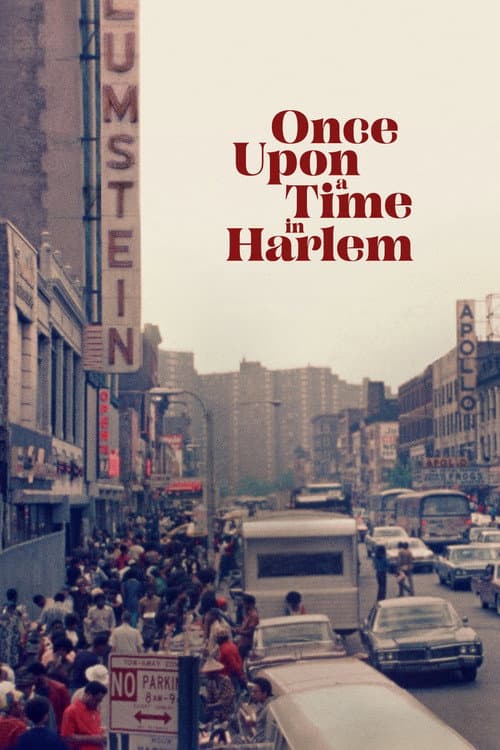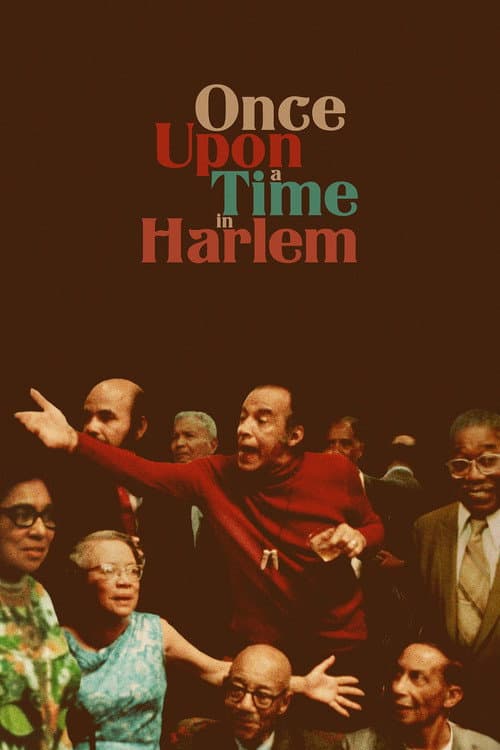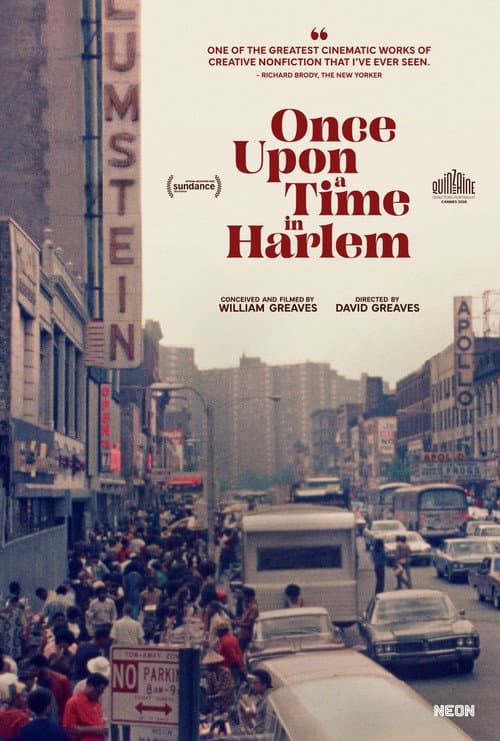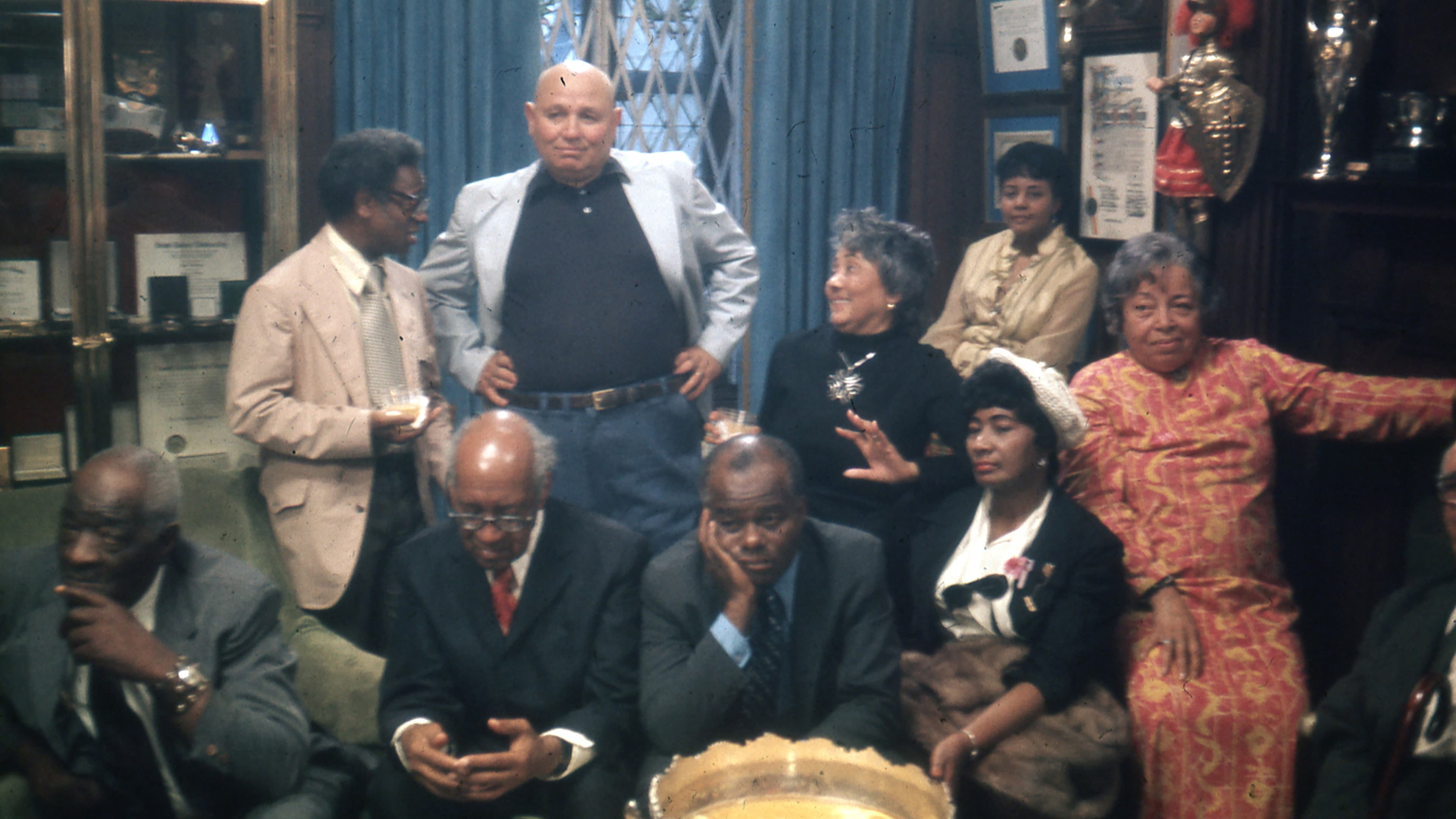
The Library of Congress has awarded its 2026 Lavine/Ken Burns Prize for Film to "Once Upon a Time in Harlem," a documentary directed by the late William Greaves that captures a landmark gathering of Harlem Renaissance figures at a 1972 party he organized himself. The prize, announced Friday, recognizes excellence in documentary filmmaking rooted in American history, and comes just weeks ahead of the film's theatrical release on October 16, 2026.
The award places a spotlight on a project that its director regarded as the single most significant event he ever committed to film. Greaves, who died a decade ago, spent much of his career defying easy categorization - moving between documentary, experimental cinema, and television - and "Once Upon a Time in Harlem" represents a final, posthumously completed chapter in that restless body of work.
A 1972 Party Engineered to Preserve a Generation
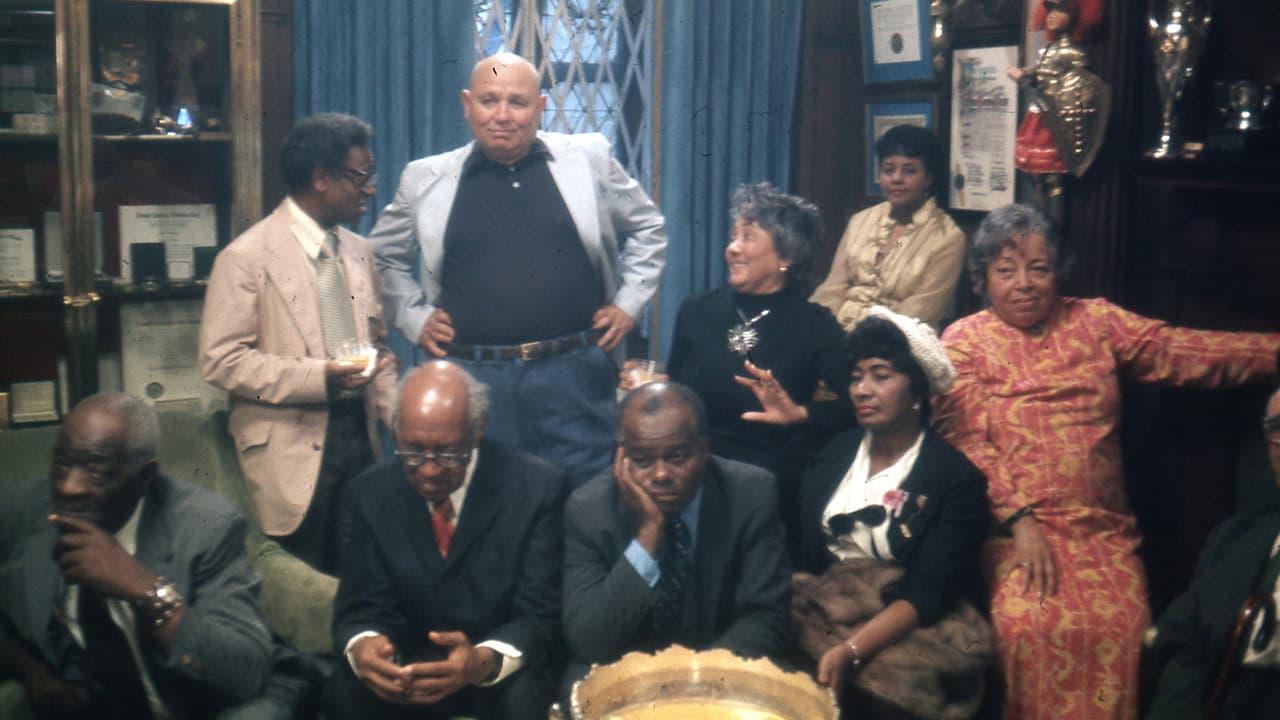
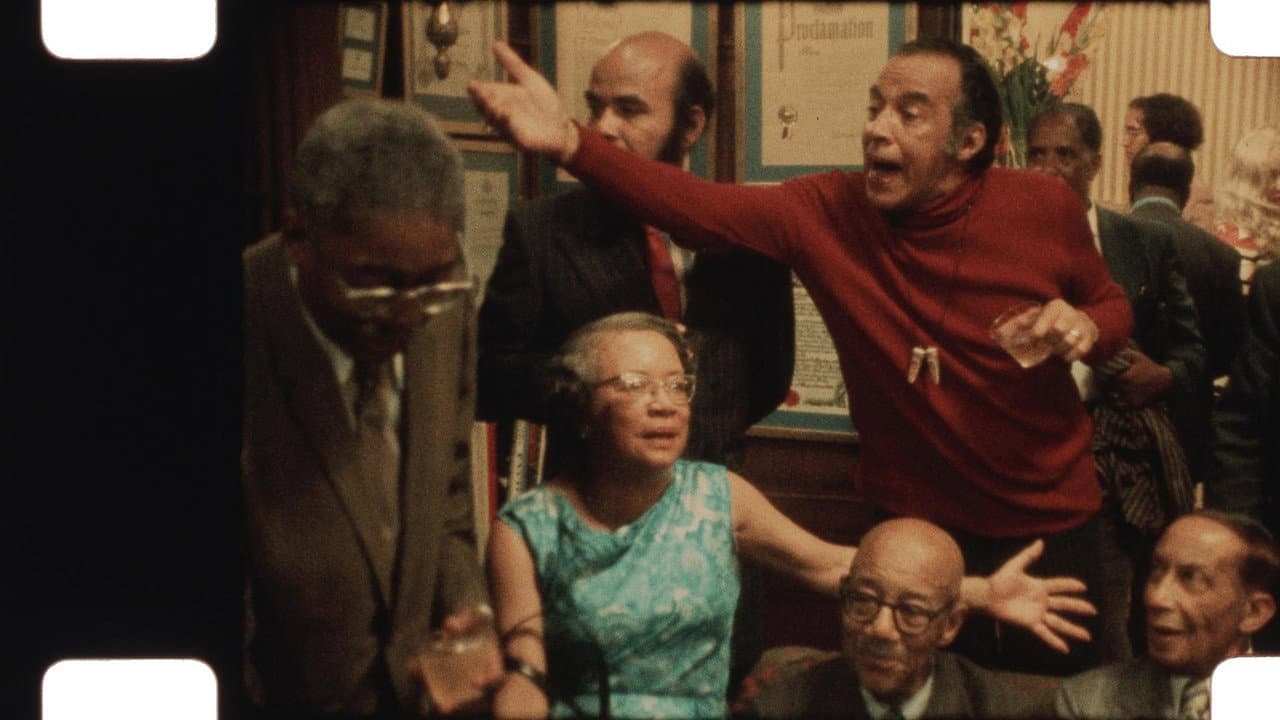
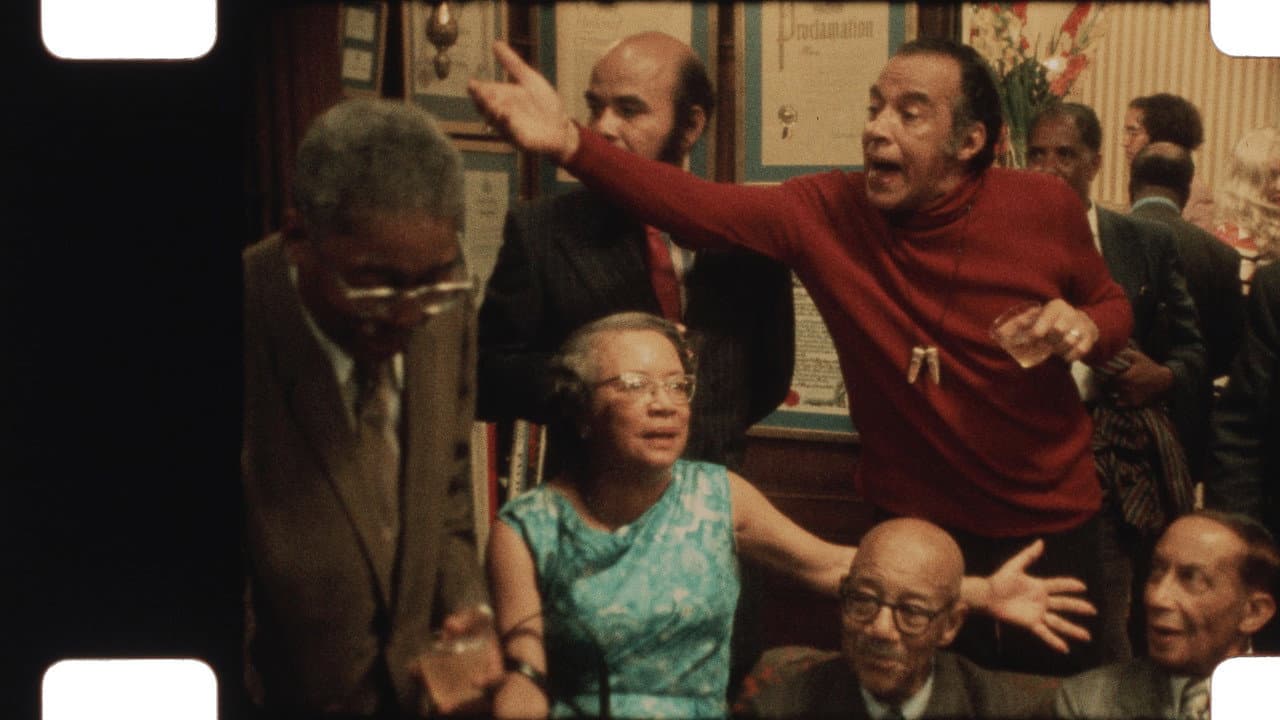
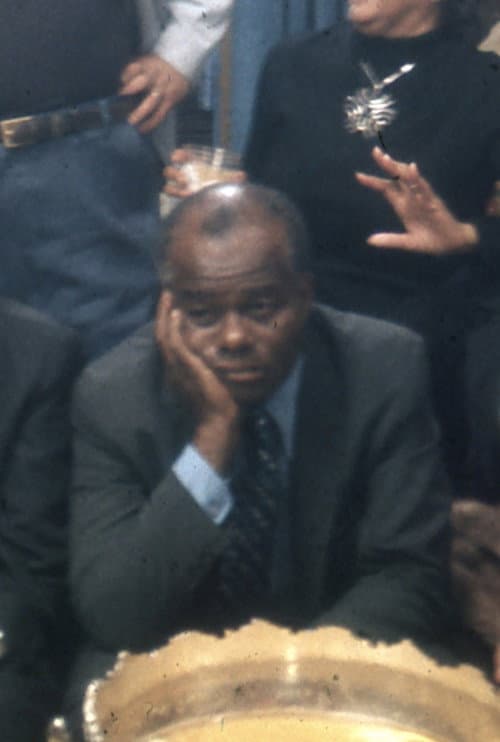
At the center of the 100-minute documentary is a gathering Greaves deliberately assembled in 1972, bringing together the living luminaries of the Harlem Renaissance for an evening of conversation and remembrance. The film draws on archival footage featuring an extraordinary roster of artists, writers, and cultural figures, each appearing as themselves. Among those captured on camera are painter and illustrator Aaron Douglas, writer and artist Richard Bruce Nugent, painter Ernest Crichlow, composer and pianist Eubie Blake, actor Leigh Whipper, writer and poet Arna Bontemps, photographer James Van Der Zee, and Greaves himself.
For a movement that had already begun losing its pioneers by the early 1970s, the party functioned as both a celebration and an act of documentation. Greaves did not simply attend the event - he engineered it, recognizing that the voices of the Harlem Renaissance were fading and that film offered one of the few means of preserving them with fidelity. The result is a record of a cultural moment that might otherwise have survived only in written accounts.
A Director's Unfinished Business
Greaves built a reputation as a filmmaker who refused to accept the conventions of any single genre. His work often blurred the boundary between observation and intervention, and "Once Upon a Time in Harlem" fits that pattern: it is at once a record of an event and a construction of one. By organizing the party himself, Greaves effectively wrote the conditions under which history would be captured, a decision that lends the film its distinctive character.
The Library of Congress prize carries particular weight for documentary filmmakers, honoring work that engages substantively with the American past. That the award goes to a film completed after its director's death adds a layer of poignancy to the recognition - the project stands as Greaves's final statement, one he considered more important than any other event he filmed.
Release Plans and What Audiences Will See
"Once Upon a Time in Harlem" runs 100 minutes and will be released on October 16, 2026. The film is an English-language American documentary, consistent with Greaves's career-long base in the United States. The cast is composed entirely of archival footage, meaning viewers will encounter Douglas, Nugent, Crichlow, Blake, Whipper, Bontemps, Van Der Zee, and Greaves as they appeared at the time, rather than through contemporary interviews or reconstructions.
That archival approach carries its own weight. Many of the figures in the film are now known primarily through photographs, letters, and secondhand accounts. Seeing them speak, react, and share space with one another offers something that static records cannot. The party setting - informal, social, and unguarded - may prove as valuable as any formal interview, capturing the texture of a community rather than isolated individual testimonies.
What the Prize Signals
The Lavine/Ken Burns Prize for Film has become a marker of serious historical documentary work, and its selection of "Once Upon a Time in Harlem" suggests the committee saw in the film both archival value and directorial craft. For Greaves's estate and collaborators, the timing is notable: the award arrives roughly a month before the film reaches audiences, giving it a prominent platform ahead of release.
It also raises the question of how contemporary viewers will receive a documentary built entirely from 1972 footage. The Harlem Renaissance ended decades before most of today's moviegoers were born, and the film's subjects - with the possible exception of Blake, whose musical career extended well into the 1970s - are not household names to general audiences. But that distance may be precisely the point. "Once Upon a Time in Harlem" offers not nostalgia but primary testimony, a chance to hear a generation describe its own moment in its own words.
For Greaves, who spent a career insisting that documentary could be as inventive and self-aware as fiction, the Library of Congress honor is a fitting coda. A decade after his death, his last trick - as the film's own logline puts it - is a party he threw more than fifty years ago, and the prize suggests it was one worth attending, even now.
Source: Hollywood Reporter