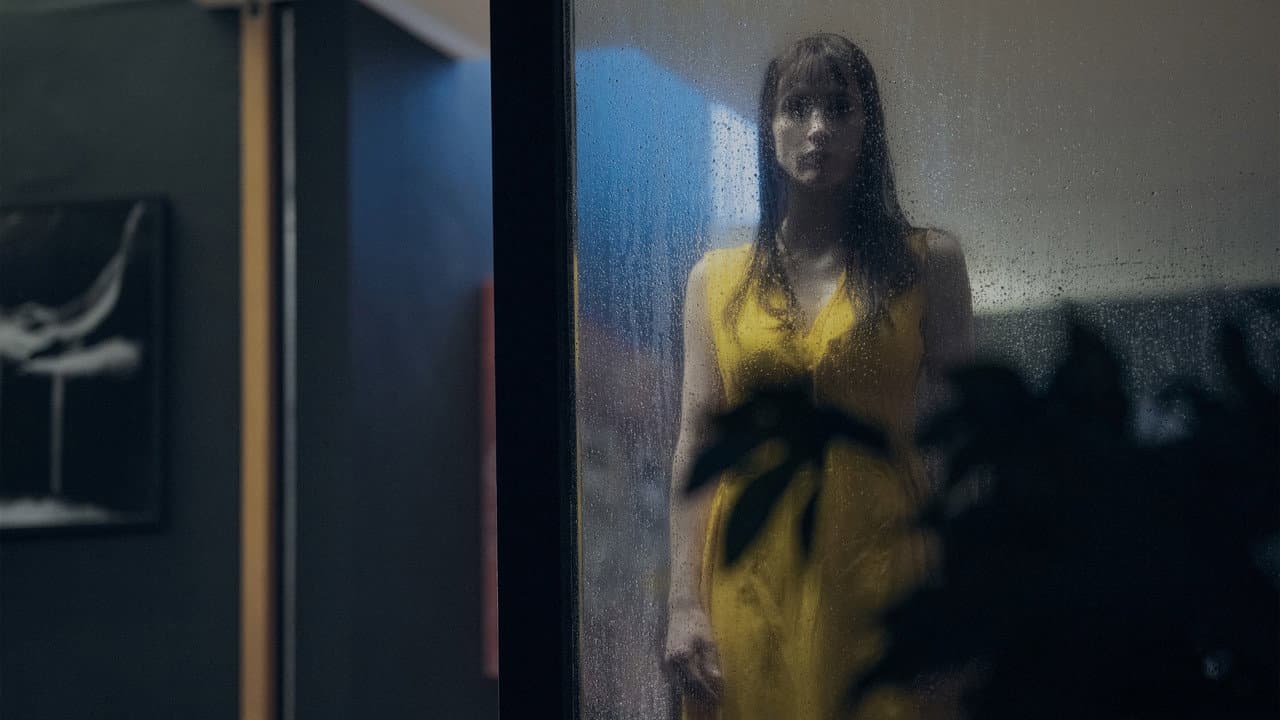
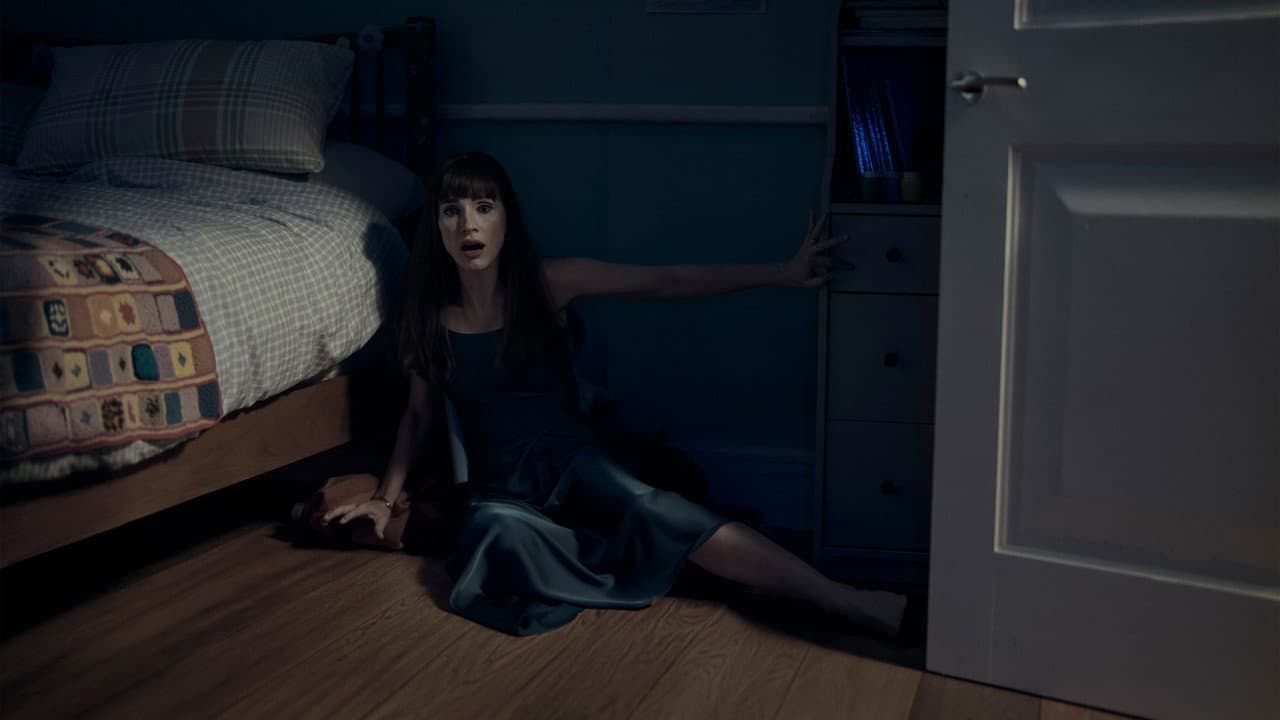
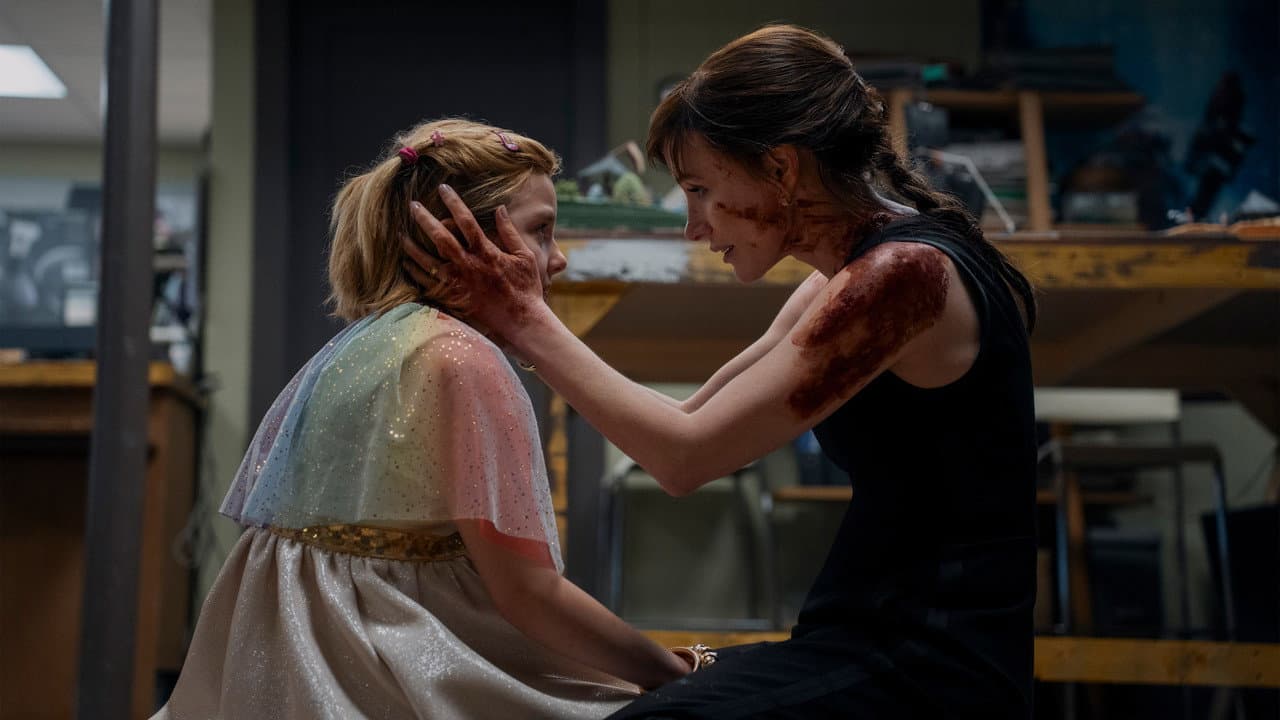
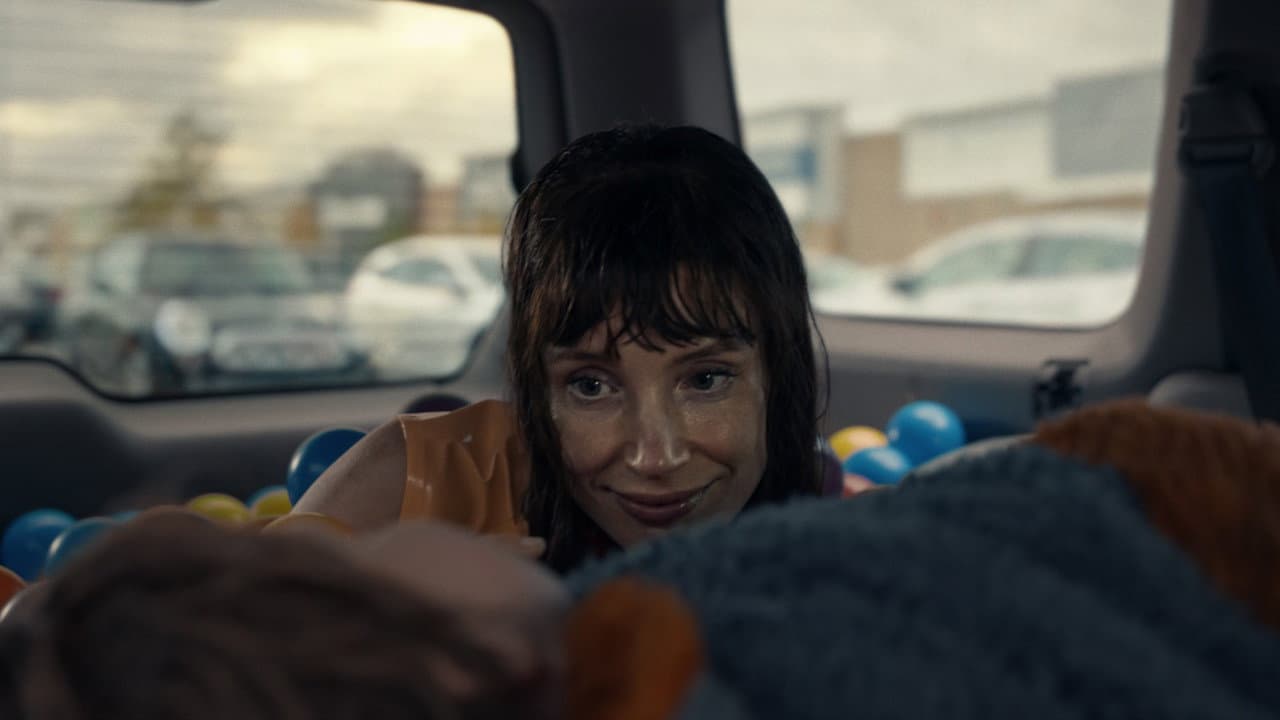
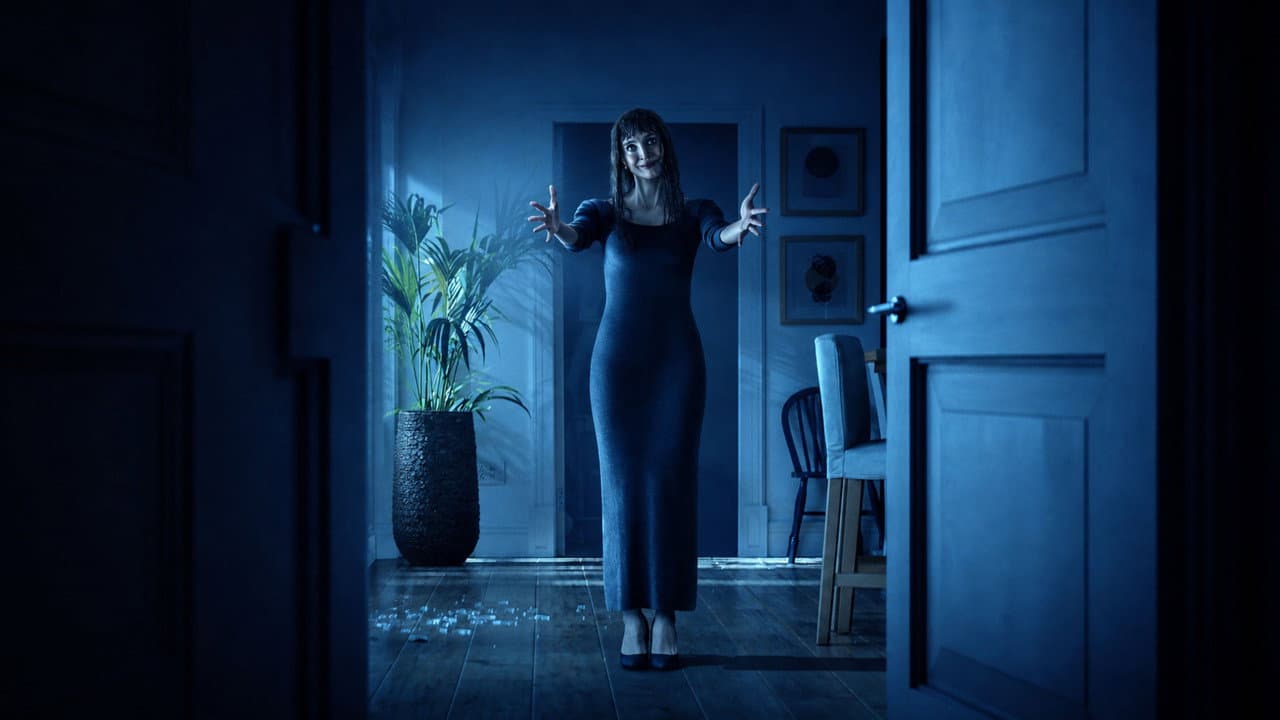
Rob Savage has always had a knack for atmosphere. He understands that the scariest things often happen in the corner of the frame, just out of focus. In Other Mommy, he uses this skill to great effect early on. The cinematography is cold and clinical, turning a standard suburban home into a sterile playground for psychological warfare. The sound design is aggressive, utilizing silence to create a vacuum that the audience knows will eventually be filled with a scream.
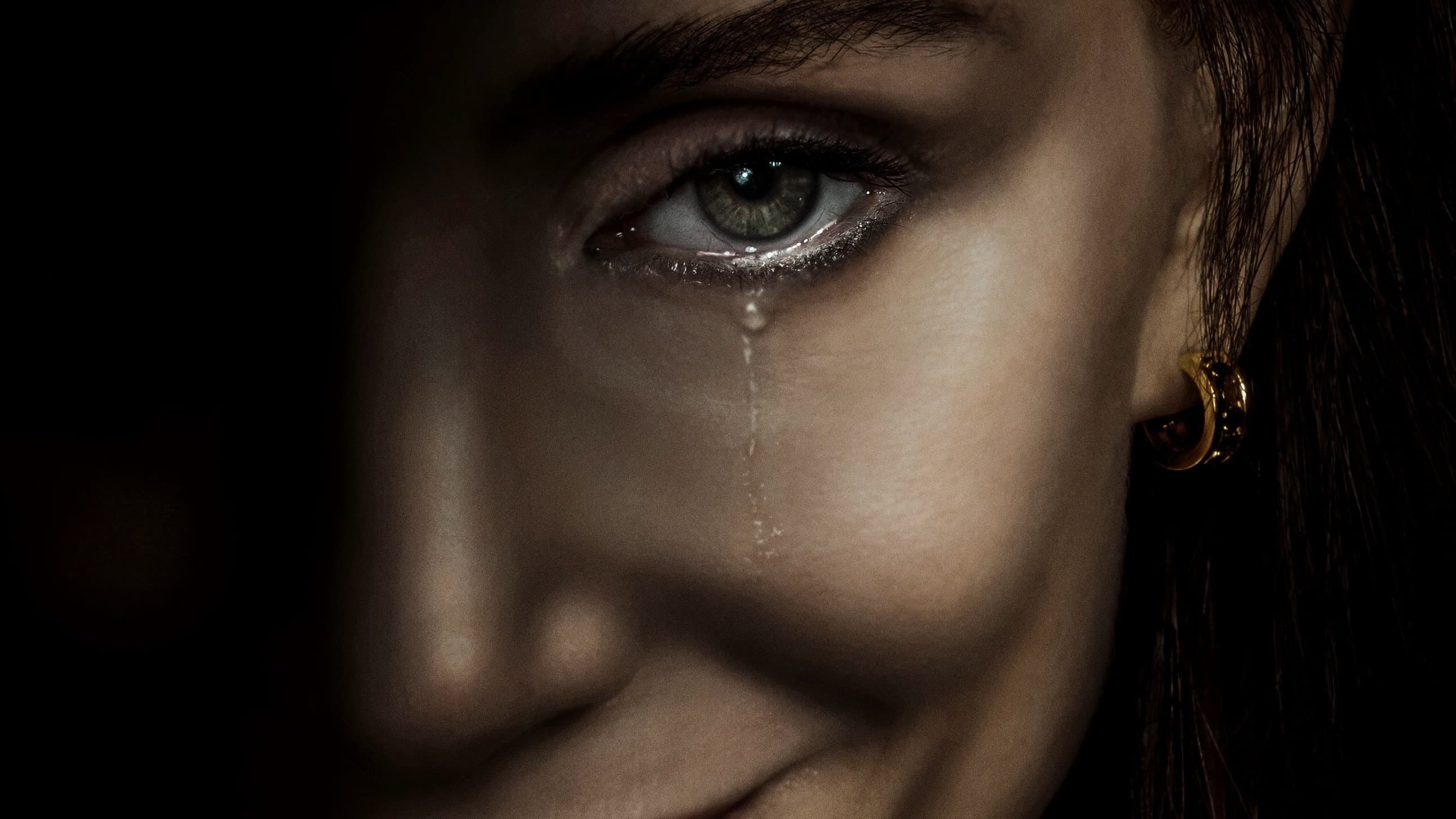
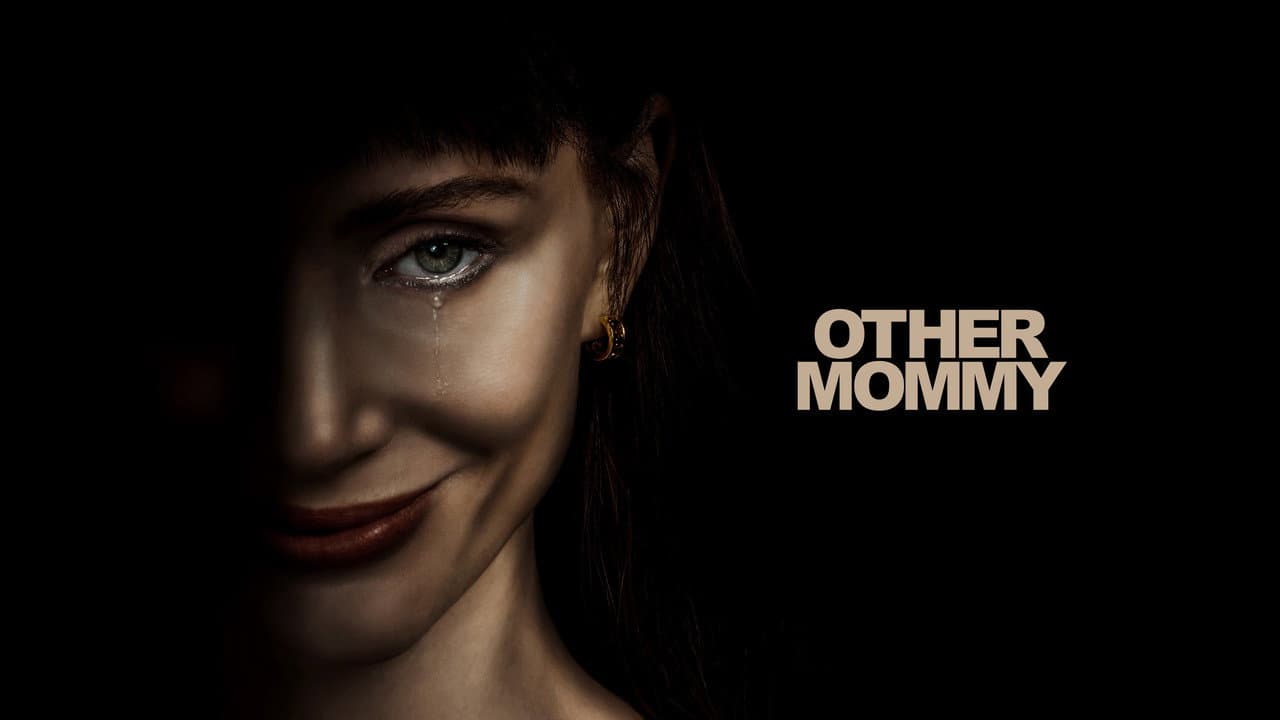
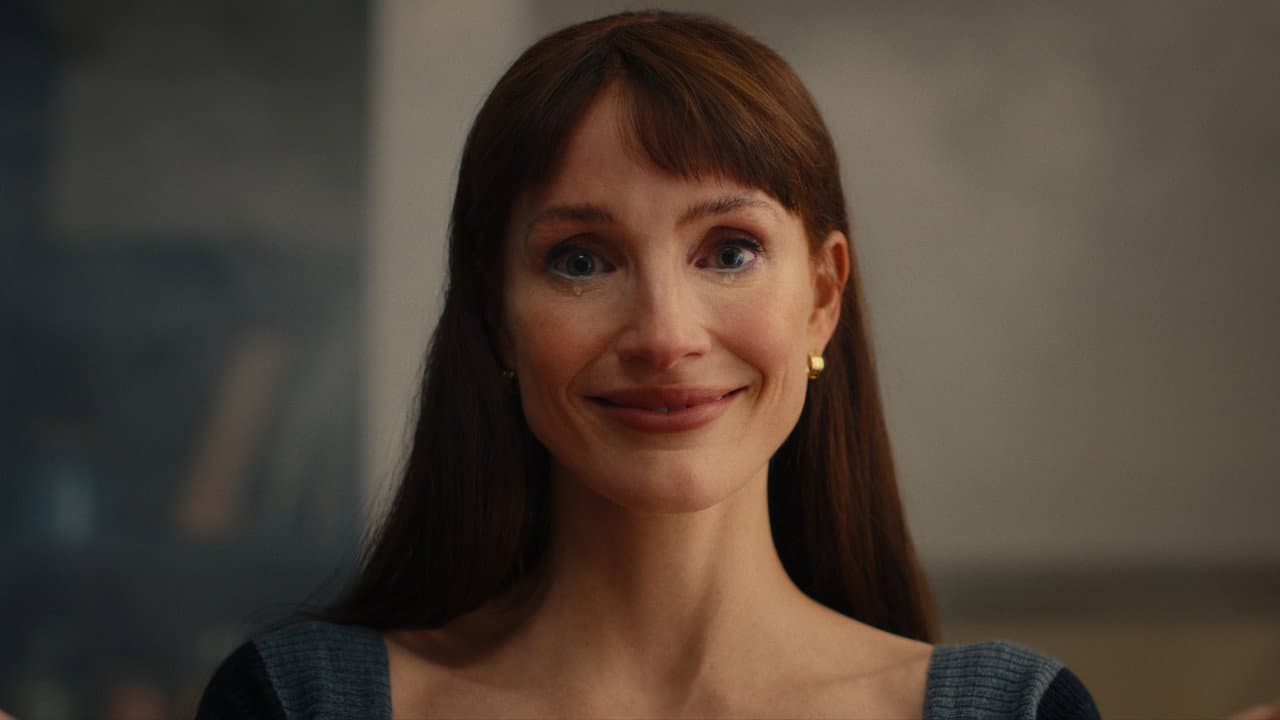
However, the film's greatest asset is Jessica Chastain. She delivers a dual performance that is both heartbreaking and horrifying. As Ursula, she is exhausted, loving, and frayed at the edges. As the Other Mommy, she flips a switch. She doesn't just play a monster; she plays a better mother. The Other Mommy is fun, she says yes to everything, and she treats Bela like an equal. Watching Chastain navigate this duality is the primary reason to buy a ticket. She brings a physicality to the role of the entity - a predatory stillness that mirrored the creaky floorboards of the house.
The young Arabella Olivia Clark holds her own against this heavyweight presence, though the script often asks her to carry burdens that require the emotional nuance of an adult. Jay Duplass is serviceable as the skeptical father, though his role is largely reactive, serving as the anchor to reality that the plot inevitably pulls away.
Where Other Mommy falters is in its screenplay. The first hour establishes a masterclass in suspense, but as the dark world expands, the film loses its grip on logic. It attempts to build a mythology around the entity - rules, lore, and cycles - but these elements feel half-baked and distract from the more compelling emotional core of the story: the guilt of a mother who feels she isn't good enough and the fantasy of a child who wants a parent without flaws.
By the time the climax arrives, the film has traded psychological terror for standard horror fare. The ambiguity that made the first act so chilling is replaced by exposition dumps and chaotic set pieces. It becomes less a story about a fractured family and more a generic siege film, losing the very identity that made it interesting. The rating of 5.5/10 on TMDb reflects this disparity; audiences are clearly reacting to the wasted potential and a third act that collapses under the weight of its own ambition.