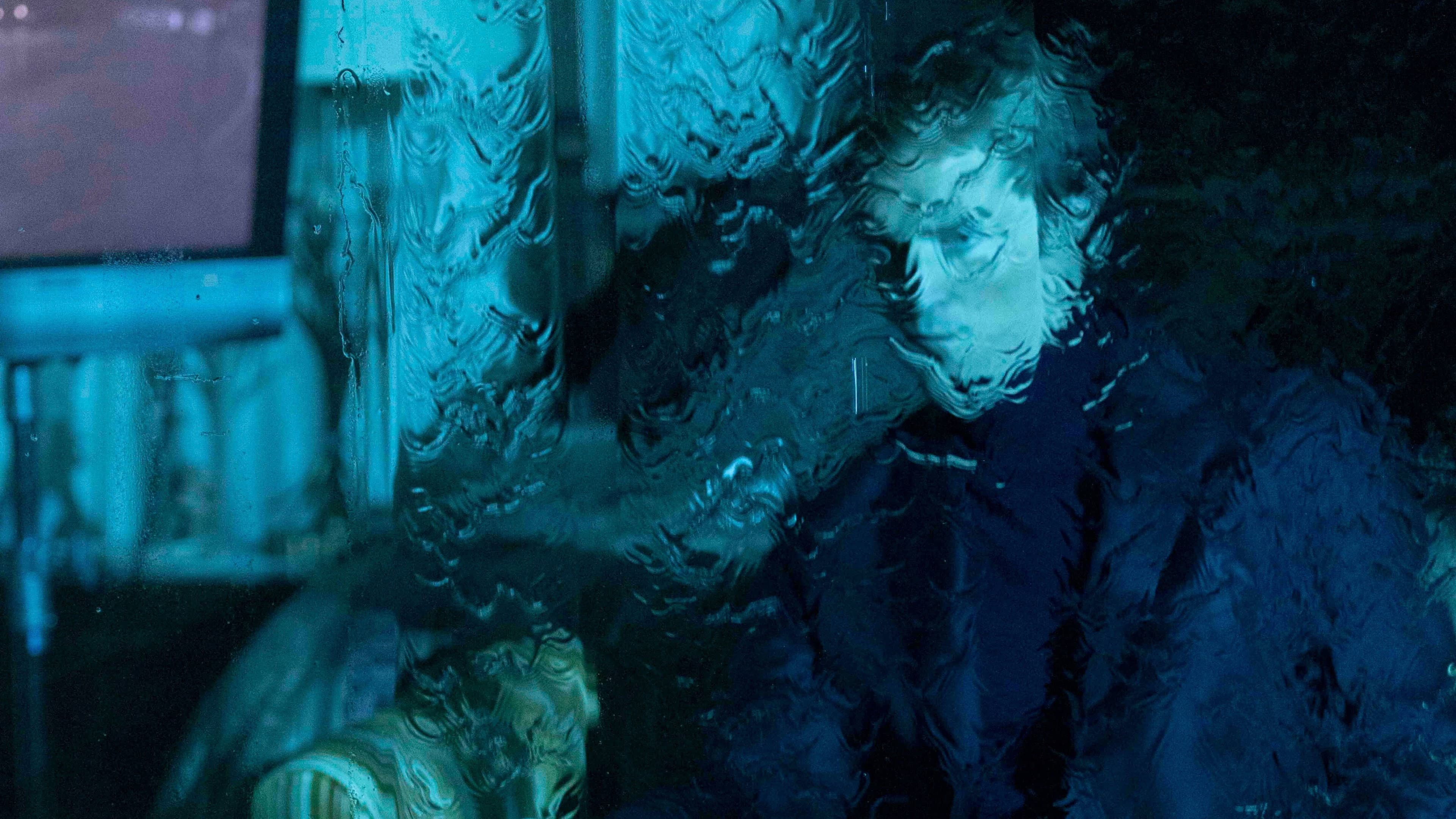
Robert Pattinson is aware that Chris Hansen has publicly voiced concerns about the upcoming film Primetime, which dramatizes the journalist’s infamous 2006 To Catch a Predator sting operations. But the actor, who portrays Hansen in the project, is keeping a positive outlook, telling reporters he simply hopes the real-life subject ends up enjoying the finished picture. The movie, which is set to hit theaters on September 11, 2026, marks a dramatic pivot for director Lance Oppenheim, known for his documentary work, as he steps into narrative filmmaking with a story that re-examines a pivotal moment in reality television history.
The film’s logline is concise but loaded: “In 2006, To Catch a Predator host Chris Hansen sets out to make television history.” That premise has already generated significant buzz, not only for its controversial subject matter but also for the striking casting choices assembled by Oppenheim. Pattinson leads the ensemble as Hansen, the man whose calm, confrontational interviews became a cultural touchstone. Joining him are Merritt Wever as Andie Bender, Skyler Gisondo as Dan Plumb, and Anna Faris as Mary Joan Hansen, alongside Phoebe Bridgers, Matthew Maher, Bokeem Woodbine, and Eric Rahill in supporting roles. With a runtime of 110 minutes and an English-language production rooted firmly in the Hollywood industry, the film promises a tense, crime-and-drama-infused thriller atmosphere that Oppenheim has described in early press materials as less a straightforward biopic and more a study of media ethics, performance, and the blurred lines between justice and entertainment.
Hansen’s Public Objections
The friction between Pattinson and Hansen emerged earlier this summer when the former host, who now runs the Predator podcast and has continued his investigative journalism career, issued statements questioning the film’s premise. Hansen has reportedly argued that any dramatization of his work risks sensationalizing the very real dangers of child predation, and he has expressed worry that a Hollywood treatment might paint him as a self-aggrandizing figure rather than a diligent reporter. While Hansen has not seen the final cut, his public reservations have cast a long shadow over the film’s promotional tour, forcing Pattinson and Oppenheim to repeatedly address the tension in interviews.
Speaking at a press junket in Los Angeles last week, Pattinson addressed Hansen’s comments directly, though he stopped short of criticism. “I understand his apprehension, I really do,” Pattinson said. “This is a subject that carries enormous weight and personal history for him. I can’t imagine what it would feel like to watch someone else play you in a moment of your life that was so intense and consequential. But I hope he likes the movie. I hope we’ve honored the complexity of what he did, not just the spectacle.” The actor added that he spent months studying Hansen’s broadcast demeanor, his vocal cadence, and his body language, but also tried to find the man behind the camera, a person he describes as “somewhere between a crusader and a showman.”
Hansen, for his part, has not yet softened his stance. In a recent episode of his podcast, he acknowledged Pattinson’s comments but reiterated that he remains “cautious” about the project, noting that his concern is less about the actor’s performance and more about the narrative framing. “I’ve lived that story. Robert is a great actor, but the question is whether the screenplay tells the truth or tells a version of the truth that’s more convenient for drama,” Hansen said. The producer of Primetime, however, has maintained that the film is not an official biography and should be viewed as a dramatized thriller inspired by real events, similar to other works that take creative license with historical moments.
A Controversial Legacy Reexamined
The film lands at a moment when cultural reckoning with true-crime media is at a fever pitch. To Catch a Predator, which aired on NBC’s Dateline, became a ratings juggernaut in the mid-2000s, setting up elaborate decoy houses where adult volunteers and law enforcement would confront men who had allegedly solicited minors online. But the franchise also drew criticism for its methods, including accusations of entrapment, its treatment of vulnerable individuals, and the tragic 2006 suicide of a Texas prosecutor who died by suicide just before his scheduled arrest following a sting. The show ultimately ended in 2008, but its legacy has remained contentious, with a 2023 documentary series revisiting the ethics of the production.
Oppenheim’s decision to tackle this material from Hansen’s perspective, rather than that of the decoys or the volunteers, is likely to spark debate. The director’s previous works, such as the acclaimed documentary Spermworld and Feels Good Man, have explored eccentric subcultures and the moral ambiguities of digital life, suggesting he views Hansen not as a simple hero or villain but as a complicated agent of a voyeuristic age. In production notes, Oppenheim has mentioned that he wanted to capture the “theatrical absurdity and profound sadness” of the 2006 era, when reality television was beginning to cannibalize real-world tragedies for content. Pattinson’s casting, a major departure from his arthouse and blockbuster roles alike, signals that Primetime aims for prestige rather than pulp.
Early Buzz and Theatrical Release
With the release now less than a week away, industry watchers are curious whether the controversy will translate into box office success or create a critical firestorm. TMDb currently lists no audience rating for the film, a blank slate that suggests early review embargos have kept initial reactions under wraps. Advance screenings for critics and select press are scheduled for this weekend, and the first wave of reviews is expected to break the silence on Monday, September 7. Should the film premiere to strong notices, it could position itself as an early awards-season contender, particularly for Pattinson, who has never been nominated for an Academy Award despite a career spanning prestige indies and the Twilight saga. If it stumbles, however, Hansen’s objections may serve as a convenient cudgel for detractors who claim the production missed its mark on both accuracy and taste.
For now, Pattinson remains diplomatic but visibly invested in the project’s reception. He noted that he has not personally reached out to Hansen since the controversy began, preferring to let the work speak for itself. “In the end, I’m not trying to replicate his life. I’m trying to inhabit a moment that changed television and maybe changed him,” Pattinson said. “I can only hope that when the credits roll, he sees a genuine attempt to understand. And if he still disagrees, I hope he at least respects the effort.” Whether that effort will appease its real-life subject remains an open question, but one thing is certain: Primetime is poised to be one of the most discussed releases of the fall, and its timing could not be more pointed in a media landscape still wrestling with the ethics of the very format Hansen helped perfect.
Source: Hollywood Reporter