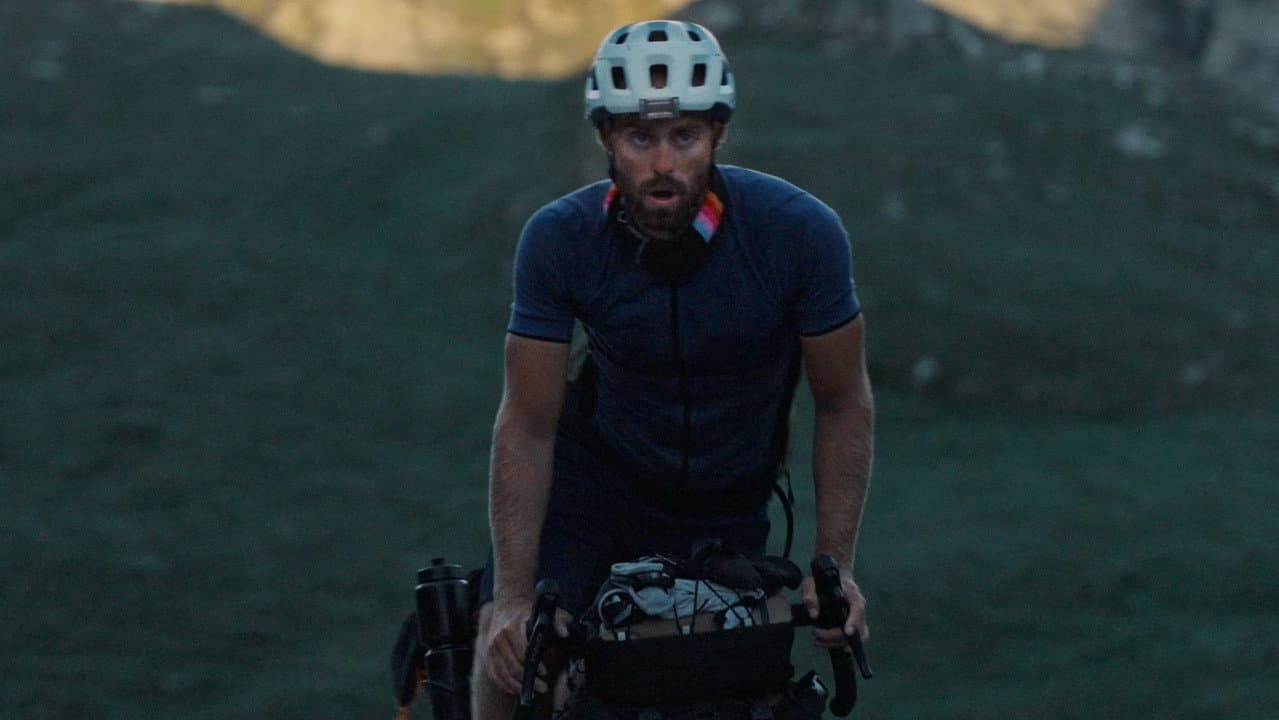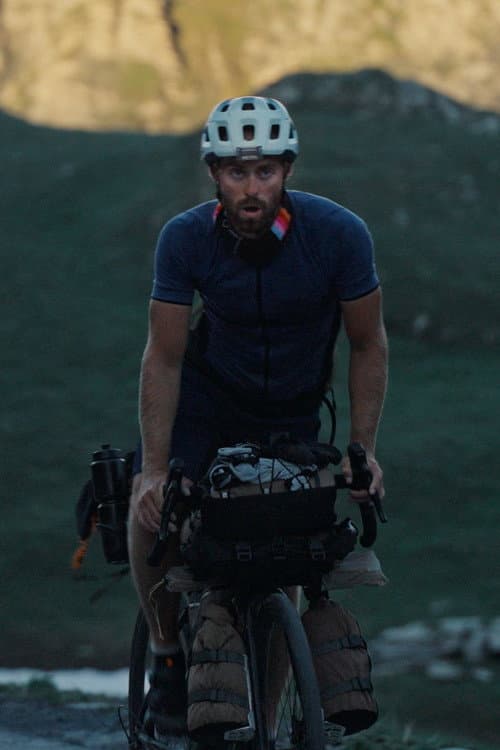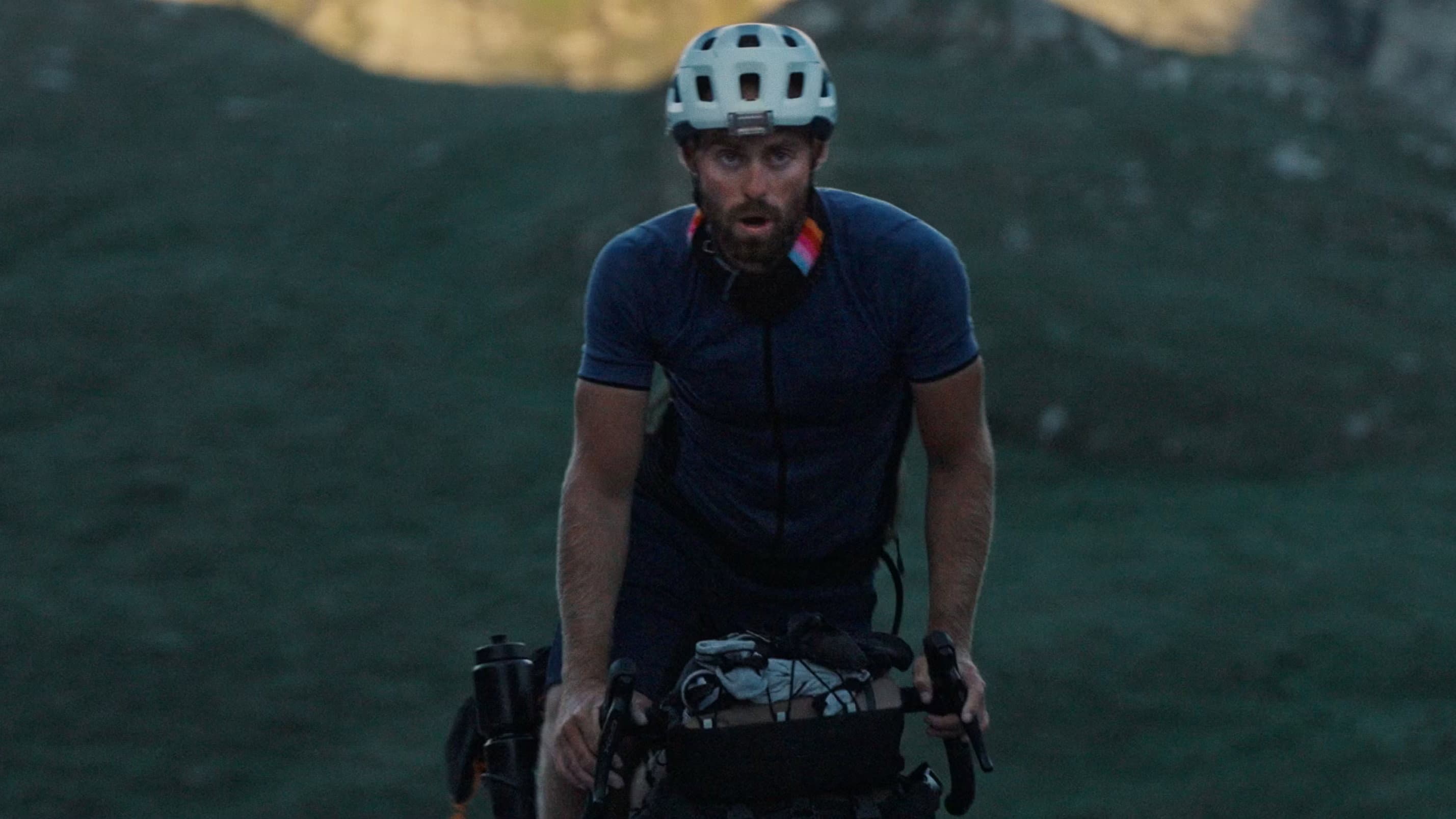
Adam Bonke's new documentary "Perfect Road" arrives in theaters this month with a deceptively simple premise: a man, a bike, and a decade spent refusing to stay put. The film, released on September 25, 2026, follows Max Schnell, who has made his bicycle his home for the past ten years in pursuit of what he describes as the purest expression of freedom he has found. At 91 minutes, the Danish-language documentary trades the usual travelogue comforts for something more intimate and more unsettled, tracking Max as he takes on the most punishing physical challenge of his life while his partner, Nina Ridder, forces him to confront what that freedom has cost.
Bonke shot the film around a single demanding endeavor, and the structure gives the project its tension. The cycling itself supplies the spectacle - long days in the saddle, terrain that punishes the body, and the accumulated wear of a life lived without a fixed address. But the emotional engine sits elsewhere, in the push and pull between Max and Nina. As the challenge escalates, so does the question at the center of the movie: when freedom becomes a daily practice rather than an ideal, who else is asked to make room for it?
That question gives "Perfect Road" a shape beyond the sports documentary shelf. Audiences expecting a straightforward endurance portrait will find something closer to a relationship study conducted on the move. Nina appears as herself rather than as a supporting figure in Max's story, and her presence reframes his choices as shared decisions with consequences that don't stay neatly inside his own life. The film's Danish production background suggests a European sensibility - patient, observational, suspicious of easy answers - and Bonke appears to lean into that restraint rather than reaching for triumph-of-the-human-spirit uplift.
The decade-long timeline is central to how the material works. Max is not a newcomer testing an idea for a season; he has built an identity around living on his bike, and that longevity makes the central conflict sharper. A year on the road can be read as an adventure. Ten years invites a more uncomfortable read - a way of life that may be less a choice than a habit he can no longer easily examine. When the most grueling challenge to date arrives, it functions as a stress test not only of his body but of the arrangement he and Nina have sustained.
It's worth noting that "Perfect Road" currently sits without an audience rating on TMDb, so early viewers will be forming first impressions without the cushion of consensus. That is often the most interesting moment for a small documentary - before the discourse settles into a tidy takeaway.
What the film seems to resist is the easy celebration of nomadic life that social media has made familiar. There is no evidence in the material of a curated, aspirational road movie. Instead, Bonke appears interested in the friction: the romance of movement set against the reality of a partnership that needs attention, and the way a person can pursue an idea of freedom so single-mindedly that he stops noticing what it requires of the person beside him.
For Hollywood audiences accustomed to documentaries built around a clear victory or a dramatic reversal, "Perfect Road" asks for a different kind of attention. Its pleasures are likely to be cumulative - the rhythm of the ride, the small negotiations between two people, the sense that the real summit is not a climb but a conversation. Whether Max reaches any resolution about his priorities is the film's central question, and Bonke seems content to let the answer remain as open as the road itself.
"Perfect Road" opens in theaters following its September 25 release. At 91 minutes, it is a compact, focused piece of nonfiction filmmaking, and its pairing of physical endurance with emotional reckoning gives it a reach beyond cycling enthusiasts. For viewers drawn to stories about how people define a life well lived - and what they are willing to unsettle in order to find out - Bonke's film looks poised to reward the ride.
Source: Hollywood Reporter