South Korea has officially selected Lee Chang-dong's Possible Love as its candidate for the Best International Feature Film category at the upcoming Academy Awards. The announcement, confirmed by the Korean Film Council on August 25, 2026, positions the drama as the nation's bid for Oscar glory, following a string of high-profile submissions in recent years.
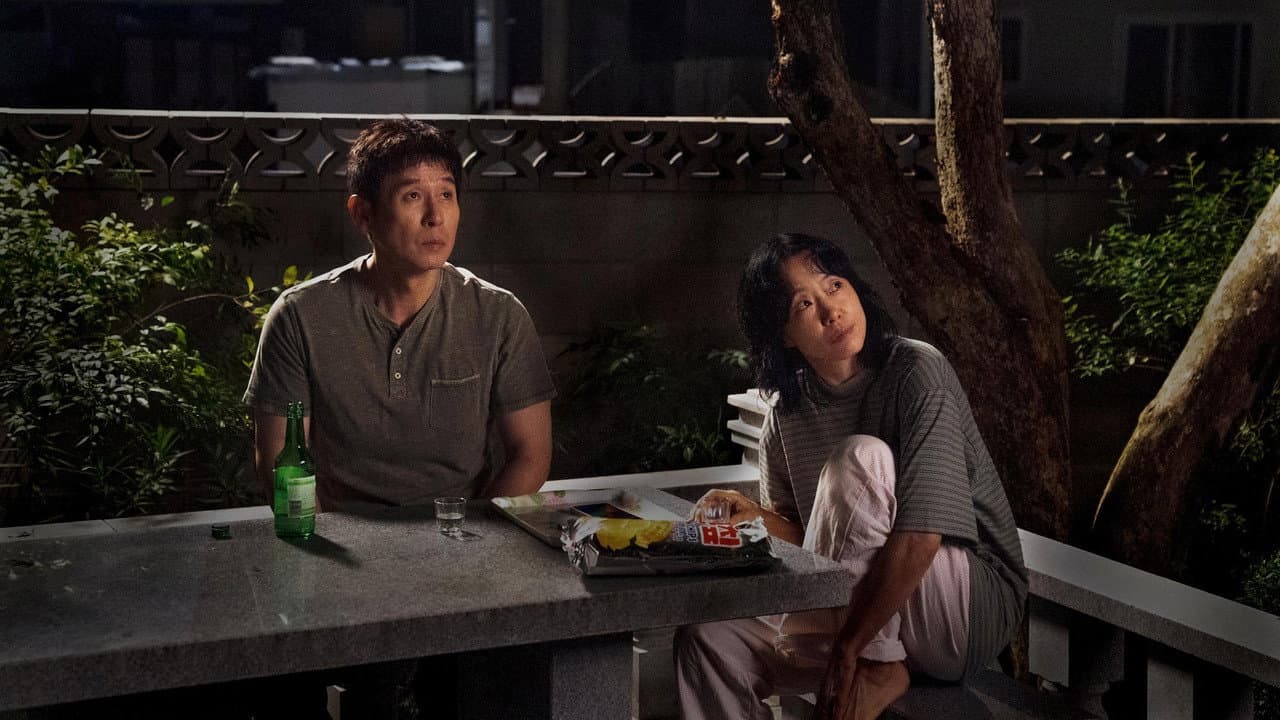
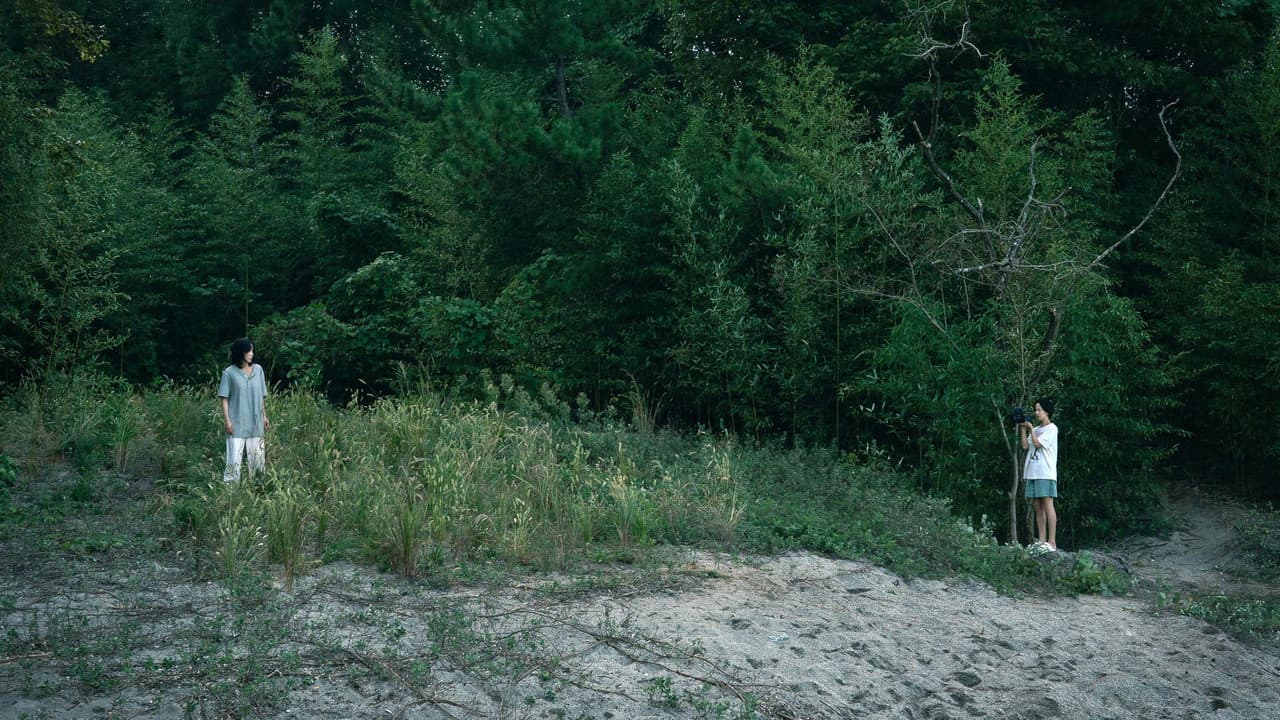
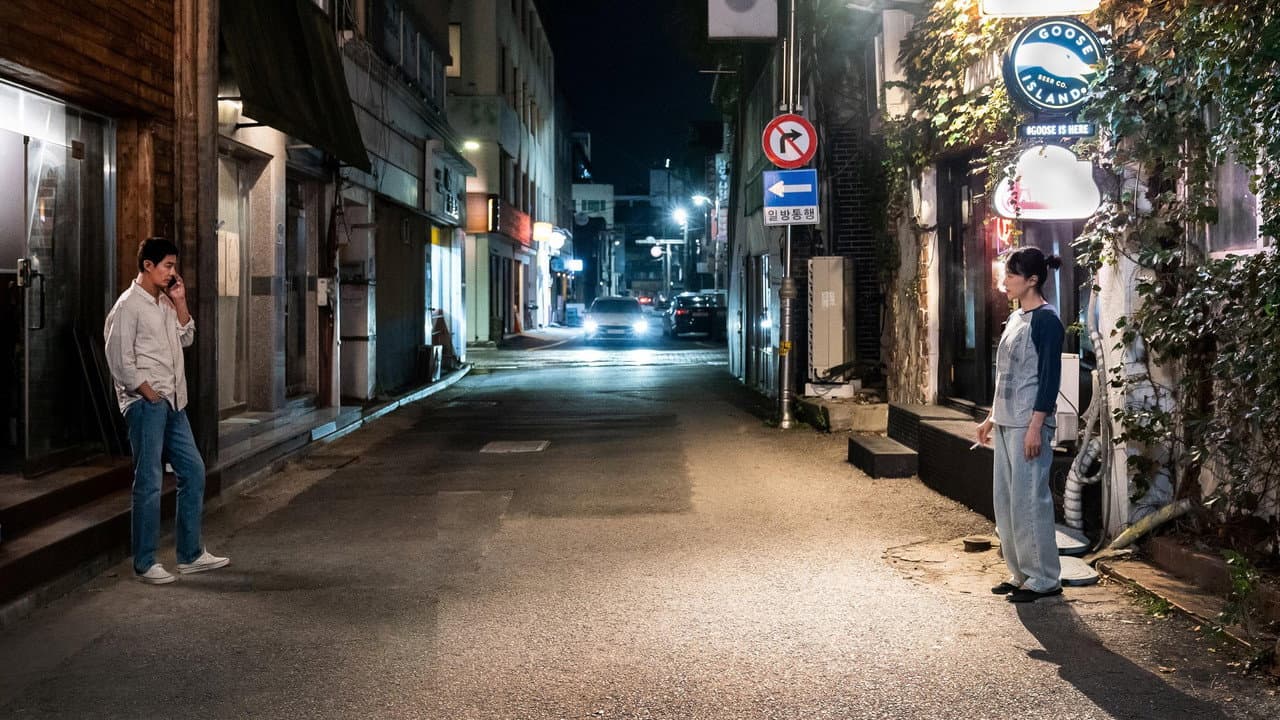
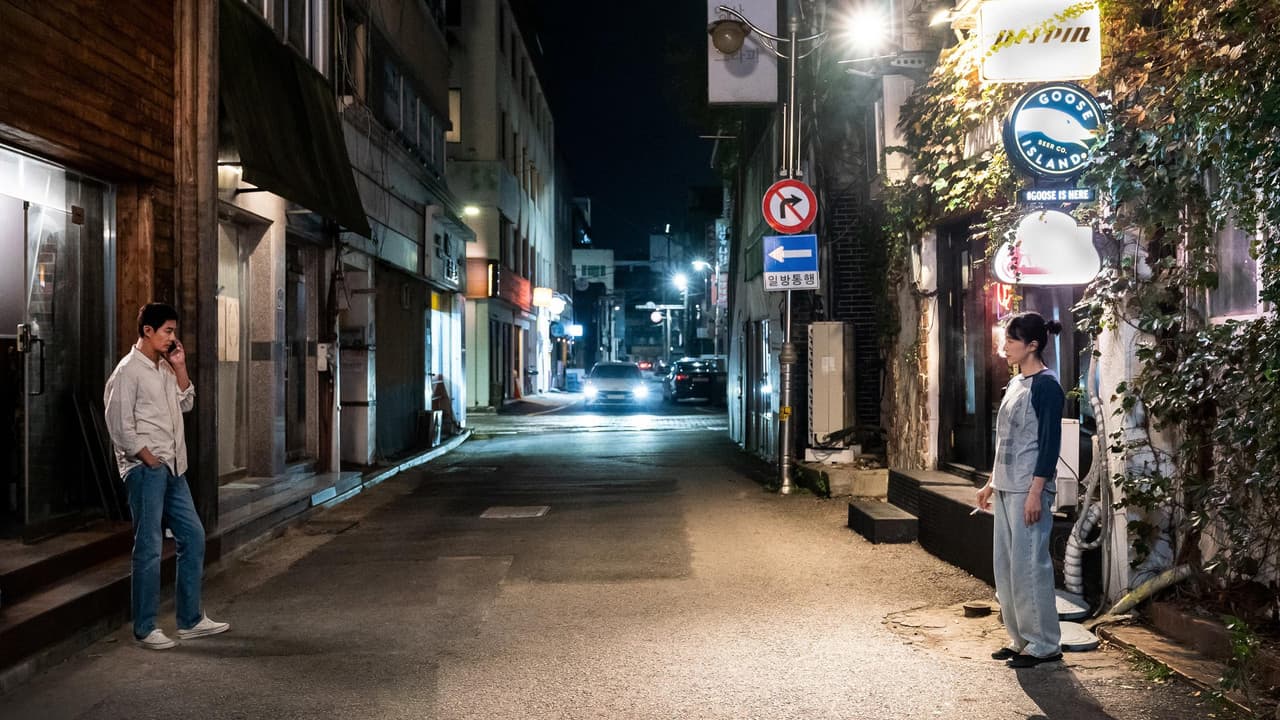
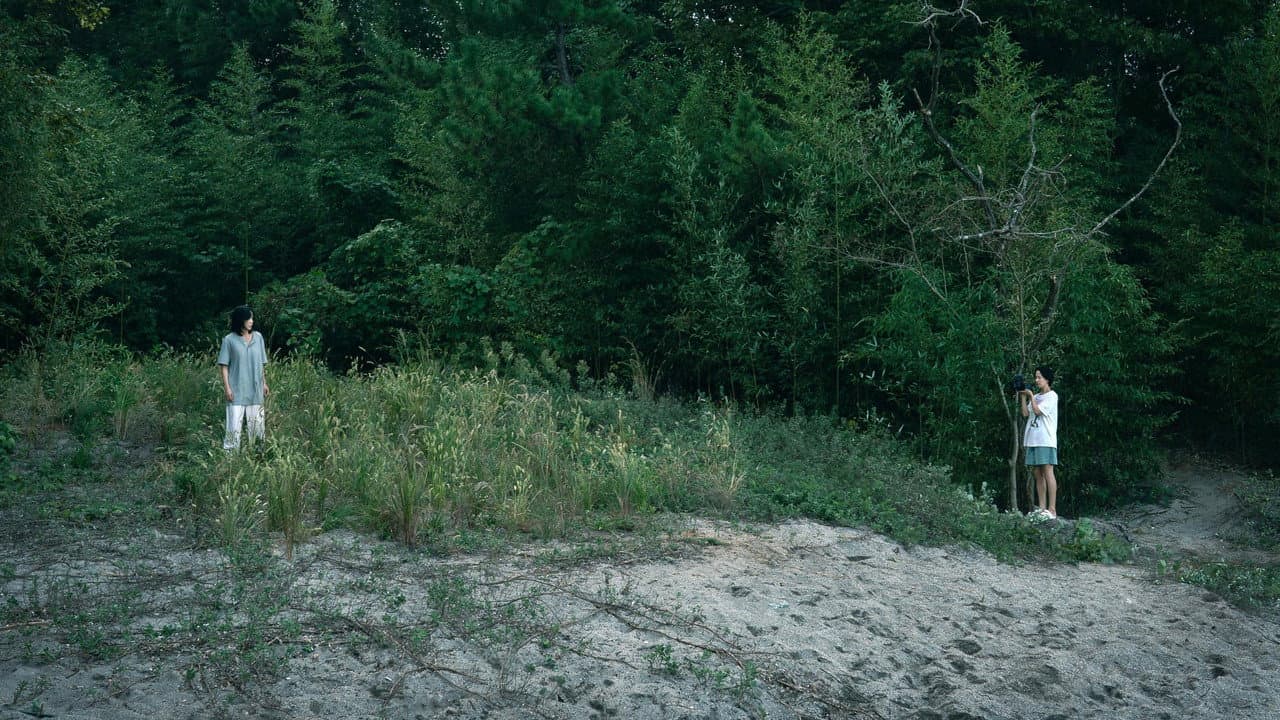
The film, which clocks in at a substantial 165 minutes, marks Chang-dong's return to the director's chair after a lengthy hiatus. It tells the story of a laid-off worker named Ho-seok and his wife, Mi-ok, whose lives become entangled with those of a documentary filmmaker, Sang-woo, and his spouse, Ye-ji. As the two couples cross paths, buried longings and unspoken desires rise to the surface, forcing each character to confront the lives they have built versus the ones they secretly crave.
Possible Love is slated for a domestic theatrical release on September 23, 2026, meaning the Oscar selection arrives ahead of its public debut. That unusual timing suggests the committee saw enough in the finished cut to stake South Korea's reputation on it, even before local audiences have had their say. The film stars Jeon Do-yeon as Mi-ok, Sul Kyung-gu as Ho-seok, Zo In-sung as Sang-woo, and Cho Yeo-jeong as Ye-ji, with Jo Yu-ri also attached to the project in an as-yet-unspecified role.
Jeon Do-yeon and Sul Kyung-gu are no strangers to awards-season scrutiny. Jeon took the Best Actress prize at Cannes in 2007 for Secret Sunshine, which was also directed by Lee Chang-dong, and Sul has earned acclaim across a career spanning both commercial and art-house cinema. Their reunion with Chang-dong carries symbolic weight, as it recalls the partnership that put Korean cinema on the international festival map nearly two decades ago. Zo In-sung, best known for his television work, steps into a more prestige-driven space here, while Cho Yeo-jeong brings a pedigree that includes a role in Parasite, the film that won South Korea its first and only Best Picture Oscar in 2020.
The selection committee faced a crowded field this year, with several commercially successful and critically praised Korean films vying for the single slot. Possible Love emerged victorious, a decision that signals a preference for auteur-driven, festival-friendly filmmaking over mainstream blockbusters. It also reinforces Lee Chang-dong's standing as one of the country's most revered directors, a figure whose works - like Burning and Poetry - have consistently earned international attention even when they fell short of Oscar nominations.
South Korea has a complicated history with the International Feature category. Despite Parasite's historic Best Picture win in 2020, the country has never actually taken home the International Feature Oscar. Bong Joon-ho's film was famously ineligible for that prize due to a rule change that year, and prior submissions have frequently missed the shortlist. The last time a Korean film made the final five was in 2019, when Parasite won the category - only for the Academy to later adjust its rules for the following year's ceremony.
That context looms over Possible Love's candidacy. The film's lengthy runtime, slow-burn narrative, and introspective tone align more closely with the European arthouse sensibility that historically dominates the category, but they also present a risk. Academy voters often favor films with broader emotional hooks, and a two-hour-and-forty-five-minute drama about middle-aged discontent may prove a harder sell than the genre-twisting thrillers that have recently found favor.
Still, the choice reflects a deliberate gambit. Lee Chang-dong's reputation as a meticulous craftsman - his last film, Burning, earned near-universal critical acclaim and was shortlisted for the 2019 Oscars - gives the submission instant credibility. And the cast's pedigree, particularly Jeon Do-yeon's Cannes win, provides a ready-made narrative for campaign materials.
The filmmakers themselves have remained characteristically tight-lipped. Early reports from private screenings describe a restrained, emotionally volatile work that builds slowly to a devastating climax, though no official reviews have been published ahead of the release. Those who have seen it suggest the film interrogates modern Korean life - job insecurity, marital stagnation, the gap between public persona and private longing - with the kind of unflinching gaze that has defined Chang-dong's career.
For Hollywood observers, the selection serves as a reminder that South Korea's cinematic output extends far beyond the global box-office hits that have dominated streaming charts. Possible Love represents a different axis of Korean filmmaking: literary, patient, and unafraid to leave its audience uncomfortable.
The Academy has not yet announced the full list of international submissions, and the shortlist for the category is expected in December, with nominations following in January 2027. Until then, Possible Love holds the distinction of being South Korea's official standard-bearer - a weighty mantle for a film that has yet to even open in its home country. Whether it can translate that early confidence into a nomination, or even a win, remains an open question. But for now, Lee Chang-dong and his collaborators can take pride in having cleared the first, and most competitive, hurdle.
Source: Hollywood Reporter