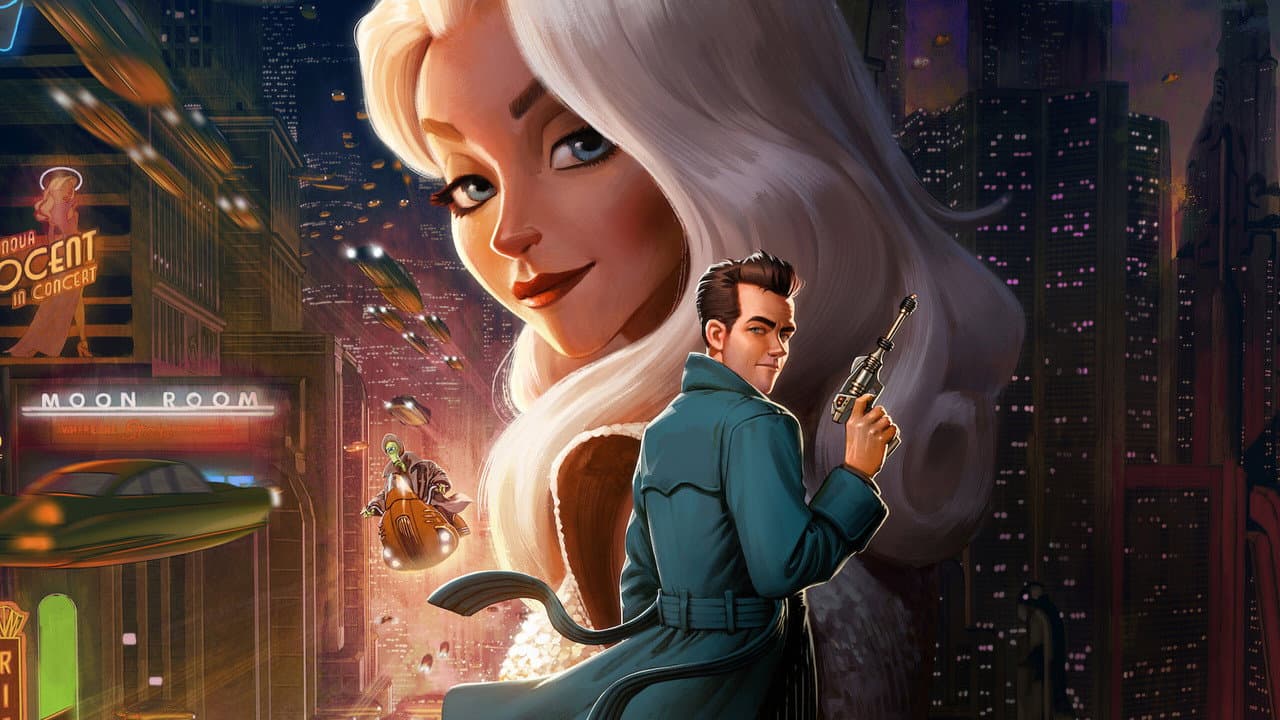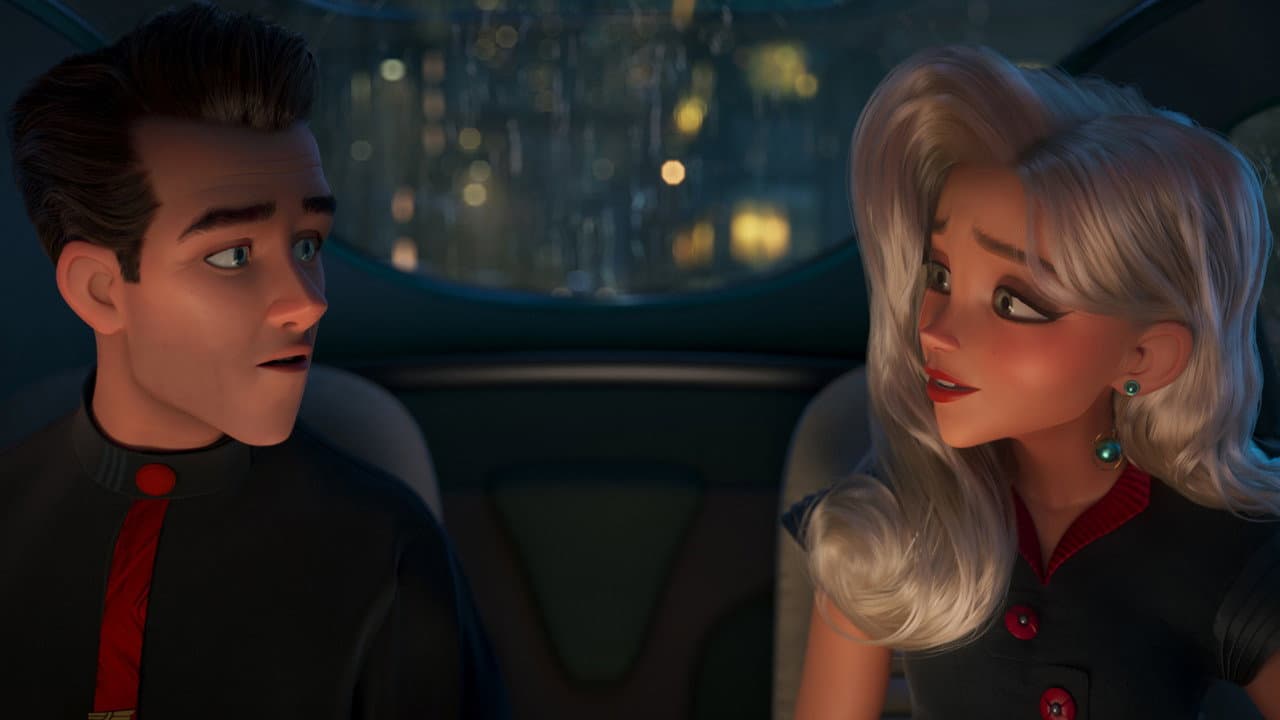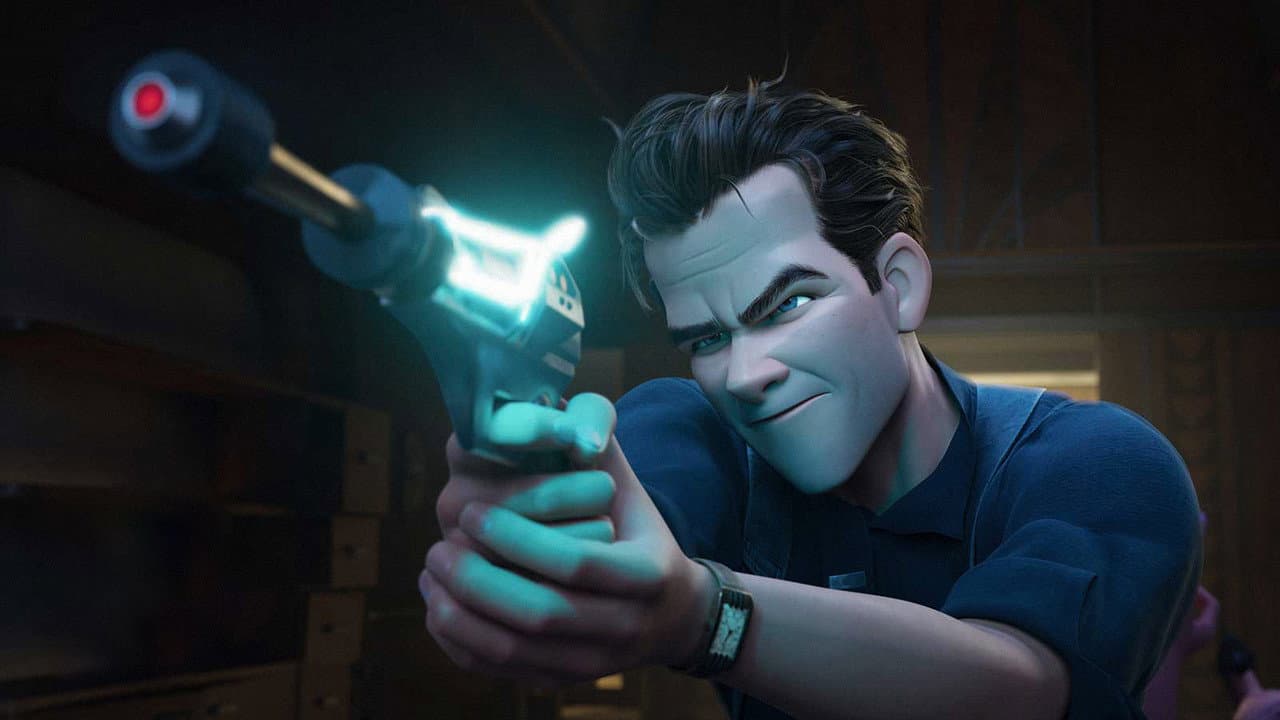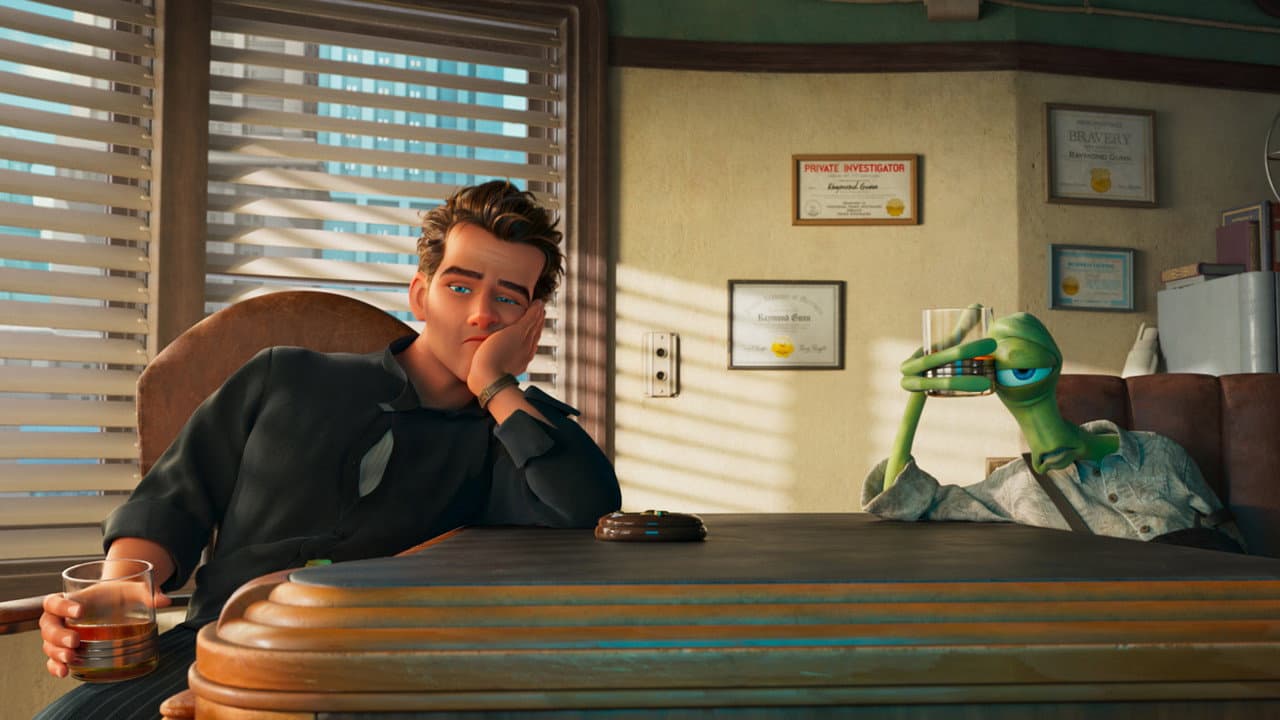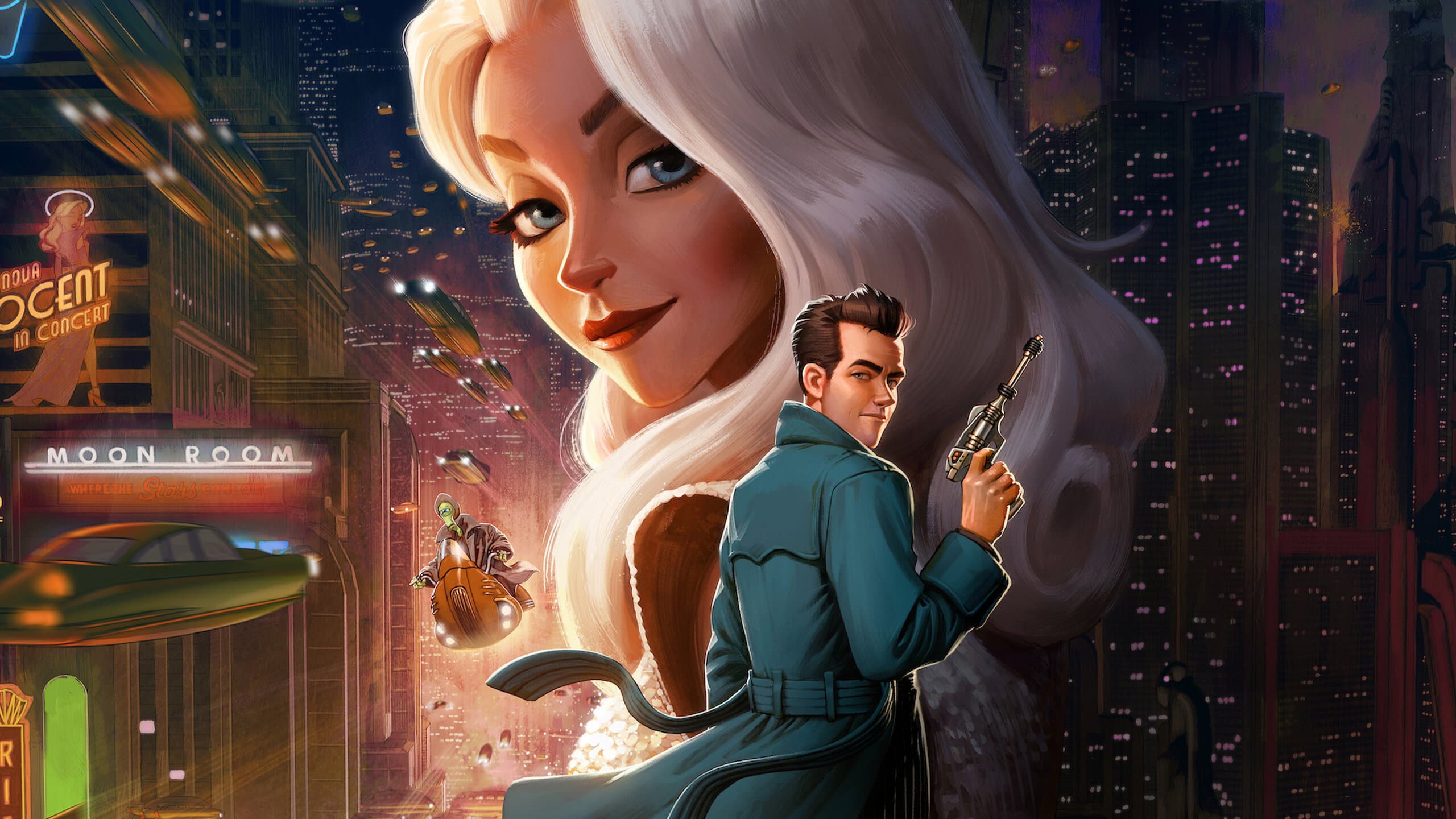
After decades of teases, near-misses and outright false starts, Brad Bird's long-gestating "Ray Gunn" finally has a release date. The animated sci-fi noir will hit theaters on December 2, 2026, with a voice cast led by Sam Rockwell as the title character, Scarlett Johansson as multimedia star Venus Nova, and Tom Waits as the mysterious Eye-Ra.
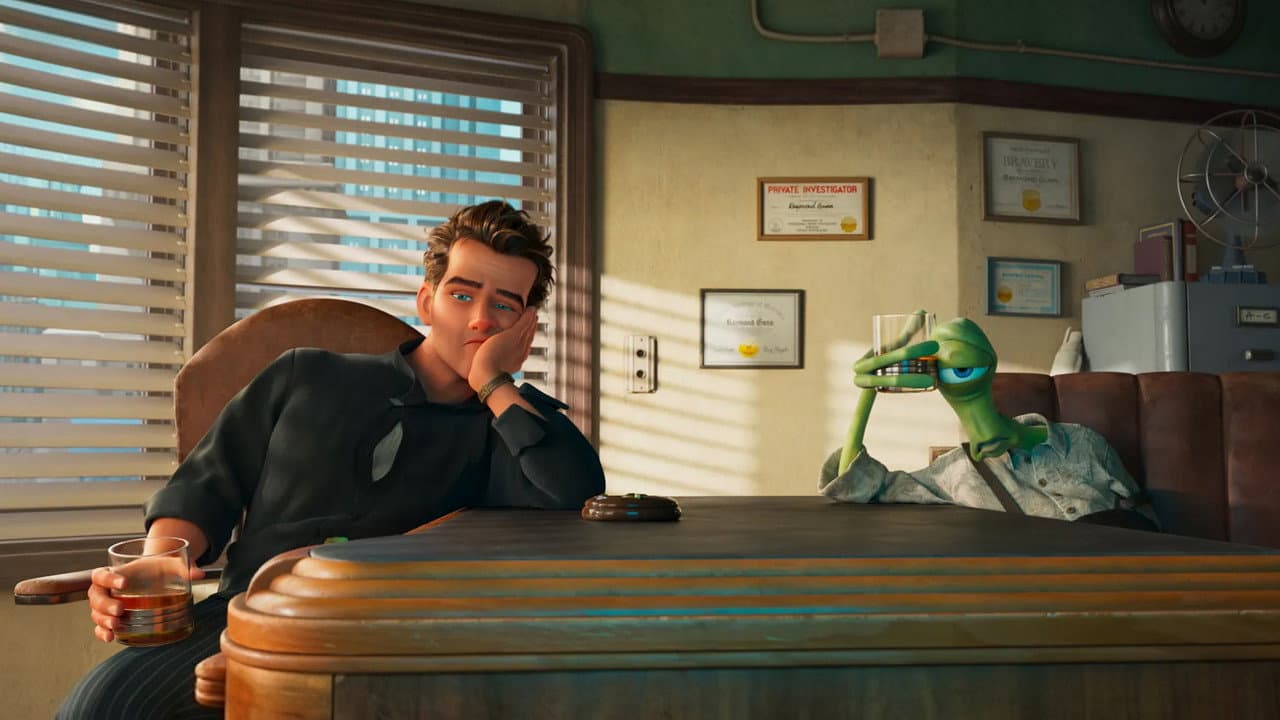
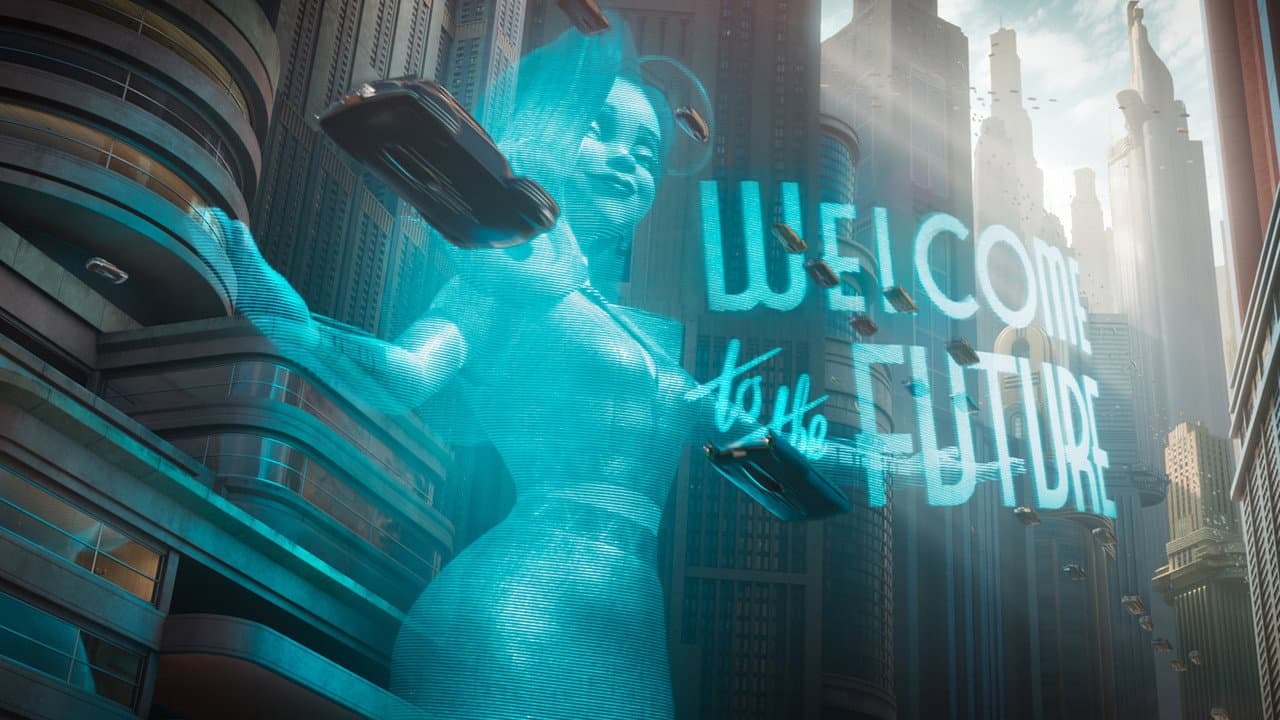
The film, which runs 119 minutes, unfolds in Metropia, a sprawling megacity in an alternate future viewed through the lens of 1939. Raymond Gunn, a private detective, finds himself pulled into a case tangled up in aliens, a murder and the orbit of Venus Nova - the kind of premise that sounds like vintage pulp and futuristic speculation at the same time. Bird directs from his own long-cherished project, an original story that has circulated in Hollywood lore for years as the one that got away.
For Bird, the road to "Ray Gunn" has been anything but direct. He spent much of the past decade working in live action, and that detour gave him both the clout and the technical schooling to bring a stylized noir cityscape to life in a way that animation alone might not have allowed a generation ago. The result, by his own account, is a movie that leans into the theatricality of 1930s detective fiction while pushing the visual vocabulary of modern animation.
A Noir Built From an Alternate 1939
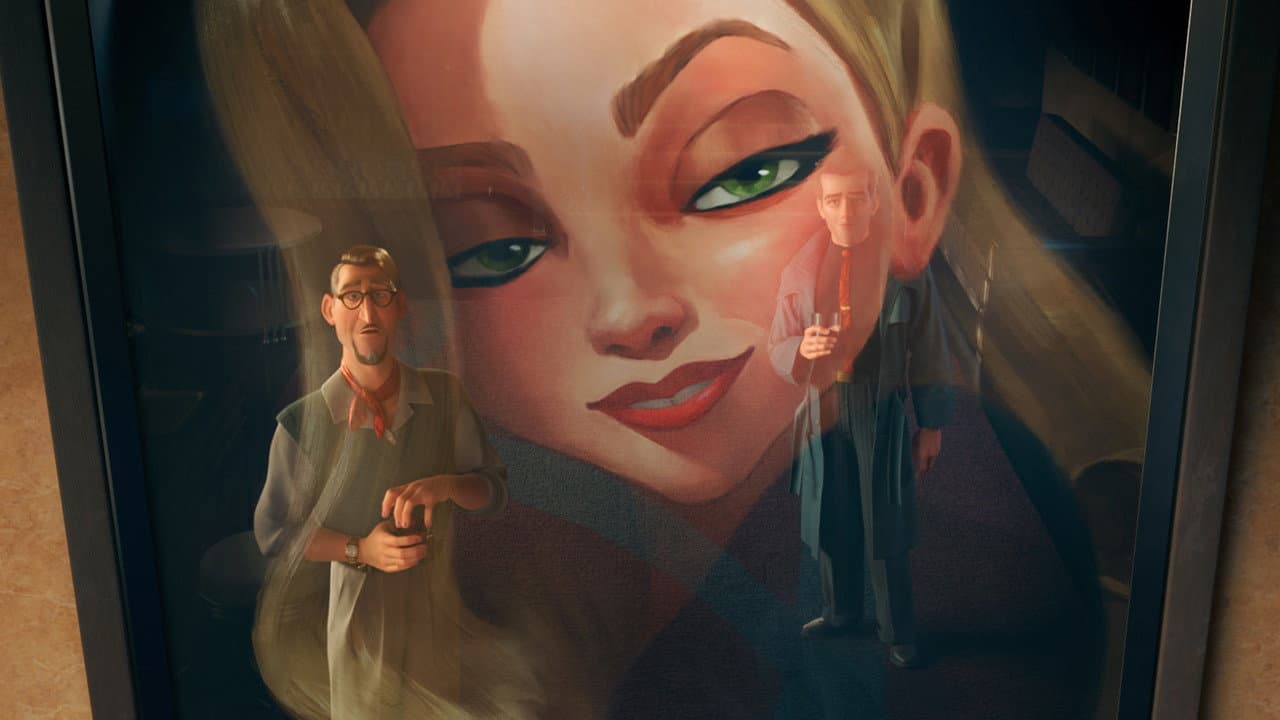
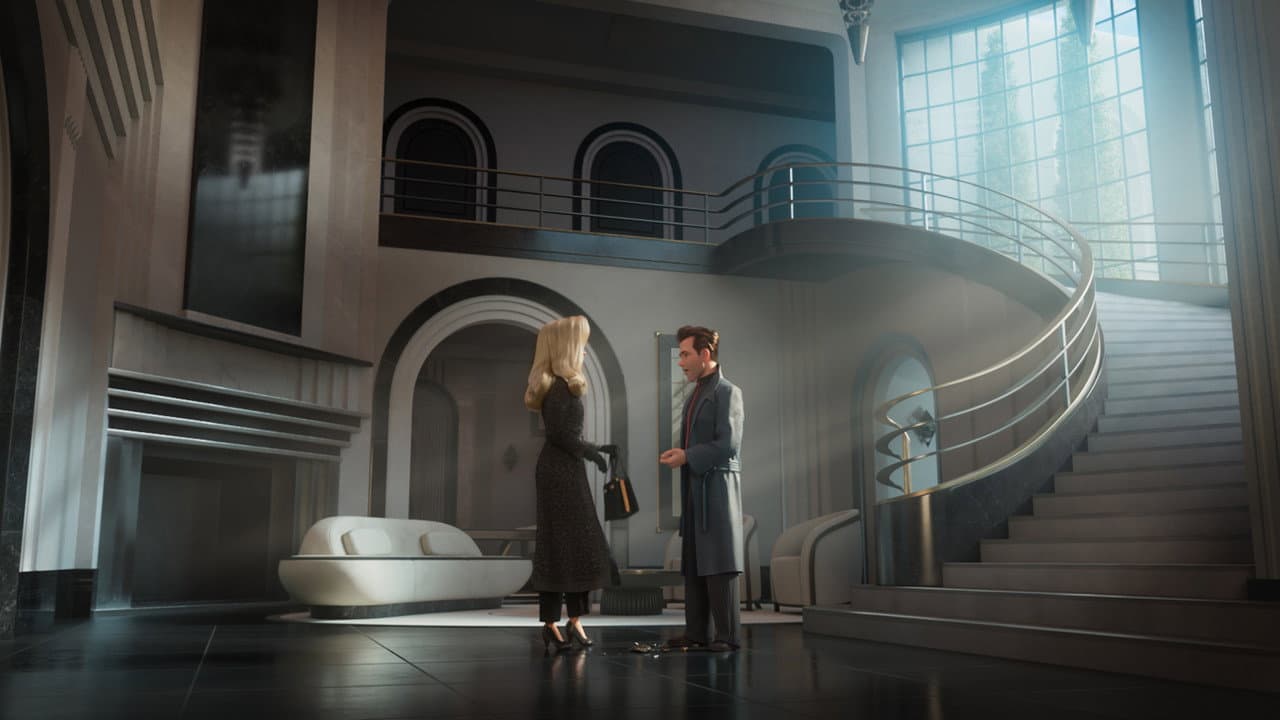
The world of "Ray Gunn" is not the actual 1939, but a version of it refracted through a future that never happened. Metropia is the kind of city where skyscrapers swallow the sky and every alley hides a transaction. Into that setting Bird drops a classic private-eye setup - a client, a killing and a woman who may be more than she appears - then adds aliens to the mix. Venus Nova, voiced by Johansson, is described as a multimedia star, a figure whose fame crosses whatever platforms the alternate future has on offer.
The supporting cast reads like a character actor's dream list. Tom Waits voices Eye-Ra, a name that practically guarantees a strange scene or three. Matt Berry plays Francis "Slugsy" Xavier, Kathryn Hunter is Vanzine, Alan Tudyk voices Barry Vogel, Bobby Cannavale is Arnold Dom and Michelle Rodriguez plays Roz Dexler. That lineup suggests Bird is populating Metropia with the kind of eccentric, lived-in characters that have always been his specialty, from "The Iron Giant" to "The Incredibles."
Animated science-fiction crime is a tricky hybrid. It asks audiences to hold a stylized visual world together with a mystery plot that has to actually work. Bird has spoken before about his affection for detective fiction and his desire to build something that honored the genre's rules while bending its setting into something new. "Ray Gunn" is the fullest expression of that ambition to date.
The Live-Action Detour
Bird's live-action run is inseparable from the story of how "Ray Gunn" got made. After "Mission: Impossible - Ghost Protocol" and "Tomorrowland," he became one of the rare animation directors who could move fluidly between formats. That experience shaped how he approached production on a film with this much world-building. Live-action work forces a director to solve problems with physical space, light and performance, and those lessons tend to come back into animation as a sharper sense of staging and camera.
But the detour also cost time. Projects like "Ray Gunn" are expensive and unconventional, and studios tend to greenlight them in windows of opportunity rather than on their own schedule. Bird's commercial track record in live action gave him the leverage to eventually get his passion project moving. In that sense, the years spent away from animation were not a detour at all but the price of admission.
When Things Turned Political at Disney
The more complicated chapter of this story involves Disney, where Bird has had a long and productive relationship. At a certain point, according to Bird, the creative conversation around the film shifted. What had been an artistic and logistical discussion turned political, a change he has described as sudden and unwelcome. He has been candid that the environment around the project became something other than a straightforward conversation about storytelling.
That friction is a reminder that even directors with Bird's resume do not get to make movies in a vacuum. Studios weigh brand strategy, internal politics and shifting executive priorities alongside the merits of a script. Bird's willingness to name the shift suggests the experience left a mark, and it likely explains at least part of why "Ray Gunn" took as long as it did to reach audiences.
Whatever happened behind the scenes, the film is now finished and dated. With Rockwell in the lead, Johansson as the star at the center of the mystery, and a deep bench of character actors around them, "Ray Gunn" arrives on December 2, 2026 as one of the season's more unusual propositions. For Bird, it closes a loop that has been open for most of his career.
Source: Hollywood Reporter