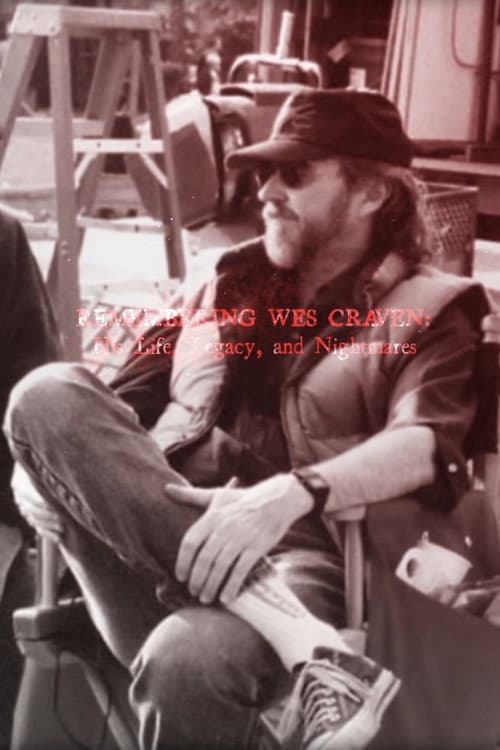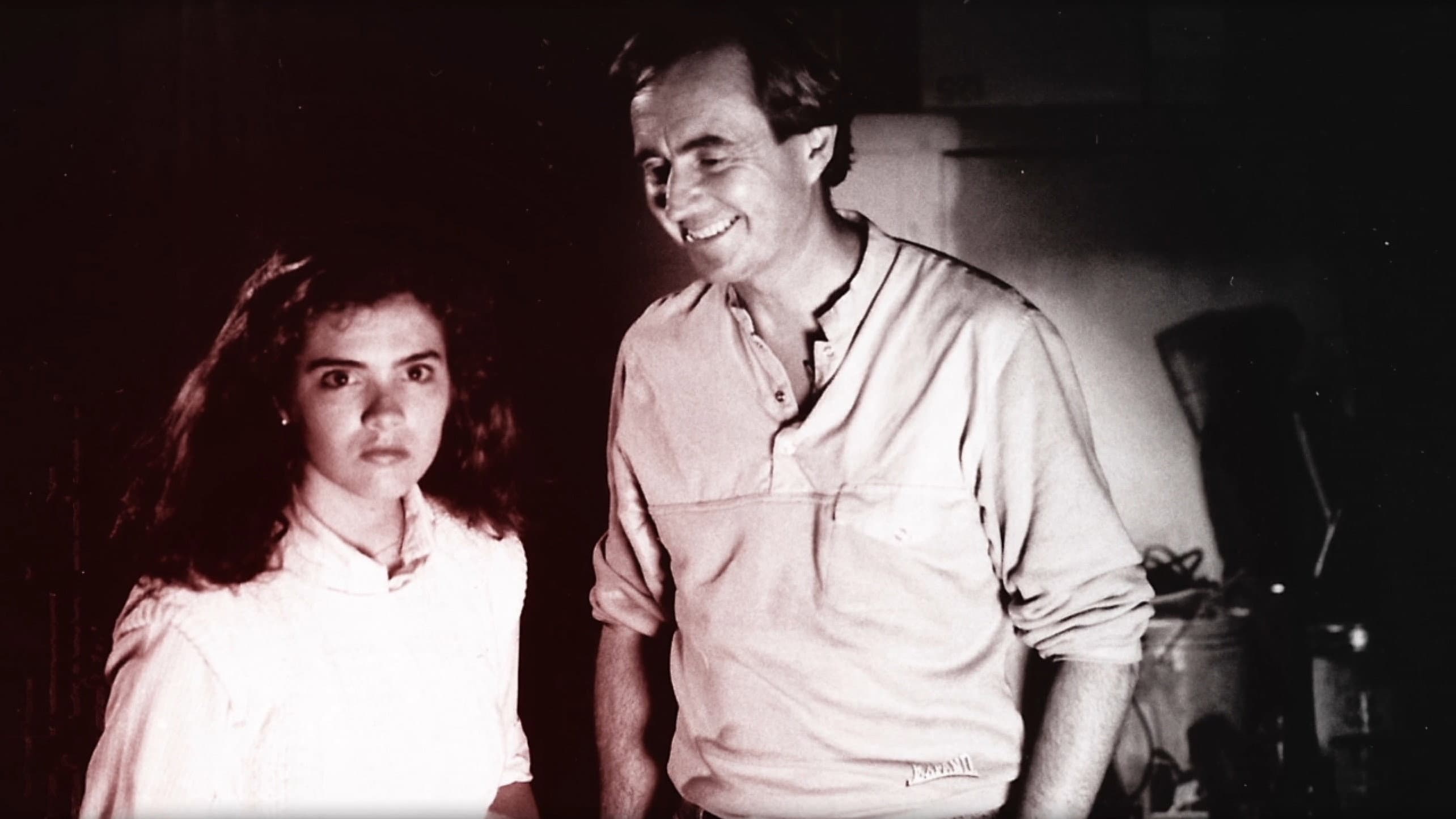

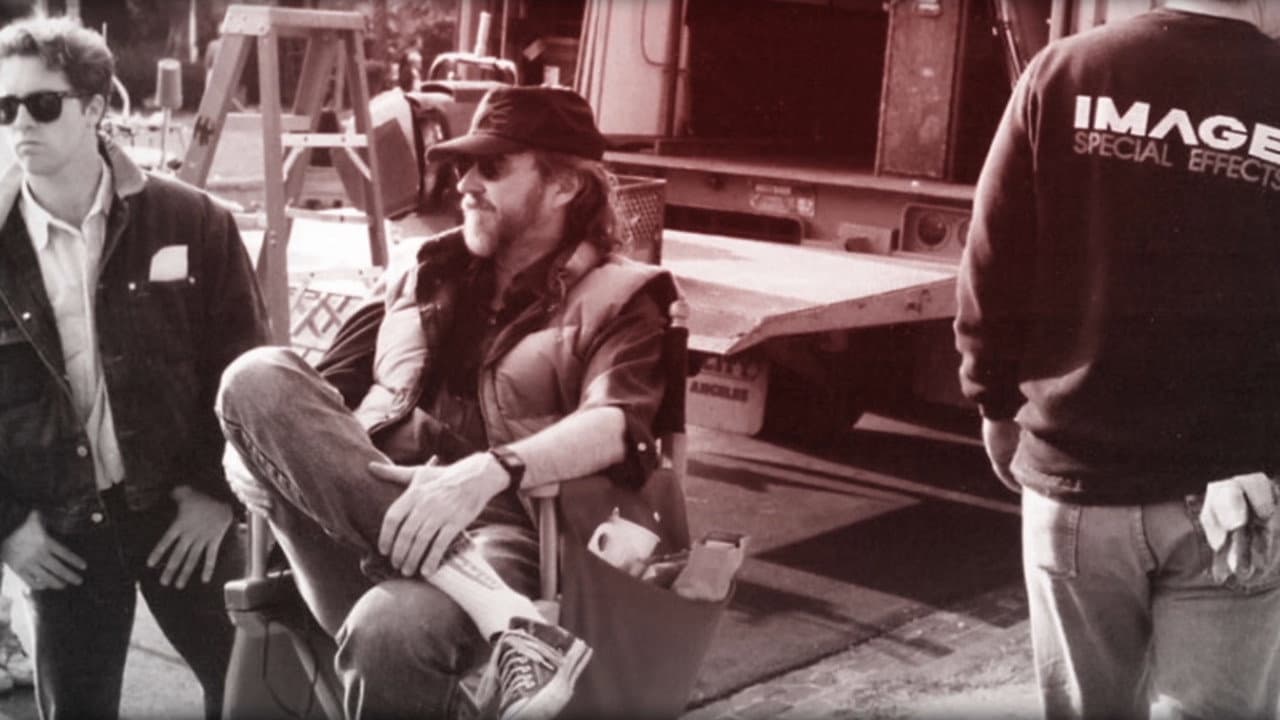
It’s a strange and somewhat sorrowful math that, as of today, September 7, 2026, Wes Craven has been gone for exactly eleven years. Yet, in the world of horror, his shadow has only grown longer. That’s the central thesis of Remembering Wes Craven: His Life, Legacy and Nightmares, a feature-length documentary that arrives on the anniversary of his passing with the weight of a eulogy and the energy of a revivalist sermon. Directed by genre journalist and critic Heather Wixson, this is not a quickie retrospective cobbled together from film clips. It’s a 108-minute portrait that digs into the man behind the monsters, and it feels less like a history lesson and more like a séance.
Release Date & Where to Watch
The film hits select theaters and digital platforms today, September 7, 2026. This is a deliberate, almost poetic choice - Craven passed away on August 30, 2015, and the Labor Day weekend box office has long been a graveyard for studio blockbusters, making it the perfect slot for a film that celebrates the patron saint of the midnight movie. For those who want the full communal experience, check your local art-house listings for evening screenings, likely with a few fans dressed as Freddy Krueger in the audience. If you prefer your nightmares in the comfort of your own home, the documentary will be available to rent or purchase on all major VOD platforms, including Apple TV, Amazon Prime Video, and Vudu. A physical release with hours of additional interviews is reportedly in the works for later in the fall, but for now, the digital cut is your gateway into the nightmare.
Cast & Crew
At the helm is Heather Wixson, a name familiar to anyone who has followed the horror beat over the last two decades. Known for her encyclopedic knowledge and deep connections within the industry, Wixson brings an insider’s respect rather than a fanboy’s gush. She doesn’t just list Craven’s filmography; she interrogates it.
The talking-head lineup is a murderer’s row of Craven’s recurring repertory company. Heather Langenkamp, the eternal Nancy Thompson from A Nightmare on Elm Street, anchors the emotional core, speaking with a mixture of reverence and lingering trauma about the role that defined her youth. Adrienne Barbeau, who brought fierce maternal grit to The People Under the Stairs, offers a grounded perspective on Craven’s social commentary. Then there’s Michael Berryman, the iconic Pluto from The Hills Have Eyes, whose face and stories serve as a living monument to Craven’s early, gritty period. On the technical side, editor Patrick Lussier - who cut Dracula 2000 and worked with Craven on Cursed - provides insight into the director’s meticulous, often improvisational editing-room process. Most poignant, however, is the archive footage of Robert Shaye, the New Line Cinema founder who bet the entire studio on a then-unknown Craven and a burned-faced dream demon. Shaye’s presence, culled from older interviews, reminds us that Craven’s success was never a sure thing.
Story & What to Expect
The documentary doesn’t follow a strict chronological line, which is a wise choice given how erratic Craven’s career path was. Instead, Wixson organizes the film thematically, bouncing from the brutal realism of The Last House on the Left to the surreal studio nightmares of Shocker and Wes Craven’s New Nightmare. Expect a deep dive into his early years as an English professor and his uneasy relationship with the explicit violence he pioneered. The film argues that Craven was always a sociologist first and a shock artist second; his best work, from The Hills Have Eyes to the Scream franchise, was about the breakdown of the nuclear family and the hypocrisy of the American dream.
There are moments of genuine levity, too. Langenkamp recounts the absurdity of shooting the iconic "telephone tongue" scene, while Berryman discusses the make-up process that took hours and left him unable to eat lunch. But the film’s most fascinating stretch covers the decade of darkness in the 1990s, when Craven was buried in development hell on Nightmare sequels he didn’t want to make. The narrative builds to the glorious resurrection of 1996’s Scream, a film that not only saved the slasher genre but also reinvented it. Wixson handles the balance well: this is a celebration, not a hagiography. She acknowledges Craven’s missteps, including the studio-mangled My Soul to Take, but frames them as necessary experiments from a man who never stopped trying to scare himself.
Why It's Worth Watching
Simply put, there has not been a comprehensive, authorized-feeling documentary on Craven in the eleven years since his death. The horror community has had retrospectives on Friday the 13th and Halloween, but the man who arguably birthed the modern meta-horror film has been waiting for his definitive due. Remembering Wes Craven earns its place because it refuses to reduce him to the "Master of Horror" label. It reminds us that he was a shy, bookish intellectual who was genuinely frightened of what his own imagination conjured. The film’s title is apt - it is about remembering, but with a forward-looking eye. Wixson’s interviews with younger editors and directors, sprinkled throughout, underscore how Craven’s DNA is present in current hits like Smile and Talk to Me.
For the uninitiated, this serves as an excellent primer, but for the devoted, it’s a cathartic release. Hearing Berryman laugh about how Craven demanded he hold his breath for uncomfortably long takes, or watching Langenkamp get misty-eyed discussing the final scene of New Nightmare, carries a weight that no Wikipedia summary can match. The runtime flies by, and you leave with a bittersweet ache - gratitude for the art he left behind, and the inevitable thought of what other terrors he might have dreamed up. In a genre that often cannibalizes itself, this documentary is a loving, respectful tribute to the man who taught us that the real monsters don’t wear masks - they live right up the street.