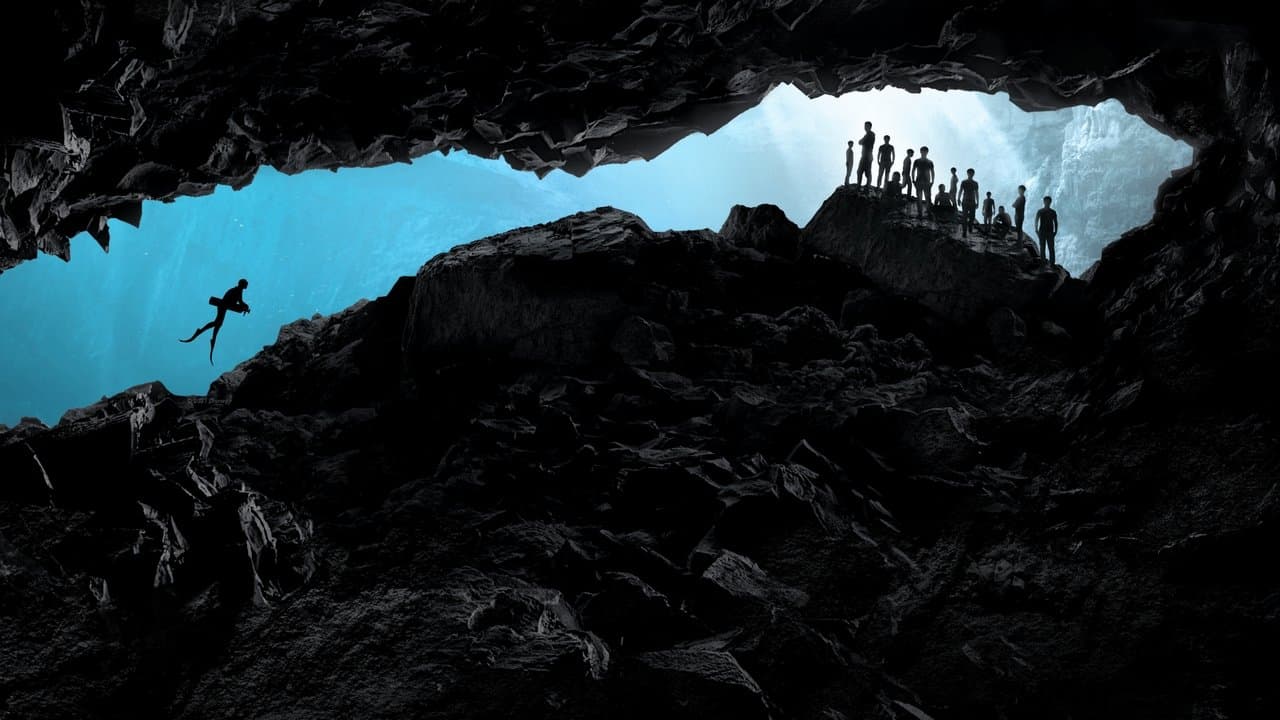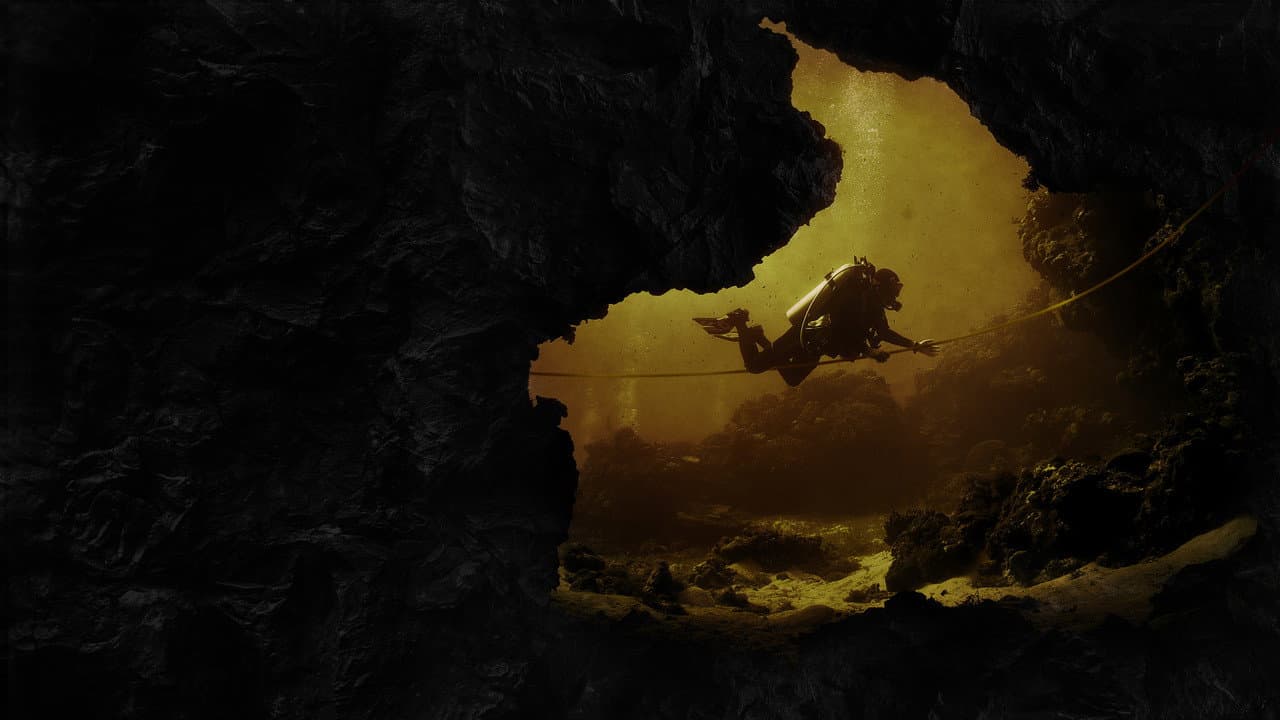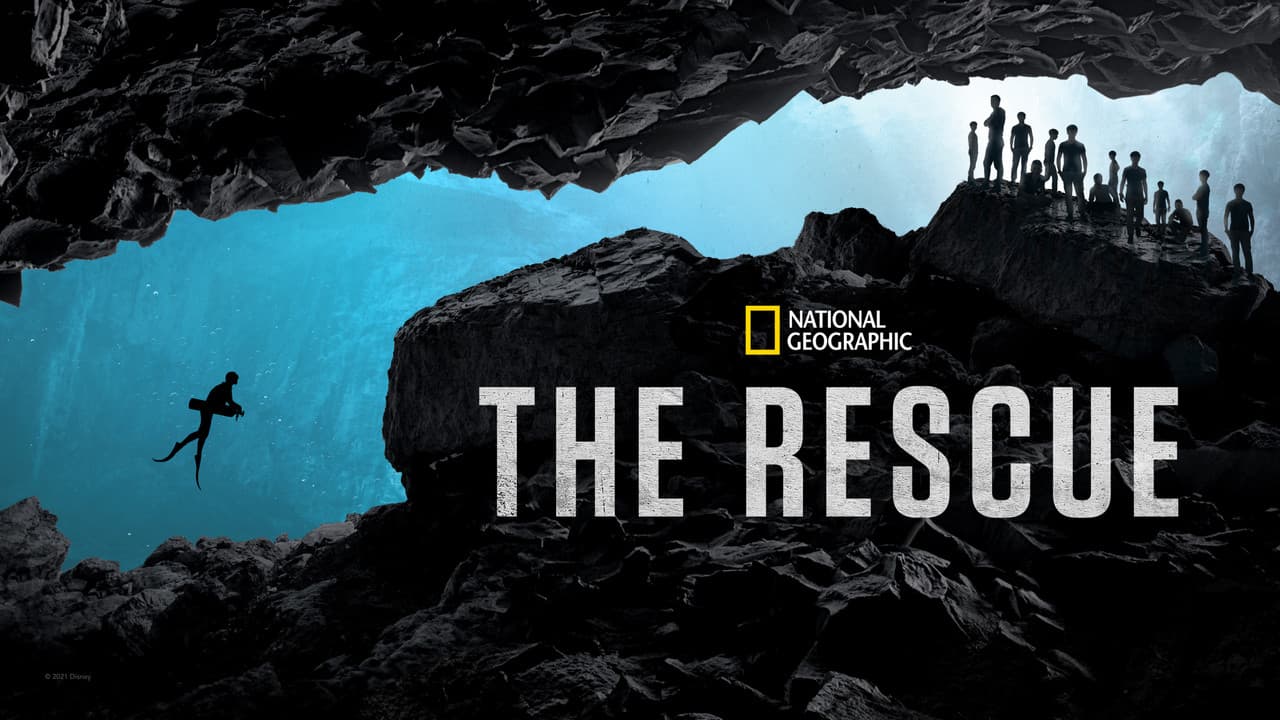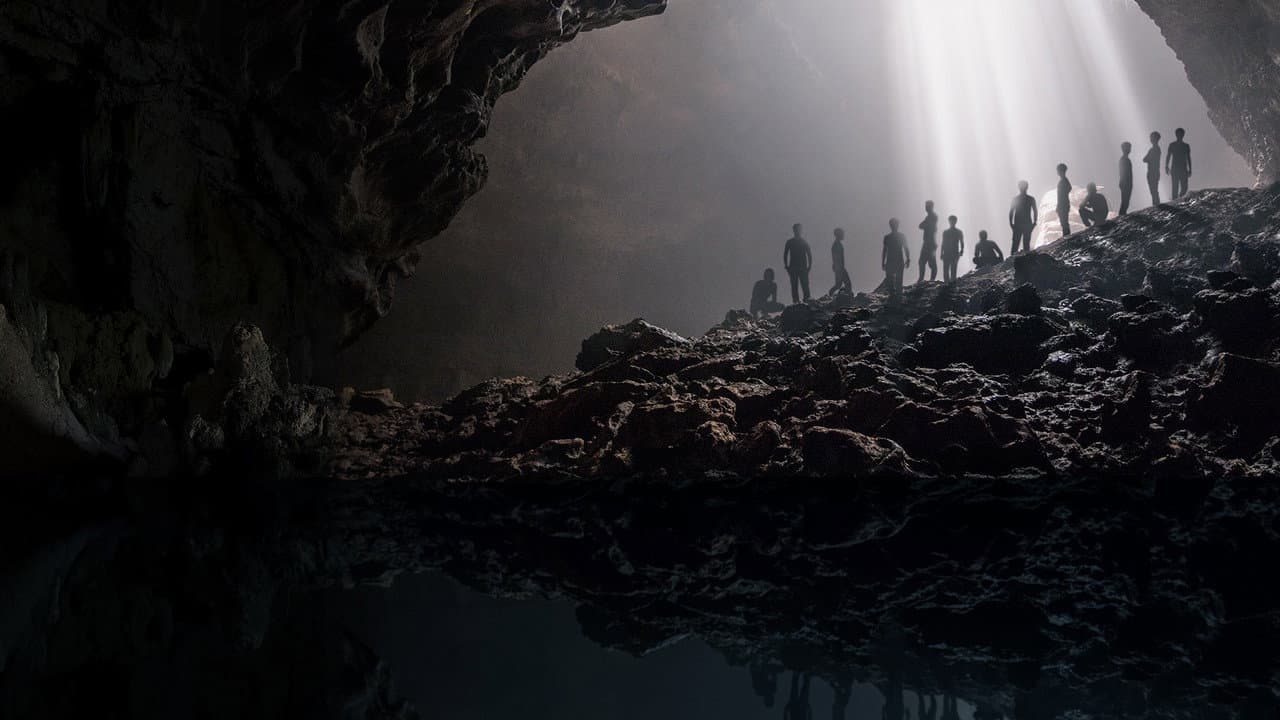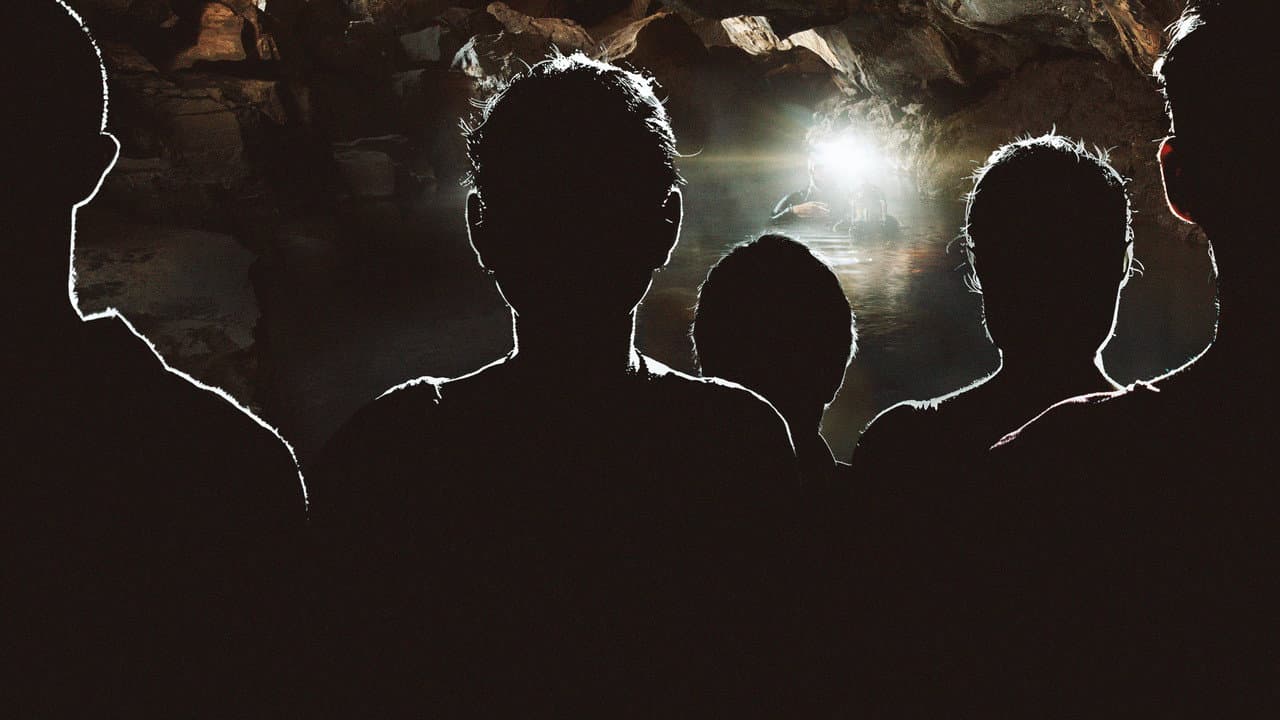
Italy's Fandango Distribution has picked up theatrical rights to "Rescue," the documentary about the 2018 Tham Luang cave operation, with Swiss public broadcaster RTS boarding the project as a broadcasting partner. The deal, confirmed exclusively to Hollywood Buzz News, hands Fandango the Italian release while RTS takes Swiss television rights, extending the film's reach into two more European markets.
"Rescue" recounts the enthralling, against-all-odds story that transfixed the world in 2018: the daring rescue of twelve boys and their coach from deep inside a flooded cave in Northern Thailand. The film runs 107 minutes and pairs the documentary format with dramatic reconstruction, a hybrid approach that has become a signature of its directors. It carries an 8 out of 10 rating on TMDb and had its initial release on October 8, 2021. Though the production is a Hollywood industry title with English as its original language, its subject matter is rooted entirely in Southeast Asia - a contrast that has helped it travel across borders.
A Rescue Story That Keeps Finding New Audiences
The acquisition arrives nearly five years after the film's original release, an unusual lag for a theatrical pickup but one that reflects the durability of the material. The Tham Luang episode remains one of the most covered rescue operations in modern memory, and "Rescue" distinguishes itself by centering the divers and support crew who made the extraction possible rather than the spectacle surrounding it.
That choice is embedded in the cast list, which is composed almost entirely of people who were actually there. Jim Warny, Thanet Natisri, John Volanthen, Derek Anderson, Rick Stanton, Mikko Paasi, Richard Harris and Josh Morris all appear as themselves, playing no role other than their own. For Italian audiences, the appeal lies less in star power than in the you-are-there credibility that a self-portraying cast provides.
Fandango has built a reputation in Italy for distributing international documentaries and specialty titles that major studios often pass over. Adding "Rescue" fits that profile. The company has not announced a release date or a screen count for the Italian run.
RTS Brings the Film to Swiss Television
RTS's involvement gives the project a free-to-air home in Switzerland, a market where documentary acquisitions often hinge on an established broadcast partner. Public broadcasters in Europe have shown growing appetite for survival and rescue narratives, particularly when the underlying event has a documented global news footprint.
The arrangement also mirrors a broader trend in independent film distribution, where theatrical and broadcast rights are negotiated as companion pieces rather than sequential sales. By locking in both an Italian distributor and a Swiss broadcaster, the film's rights holders secure two revenue streams and two distinct audiences without waiting for a single all-rights buyer.
What RTS paid, and the length of its licensing window, were not disclosed. Representatives for the broadcaster did not respond to a request for additional comment by publication time.
Why the Film Still Works Five Years On
Part of the answer is craft. "Rescue" is directed by Jimmy Chin, whose background as a climber and photographer shaped a filmography built on vertigo and physical risk. His camera instincts suit a story that unfolded in darkness, water and narrowing passages - conditions that resist conventional documentary coverage. The 107-minute runtime suggests a tight edit, and reviews at the time of release singled out the tension of the underwater sequences.
The other part is the story itself. Twelve boys and their coach, trapped by rising monsoon water, drew an international volunteer effort that included divers, engineers, medics and Thai authorities. Thanet Natisri's presence in the cast points to the water-management side of the operation, a component often overshadowed by the diving drama. Mikko Paasi and Richard Harris, both experienced cave divers and medical professionals, represent the intersection of technical skill and clinical judgment that the rescue demanded.
For Fandango, the bet is that Italian viewers who followed the 2018 events will turn out for a film that treats the operation as a procedural rather than a thriller. For RTS, the wager is that Swiss television audiences will do the same from their living rooms.
Neither company has indicated whether the deal includes home entertainment or streaming rights, and no international rollout beyond Italy and Switzerland has been confirmed. Whether other European distributors follow Fandango's lead may depend on how the Italian release performs - and on whether a story the world already knows can still surprise an audience that lived through the headlines.
Source: Hollywood Reporter