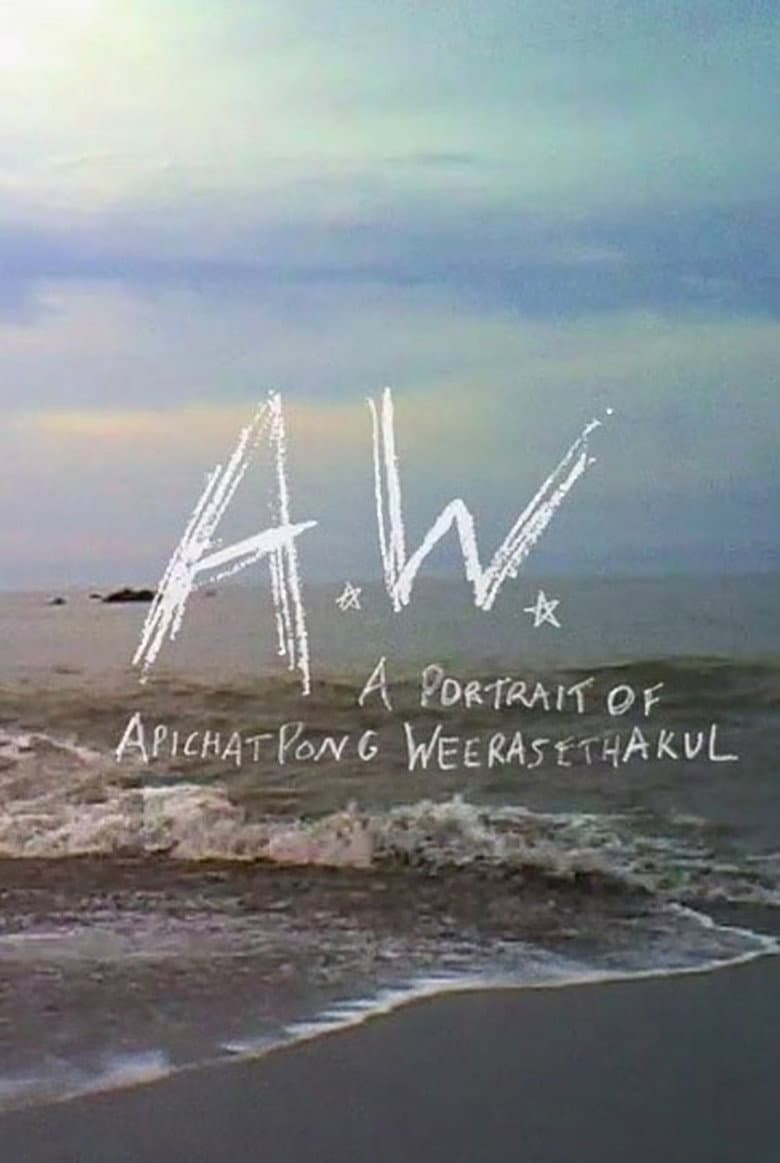
The acclaimed Thai filmmaker Apichatpong Weerasethakul is getting the archival treatment he has long deserved, with a slate of his restored works now drawing serious attention from collectors and cinephiles circulating the Venice International Film Festival. The initiative, confirmed this week, positions the director’s singular, hypnotic body of work as a tangible piece of cinema history rather than just a festival circuit staple, with the restored prints and digital masters available for acquisition through a boutique distribution and sales outfit operating out of the Lido.
For those who have followed Weerasethakul’s career - from his Palme d’Or triumph with Uncle Boonmee Who Can Recall His Past Lives to his more recent, meditative English-language turn in Memoria - the reissue of his earlier features feels less like a commercial endeavor and more like a cultural necessity. His films, which blur the line between documentary observation and dreamlike fiction, have often been difficult to see outside of major retrospectives. The restoration project, undertaken with the director’s full involvement, means that titles long relegated to grainy, out-of-print DVDs are now being presented with the visual fidelity they always required. This is not merely a cleaning-up of old reels; it is a re-framing of an artist whose work depends entirely on atmosphere, temperature, and the slow creep of light.
The announcement arrives amid a broader trend in the art-house world, where studios and rights-holders are finally recognizing the commercial afterlife of auteur cinema. But Weerasethakul’s case presents a unique set of challenges. His films are not easily digestible; they refuse conventional narrative hooks, often running on a logic that feels closer to a recurring dream than to a screenplay. Yet that is precisely the point. The restorations, reportedly supervised frame-by-frame, preserve the grainy texture of his 16mm work and the ambient sound design that functions as a character in its own right. For buyers, the appeal is dual: acquiring a piece of modern cinema’s avant-garde canon, and securing the right to screen it properly, in venues where the projector’s hum and the audience’s stillness become part of the experience.
Specific titles in the lineup include his earlier, harder-to-find features such as Mysterious Object at Noon and Syndromes and a Century, both of which have developed a near-mythic status among international film students. These are films that eschew spectacle in favor of a lingering, almost somatic engagement with place - Thai hospitals, jungle shrines, and the architecture of memory itself. The restorations are not just about visual clarity; they are about preserving the disorienting, slow-burn energy that made Weerasethakul a singular voice in world cinema. One representative on the ground in Venice noted that the response from archivists and museum programmers has been "overwhelming," adding that "these films were always meant to be seen in a room with other people, not on a laptop. The restorations respect that."
The move also feels timely given the director’s recent cultural footprint. After Memoria famously toured as a single, traveling print - a deliberate, anti-streaming statement that made headlines - the new availability of his older works offers a slightly different, more accessible entry point. It suggests that while the artist remains committed to the theatrical experience, he is also willing to let his legacy breathe in the marketplace. The sales push, handled by a team with deep roots in Asian cinema programming, is reportedly targeting not just major institutions but also independent distributors in territories that have historically underserved his work. The pricing, while unconfirmed for individual titles, is said to reflect the high cost of true archival restoration, with an emphasis on long-term library value rather than immediate streaming returns.
For casual viewers, the news might seem niche - yet it lands with considerable weight in Venice this year, where the conversation has repeatedly turned to the fragility of film heritage. As streaming platforms churn through content, and as physical media declines, the decision to invest in a restoration of films that are, by design, patient and demanding is something of a counter-cultural act. It is a bet that audiences will still seek out work that asks them to slow down, to listen, and to surrender to a logic that is not their own. Weerasethakul’s cinema has always been about ghosts, but the ghosts here are not just the figures on screen - they are the celluloid grains themselves, now brought back to life.
With the festival still underway, the full scope of the sales is unclear, but the presence of these restored works has already become a quiet talking point among the global film cognoscenti gathering along the water. It is a reminder that cinema’s future is not always about the next blockbuster; sometimes, it is about giving the past a second, sharper chance to haunt us. For those with the resources and the taste, that is an opportunity worth the trip to the Venice market floor.
Source: Hollywood Reporter