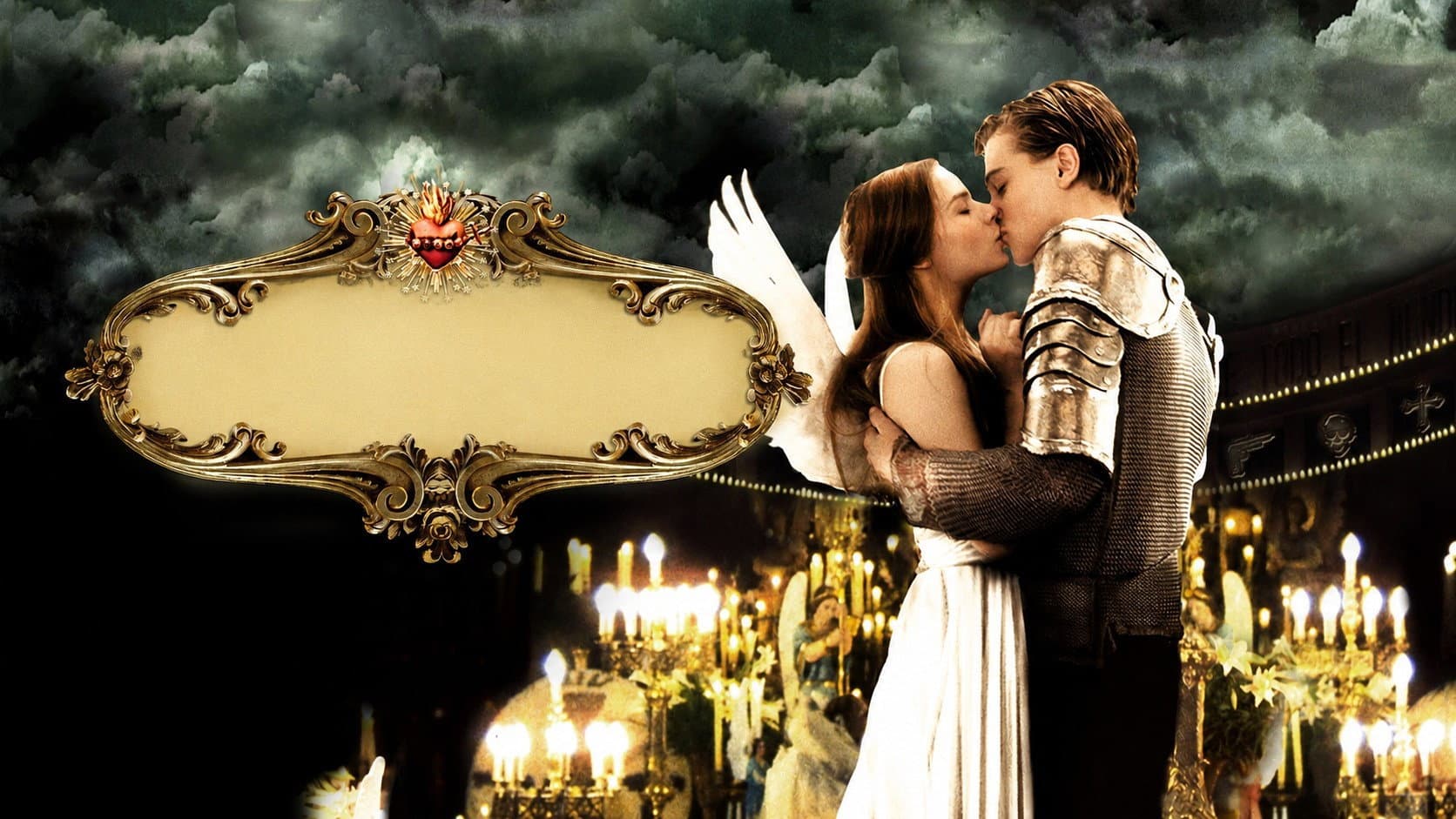

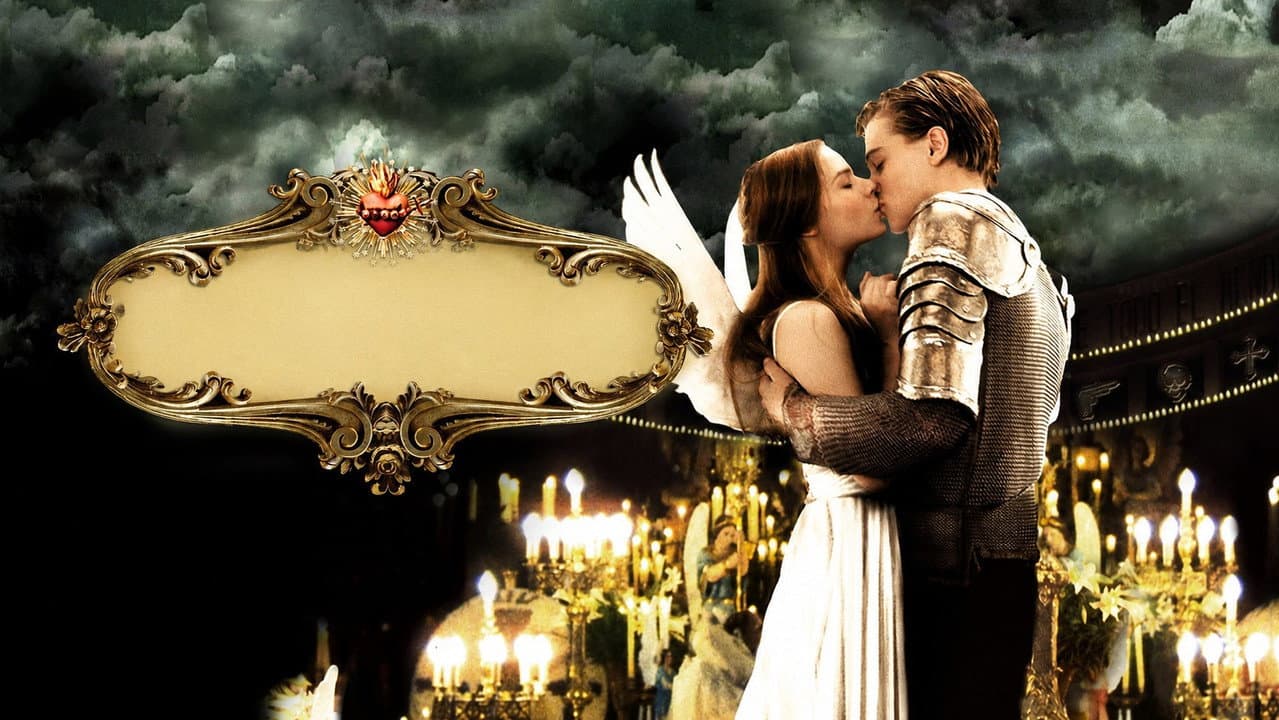
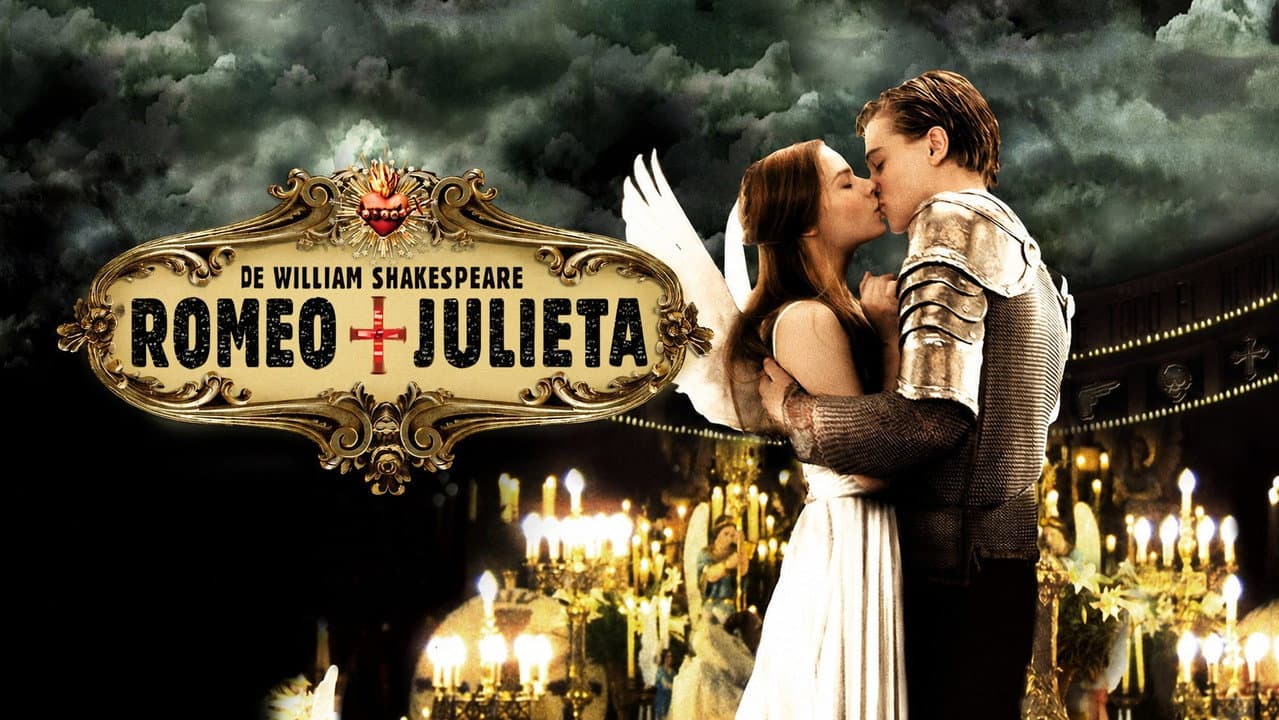
Thirty years after it first hit theaters, Romeo + Juliet remains one of the strangest, boldest swings Hollywood ever took on William Shakespeare. Baz Luhrmann's contemporary adaptation arrived on November 1, 1996, transplanting the Montague-Capulet feud to the sun-blasted suburb of Verona Beach, where the swords are pistols and the prince drives a squad car. At the center of it all stood Leonardo DiCaprio in an open Hawaiian shirt, a casting choice that would help turn a 400-year-old tragedy into a defining artifact of 1990s youth culture.
The film's premise was deceptively simple: keep the language, change everything else. The bard's dialogue survives intact, but it now spills out of characters who carry chrome-plated handguns engraved with the word "Sword," ride in convertibles, and attend masquerade parties lit like music videos. The runtime clocks in at 120 minutes, and the picture carries a modest 6.778 out of 10 rating on TMDb, a number that undersells its outsized cultural footprint.
A Cast That Defined a Generation
Luhrmann assembled an ensemble that has aged remarkably well. Claire Danes played Juliet opposite DiCaprio's Romeo, giving the pair a chemistry that critics at the time described as both tender and doomed from the first frame. John Leguizamo chewed scenery as Tybalt, Harold Perrineau delivered Mercutio with a dangerous, glittering energy, and Miriam Margolyes brought warmth and steel to the Nurse. Brian Dennehy appeared as Ted Montague, Vondie Curtis-Hall as Captain Prince, and Jesse Bradford as Balthasar. The film is classified as a drama and romance, and it earned those labels honestly, even as it dressed them in neon.
What set the movie apart was not simply its aesthetic but its insistence that Shakespeare's words could survive contact with a world of gas stations and helicopter news crews. The sweltering suburb of Verona Beach becomes a character in its own right, a place where ancient hatreds play out under a punishing sun. The feud between the Montagues and Capulets doesn't feel like a relic; it feels like a gang war with better dialogue.
Luhrmann's Gamble and Its Aftermath
When the film released in late 1996, Luhrmann was not yet the household name he would become. Romeo + Juliet announced a director willing to risk absurdity in pursuit of feeling, a sensibility he would later carry into Moulin Rouge! and The Great Gatsby. The choice to keep the original English text while overhauling the setting was the film's central provocation, and it remains the reason the movie is still argued about three decades on.
For DiCaprio, the role arrived at a pivotal moment. The Hawaiian shirt became shorthand for a kind of restless, romantic youth that audiences immediately claimed as their own. The performance helped cement him as the era's most bankable young leading man, and Danes matched him beat for beat as a Juliet who was neither fragile nor passive.
The film's visual language, from its religious iconography to its hurricane-swept climax, gave a generation a vocabulary for staging tragedy in the present tense. It is a Hollywood production in the truest sense, English-language and studio-backed, yet it never feels like a committee designed it. It feels like a fever dream that somehow got funded.
Three decades later, Romeo + Juliet endures less as a faithful adaptation than as a time capsule and a dare. It asks whether the oldest love story in the language can survive a world of pistols and pop songs. The answer, judging by the Hawaiian shirt that still hangs in the popular imagination, is yes.
Source: Hollywood Reporter


