

Saudi Arabia has thrown a curveball into this year's international feature race, selecting Michael Powell's 1946 romantic fantasy "A Matter of Life and Death" as its official submission to the Academy Awards.
The pick, confirmed this week, is unusual on several fronts. For one, the film is a cornerstone of British cinema, directed by Powell and starring David Niven, and its original language is English - typically a disqualifier under the Academy's international feature rules, which require a predominantly non-English dialogue track. For another, the movie is closing in on its eightieth birthday. Saudi Arabia has not explained its reasoning, and the Academy has not commented publicly on whether the title has been ruled eligible.
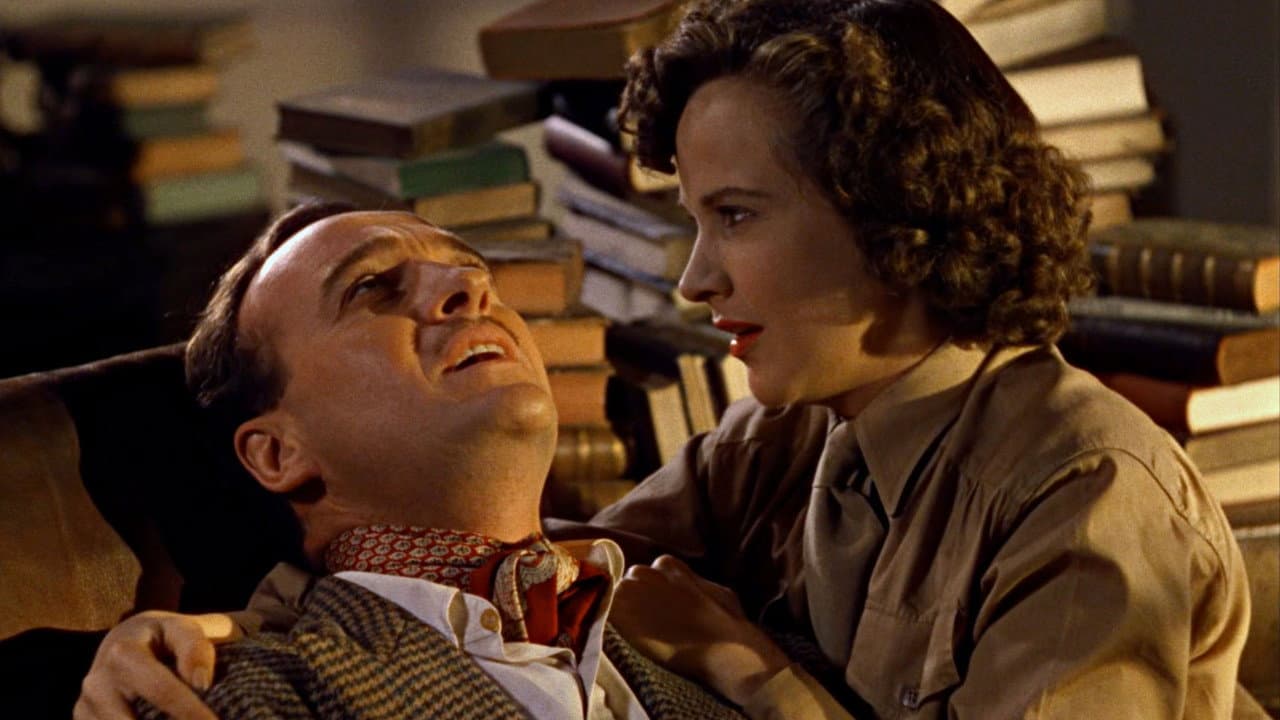
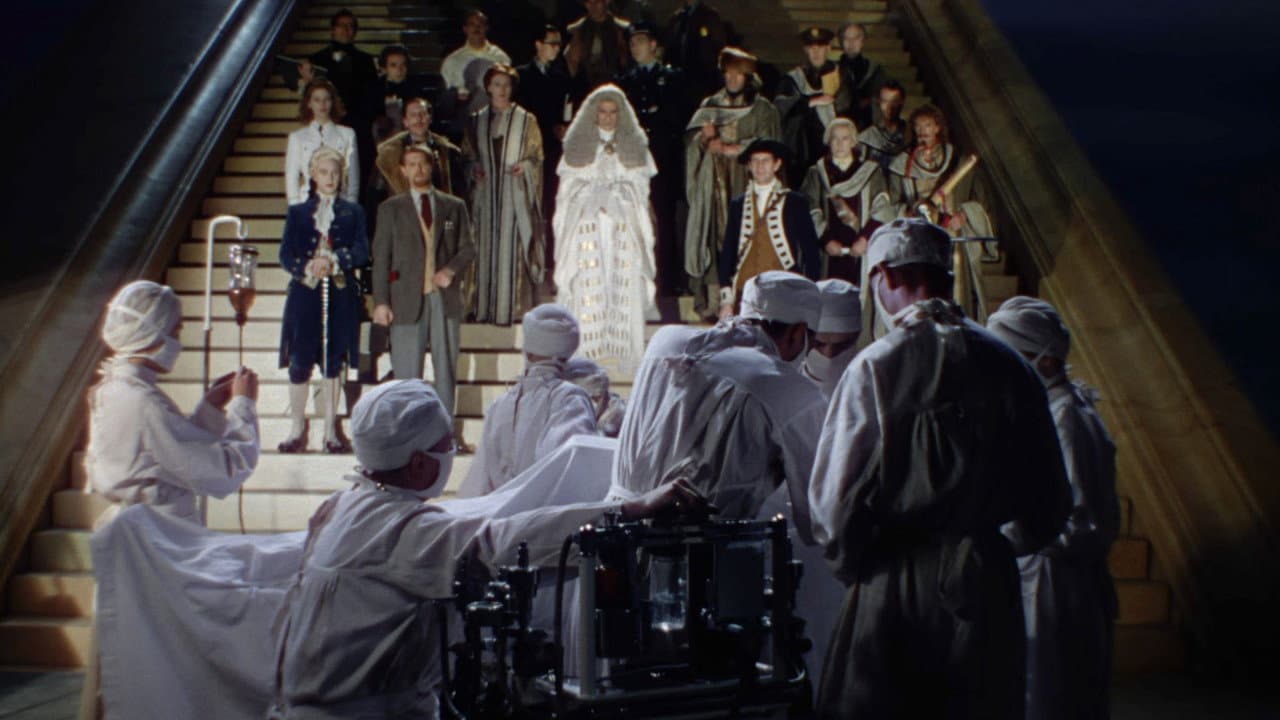
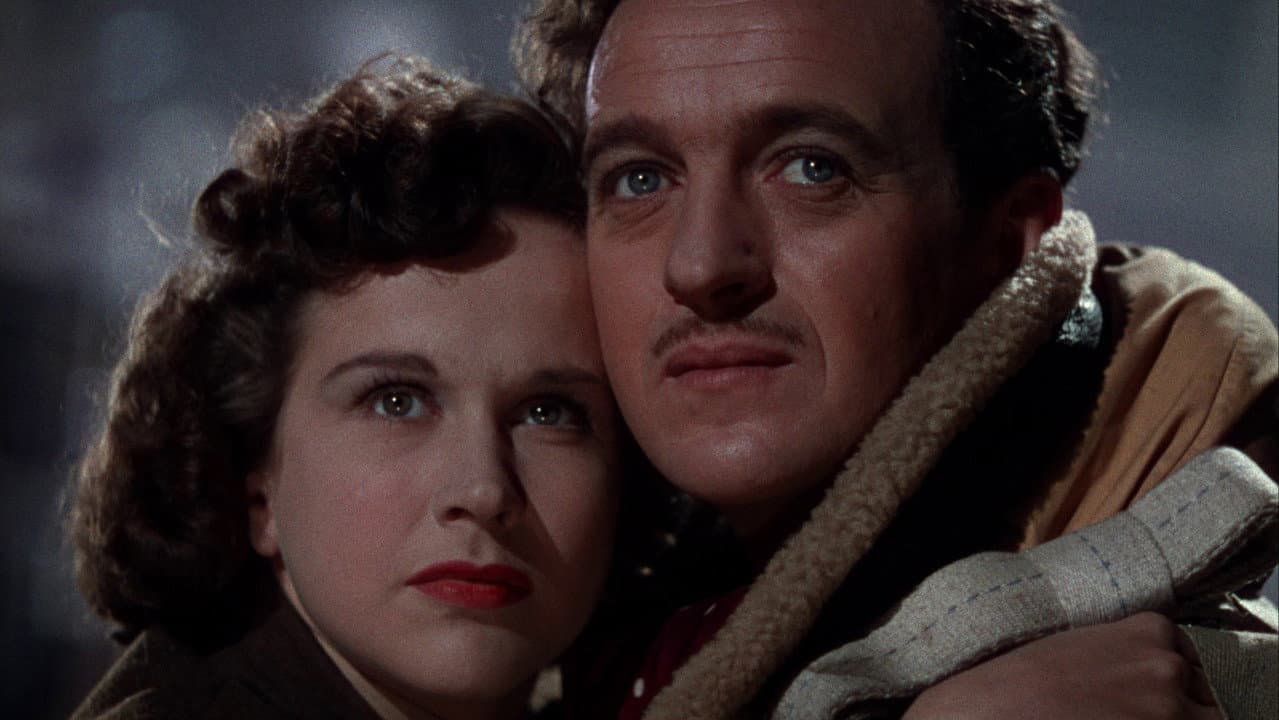
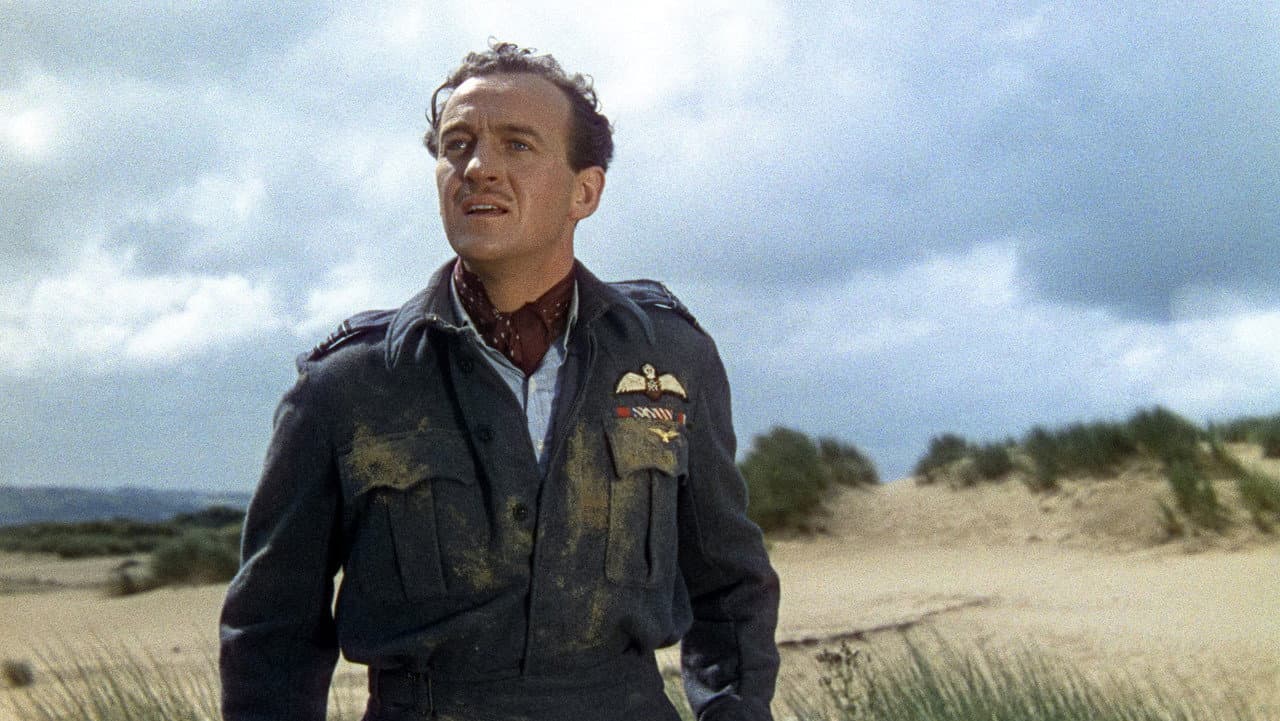
What is not in dispute is the film itself. "A Matter of Life and Death" tells the story of Peter Carter, a British wartime aviator who survives a jump from his burning plane without a parachute after a heavenly mix-up. Convinced he has cheated death by mistake, he must argue his case before a celestial court - partly because he has fallen in love with June, an American radio operator he reached by wireless just before bailing out. The film runs 104 minutes, was released in December 1946, and blends romance, fantasy, and drama into one of the most enduring works of its era.
Powell directed from a screenplay he wrote with Emeric Pressburger, the partnership behind such films as "The Red Shoes" and "Black Narcissus." The cast is a who's who of mid-century British cinema: Niven as Carter, Kim Hunter as June, Roger Livesey as Doctor Reeves, Marius Goring as the celestial Conductor 71, Robert Coote as Bob Trubshawe, Kathleen Byron as an angel, Richard Attenborough as an English pilot, and Bonar Colleano as an American pilot. On TMDb, it holds a rating of 7.7 out of 10, a strong figure for a film of its vintage.
The visual conceit remains its signature: the earthly sequences were shot in Technicolor, while the afterlife is rendered in monochrome, a choice that still draws admiration from cinematographers and critics. The courtroom finale, in which Carter pleads for his life and his love, is regularly cited as one of the great sequences in British film.
Saudi Arabia's selection raises immediate procedural questions. The Academy's international feature category requires that a submitted film be produced outside the United States and feature predominantly non-English dialogue. "A Matter of Life and Death" was produced in Britain and is in English throughout. The Academy's executive committee retains the authority to vet submissions, and in past cycles, entries have been removed from the shortlist for failing eligibility criteria. Whether that fate awaits this one remains unclear.
There is also the matter of why Saudi Arabia, which has in recent years pushed to build a domestic film industry and has submitted titles rooted in Arabic-language storytelling, would reach for a 1946 British classic. The kingdom's film sector has expanded rapidly, with a growing slate of local productions and an annual Red Sea International Film Festival. A selection this far outside that pipeline has left awards watchers puzzled.
Reached for comment, neither the Saudi Film Commission nor the Academy offered an immediate statement on the submission's eligibility status. Distributors and awards strategists will be watching closely; if the film is allowed to stand, it would become one of the oldest titles ever to enter the international race. If it is disqualified, Saudi Arabia would likely need to name a replacement before the submission deadline.
For now, the selection has done what few awards-season moves manage: it has put a film from the 1940s back into the conversation. "A Matter of Life and Death" is widely available on home video and streaming, and the renewed attention is likely to send curious viewers back to Powell and Pressburger's afterlife courtroom. Whether it ever reaches an Oscar ballot is a question only the Academy's rules committee can answer.
Source: Hollywood Reporter