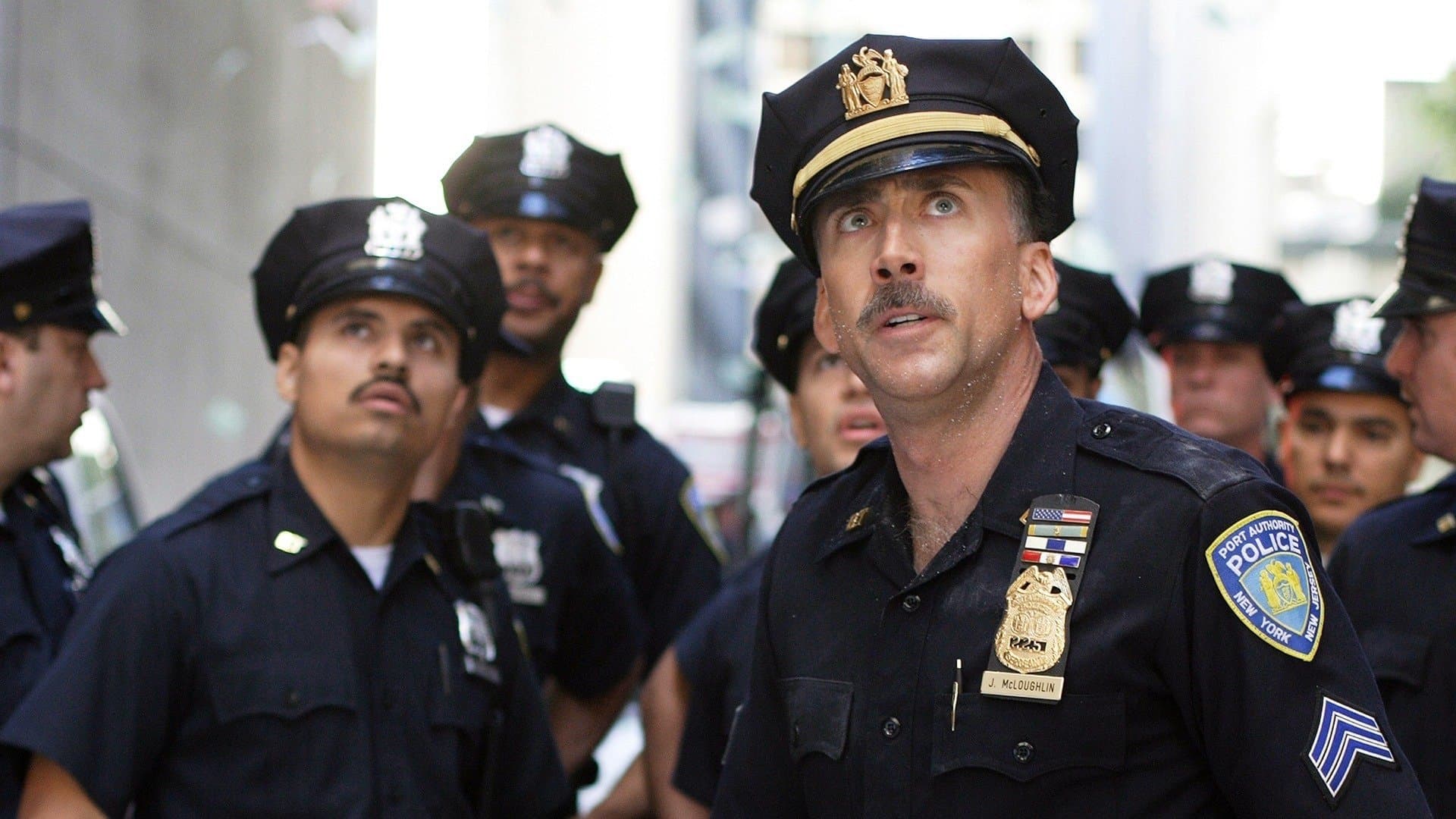
Twenty-five years after the September 11 attacks, Hollywood is still working through what happened - and the results have rarely been tidy. The industry's long, uneven attempt to put that day and its aftermath on screen is the subject of a retrospective circulating this week, framed around six films that together trace a quarter-century of second-guessing, avoidance, and occasional reckoning. The throughline is less about any single movie than about the shifting rules of what studios believed audiences could bear.
The earliest responses were defined by what was pulled rather than what was released. In the weeks after the attacks, filmmakers and distributors quietly delayed or shelved projects whose imagery suddenly felt unthinkable - a Spider-Man teaser showing the World Trade Center, a Jackie Chan action comedy built around a skyscraper climax. Studios recut trailers and stripped the twin towers from establishing shots that had been intended as harmless New York shorthand. For a stretch, the skyline itself became a question of taste, and the safest answer was removal.
From Avoidance to Direct Address
That reflex softened within a few years, and two very different films mark the turn. Spike Lee's "25th Hour," released in 2002, was the first major studio picture to engage the attacks openly, using a wounded Lower Manhattan and a candid classroom argument as the backdrop for a story about a man's last day before prison. It didn't dramatize the attacks themselves; it simply acknowledged that the city around its characters had changed. Oliver Stone went the other direction three years later with "World Trade Center," a portrait of two Port Authority officers trapped in the rubble. Stone's film was deliberately narrow, almost procedural, and its restraint was widely read as a corrective from a director known for provocation.
Between those poles sat "United 93," Paul Greengrass's 2006 reconstruction of the flight that crashed in Pennsylvania. Cast largely with unknowns and shot in a documentary register, it refused the comforts of a conventional hero narrative even as it honored the passengers who fought back. Critics praised it; many viewers found the experience too raw to sit through, and that tension - between critical respect and audience reluctance - would become a defining feature of the genre.
The Long Tail of a Single Day
Later films widened the frame. Kathryn Bigelow's "The Hurt Locker," which won the best picture Oscar for 2009, dealt with the bomb-disposal teams of the Iraq War rather than 9/11 directly, yet it belongs to the same lineage: it is a portrait of the conflict that followed, and of a kind of adrenaline dependence that the decade produced. "Zero Dark Thirty," her subsequent film about the hunt for Osama bin Laden, pushed the argument further, drawing both acclaim and sharp criticism over its depiction of interrogation. Jonathan Demme's "The Manchurian Candidate," a 2004 remake, used corporate conspiracy as a way to talk about the political mood without naming the attacks at all.
The retrospective's six selections are not a consensus canon so much as a set of pressure points. What they share is a refusal to settle on a single tone - some are elegiac, some almost cold, and at least one is best described as an act of collective mourning staged in a dark room. Taken together, they show an industry that spent years deciding what it was allowed to say, then spent more years arguing about how to say it.
Why the Argument Hasn't Ended
What makes the topic durable is that the arguments have never been purely aesthetic. Each of these films arrived at a moment when the country's understanding of the attacks was still being negotiated - in Congress, in newsrooms, in living rooms. A movie that felt appropriately sober in one year could feel evasive or opportunistic in another. That instability explains why so few of these titles have settled into comfortable classic status; they remain contested property, re-litigated every time the calendar turns.
For Hollywood, the practical lesson has been more about process than politics. Studios learned to move early and explain later when footage collides with real events, and they learned that audiences will accept difficult material when the filmmaking earns it. Neither lesson has been applied consistently.
A quarter-century on, the six-film survey lands less as a verdict than as an inventory of unfinished business. The films that worked did so by narrowing their focus rather than widening it - a classroom argument, a collapsed stairwell, a cockpit. The ones that stumbled usually tried to explain too much. If there is a durable insight in the group, it may simply be that the attacks resist summary on screen as stubbornly as they resist summary anywhere else, and that filmmakers keep returning anyway.
Source: Hollywood Reporter