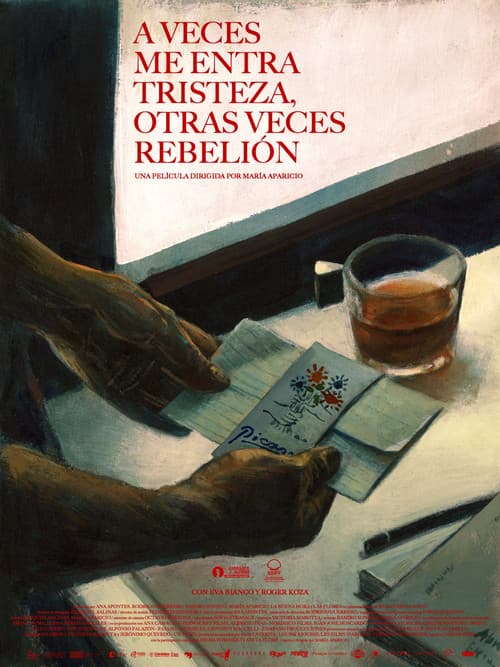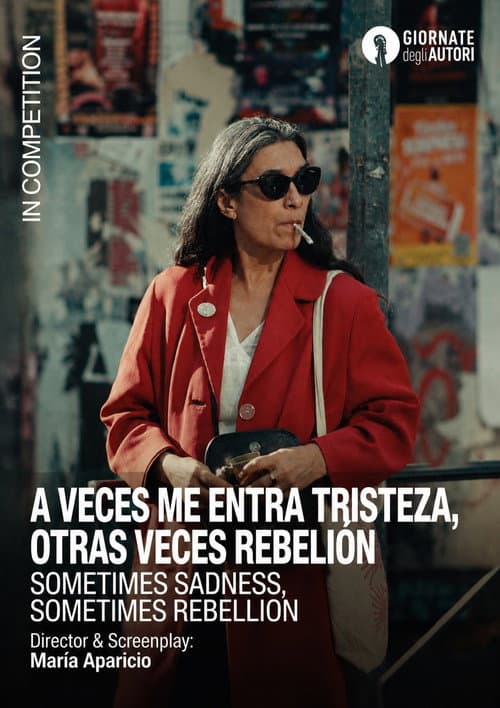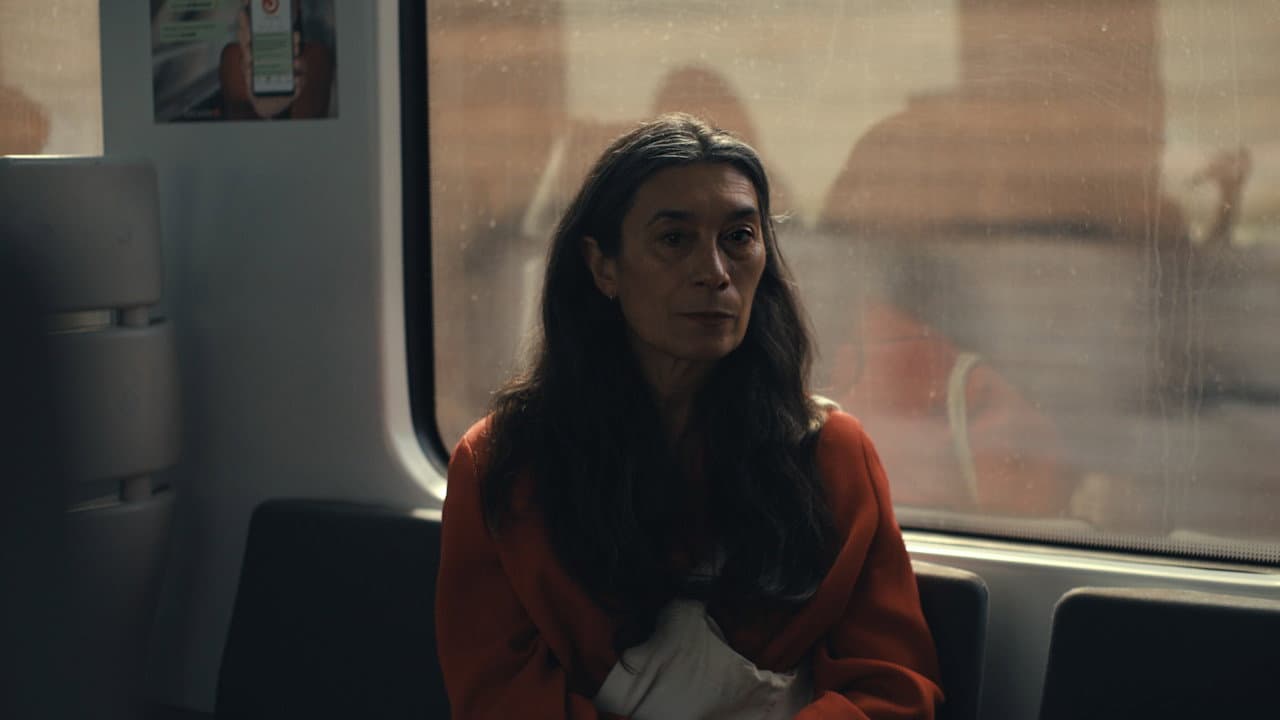
María Aparicio's sophomore feature, Sometimes Sadness, Sometimes Rebellion, has claimed the GdA Director's Award at the Venice Days sidebar of the Venice Film Festival, capping a strong festival run for the Argentine filmmaker's intimate Madrid-set drama. The prize, voted on by a jury of filmmakers and critics, recognizes emerging directorial talent within the independently minded section that runs alongside the Lido's main competition.
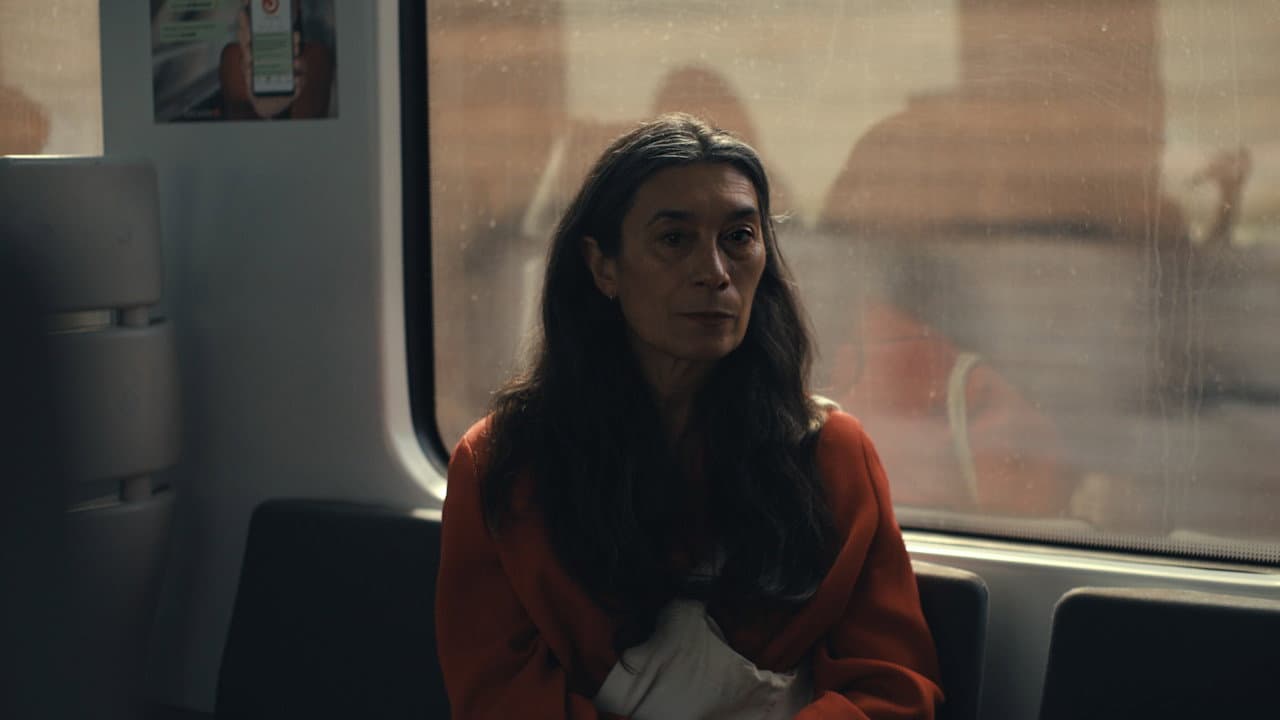
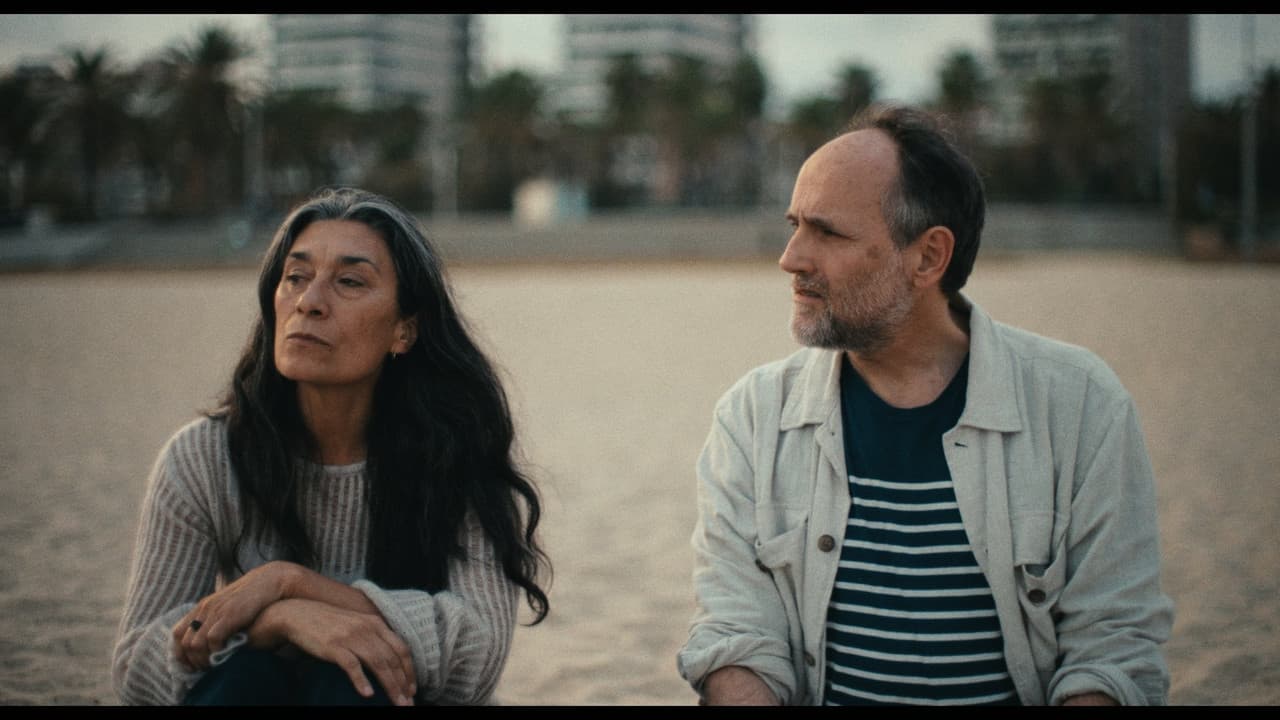
The film, which had its world premiere on September 7, stars Eva Bianco as the title character, a woman drifting through the Spanish capital with no fixed purpose and little appetite for company. Her solitude is interrupted one afternoon at the Reina Sofía Museum, where a stranger named Dante, played by Roger Koza, strikes up a conversation. Dante is an Argentine historian in Madrid to research labor movements back home and the legacy of Juan Bialet Massé, a figure whose work documented working conditions across Argentina in the early twentieth century. What begins as a chance encounter between two people far from home gradually unsettles Eva's carefully maintained detachment, steering the story toward the terrain of romance without abandoning its melancholy undertow.
Clocking in at 96 minutes and performed entirely in Spanish, the film marks a shift in scale for Aparicio, whose debut drew attention on the festival circuit for its observational restraint. Here she applies a similarly patient eye to a narrative that moves between two registers, as its title suggests: the quieter weight of personal sadness and the flicker of something more combative, a willingness to push back against the circumstances that keep her protagonist isolated. Aparicio shot in real Madrid locations, and the Reina Sofía's galleries, with their canonical collection of twentieth-century Spanish art, provide the setting for the film's pivotal meeting, a choice that lends the encounter a formal, almost museum-like stillness before the characters begin to circle each other.
The GdA Director's Award adds to a growing list of honors for Spanish-language cinema at this year's Venice edition, where programmers have once again placed a premium on first- and second-time directors working outside the festival's headline slots. Unlike the main competition's Golden Lion, the GdA prize is determined by a dedicated jury and has historically functioned as an early signal for filmmakers poised for wider international distribution.
A Two-Hander Carried by Its Performers
Much of the film's effect rests on the chemistry between Bianco and Koza, both of whom are better known in Argentine film circles for work behind the scenes than in front of the camera. Bianco, a longtime casting director, steps into the lead with a performance that critics at the Lido have described as withholding by design, refusing the easy emotional cues that a story about a lonely traveler might invite. Koza, a programmer and critic by trade, plays Dante with a scholar's tentativeness, a man more comfortable in archives than in conversation, which makes his pursuit of Eva feel less like seduction than an academic's halting attempt at connection. Aparicio has said in festival interviews that she cast against type deliberately, choosing collaborators whose familiarity with the film industry's inner workings would sharpen the sense of two outsiders navigating unfamiliar ground.
The film's use of Madrid is equally deliberate. Aparicio treats the city not as a postcard but as a space of transit, its plazas and museums populated by people who, like Eva, are only passing through. That approach places the film in conversation with a lineage of European and Latin American cinema about displacement, though the director resists drawing explicit political conclusions from Dante's research into labor history. Instead, the historian's subject matter hums in the background, suggesting that the personal and the political are never fully separable, even in a story that unfolds largely through glances and silences.
Release and Reception
Sometimes Sadness, Sometimes Rebellion opened in theaters on September 7, 2026, timed to its Venice debut. Early audience metrics remain sparse; the film currently holds no aggregate rating on TMDb, a reflection of its limited theatrical footprint so far rather than any indication of critical response. Distributors have not announced additional territories beyond the initial Spanish-language release, and no streaming date has been confirmed.
For Aparicio, the GdA award arrives at a pivotal moment. The prize carries no cash component but brings substantial visibility within the festival ecosystem, often translating into invitations from other international showcases in the months ahead. Whether Sometimes Sadness, Sometimes Rebellion follows that trajectory will depend in part on how its deliberately unhurried rhythms travel beyond the festival circuit, where audiences primed for slow, character-driven drama have proven more receptive than general moviegoers. For now, the filmmaker leaves Venice with a trophy, a critically noticed lead performance, and a film that argues, quietly, that sadness and rebellion can occupy the same frame.
Source: Hollywood Reporter