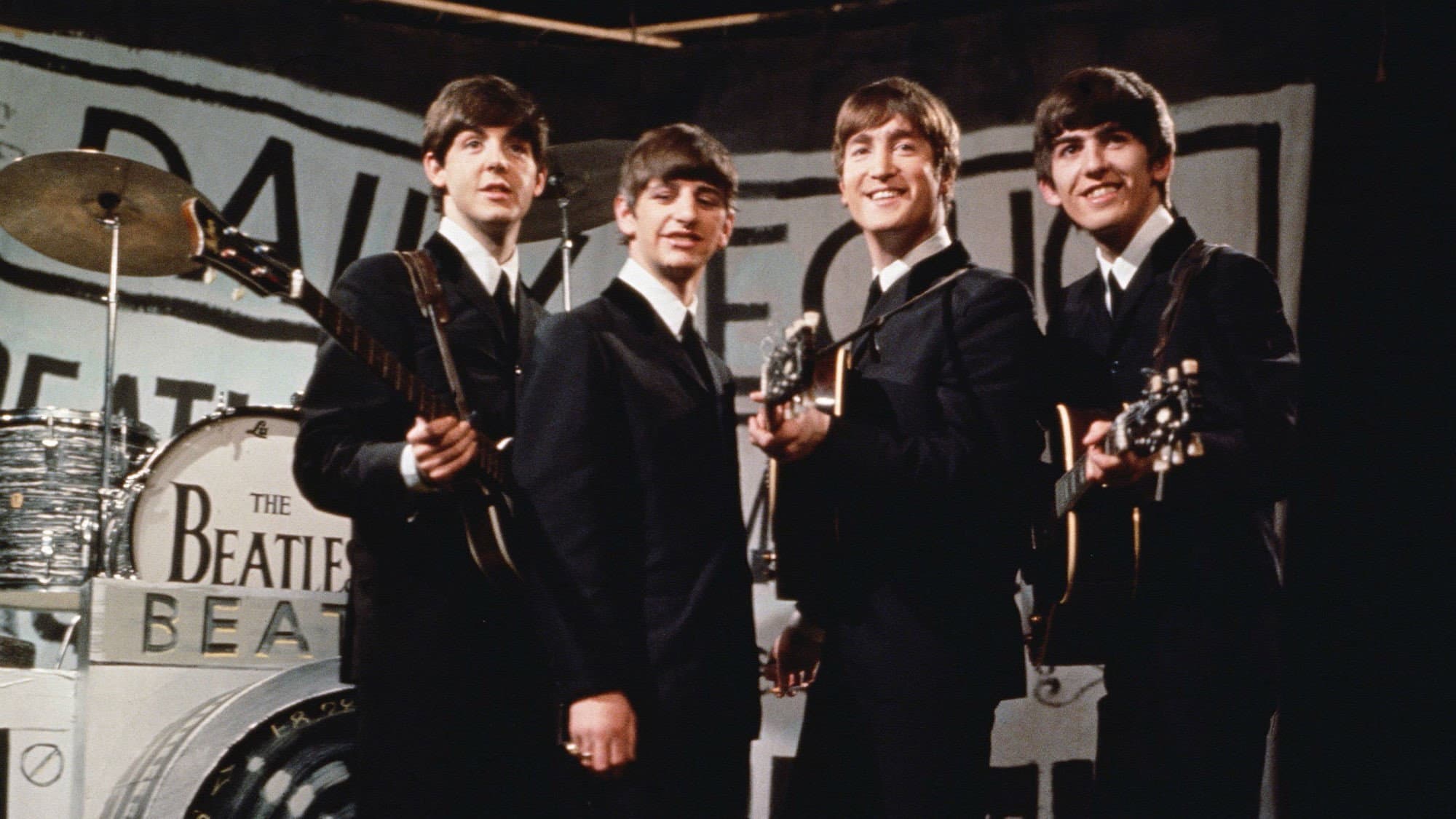
Sony Pictures is weighing an unusually ambitious release strategy for its planned tetralogy of Beatles films, with executives reportedly mulling a rollout that would bring all four movies to audiences in close succession rather than spacing them across the usual multi-year franchise calendar. The studio, which is backing the interconnected project centered on the individual members of the Fab Four, has not finalized a timeline, but the internal discussions point toward a bet that Beatlemania can still sustain a concentrated, event-sized theatrical push.
The four-film concept itself is already a departure from the standard music biopic model. Rather than cramming John Lennon, Paul McCartney, George Harrison and Ringo Starr into a single narrative, the project envisions giving each musician his own feature, with the films designed to interlock and inform one another. That structure raises obvious logistical questions about how to release them without cannibalizing one another's box office, which is where Sony's deliberations come in.
A Release Strategy Without a Precedent
Studios typically treat a franchise of this size as a long game, harvesting a new installment every two or three years. Releasing four closely related films within a tight window would be closer to a television event than a traditional theatrical slate. It would demand that theaters devote significant screen space to the project simultaneously, and it would ask audiences to commit to multiple trips to the cinema in a matter of months.
There is some logic to the approach. The Beatles remain one of the few cultural properties with genuine multigenerational pull, and a compressed rollout could generate the kind of sustained media conversation that a single film, however well received, struggles to maintain. Each installment would effectively function as promotion for the others, with casting news, trailers and press cycles feeding one another.
The counterargument is equally clear. Four films released in rapid succession risk exhausting the market rather than expanding it. If the first installment underperforms, the studio could find itself committed to three more openings with diminishing returns. And with production costs for a period-set music drama running high, the financial exposure would be substantial.
Casting and Production Remain Under Wraps
Details about the individual films remain tightly guarded. Sony has not confirmed a release date for any of the four, nor has it publicly detailed how the storylines will overlap. Casting for the four leads has been the subject of intense speculation, but the studio has kept its choices close to the vest.
What is known is that the project represents a major swing for Sony at a moment when studios are increasingly reliant on established intellectual property. The Beatles' catalog and life story are among the most valuable and most heavily documented in popular music, which cuts both ways. Audiences arrive with deep familiarity and strong opinions, and any dramatization will be measured against decades of documentaries, books and archival footage.
That familiarity may actually support the four-film structure. Fans who already know the broad strokes of the Beatles' story could be drawn to a project that promises to go deeper on each member, rather than retreading the same group narrative. The risk is that casual moviegoers, who might turn out for one well-reviewed Beatles film, will not follow the story across four separate releases.
What the Decision Signals
Sony's willingness to consider a clustered rollout suggests confidence in the material and a desire to make the project feel like a cultural moment rather than a slow-burn franchise. It also reflects the broader industry reality that studios are searching for events big enough to pull audiences away from streaming. A four-film Beatles cycle, if executed well, could qualify.
For now, the plans remain in the discussion stage. No release pattern has been locked, and the studio could ultimately settle on a more conventional spacing between installments. But the fact that the compressed option is on the table at all says something about how Sony views the project's scale.
Exhibitors will be watching closely. A four-film commitment would require theaters to make hard choices about scheduling, and the outcome could influence how other studios approach multi-part storytelling. If Sony pulls it off, the Beatles tetralogy could become a template. If it stumbles, it may serve as a cautionary tale about how much of a good thing audiences will accept at once.
Either way, the project has already distinguished itself from the typical biopic assembly line. The question now is whether Sony will gamble on saturation or take the safer, slower path.
Source: Hollywood Reporter