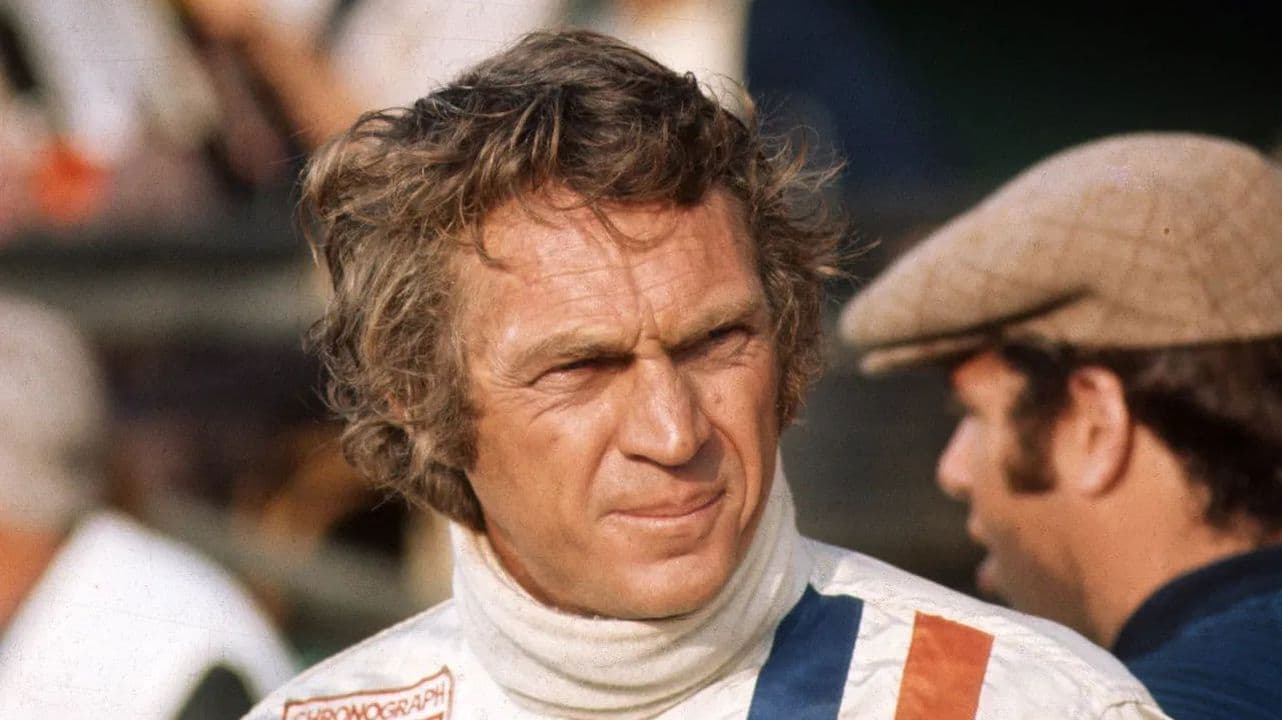
Steve McQueen has been gone for more than four decades, yet he remains one of the most imitated, referenced, and quietly influential figures in Hollywood. That presence has grown noticeably louder of late, with a new generation of filmmakers, stylists, and moviegoers treating the actor once known as the King of Cool less like a nostalgic relic and more like a template. The renewed attention is not tied to a single release or anniversary. It is a broader rediscovery, playing out across repertory screenings, streaming libraries, fashion campaigns, and the steady stream of actors who cite him as a touchstone.
The irony is that McQueen never seemed to chase stardom. He came up through television, broke out in the 1963 war drama The Great Escape, and then built a career on characters who said little and meant everything. The Magnificent Seven, The Great Escape, Bullitt, The Thomas Crown Affair, The Getaway, Papillon - the titles alone sketch a certain kind of American screen hero: laconic, physical, allergic to speeches, and somehow more magnetic the less he appeared to try.
Why the Iconography Still Travels
Part of the explanation is purely visual. McQueen's style - the battered denim, the Persol sunglasses, the Mustang fastback, the way he wore a simple crewneck like an argument - has never really left. Fashion has returned to it repeatedly because it photographs and photographs honestly. Unlike manufactured cool, which ages badly, his was built on restraint. That restraint survives the transition between eras.
Part of it is also the work itself. The chase sequence in Bullitt remains one of the most studied action set pieces in film history, not because it was the fastest or the loudest, but because it was grounded. McQueen did much of his own driving, and the result still feels more visceral than most of what modern CGI can manufacture. Directors studying contemporary car chases keep coming back to it, the way guitarists keep returning to a handful of foundational records.
Then there is the persona. McQueen was difficult, guarded, and at times self-destructive. He was also disciplined about the things he cared about - racing, motorcycles, authenticity on set. That combination reads differently today. Audiences raised on carefully managed celebrity images are drawn to a star who seemed actively uncomfortable with being one. In an era of constant performance, a man who hated performing his own fame looks almost radical.
A New Generation Is Doing the Discovering
The rediscovery is not confined to film-school syllabi. Younger actors openly name-check him in interviews, sometimes awkwardly, trying to describe a quality that resists description. The word "cool" gets used until it stops meaning anything, so they reach for others: still, watchful, dangerous, unforced. What they are really identifying is presence - the ability to hold a frame without doing much of anything in it.
McQueen also fits neatly into the current appetite for practical filmmaking. Modern audiences have grown more vocal about preferring real stunts, real locations, and real texture, and his filmography is loaded with all three. That preference has made his movies feel less dated than some work from the same period. The Great Escape and Bullitt in particular have benefited from the shift, gaining screenings and repertory bookings at a time when many of their contemporaries sit undisturbed.
There is something else, harder to name. McQueen's characters were frequently men on the edge of the law or the edge of their own lives, and they rarely got easy redemption. That ambiguity plays better now than it once did. Moviegoers have grown suspicious of tidy heroism. McQueen's heroes were never tidy. They just were.
The Danger of Only Remembering the Cool
Any McQueen revival carries a risk. The image can swallow the actor. He becomes a mood board - a pair of sunglasses, a motorcycle jump, a quote about not being able to say "no" to certain things - rather than a performer with range. That would be a disservice. He could be funny, as The Thomas Crown Affair proves. He could be wounded and theatrical, as Papillon shows. He was a genuine actor who happened to look like a myth.
The King of Cool is hot again because the culture keeps orbiting the same problem: how to be genuine in front of a camera. McQueen never solved it, exactly. He just refused to pretend he had. That refusal, more than the cars or the clothes, is what people keep returning to. It is also why he is likely to keep returning - long after the current cycle of nostalgia has moved on.
For Hollywood, the lesson is straightforward. Some stars fade because their appeal was tied to a moment. Others stay because their appeal was tied to something more durable. McQueen belongs to the second group, and the spotlight keeps finding its way back to him.
Source: Hollywood Reporter