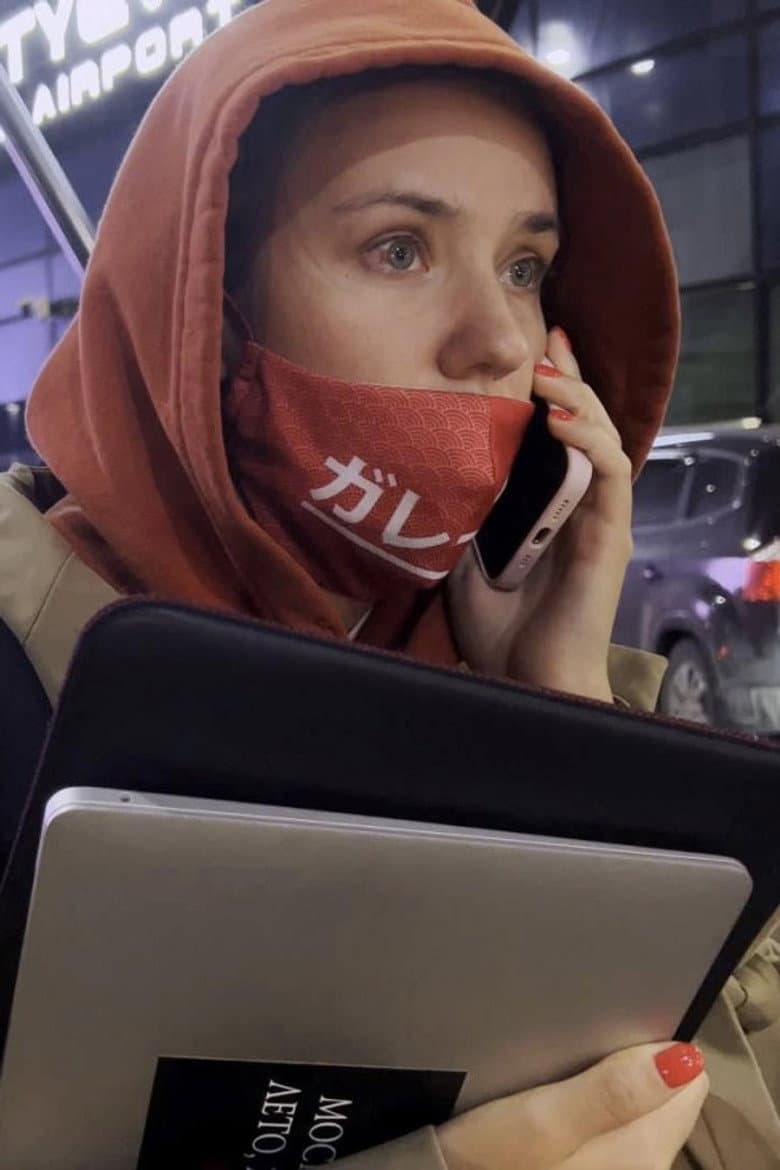
Meryl Streep and Oscar-winning filmmaker Laura Poitras have signed on as executive producers for My Undesirable Friends: Part II, the sequel to Julia Loktev’s acclaimed 2020 documentary, TheWrap has exclusively learned. The project, which is set for a September 4, 2026 release, continues the story of the Russian independent journalists first seen in Last Air in Moscow, now documenting their lives in exile after the invasion of Ukraine.
The announcement adds two heavyweight names to a project that already carries significant prestige, with Loktev returning to direct after her first installment earned widespread critical praise for its intimate, harrowing portrayal of reporting under the Putin regime. While the original film captured the journalists’ daily struggles inside Russia as state pressure mounted, the sequel shifts its lens outward, tracking how the same figures have scattered across the globe and rebuilt their lives - and their work - far from home.
The new executive producers bring distinct but complementary strengths to the table. Streep, whose commitment to documentary work has grown in recent years through projects like The Seeing and her involvement with the Sundance Institute, is known for amplifying stories of political resistance and female-led narratives. Poitras, who won an Academy Award for Citizenfour, has built her career on chronicling surveillance, state power, and dissent, making her a natural fit for a film about journalists fleeing authoritarian pressure. Neither has been previously attached to the project, and their involvement signals a push for broader visibility ahead of the release.
According to the film’s official synopsis, Part II does not simply pick up where the first film ended. Where Last Air in Moscow followed its subjects as they navigated the daily threats of reporting in a tightening autocracy, the sequel begins after the full-scale invasion of Ukraine forced them to abandon their homeland. The new narrative follows them through their initial flight and into the grinding reality of exile - scattered across different countries, each carrying the weight of what they left behind while trying to maintain a mission that has become both more urgent and more complicated. The film examines what happens when journalists who once operated in a shared city are now dispersed across borders, and how their pursuit of truth adapts to new languages, new legal systems, and new forms of pressure.
The documentary has a listed runtime of 355 minutes, a substantial length that suggests a sweeping, chaptered approach to the material. Loktev, known for her rigorous and formally inventive style, has not commented publicly on the edit, but the scope suggests she intends the sequel to be an immersive examination of displacement, not just a continuation of the first film’s narrative. The original Last Air in Moscow premiered to strong reviews, with critics noting Loktev’s ability to capture both the mundane and the terrifying in the lives of her subjects. That film, which focused on a tight group of journalists operating in Moscow under growing constraints, was praised for its observational patience and refusal to sensationalize.
What exactly prompted the new executive producers to join at this stage is not fully clear, but the timing is telling. With the release just days away, the addition of Streep and Poitras - both figures with significant cultural capital and the ability to draw attention to documentaries that might otherwise struggle for visibility - arrives as a final promotional push. Their involvement could also be a signal of the film’s ambitions beyond the festival circuit, possibly pointing toward awards-season positioning. The documentary is listed under the Hollywood industry designation, which may reflect an expanded distribution strategy compared to the first film’s more limited release.
The cast remains unannounced, which is unsurprising given the real-world nature of the project. The film’s subjects are not actors but actual journalists, whose identities Loktev has carefully protected in promotional materials. In the first film, she used careful framing and audio manipulation to shield her subjects from potential retaliation; the sequel, set outside Russia, may allow for more direct representation, but given the ongoing risks faced by exiled Russian media figures, privacy concerns likely remain paramount.
The release date of September 4, 2026, puts the documentary just days away from its debut, suggesting an imminent premiere that could coincide with a major festival or a limited theatrical rollout. No distribution details have been officially confirmed beyond the release date itself.
For Streep, the project marks another step in her late-career pivot toward nonfiction and politically engaged work. For Poitras, it ties directly into her long-standing focus on the intersection of journalism, technology, and state power. Together, they add a layer of institutional credibility to a sequel that already carried the weight of its predecessor’s reputation.
Whether the extended runtime will be preserved in the final theatrical cut or intended for episodic release remains unclear. What is certain is that My Undesirable Friends: Part II arrives with a clear directive: to keep the stories of Russia’s exiled independent press in view, even as global attention shifts elsewhere.
Source: Hollywood Reporter