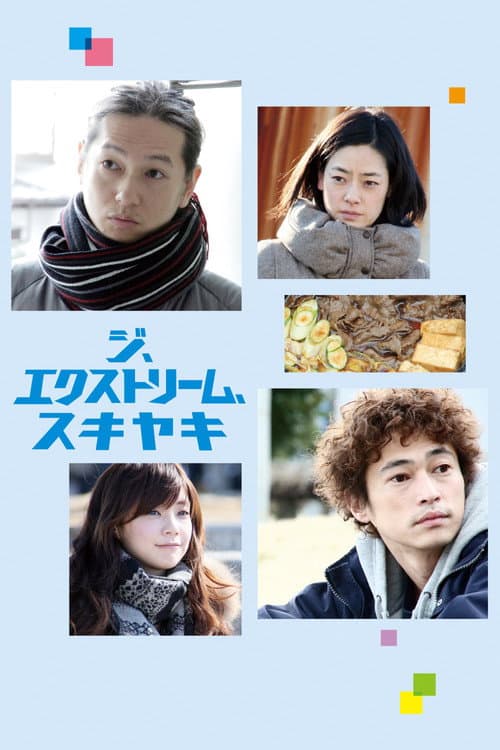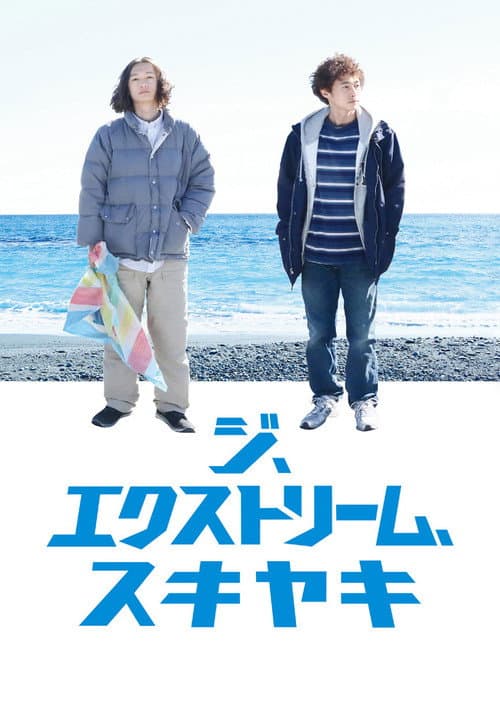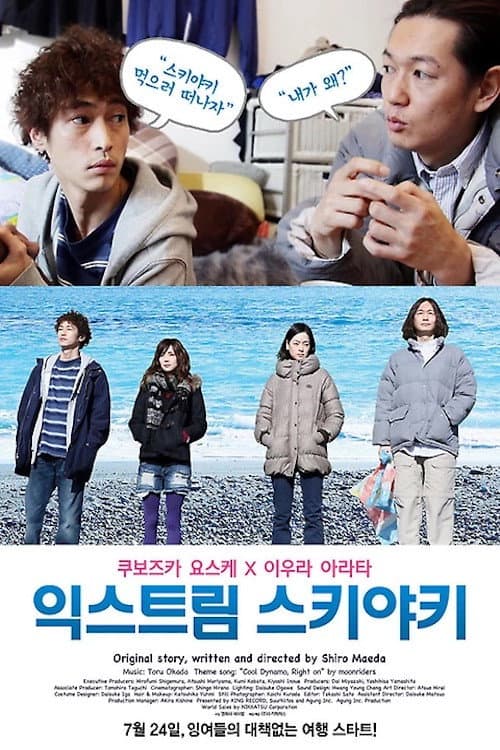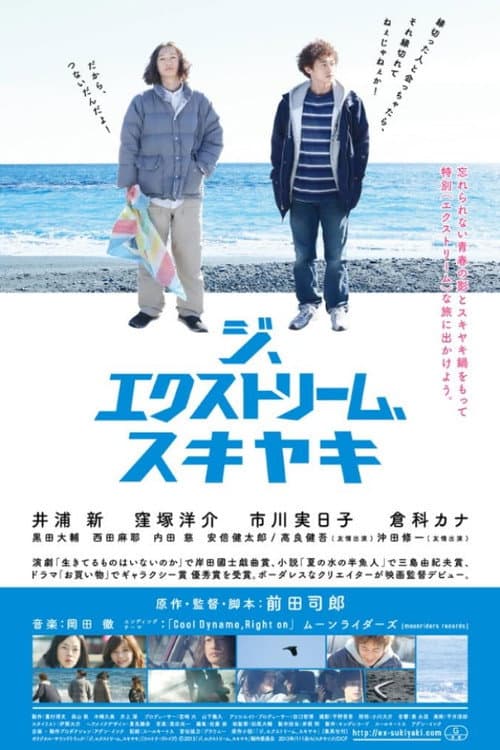
Shiro Maeda’s intimate drama “Sukiyaki” will open the Tokyo International Film Festival this year, according to organizers, setting the stage for a quietly observed reunion story to lead the event’s programming slate. The film, which centers on a group of old friends attempting to rekindle a faded connection over a planned seaside meal, was confirmed for the opening slot in an announcement that pairs a personal narrative with a major showcase.
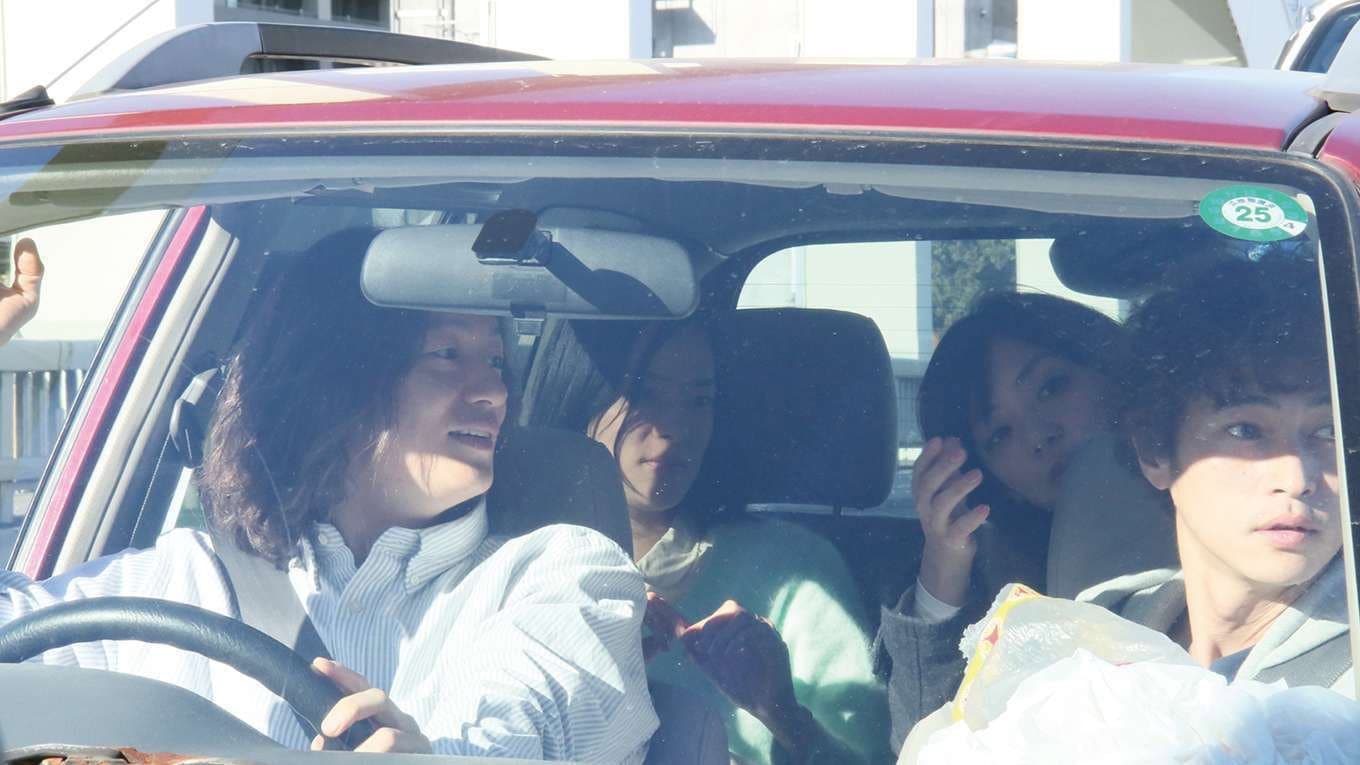
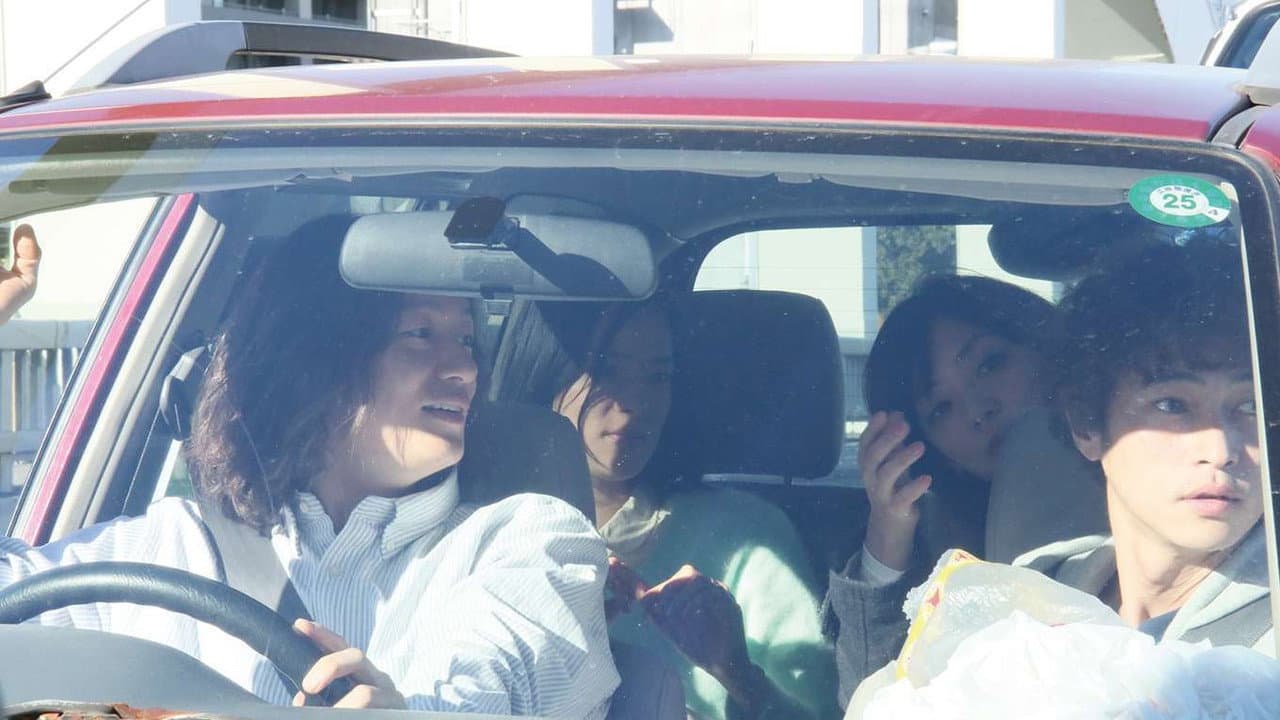
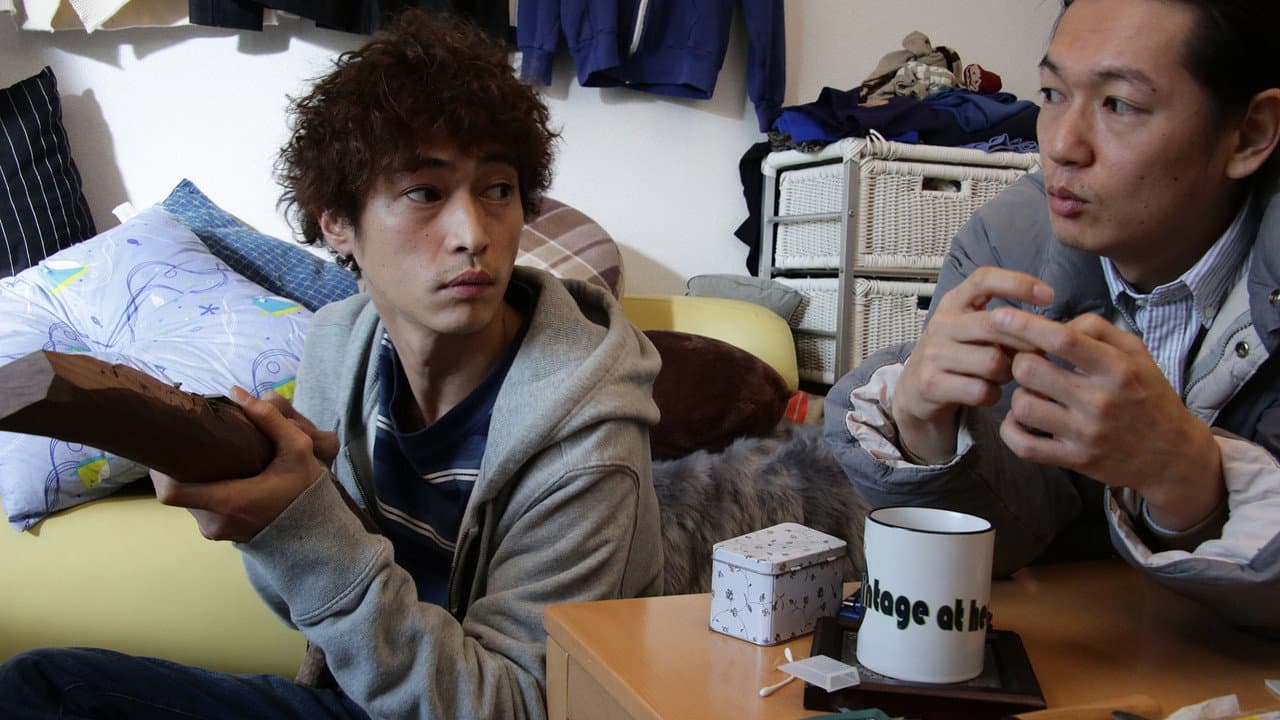
The festival’s decision places Maeda, a director perhaps better known for his work in television, squarely in the spotlight as the event’s curtain-raiser. “Sukiyaki” clocks in at a brisk 111 minutes and delivers a straightforward premise with an emotional undercurrent: two former college buddies, Horaguchi and Okawa, bump into each other after a 15-year silence and, on a whim, decide to rebuild their friendship by planning a getaway. Their plans, however, do not remain a two-man affair.
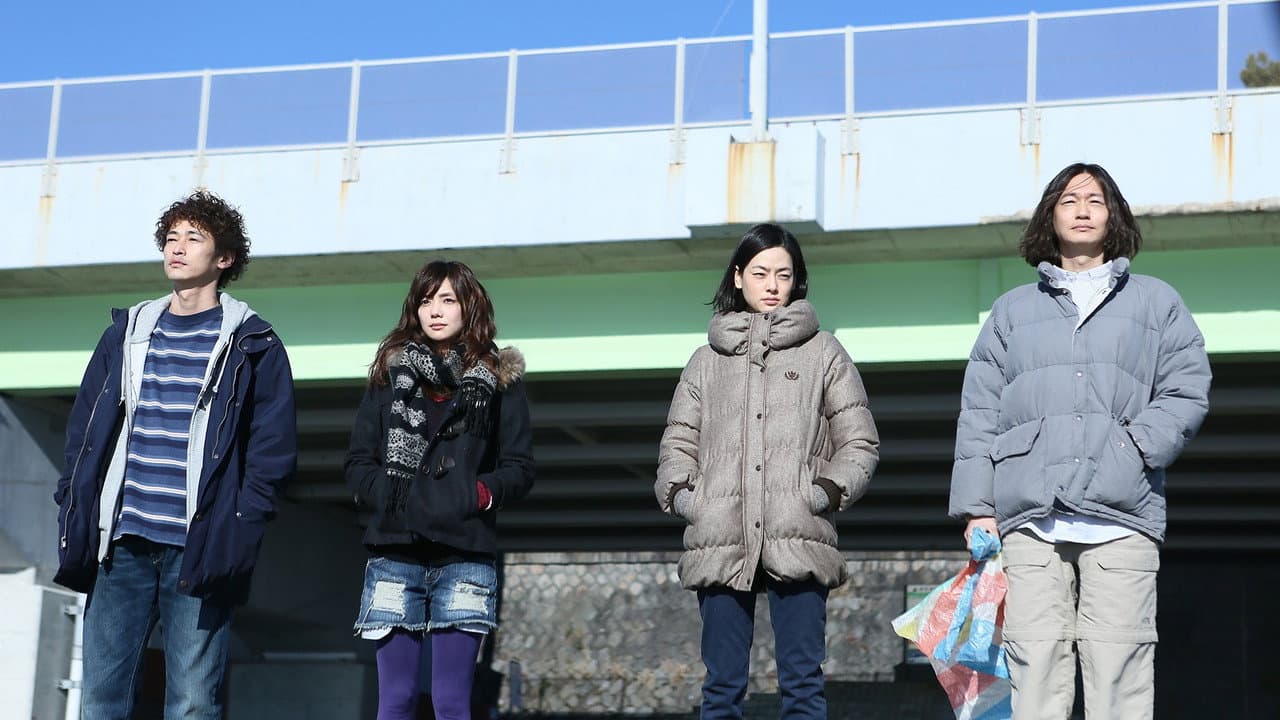
Okawa’s live-in girlfriend Kaede, played by Kana Kurashina, becomes part of the arrangement, as does the pair’s old friend Kyoko, portrayed by Mikako Ichikawa. What begins as a nostalgic attempt to bridge a decade and a half of distance soon swells into a four-person journey, with the shared goal of preparing and eating sukiyaki by the shore. The film’s title, taken from the Japanese hotpot dish, serves as both a literal destination and a metaphor for the simmering, communal effort required to revive something long dormant.
Arata Iura steps into the role of Horaguchi, while Yosuke Kubozuka takes on Ohkawa, spelling a slight variation of the character’s name from the official synopsis. The cast rounds out with Kengo Kora, Shuichi Okita, and Toru Okada in supporting roles, lending further depth to a story that thrives on interpersonal friction as much as nostalgia. The ensemble’s chemistry will likely be a key talking point when the film screens to a full house at the opening ceremony.
A Personal Story Takes the Festival Stage
Choosing “Sukiyaki” as the opening film signals a deliberate shift toward introspective, character-driven work for the festival, which has historically mixed prestige titles with crowd-pleasing debuts. Maeda’s script does not rely on high-concept twists or sweeping spectacle. Instead, it trusts the awkward, hesitant rhythm of old friends rediscovering how to talk to one another. The reunion is spontaneous, almost reckless, and the film’s tension derives from whether that spontaneity can survive contact with the present-day realities of each character’s life.
The inclusion of Kaede and Kyoko complicates the dynamic. They are not merely passengers on a male friendship’s road trip but active participants whose own histories with the two men shape the journey. The synopsis notes that they get “roped into” the trip, a phrase that hints at a degree of reluctance and obligation that likely fuels the film’s dramatic core. As the four head off with a pot and ingredients in mind, the seaside setting promises a backdrop of quiet reflection against the choppier waters of unresolved feelings.
For Maeda, whose directorial work has often explored the mundane textures of everyday life, this project fits a broader pattern of finding weight in small gestures. The runtime suggests a patient, observational pace, and the fact that the film’s release date for its original run is listed as late November 2013 - despite today’s date being September 1, 2026 - likely places this festival screening in a context that has already seen the film’s theatrical debut and subsequent reception. This is a retrospective acknowledgment of a title that opened a festival more than a decade ago, now being repositioned in the news cycle following the festival’s official announcement of its opening slot.
Cast and Creative Team Behind the Camera
The acting pedigree here is notable within the Japanese industry. Arata Iura brings a seasoned, introspective screen presence to Horaguchi, while Yosuke Kubozuka has long been a magnetic figure in independent and studio films alike. Their pairing as old friends carries the weight of a shared history that the script asks the audience to believe in from the first frame. Ichikawa, known for her versatility, and Kurashina, whose career spans both film and television, round out a quartet that will carry the emotional load without the aid of elaborate set pieces.
Behind the lens, Shiro Maeda directs from his own screenplay, taking full authorship of the story’s tone and pacing. The film is classified as a drama in its genre listing, with no comedic or thriller elements complicating that designation. The production is flagged under the Hollywood industry category in its metadata, though the original language is listed as Japanese, a distinction that may reflect distribution or financing angles beyond the creative execution. The rating, sitting at zero from TMDb as of this announcement, reflects that the film has yet to accumulate a wide base of user reviews, making the Tokyo Film Festival platform potentially crucial in shaping early critical perception.
The choice to open with “Sukiyaki” also places a spotlight on the themes of reconnection that will resonate with festival audiences in 2026, a year where much of the world has grown accustomed to both distance and the unpredictable ways people drift back into each other’s lives. The film’s premise - two men who have not spoken in fifteen years deciding to plan a trip together - carries an absurdist optimism that may serve as a fitting welcome to a festival dedicated to the art of shared stories.
As the festival prepares to unspool Maeda’s film on its opening night, the buzz will likely center on whether the quiet power of a shared hotpot can live up to the weight of a major festival’s expectations. For now, the announcement stands as a testament to a director’s belief that even the smallest reunions can fill a screen.
Source: Hollywood Reporter