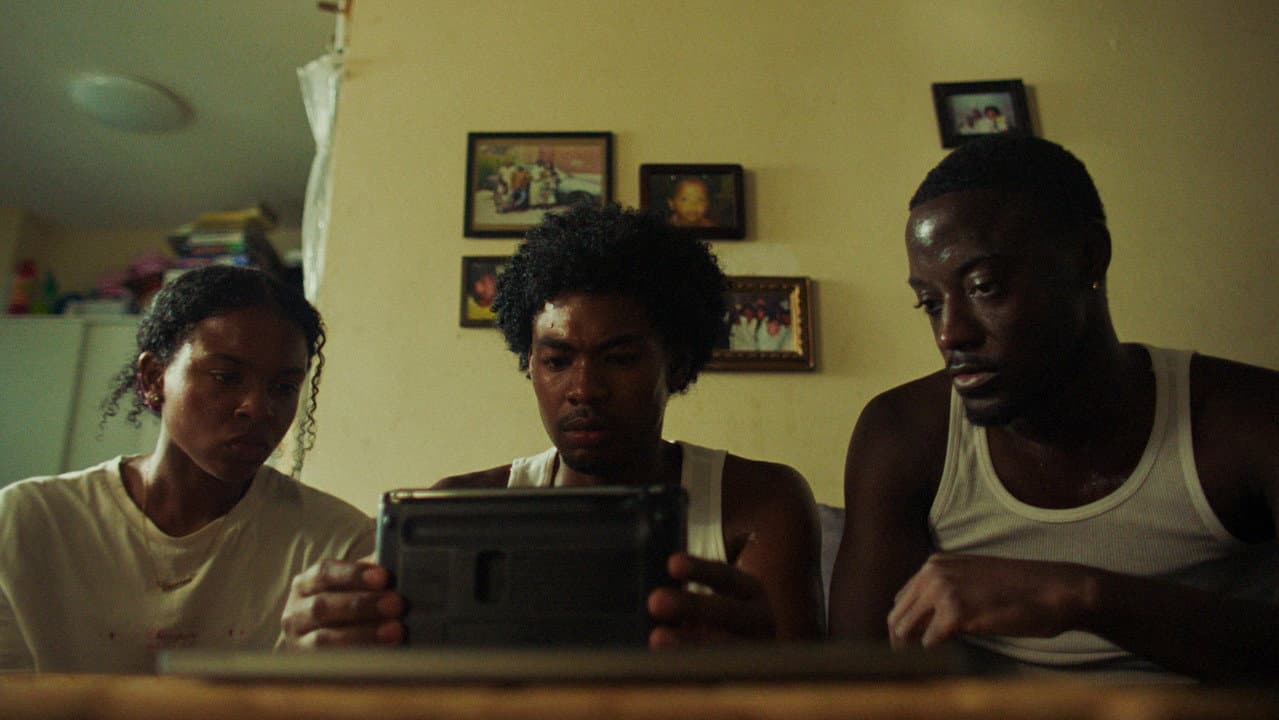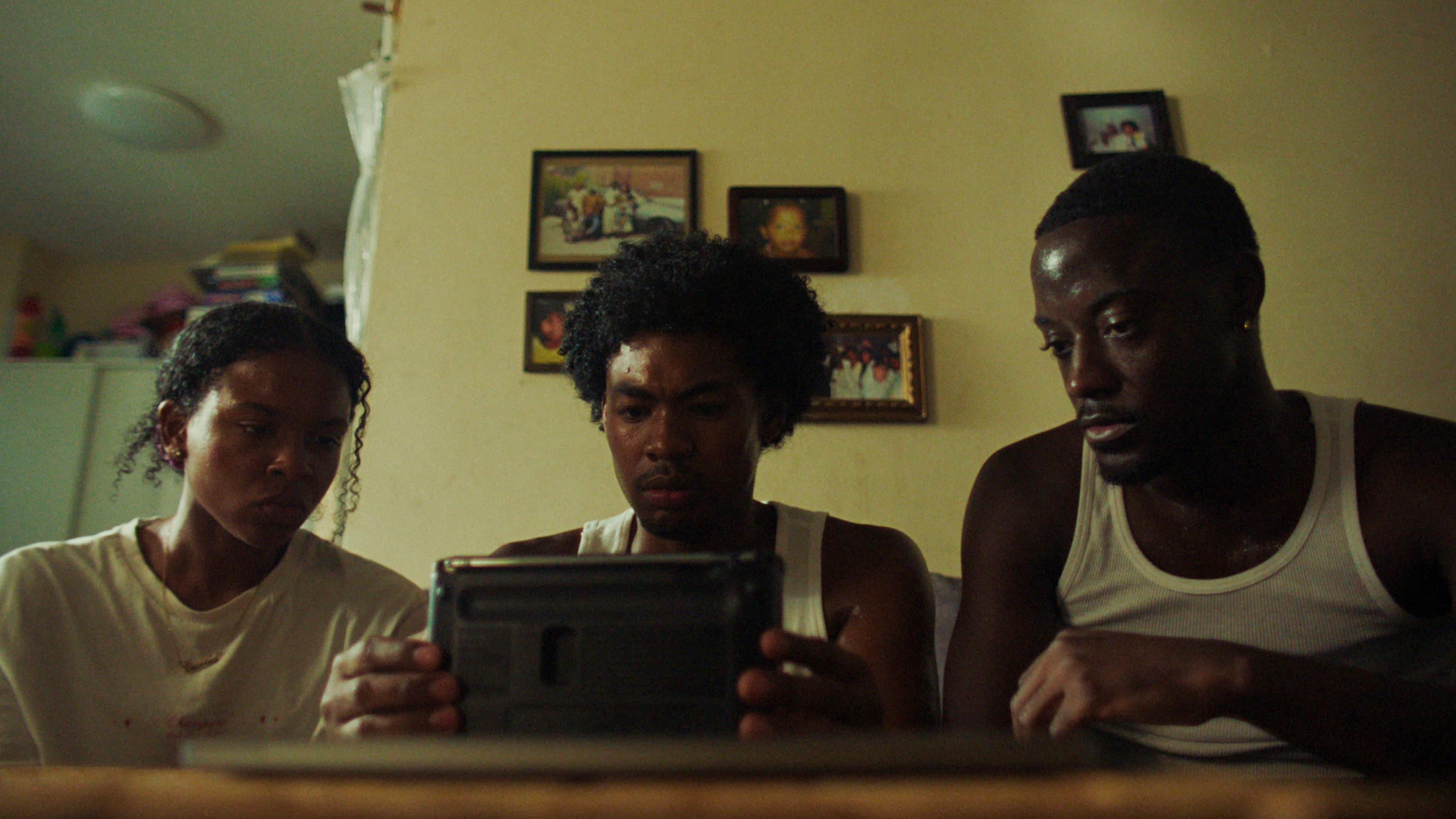
Serville Poblete didn't set out to make a movie about the end of the world. He set out to make one about the end of a summer - and, quietly, the end of childhood itself. The director's new comedy "Sunburn" arrives in theaters today, September 14, 2026, distributed under the Hollywood banner, and it does so with a premise that sounds deceptively simple: on one of the hottest days on record, a citywide blackout kills the power, and a pack of neighborhood kids head out looking for relief. What they find, according to the film's own framing, is a day that will quietly mark the end of their childhood.
That contrast - a sun-drenched afternoon comedy carrying an elegiac undertow - is exactly the space Poblete wanted to work in. In discussing the project, he described an urge to build something warm and loose, a film anchored in a specific community and a specific way of spending time. He said he really wanted to make a film like that for the neighborhood - a movie that felt lived-in rather than manufactured, the kind of hangout story that treats ordinary kids on an ordinary block as worthy of the big screen.
A Hangout Movie at Heart
"Sunburn" runs a lean 82 minutes, and its structure reflects the director's stated instincts. Rather than chase a plot-heavy crisis, the film uses the blackout as a pressure valve. With the grid down and the heat rising, the kids' search for relief becomes a series of encounters and small adventures - the connective tissue of a hangout comedy. The genre label is straightforward: this is a Comedy, and the setup of a heat wave plus a power failure gives the film its built-in engine. But the overview also signals something more melancholic running underneath the jokes, a sense that the freedom of the day is finite and that the kids themselves don't yet understand what's slipping away.
That tension between lightness and loss is a recognizable tradition in American filmmaking, and Poblete's stated goal places "Sunburn" in conversation with movies that prioritize atmosphere and community over incident. The director's emphasis on making something "for the neighborhood" suggests a desire to center faces and places that don't often get the warm, affectionate treatment a hangout movie provides.
A Young Ensemble Carries the Day
The film rests on a cast of young performers, and the ensemble is led by Joshua Obra as Shay, with Arianna Shannon as Cee Cee, Dashawn Lloyd Blackwood as Vince, Milan Deng as Allie, Trinity Lloyd as Britney, and Ericka Leobrera as Nia. Six kids, one sweltering day, and a city temporarily stripped of its modern comforts - the setup gives each of them room to move through the story as part of a group rather than as a solitary protagonist.
For a movie whose premise hinges on collective experience, that ensemble-first approach makes sense. The blackout doesn't isolate these characters; it liberates them, pushing them out of doors and into each other's company. Much of the film's emotional weight will therefore depend on how naturally these young actors inhabit that group dynamic - whether the audience believes they've known each other their whole lives, which is precisely the kind of unforced chemistry a hangout film lives or dies on.
Arriving Without a Track Record
"Sunburn" enters the marketplace without the benefit of an established audience score. As of its release, the film holds a TMDb rating of 0/10 - a figure that reflects an absence of aggregated user votes rather than a verdict from moviegoers. Early in a release cycle, that number is essentially a placeholder; it will shift once viewers actually see the movie and log their reactions.
What the film does have is a clean, marketable hook: extreme heat, no electricity, and a bunch of kids with nothing to do but roam. It's the sort of logline that travels well, and the 82-minute runtime positions "Sunburn" as a compact theatrical option rather than an endurance test. Whether that combination translates into word-of-mouth momentum is the open question facing the release.
A Director's Personal Register
Poblete's comments about the project point to something more personal than a studio assignment. Framing the film as a wish to make "a film like that for the neighborhood" places the director's own experience and reference points at the center of the movie's identity. That posture - filmmaker as community member rather than distant observer - tends to produce movies with texture: specific slang, specific streets, specific ways of killing an afternoon.
It also raises expectations about tone. A hangout comedy built around a blackout could easily tilt toward farce, but the overview's final clause - that the day will quietly mark the end of childhood - suggests Poblete is after something gentler and sadder. The best versions of this kind of film sneak their emotional payload in under the cover of good times, letting the audience realize only later that they've been watching a farewell.
"Sunburn" opens today in Hollywood release. With its young ensemble, its single-day structure, and its director's plainly stated affection for the kind of neighborhood story he grew up wanting to see, the film is positioning itself as a small, warm slice of summer - one that arrives, appropriately enough, carrying the faint chill of something ending.
Source: Hollywood Reporter