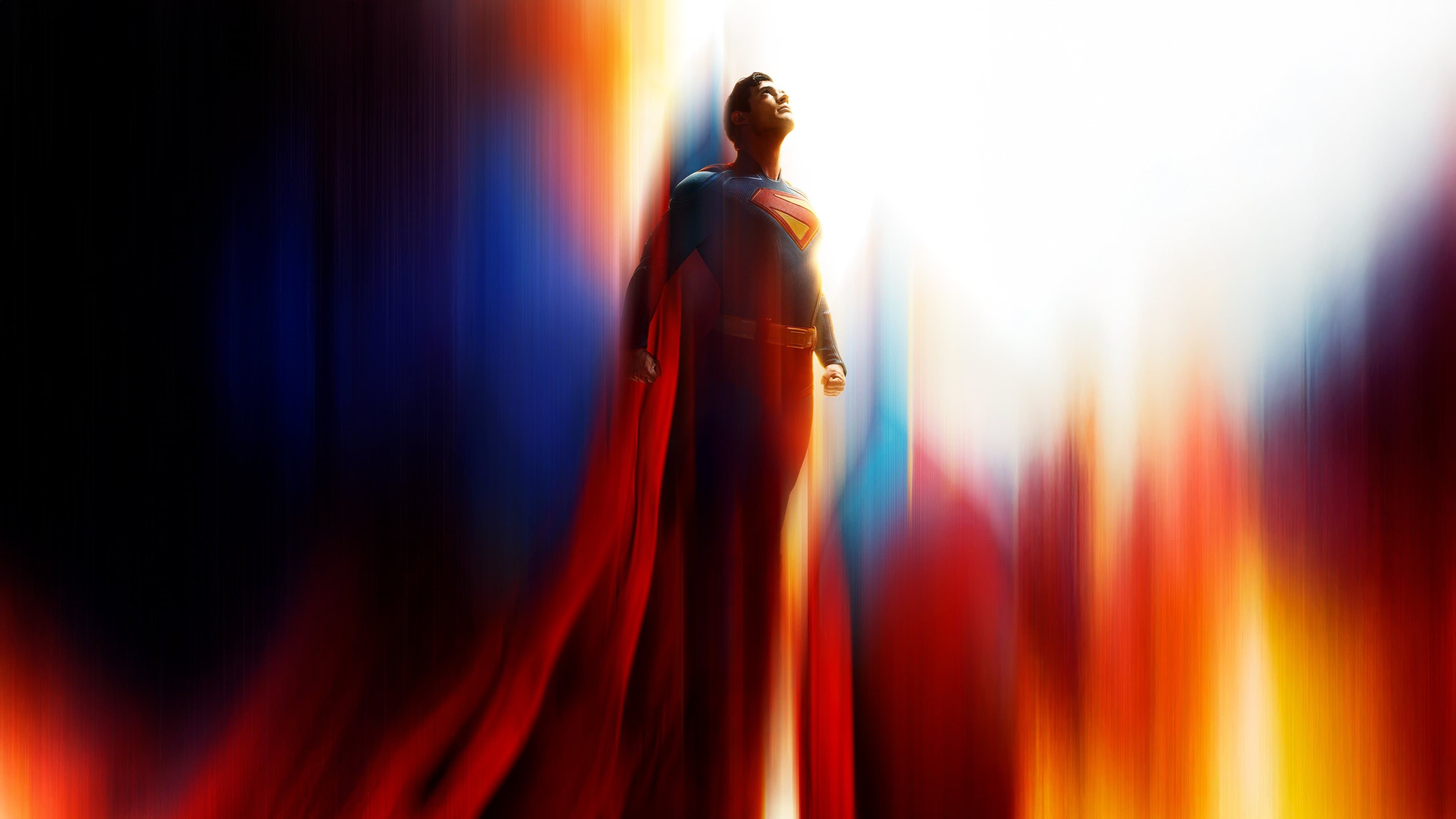

It’s been fourteen months since James Gunn’s Superman soared into theaters, and on this crisp September morning, the sky above Metropolis - both the fictional one and the soundstages where it was born - still feels a little brighter. The film, which landed on July 9, 2025, didn’t just reboot a franchise; it performed a kind of cinematic defibrillation on the Man of Steel, reminding us that the character’s power was never really about the fists. With a TMDb rating of 7.329/10 and a runtime that clips along at a lean 130 minutes, Gunn’s take has settled into the culture like a familiar tune you can’t stop humming. And for Hollywood Buzz News, that’s worth a second look.
The premise, on paper, sounds almost meditative for a genre that usually thrives on collateral damage. David Corenswet steps into the red boots as Kal-El, but the script’s engine isn’t a world-ending threat. It’s an identity crisis. Superman, a journalist in Metropolis, embarks on a journey to reconcile his Kryptonian heritage with his human upbringing as Clark Kent. That’s it. That’s the conflict. No Doomsday, no world-forger, no galaxy-spanning war. Just a man - an alien, sure, but a man - trying to figure out where he belongs. And somehow, in an era of bloated running times and universe-building homework, Gunn makes that intimate premise feel as epic as any sky-brawl.
What’s striking about the film’s chemistry is how unforced it feels. Corenswet gives us a Superman who is earnest without being saccharine, powerful but perpetually uncertain. He’s a creature of two worlds who belongs to neither, and his scenes with Rachel Brosnahan’s Lois Lane crackle with the electricity of two people who genuinely like each other. Brosnahan, fresh off her Emmy-winning run in television, brings a razor-edged wit to Lois that cuts through the usual damsel scaffolding. This Lois isn’t waiting to be saved; she’s already running the investigation while Superman fumbles with his own mythology.
Around them, Gunn has assembled a rogue’s gallery and a justice squad that feel plucked from a comic-book fan’s fever dream. Nicholas Hoult’s Lex Luthor is a cold, calculating foil - less theatrical than Gene Hackman, less jittery than Jesse Eisenberg, and all the more menacing for it. Hoult plays Lex not as a madman but as a businessman who views Superman as an unregulated variable in his ledger. The supporting heroes, meanwhile, are a delight of deep-cut casting: Edi Gathegi’s Mr. Terrific is all logical cool, Nathan Fillion’s Guy Gardner is a hilarious blowhard who nearly steals the third act, and Isabela Merced’s Hawkgirl brings a blunt, warrior’s grace to the ensemble. María Gabriela de Faría’s The Engineer provides the film’s sleekest visual menace, while Skyler Gisondo’s Jimmy Olsen supplies a warmth that anchors the chaos.
But what truly sets Superman apart is its tonal balancing act. Gunn, who made his name with the profane irreverence of Guardians of the Galaxy, proves he can handle sincerity without a wink. There’s a sequence mid-film where Superman simply sits with a dying man on a rooftop, offering comfort rather than a rescue. It’s quiet. It’s patient. And it’s the kind of moment that the character has been begging for since Richard Donner’s 1978 original. Gunn understands that Superman’s real superpower is hope, not heat vision. The action set-pieces - a breathless chase through Metropolis’s canyons, a brutal one-on-one with a metallic monstrosity - are kinetic and legible, but they never overshadow the philosophical tug-of-war at the story’s core.
The production design deserves a mention too. Metropolis here feels like a city that could actually exist, all neon-drenched streets and grimy corners, rather than the gleaming CGI utopia of earlier iterations. The Kryptonian flashbacks are spare and mournful, rendered like faded photographs rather than epic operas. It’s a deliberate choice that emphasizes loss over spectacle. Gunn’s camera lingers on small details - Clark’s hands shaking as he unfolds his father’s message, Lois’s notepad dog-eared with questions she’s afraid to ask.
Reviews were strong out of the gate, with audiences and critics alike noting that this is a Superman for adults who grew up feeling like outsiders. The film doesn’t talk down to its viewers, nor does it smuggle in cameos that undercut its emotional stakes. It stands alone, which is almost radical in today’s franchise landscape. There’s no post-credits scene teasing a sequel, no mid-credit wink to a shared universe. Just a story, fully told, about a man who chooses to be good.
So as we look back at a summer blockbuster season that has come and gone, Superman remains the gold standard - not because it reinvented the wheel, but because it remembered why the wheel matters. Corenswet’s Clark Kent walks into the Daily Planet at the film’s end with a shrug and a smile, and you believe him. You believe he’ll file his story by deadline. You believe he’ll save the city again tomorrow. And for 130 minutes, you believe that a boy from Kansas can carry the weight of a dying planet’s hopes without breaking. That’s not just entertainment. That’s myth-making, done right.