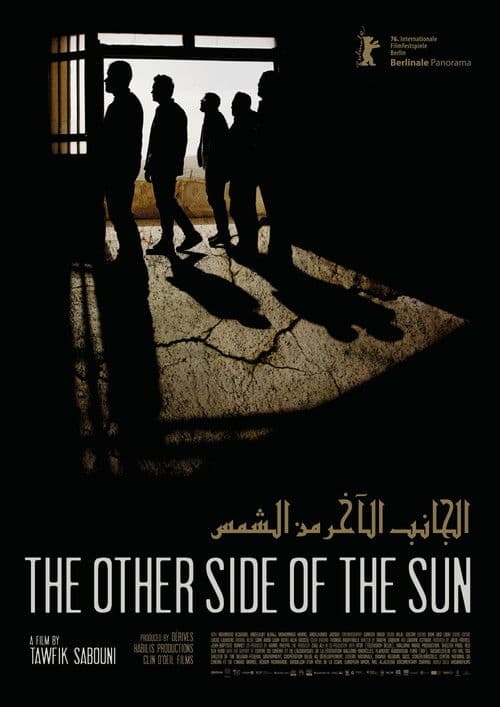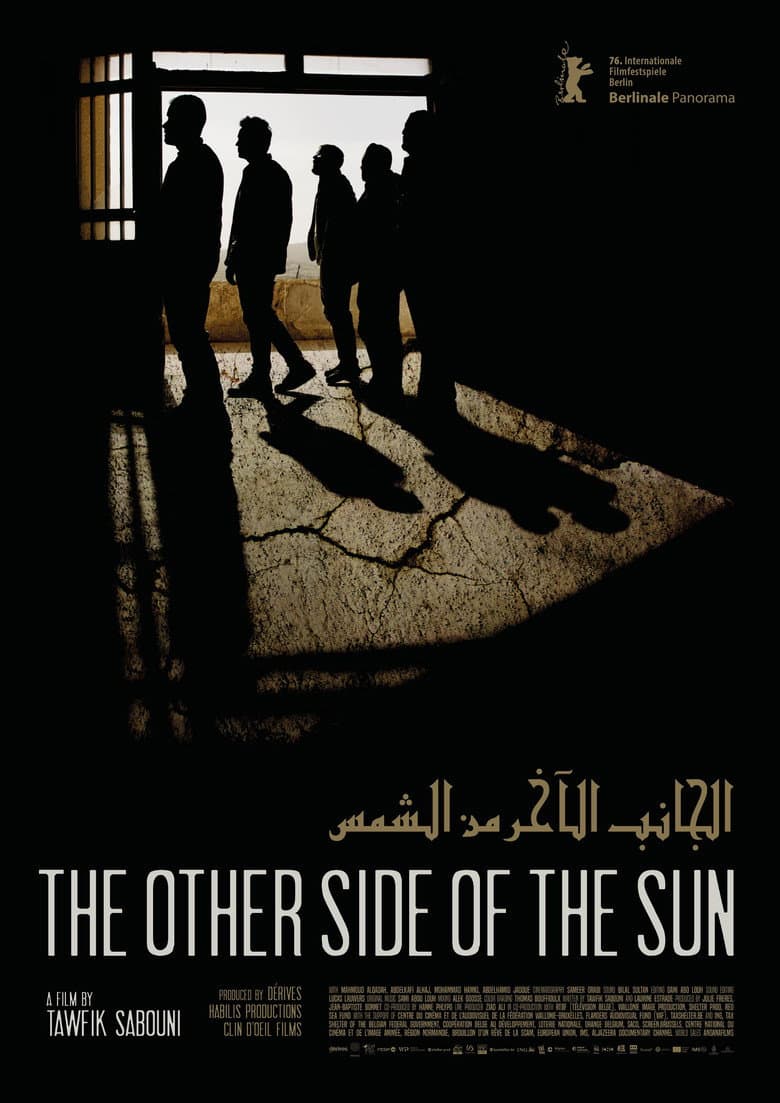
Syria has selected “The Other Side of the Sun,” Tawfik Sabouni’s documentary about five survivors returning to the notorious Saidnaya prison, as its submission for the Best International Feature category at the 99th Academy Awards, while Icarus has been named as the United States’ entry in the Documentary Feature race. The dual announcements, arriving as the fall festival corridor gives way to the height of awards season, set up two very different campaigns with a shared preoccupation: what states do to the people they imprison.
“The Other Side of the Sun” runs 90 minutes and had its release on February 15, 2026. It is an Arabic-language film shot as a documentary, and it carries no credited cast, a reflection of the fact that its subjects are survivors rather than performers. Sabouni, who directed, built the project around a deliberately uncomfortable premise. After the fall of Bashar al-Assad’s regime, five people who endured incarceration inside the former torture prison of Saidnaya go back. They do not simply walk the corridors for a commemorative camera. They reenact what was done to them, staging their own memories in the rooms where those memories were made. The descriptions accompanying the film frame the act as a reclamation: the participants recover their voices and testify on behalf of prisoners who did not survive to speak.
That approach places the film in a lineage of documentaries that treat reconstruction as a form of evidence rather than a stylistic flourish. By asking survivors to perform their own past, Sabouni forces a question that conventional testimony can sometimes dodge - how much of what happened can be conveyed at all, and what does the attempt cost the person making it. The prison becomes both a set and a crime scene, and the five participants function simultaneously as witnesses and as the film’s only real characters. No actor is credited because none is needed; the past is being played by the people who lived it.
Syria’s choice lands in a competitive international field, but it arrives with a narrative weight that few submissions can match. Saidnaya became a shorthand for the worst of the Assad-era security apparatus, and a film that returns there after the regime’s collapse is effectively documenting the immediate aftermath of a historical rupture. That timing gives the campaign a built-in urgency. Academy voters in the international category have shown a sustained appetite for nonfiction, though documentaries must navigate the sometimes arcane eligibility rules that govern which category ultimately hosts them. Syria’s submission exists squarely at that crossroads.
For Icarus, the U.S. selection places a documentary in the American corner of the same awards conversation. The pairing is notable less for any thematic overlap than for its geopolitical symmetry: one film emerges from the Syrian experience of state violence, the other carries the United States’ imprimatur into the same season. Both will now begin the long slog of screenings, panels, and voter outreach that defines an Oscar campaign, and both will have to convince voters that a documentary deserves attention in a year when narrative features traditionally dominate the conversation.
It is worth remembering how much of the international race depends on decisions made by national committees, many of them operating with limited resources and no publicity machinery behind them. A selection like “The Other Side of the Sun” does not come with a studio war chest. Its path runs through festival programmers, critics, and the slow accumulation of word of mouth. Sabouni’s film has the kind of subject that can travel - the fall of a regime, the reckoning with what it left behind - but travel and votes are different currencies. The film will need both.
The Academy’s shortlists will determine whether either title advances to the final five in its respective category, and that process is months away. For now, Syria has a submission that is almost impossible to watch casually and almost as difficult to dismiss, a 90-minute act of return in which five people walk back into the place that was built to break them and choose, on camera, not to stay silent. Icarus, meanwhile, carries the U.S. banner with the weight of expectation that comes with it. Between them, the documentary field this year has two entries that treat memory not as nostalgia but as labor.
Source: Hollywood Reporter