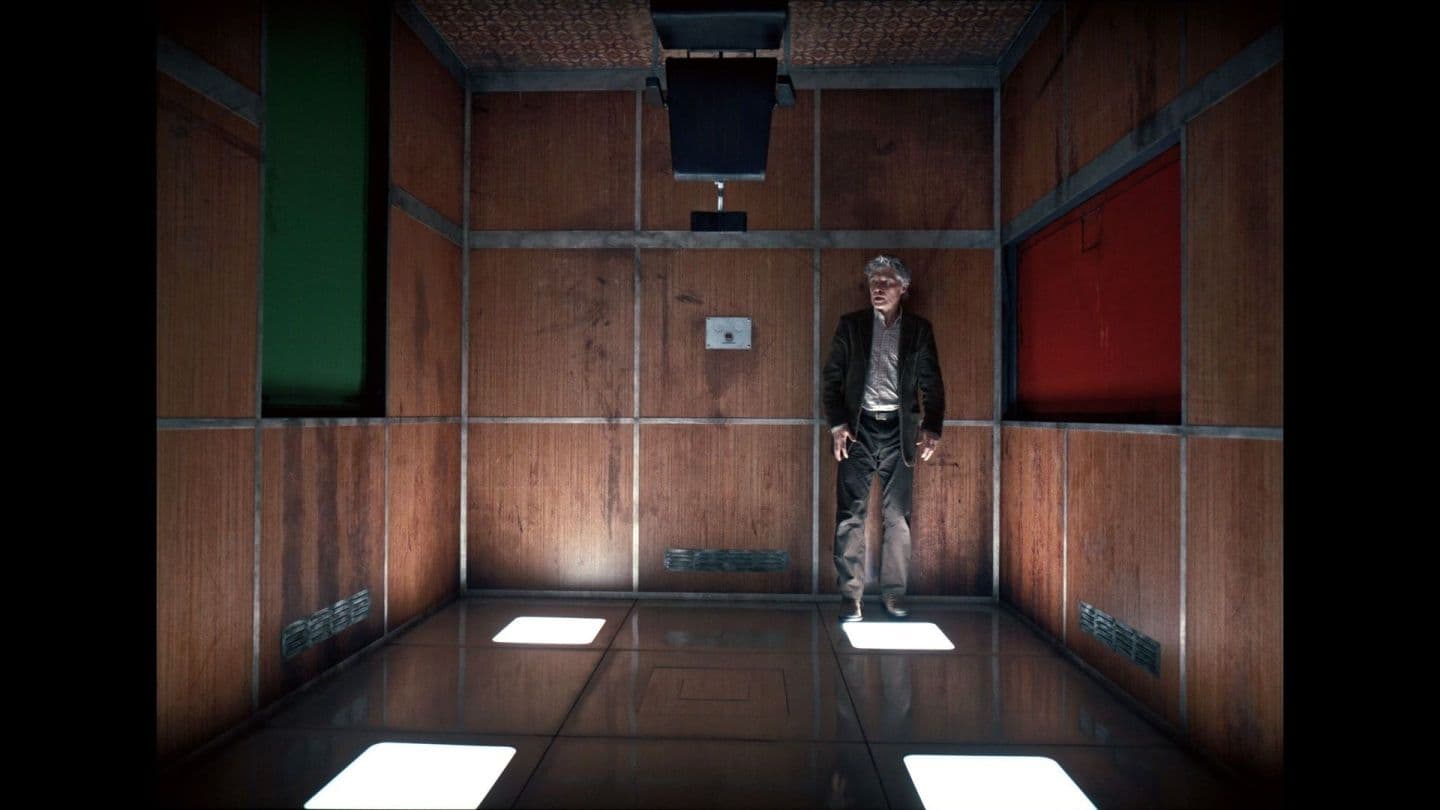
The Tallinn Black Nights Film Festival has rolled out the lineup for its Baltic Film Competition, the strand reserved for features from Estonia, Latvia, and Lithuania that has quietly become one of the most closely watched sections of the late-autumn circuit. Organizers unveiled the slate ahead of the festival's traditional November launch, confirming the section will once again anchor the event's regional identity while sitting alongside the main International Competition, the First Feature Competition, and the Rebels With a Cause strand that together give the gathering its sprawling shape.
For an event that began in 1997 and grew into one of the largest film festivals in Northern Europe, the Baltic competition is more than a box to tick. It is the festival's hometown argument - that the cinema of the three Baltic states deserves a stage of its own, programmed with the same seriousness as the international titles that draw the foreign press and industry visitors to the Estonian capital. A-Net, which oversees the festival's industry platform, folds into the same November window, meaning the filmmakers showcased in the Baltic section are working the same rooms and corridors as the producers and sales agents scouting for the next breakout.
A Showcase With a Regional Mandate
The competition's rules are straightforward. Features from Estonia, Latvia, and Lithuania compete for a dedicated jury prize, with the section's programmers leaning toward directors who are pushing form rather than repeating formulas. Over the years the strand has been a launchpad for filmmakers who went on to tour the wider festival circuit, and Tallinn has been happy to claim a share of the credit. It is not a parochial gesture; the festival treats the Baltic lineup as a calling card, using it to demonstrate that the region's output can stand next to work from France, Japan, or Brazil without apology.
That positioning matters in a market where Baltic productions often struggle for visibility beyond their home territories. A slot in Tallinn brings international critics, programmers from other festivals, and the kind of attention that can translate into sales and further invitations. For first- and second-time directors in particular, the section functions as a credible stepping stone rather than a consolation prize.
A Festival That Keeps Expanding Its Ambitions
Tallinn Black Nights has spent the past decade sharpening its reputation as a discovery festival with an unusually broad remit. Its main competition holds FIAPF accreditation, a status that puts it in a small club of internationally recognized competitive festivals. That credential has helped attract world and international premieres that might otherwise have gone to larger events in Western Europe. The Baltic competition sits inside that ecosystem, benefiting from the festival's growing profile while serving as a reminder of where the event comes from.
The festival's timing - late November, deep into the awards-season crush but just before the year-end holiday slowdown - gives it a distinct niche. It is far enough from Cannes, Venice, and Toronto to avoid direct competition, yet close enough to the European Film Awards that buzz from Tallinn can still travel. Industry attendees often describe the event as a place where deals get done in a less frantic atmosphere than the major markets allow.
What the Section Means for the Region's Filmmakers
For Baltic directors, the competition has become something of a homecoming ritual. Many of them have premiered elsewhere first, but a Tallinn slot lets them bring the film back to a regional audience and to the journalists and buyers who cover the Nordics and the Baltics as a beat. The festival has also used the section to build relationships with national film centers in all three countries, which in turn helps with submissions and with the practical logistics of getting prints and talent to Estonia.
The broader Baltic film scene has been on an upward trajectory, with production incentives, co-production treaties, and a generation of directors who move easily between documentary and fiction. Tallinn's competition reflects that energy rather than manufacturing it. Programmers have generally favored films that engage with contemporary life in the region - urban alienation, post-Soviet memory, environmental anxiety - without reducing the selection to a sociological survey. The best entries in any given year tend to be the ones that use a specific local story to reach for something larger.
The Road Ahead
As the festival prepares to open its doors, the Baltic competition will once again share the spotlight with the industry program, the youth and children's sidebar Just Film, and the nocturnal genre offerings that have earned Tallinn a reputation for adventurous late-night programming. The section's winner will be decided by a jury whose composition is typically announced closer to the event. For now, the announcement of the lineup is the first concrete signal of what the festival's regional center of gravity will look like this year - and a reminder that in Tallinn, the Baltic states are not a footnote but the main event's beating heart.
Source: Hollywood Reporter