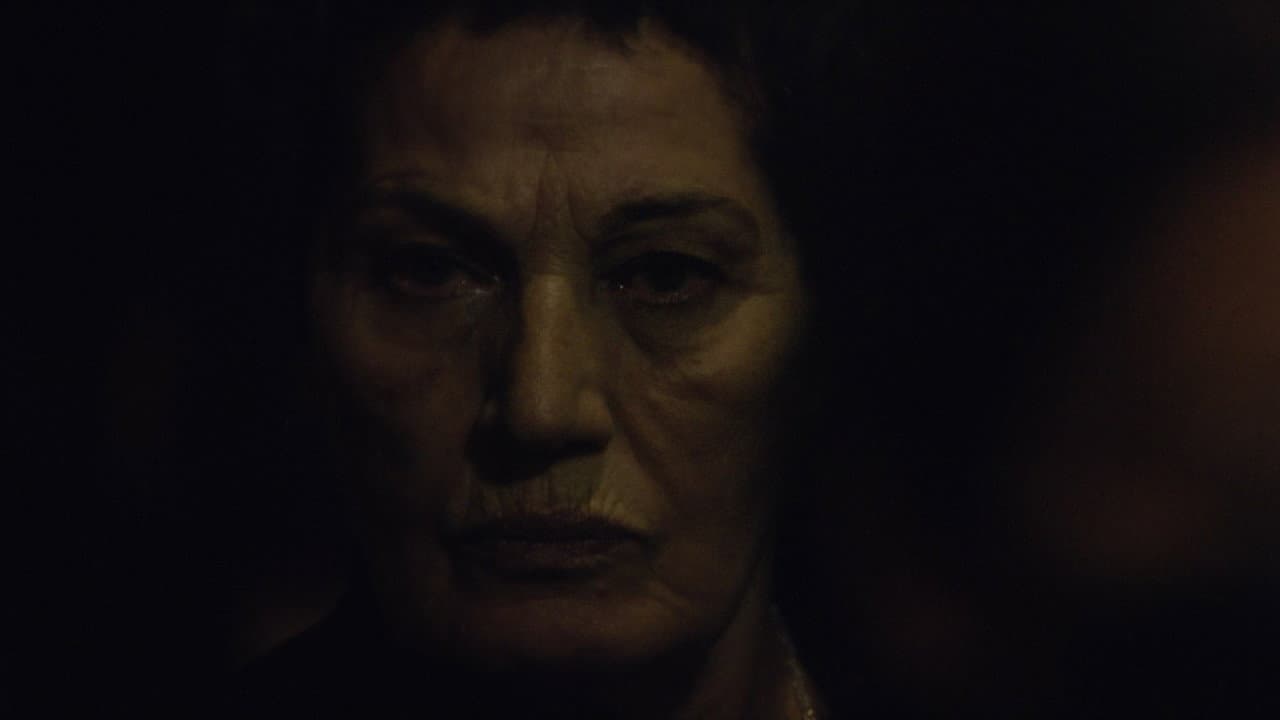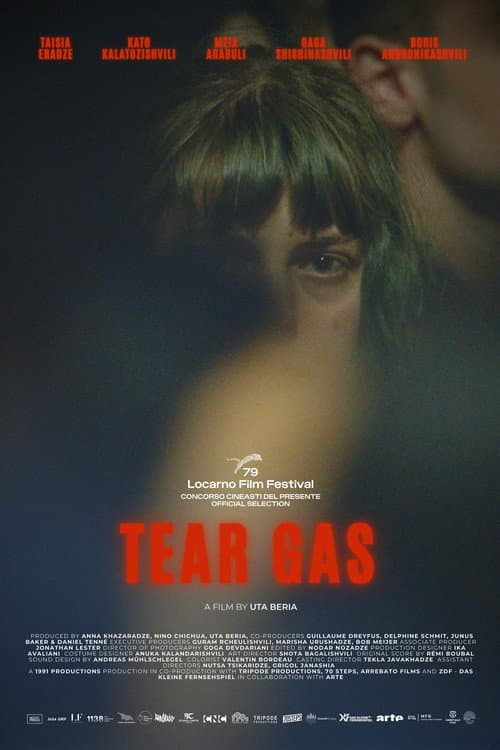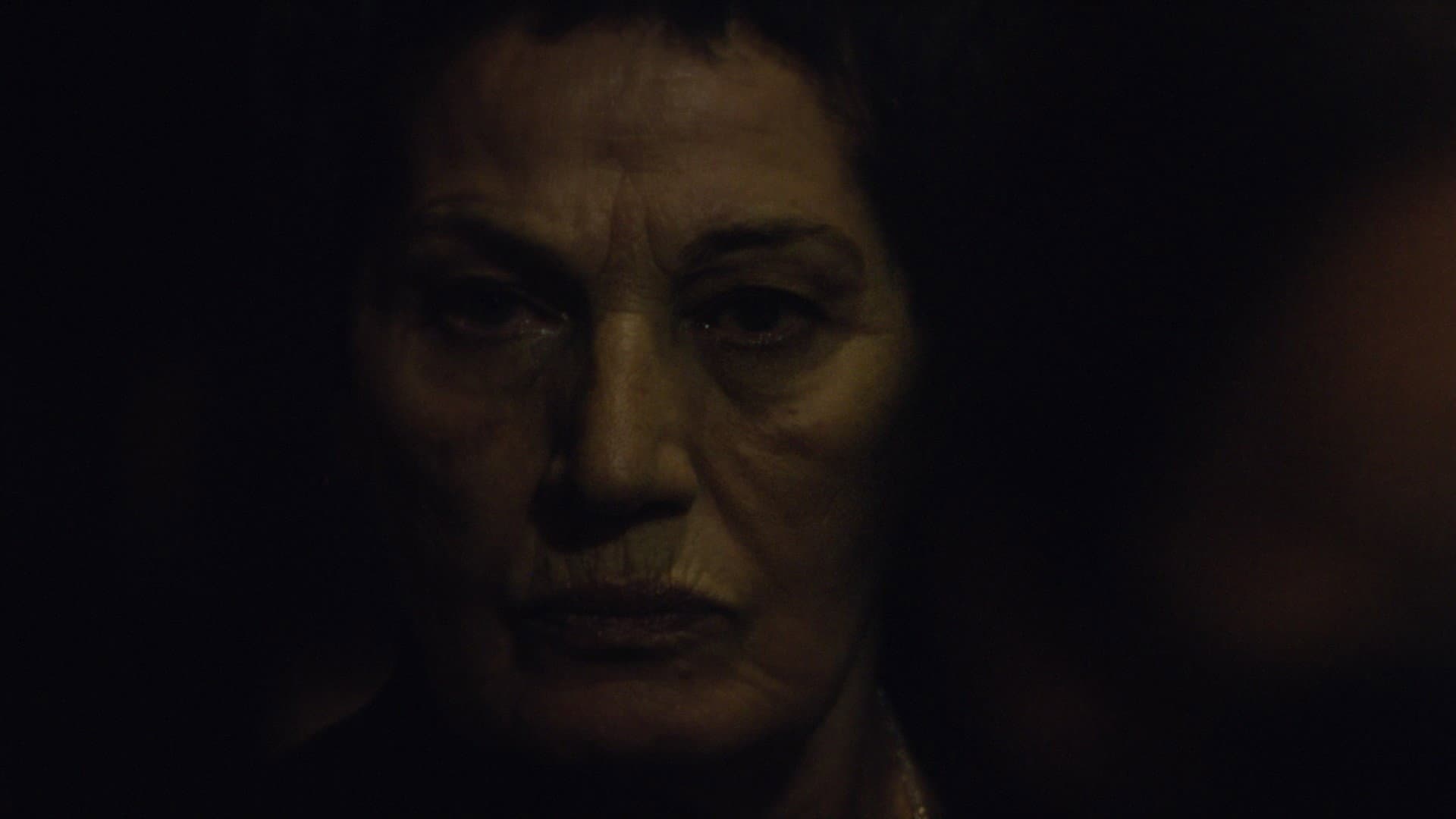
The line between fiction and frontline reporting blurs in Tear Gas, a new drama shot inside the actual anti-government protests that have gripped the Georgian capital. The film, which opens in limited release on August 12, 2026, was conceived and executed as what director Uta Beria calls “an act of resistance” - a narrative feature embedded within real-world civil unrest rather than a recreated set.
The movie centers on 16-year-old Elene, played by Taisia Eradze, whose family dynamic is already fraying under the weight of unspecified wartime trauma. When mass demonstrations erupt in Tbilisi, the family is unwillingly swept into the chaos. The streets, transformed into a battleground for freedom, force each member to confront not only the state’s crackdown but also the fractures already splintering their household. It is, at its core, a domestic drama played out against the deafening sound of rubber bullets and screaming crowds.
A shoot embedded in real-world chaos
Beria, a Georgian filmmaker with a documentary background, made the audacious choice to film Tear Gas during bona fide protest actions. Rather than staging replicas of clashes for the camera, the production team embedded actors within the living, breathing demonstrations - capturing genuine tear gas clouds, real police lines, and authentic panic among fleeing crowds. The 96-minute thriller weaves scripted performances into raw documentary footage, creating a hybrid format that lands somewhere between political cinema and battlefield reportage.
The result is unsettling in its authenticity. Eradze, a young actress making her feature debut, reportedly improvised much of her dialogue while navigating actual confrontations. Her co-stars - veterans Mzia Arabuli, Gaga Shishinashvili, Kato Kalatozishvili, and Boris Andronikashvili - had to balance character work with the very real physical danger of the moment. No one on set knew when a demonstration might turn violent, and the film’s unpolished edges reflect that unpredictable reality.
The production faced obvious logistical hurdles. Filming permits became irrelevant when locations were barricaded or occupied. Camera crews had to move in coordinated pods, sometimes shooting from balconies and rooftops to avoid confiscation of equipment. The film’s existence is itself a testament to the conviction of its creators - and a risk that Beria was willing to take far beyond the standard confines of cinematic production.
A family torn between loyalty and survival
At the story’s center is a universal question: How do you hold a family together when the world outside is actively trying to tear it apart? Elene’s war-scarred relatives arrive at the protest with different motivations - some seeking political change, others merely trying to bring a loved one home. The script, co-written by Beria, treats each character’s arc with equal weight, refusing easy villainy or martyrdom.
The film’s tension builds not just from state violence but from the internal negotiations between characters who love each other and disagree about how far they are willing to go. A mother’s instinct to shield her child collides with a teenager’s desperate need for agency. An older brother’s revolutionary fervor challenges his father’s weary pragmatism. The protest becomes a crucible, and by the final act, no one emerges unchanged.
Georgian audiences may recognize the specificity of the setting - the streets of Tbilisi, the language, the particular political grievances - but the themes translate far beyond national borders. The film arrives at a moment when protest movements from Europe to South America are testing the limits of civic expression, and Tear Gas captures the sensory reality of what that struggle looks and feels like up close.
Activism through artistry
Beria has been explicit about the film’s dual purpose. It is not merely a story about resistance; it is an act of it. By smuggling a narrative feature out of a live protest zone, the director hopes to preserve a visceral record of a moment that mainstream media might otherwise flatten into statistics and soundbites. Every frame, every cough from tear gas, every shattered window serves as documentation.
“We wanted to make something that could not be edited out of the record,” Beria said in a statement accompanying the release announcement. “Art is how we remember. This film is our memory of what it costs to demand freedom.”
The timing of the release - a Wednesday, atypical for a new feature - suggests an urgency to get the footage to audiences while the political situation remains fluid. The film’s TMDb rating currently sits at zero, an artifact of its unfinished marketing cycle, but early festival buzz and the novelty of its production method are likely to drive conversation.
For now, Tear Gas stands as a rare intersection of cinema and lived experience - a fiction film that bleeds reality from every pore. Whether audiences embrace its gritty authenticity or find the constant commotion exhausting, there is no denying that Beria has accomplished something few filmmakers would dare attempt. He turned his camera on a revolution, and the revolution pushed back.
Source: Hollywood Reporter