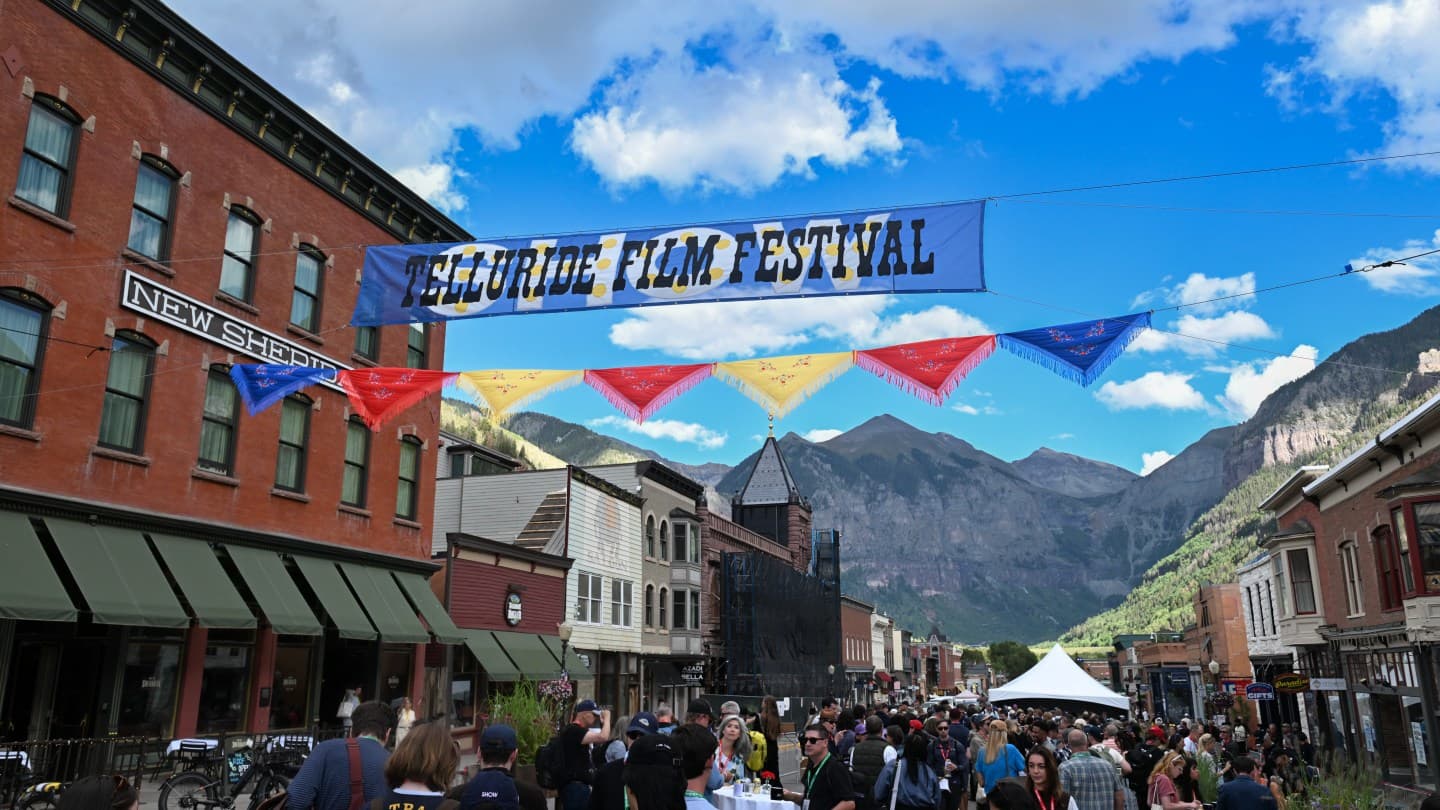
TELLURIDE, Colo. - The 2026 Telluride Film Festival wrapped its Labor Day weekend run with a mix of euphoric discoveries and stubborn disappointments, according to two of the industry’s most seasoned observers. The Hollywood Reporter’s awards columnist Scott Feinberg and Variety’s awards editor David Canfield, whose annual on-mountain podcast debriefs have become a ritual for discerning cinephiles, offered a candid snapshot of a festival that felt both revitalized and, at times, oddly complacent.
This year’s edition, nestled among the San Juan Mountains, carried an unusual weight. After two years of streaming-era jitters and a lingering writers’ strike hangover, Telluride 2026 arrived as a bellwether for the autumn awards season. The slate wasn’t just about movies; it was about momentum, and Feinberg and Canfield didn’t sugarcoat the uneven terrain.
The Highs: Discovery and Reinvention
The festival’s signature strength - its knack for unveiling unheralded gems - shone brightest in a handful of breakout titles. Canfield singled out a quietly devastating independent drama, shot on 16mm, that arrived with no distributor and left with multiple offers by the closing credits. “It’s the kind of discovery Telluride exists for,” he said, praising its restraint in an era of spectacle. Feinberg echoed that sentiment, pointing to a mid-career actress who delivered a career-best performance in a chamber piece, a turn that now positions her as an early front-runner for critics’ awards.
Another high point came from a veteran auteur’s return to form. A sweeping historical epic, long rumored to be in trouble, screened to a standing ovation that felt earned, not perfunctory. Both critics noted that the film’s visual ambition - shot across three countries - never overwhelmed its emotional core. “It’s an argument for the big screen,” Feinberg observed, adding that it could anchor a studio’s campaign strategy in a crowded fall.
The documentary slate also provided a jolt. A vérité-style portrait of a small-town political upheaval, assembled from years of footage, was singled out by Canfield as the festival’s most provocative nonfiction work. Its refusal to moralize, he argued, made it stick longer than more didactic entries.
The Lows: A Stubborn Middle
Yet for every triumph, there were head-scratching misfires. Both critics pointed to a trio of high-profile prestige pictures - each with A-list casts and substantial budgets - that arrived overhyped and undercooked. Feinberg described one as “a beautiful engine with no spark plugs,” noting its meticulous craftsmanship couldn’t hide a muddled script. Canfield was blunter about another: an awards-bait biopic that he said “plays like a Wikipedia page with better lighting.”
The festival’s middle tier, typically a safe harbor for sturdy adult dramas, felt thinner than in past years. Several titles that had generated pre-festival buzz - mostly mid-budget productions from boutique studios - landed with a shrug. “There’s a lot of competent filmmaking here, but competence isn’t discovery,” Canfield said. Feinberg agreed, observing that the lineup’s distribution of energy was lopsided: the peaks were higher, but the base was softer.
The Festival’s Evolving Role
Beyond individual films, both critics mused on Telluride’s shifting place in the cinematic ecosystem. The fest’s longtime refusal to publish a competition slate - long a point of pride - now feels bittersweet. As other fall festivals like Venice and Toronto increasingly dominate the global premiere calendar, Telluride’s curated exclusivity has become both its charm and its constraint. Canfield noted that this year’s program was “unusually Venice-slanted,” with several world premieres leaking early via word-of-mouth from the Lido, diluting the surprise factor in the Rockies.
Feinberg highlighted a generational shift among attendees. The festival’s demographic, still overwhelmingly cinephile and older, is starting to mingle with a younger digital-native crowd more comfortable debating films on social media than in line at the Palm Theater. That change, he argued, is healthy but requires programming that speaks to both sensibilities - a balance achieved only intermittently this year.
Awards Season Implications
As the Telluride dust settled, both critics turned their gaze to the months ahead. While neither was ready to anoint a definitive Best Picture front-runner, they agreed that the festival had reshuffled the deck. The independent drama Canfield championed and the historical epic Feinberg praised now enter the conversation with genuine heat, while early presumptive favorites that skipped Telluride - including a major sci-fi sequel and a star-studded literary adaptation - face renewed scrutiny.
“Telluride doesn’t decide the Oscar race, but it rewires the narrative,” Feinberg said. Canfield added a cautionary note: “What matters now is stamina. Some of these films will peak here, and some will keep climbing. Telling the difference is the real game.”
For now, attendees packed their parkas and headed downhill, leaving the festival with the familiar mix of exhaustion and anticipation. The 2026 slate may have had its valleys, but its peaks were imposing enough to make the climb feel worthwhile.
Source: Hollywood Reporter