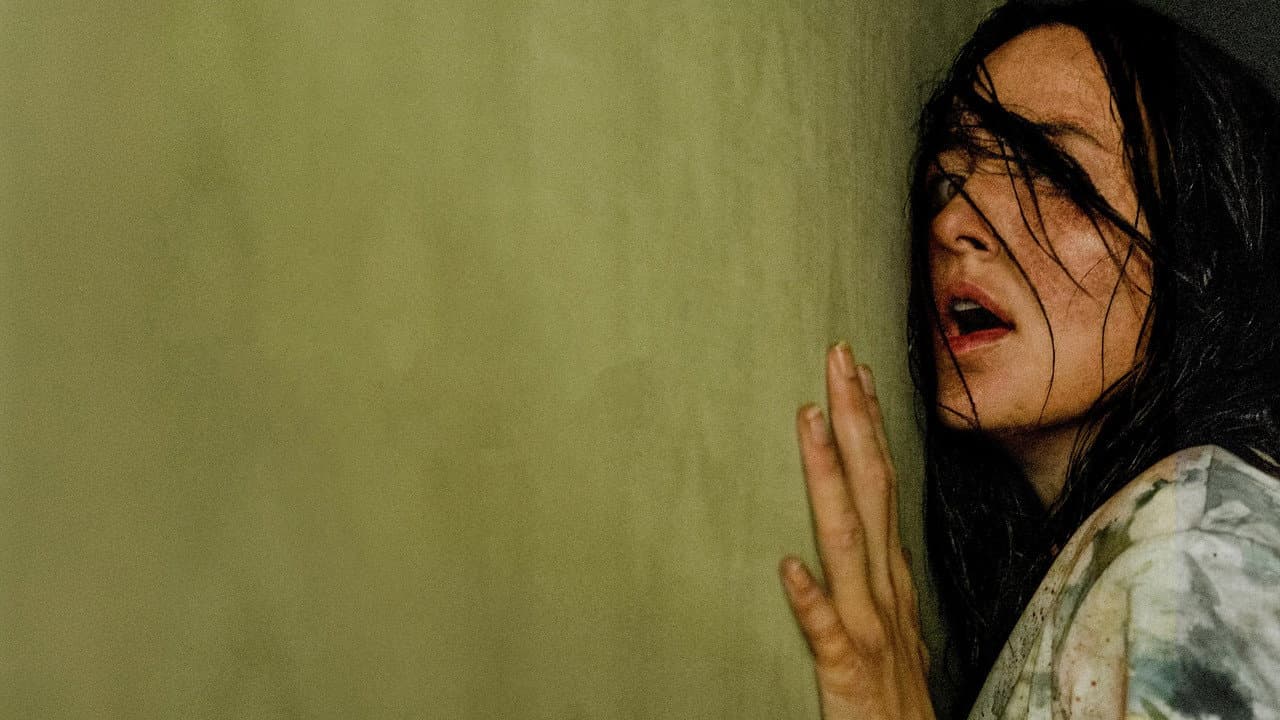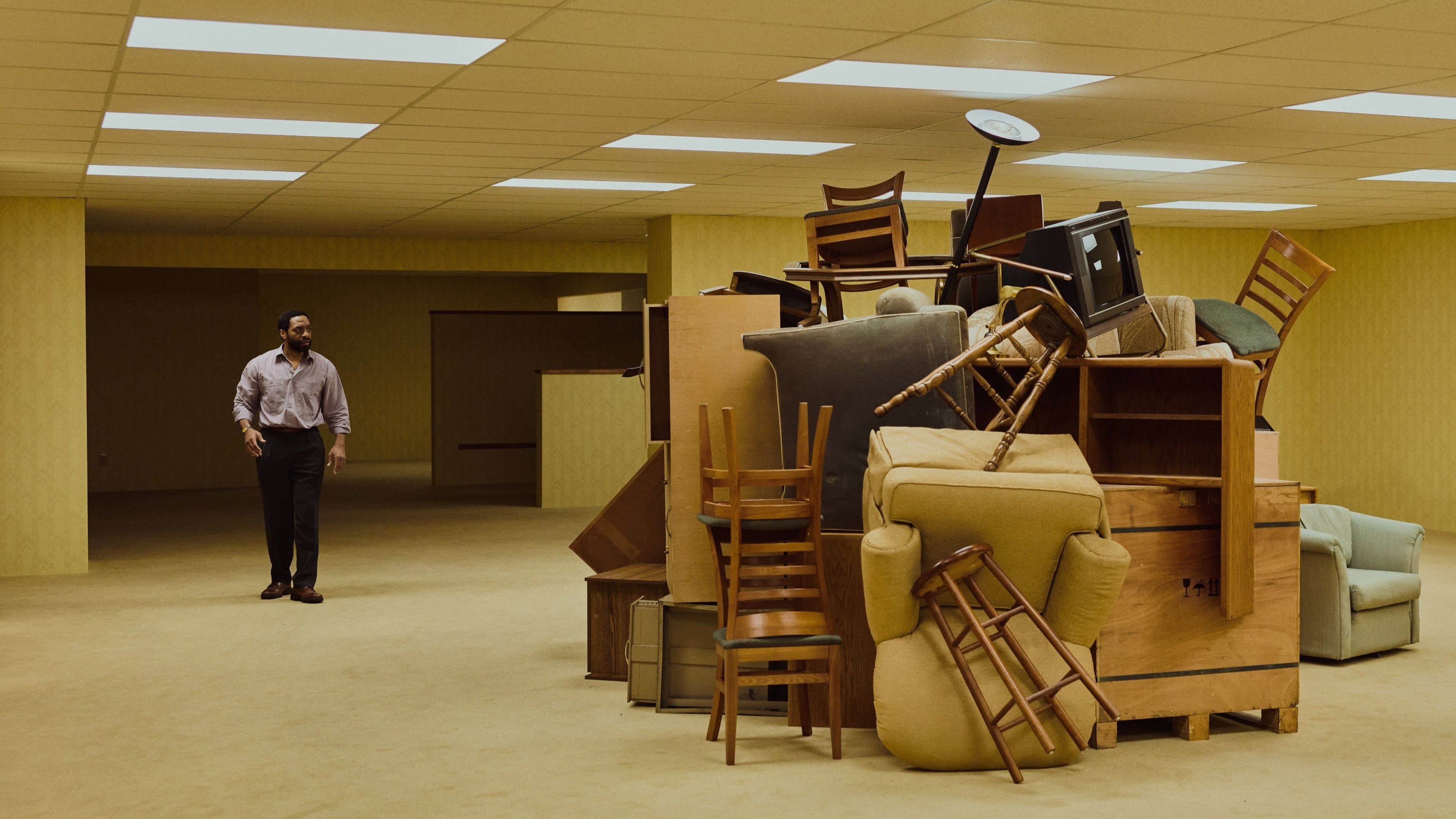
Kane Parsons has spent the better part of three years watching his debut feature get pulled apart and put back together by people who were not him. So when the newly released trailer for The Backrooms finally landed, his reaction was not relief. It was hunger.
"It activated a desire to see," Parsons said of the footage, describing the strange sensation of watching his own film marketed back at him. The director, who built a following on the strength of a lo-fi short that turned a liminal-space internet meme into something genuinely unsettling, now finds himself in the unfamiliar position of promoting a Hollywood production with a nine-figure price tag of expectations attached - and a runtime of 111 minutes that he did not assemble alone.
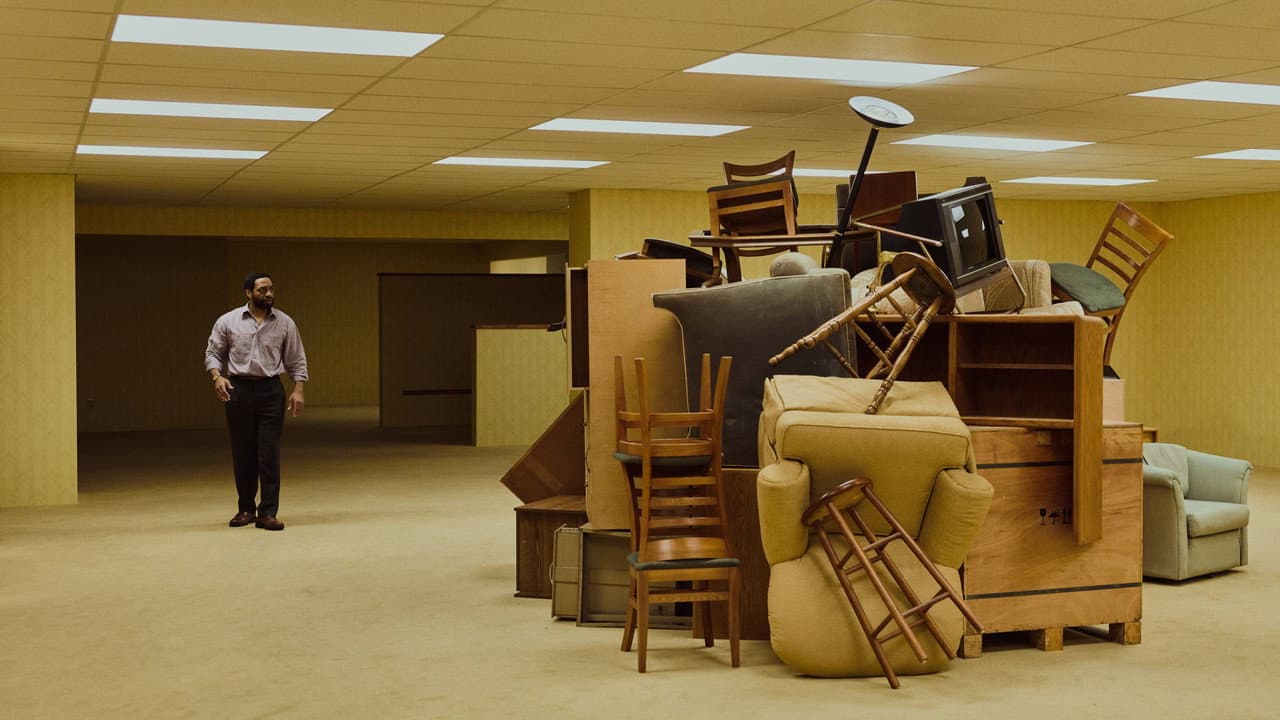
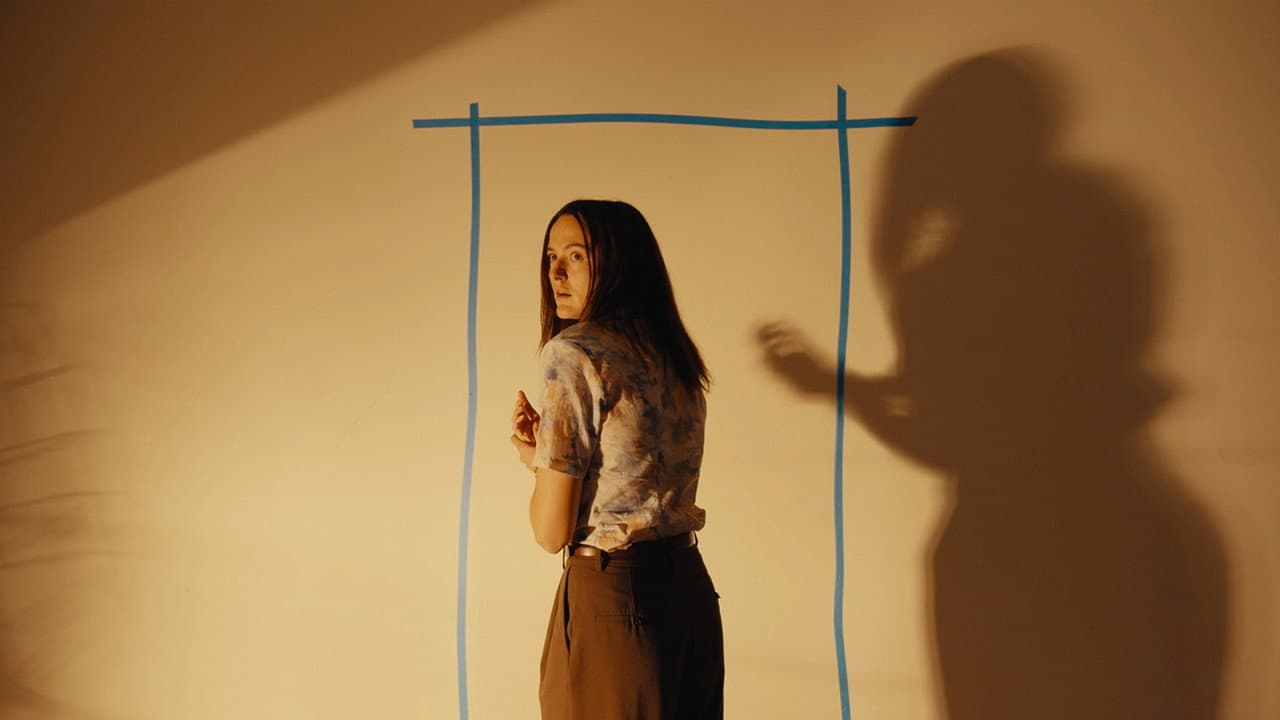
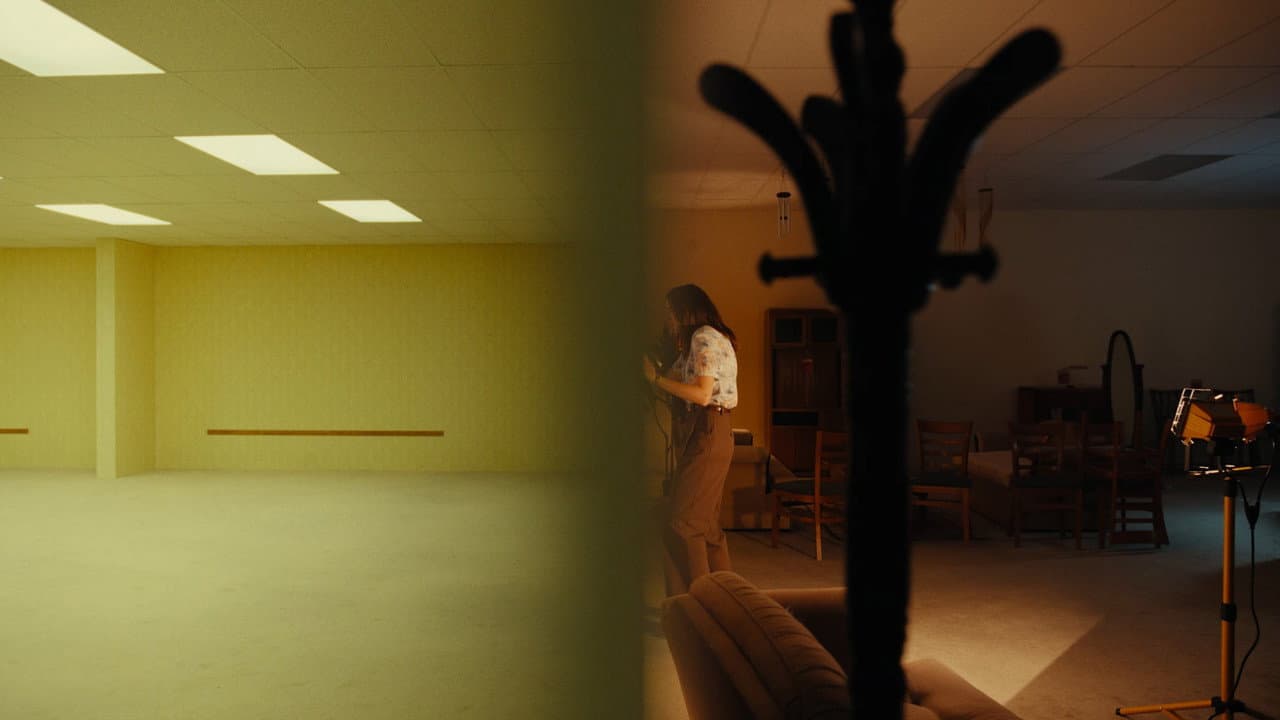
The Backrooms opens May 27, 2026, from a major Hollywood studio, and stars Chiwetel Ejiofor as Clark, Renate Reinsve as Mary, Finn Bennett as Bobby, Lukita Maxwell as Kat, Mark Duplass as Phil, Avan Jogia as Naren Warne, Robert Bobroczkyi as Pirate Clark, and Ember Ambrose as Young Mary. The official synopsis is deceptively small: a strange doorway appears in the basement of a furniture showroom. The film carries a 7.032/10 rating on TMDb and is classified as horror, mystery, and science fiction - three genres that rarely coexist without one of them getting crushed.
From YouTube Short to Studio Tentpole
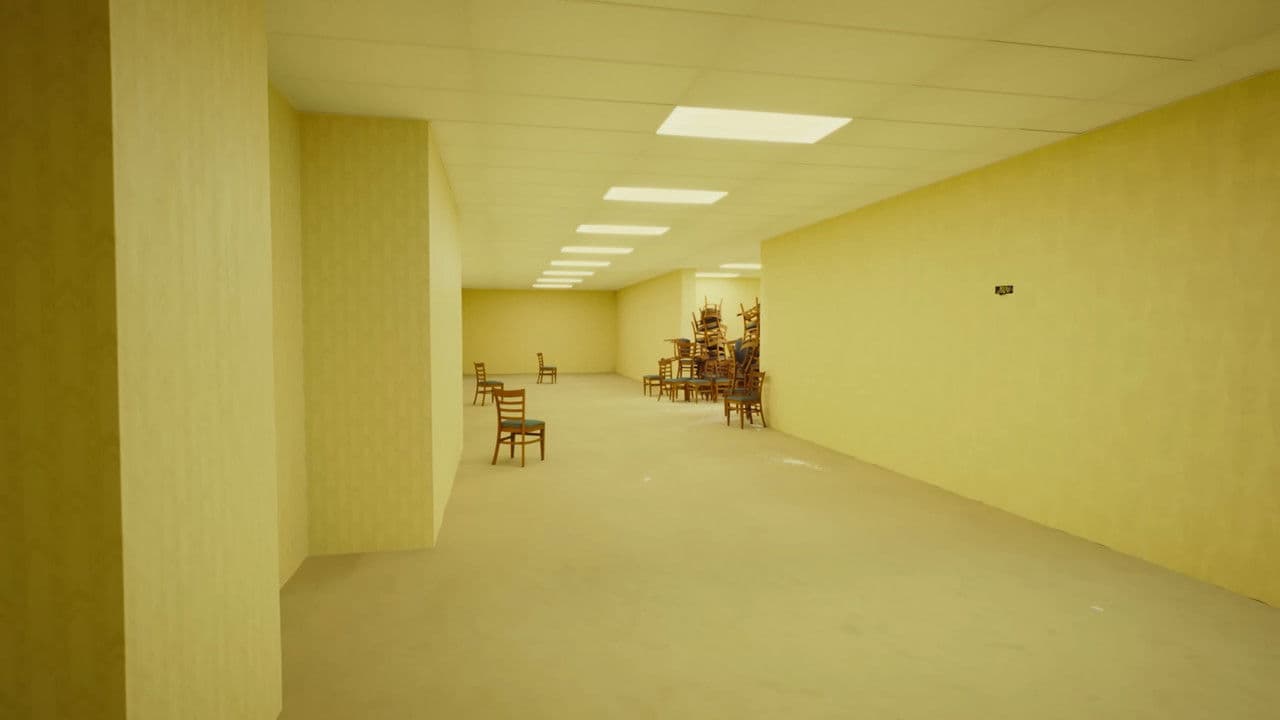
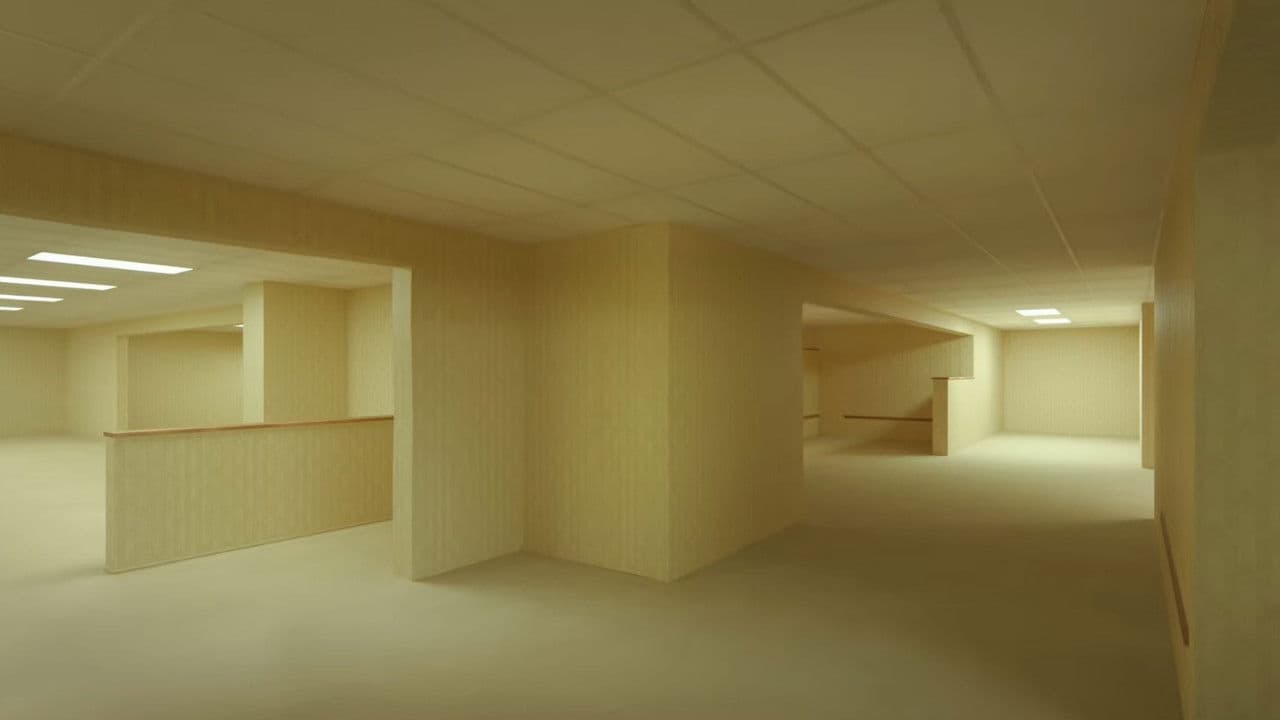
Parsons' original Backrooms short was a masterclass in negative space. Shot on a shoestring with a handheld camera and a yellow-wallpapered setting that felt both familiar and fundamentally wrong, it clocked in around nine minutes and terrified a generation raised on creepypasta. The appeal was not gore or jump scares. It was the suggestion that reality has a seam, and that something on the other side has been waiting.
That premise made Parsons an obvious candidate to direct a feature adaptation. It also made him an obvious target for a studio system that tends to treat viral IP as a battering ram. The question hanging over the film since production was announced has been simple: would Parsons get to make the movie he wanted, or would he get to make the movie a committee wanted?
"How Did Hollywood Mess This Up?"
Parsons' comment about the trailer - that it "activated a desire to see" - carries a double edge. On one reading, it is the honest enthusiasm of a filmmaker who has been living inside a project for so long that he needs the marketing materials to remind him why he started. On another, it is the sound of a director who has just watched someone else cut his movie into a two-minute sales pitch and is trying to figure out what got left on the floor.
He has been more pointed elsewhere. In discussing the gap between his original vision and the finished product, Parsons has framed the experience around a question that doubles as an accusation: How did Hollywood mess this up? He has not named executives or detailed specific conflicts, and he has not disowned the film. But the phrasing suggests a director who believes the system got in the way of something that should have been simpler.
That tension is not unusual for first-time feature directors coming out of the internet. The pipeline from online short to studio release is littered with filmmakers who discovered that a green light comes with a dozen new authors. Parsons, at least, has the advantage of a cast that lends the project real prestige. Ejiofor and Reinsve in particular are not the sort of performers who sign onto a horror film without seeing something on the page. Duplass brings an indie credibility that sits oddly and intriguingly next to the studio machinery.
The Doorway Is Still the Point
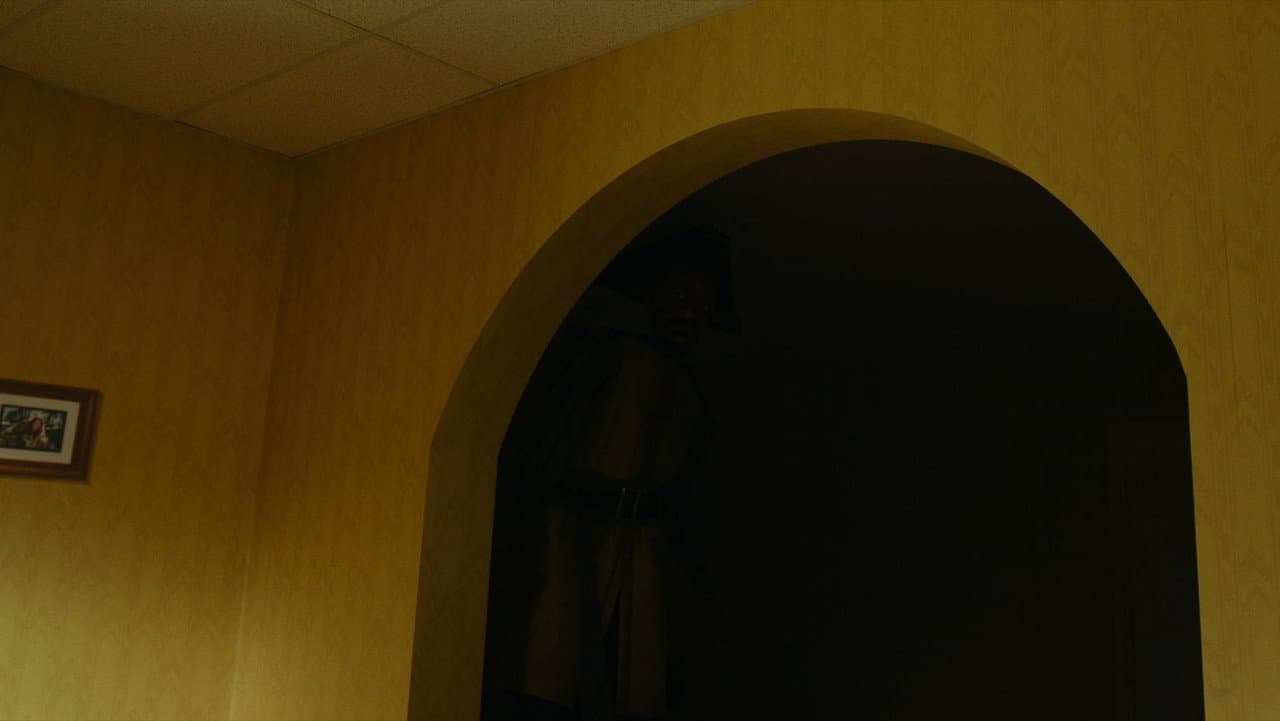
Whatever happened in the edit, the core image of The Backrooms remains intact. A doorway in a furniture showroom basement is a wonderfully mundane portal - not a magical wardrobe or a scientific anomaly, but the kind of door you walk past every day without registering. Parsons' instinct has always been that the scariest things are the ones that were already there.
That instinct is why the trailer works on him even now, even after everything. A director watching his own footage should feel something. The fact that Parsons felt desire - to see it, to share it, to have it land the way he imagined - is either a good sign or the cruelest kind of irony.
The Backrooms is in theaters now.
Source: Hollywood Reporter