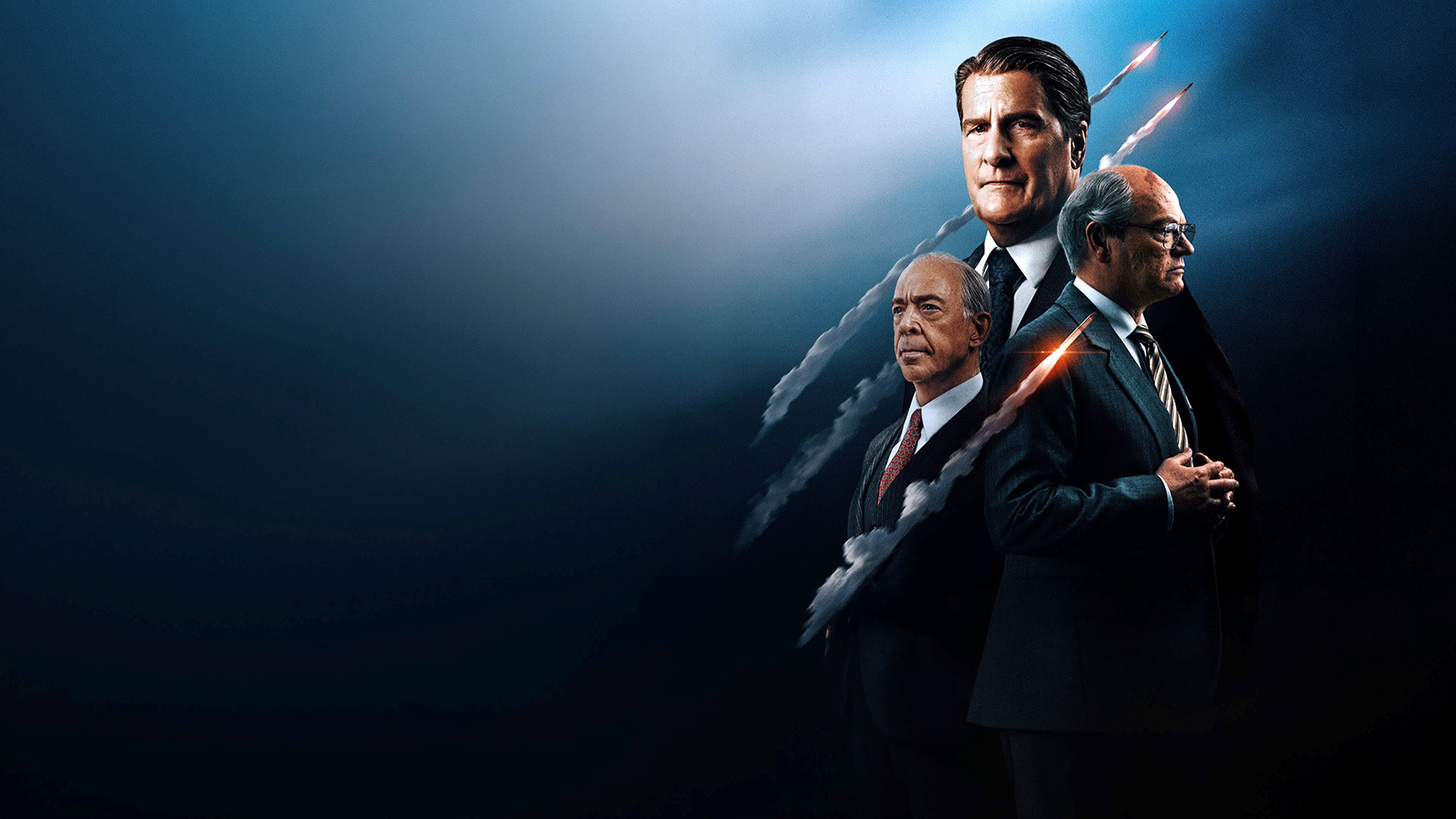
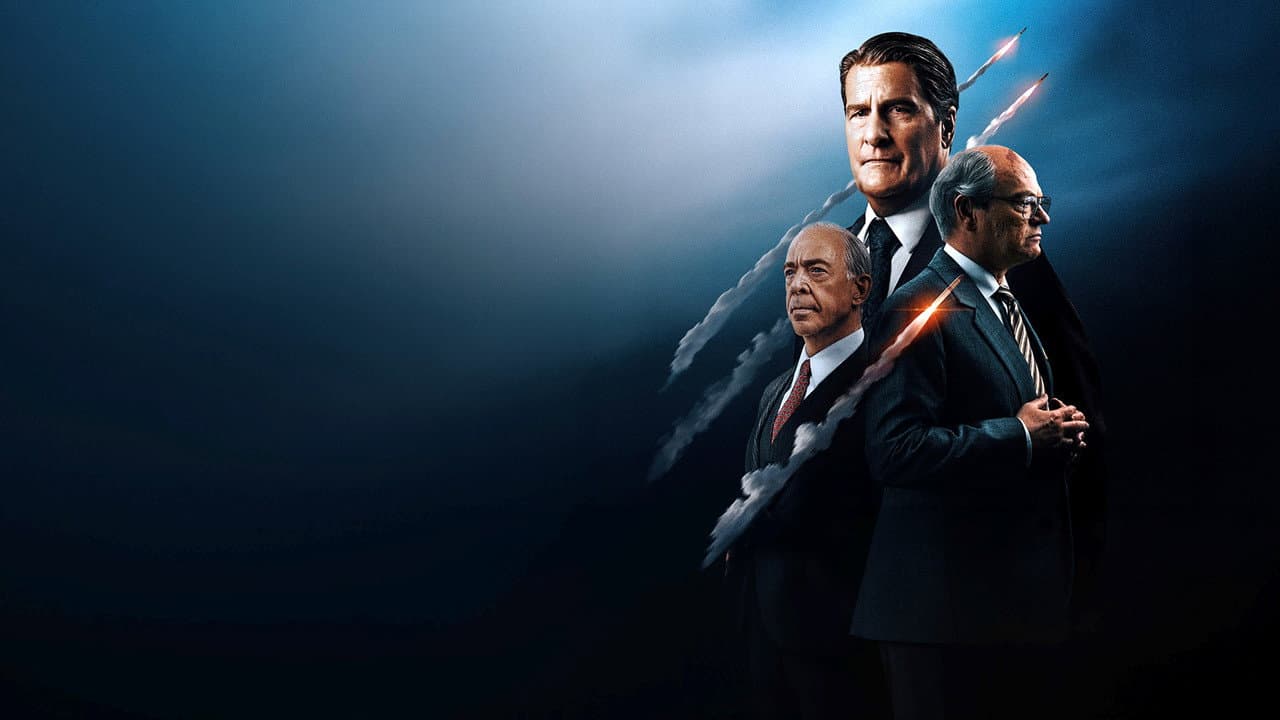
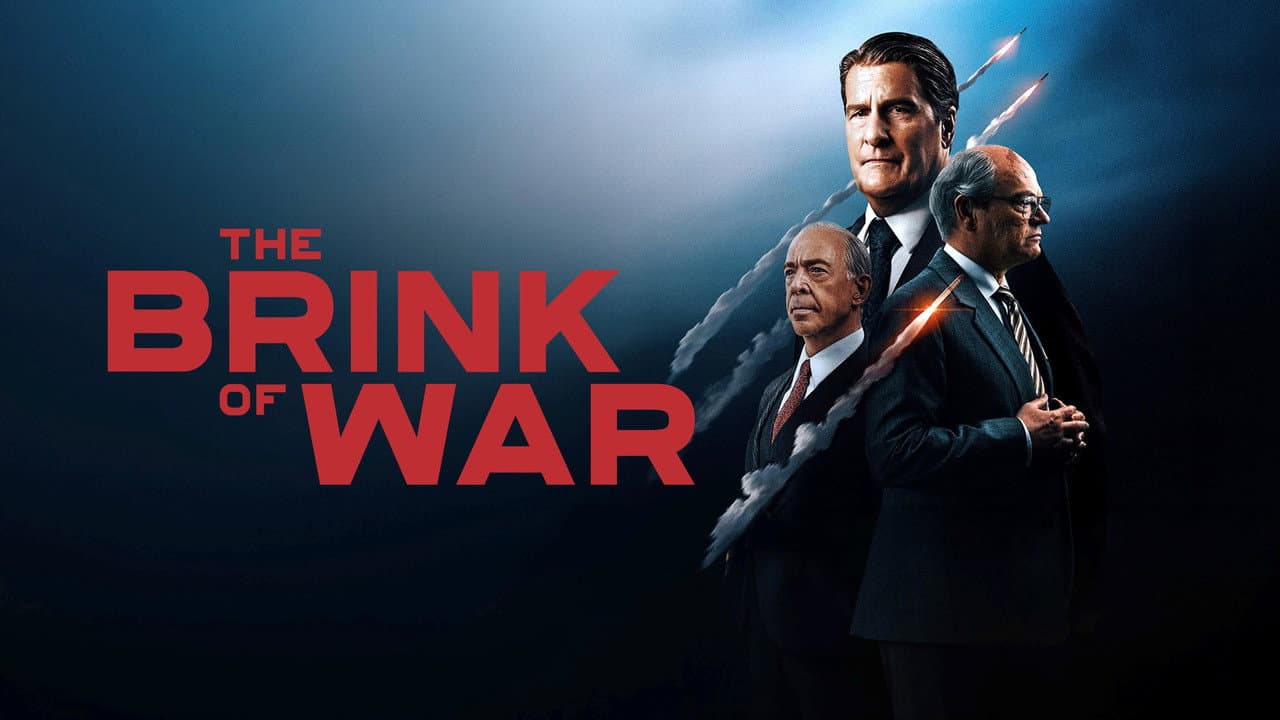
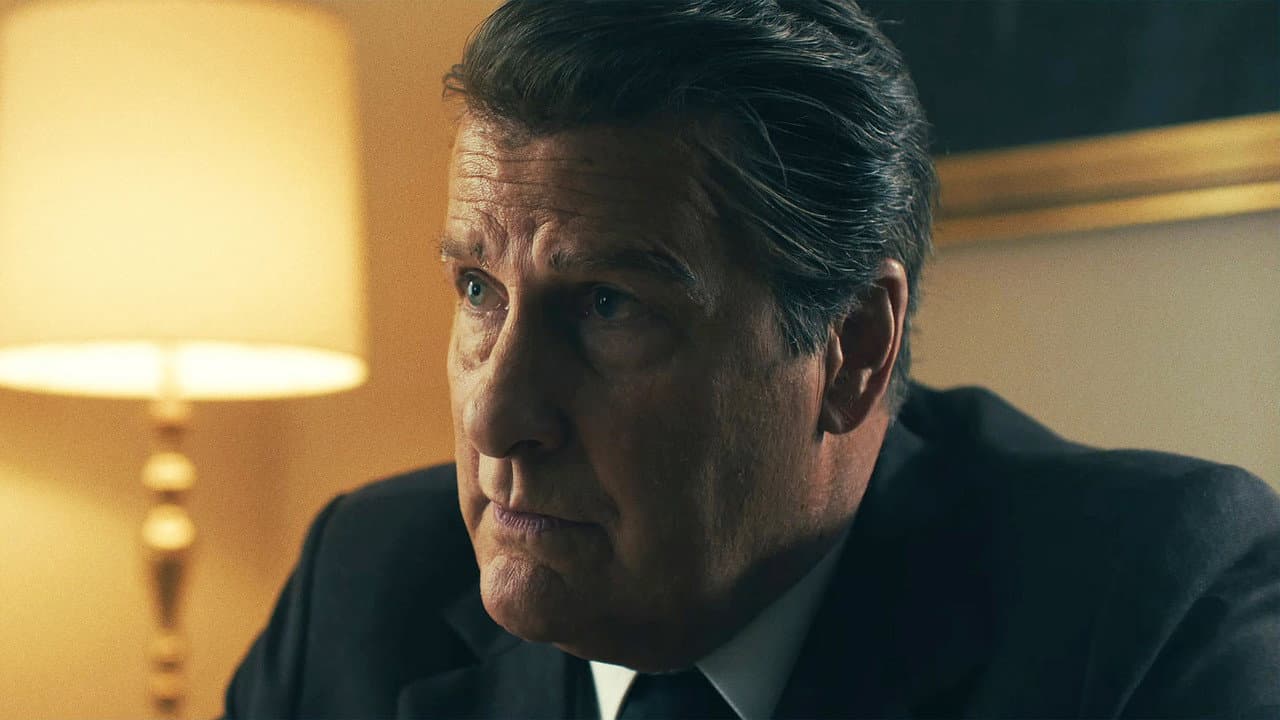
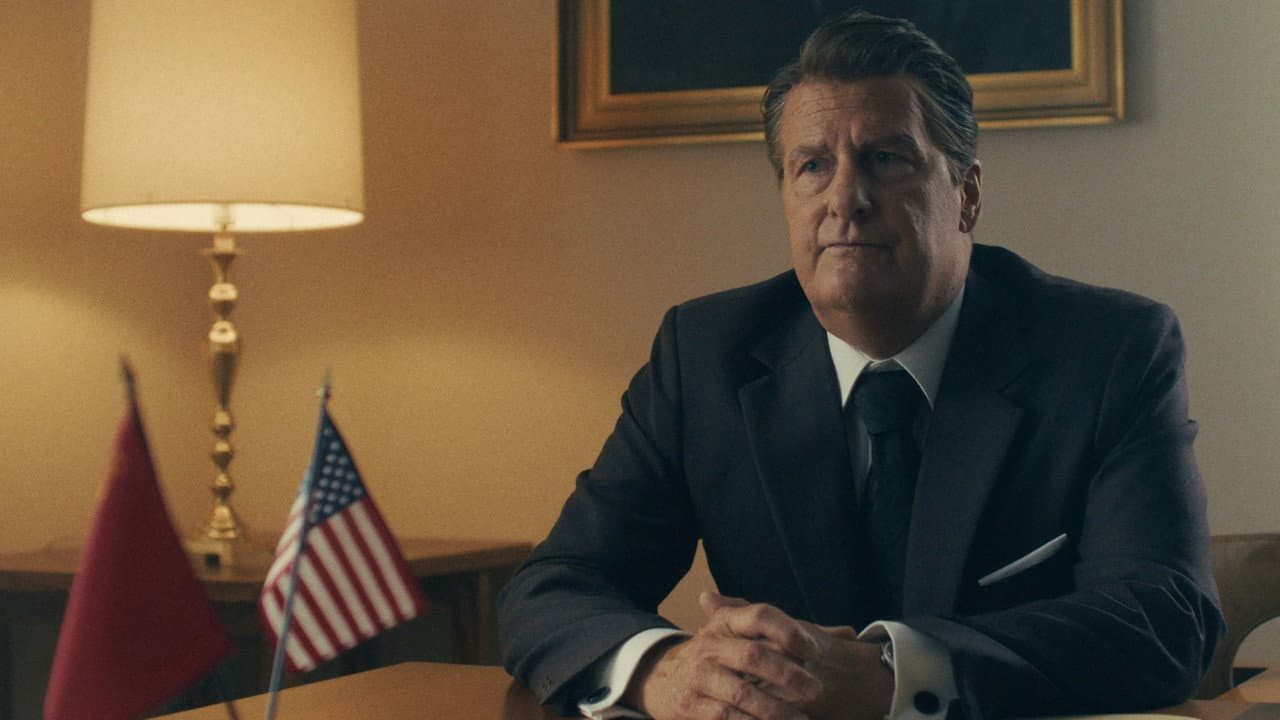
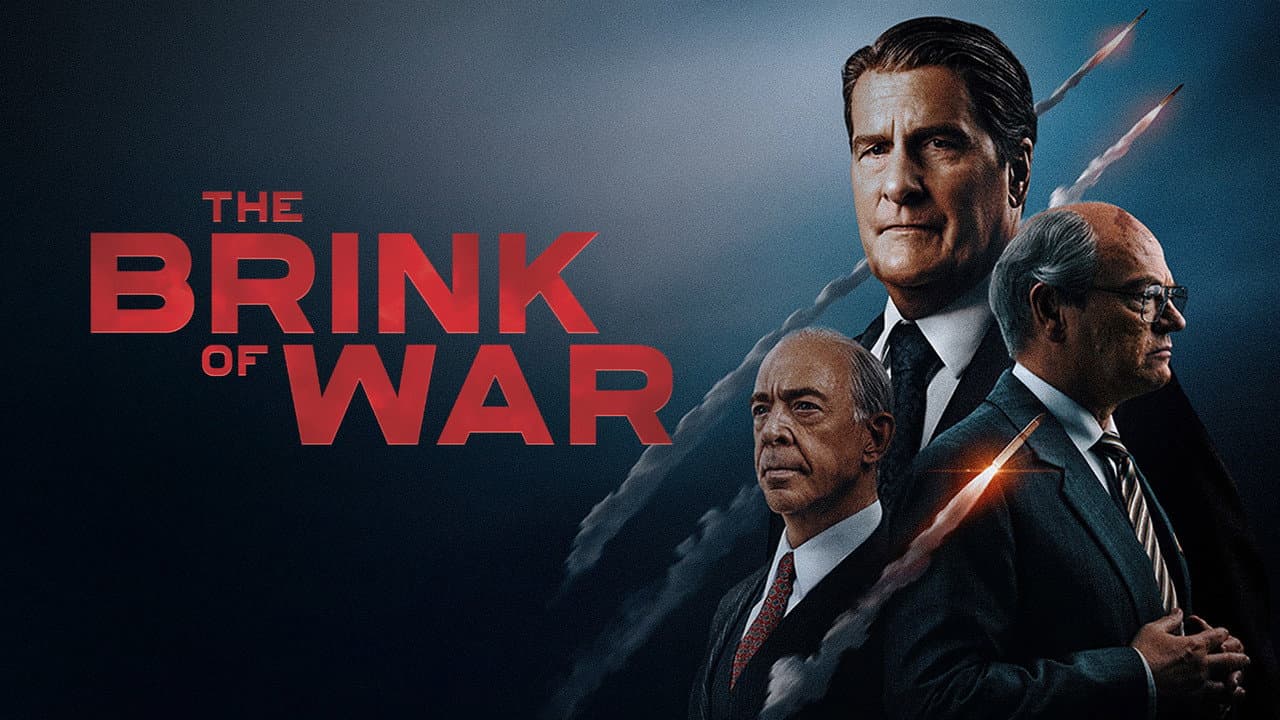
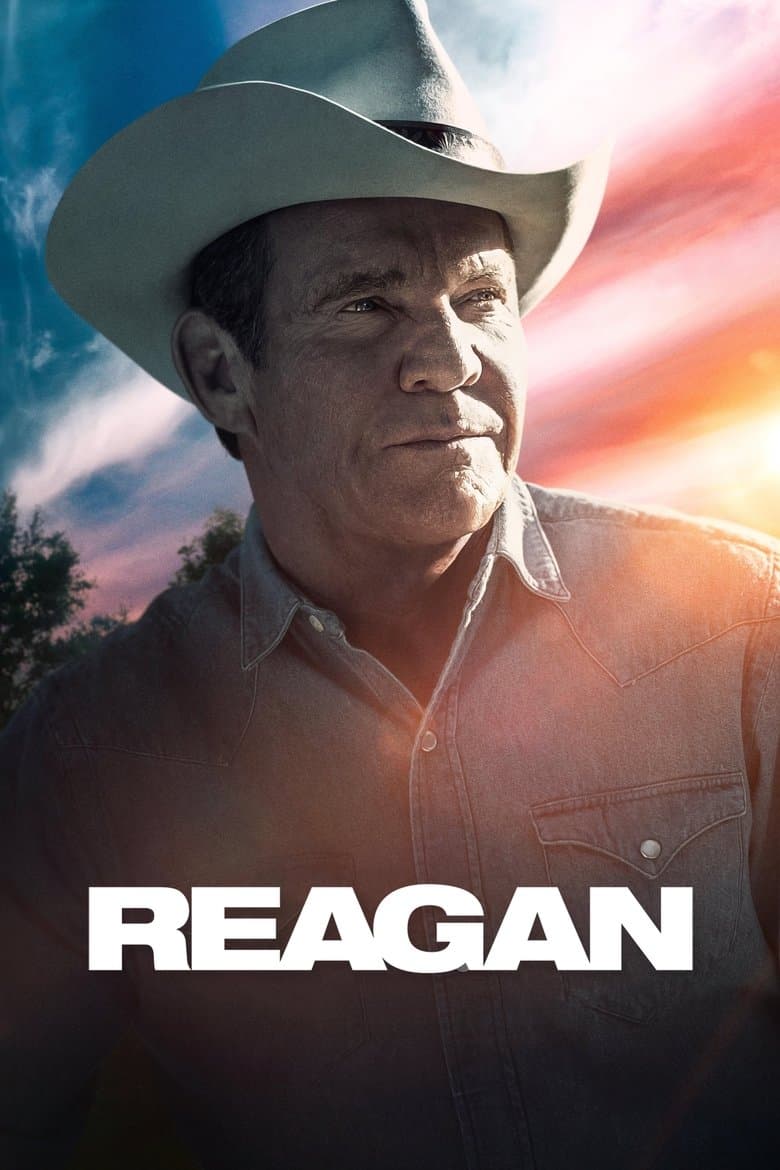
Let’s start with the engine of this machine: Jeff Daniels. Actors have played Reagan before, but Daniels doesn’t do an impersonation. He captures the man’s sunny vagueness - the head tilts, the folksy non-sequiturs - then slowly reveals the steel underneath. His Reagan is not a simpleton but a man who genuinely believes in a world without nuclear weapons, and that belief terrifies his own cabinet. Watch the scene where he dryly tells a general that “a missile doesn’t have a hometown,” and you’ll see a performance that deserves awards chatter.
Across the table, Jared Harris is mesmerizingly opaque as Gorbachev. He matches Daniels beat for beat, offering a leader who is both reformer and product of the system he’s trying to change. Harris’s Russian is flawless (don’t worry, subtitles are provided), but his physicality does more work - the weary sighs, the flash of temper when a translator fudges a phrase, the almost sad smile when he realizes Reagan might actually be sincere. Their scenes together crackle with a strange, tragic intimacy. When they argue over the word “eliminate” versus “reduce,” it’s as tense as any car chase in a lesser film.
Director Michael Russell Gunn (known for stage-to-screen adaptations) keeps the camera fluid but unobtrusive, favoring two-shots and medium close-ups. He knows the drama is in the room. The lighting is appropriately gloomy - Washington in autumn, Reykjavik in perpetual twilight - and the production design is impeccable, from Reagan’s suit to the chunky phones on the aides’ desks. But Gunn stumbles when he cuts away from the main duet. The subplot involving Aya Cash’s Cleo discovering a hidden missile displacement is both implausible and over-wrought; she essentially runs around screaming that the sky is falling while everyone else talks. Cash is a fine actress, but her character feels like a screenwriting device to inject action into a movie that doesn’t need it.
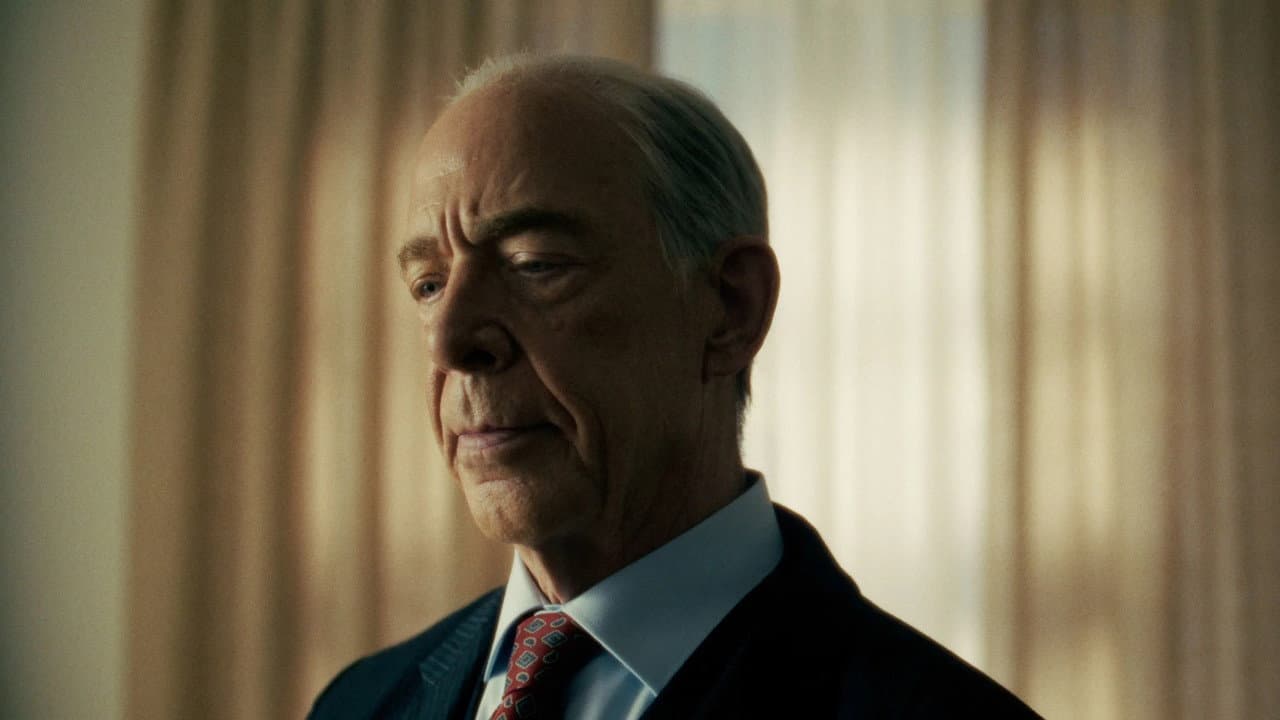
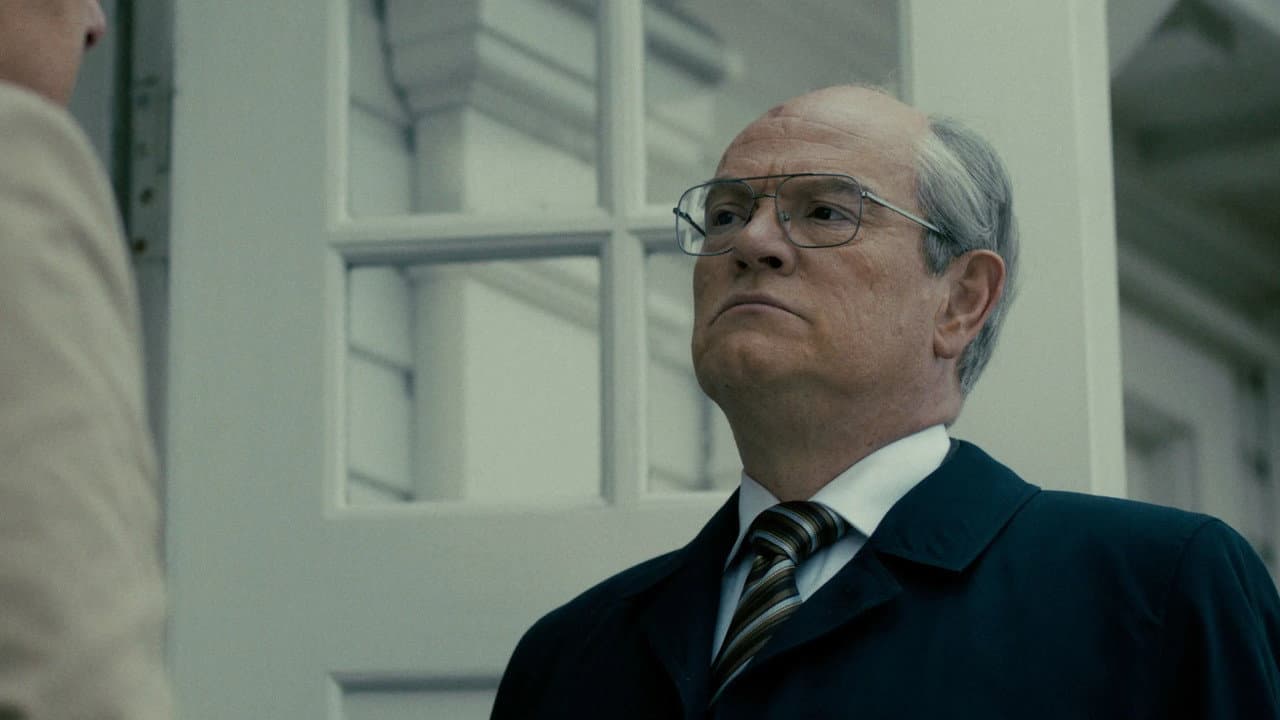
Similarly, Guy Burnet’s Alexander speaks in agonized monologues about his family back in Moscow, which are redundant - we already get the human cost from Gorbachev’s own weariness. And J.K. Simmons, reliable as ever, is given a thankless role as George Shultz, reduced to muttering warnings and adjusting his glasses. He’s a prop, not a player. The film is at its best when it trusts the audience to find the drama in policy nuance: a debate over verifiable inspection protocols becomes as exciting as a bank heist.
The script also commits a cardinal sin toward the end - it introduces a fictional contingency where a Soviet radar operator almost launches a missile, a “Red October”-style false alarm that feels lifted from a more conventional thriller. Gunn tries to tie it back to Reagan’s “trust but verify” doctrine, but the sequence shatters the movie’s delicate realism. We didn’t need a false alarm; we had enough tension in whether Reagan would say the word “abolish” without Gorbachev misinterpreting it.