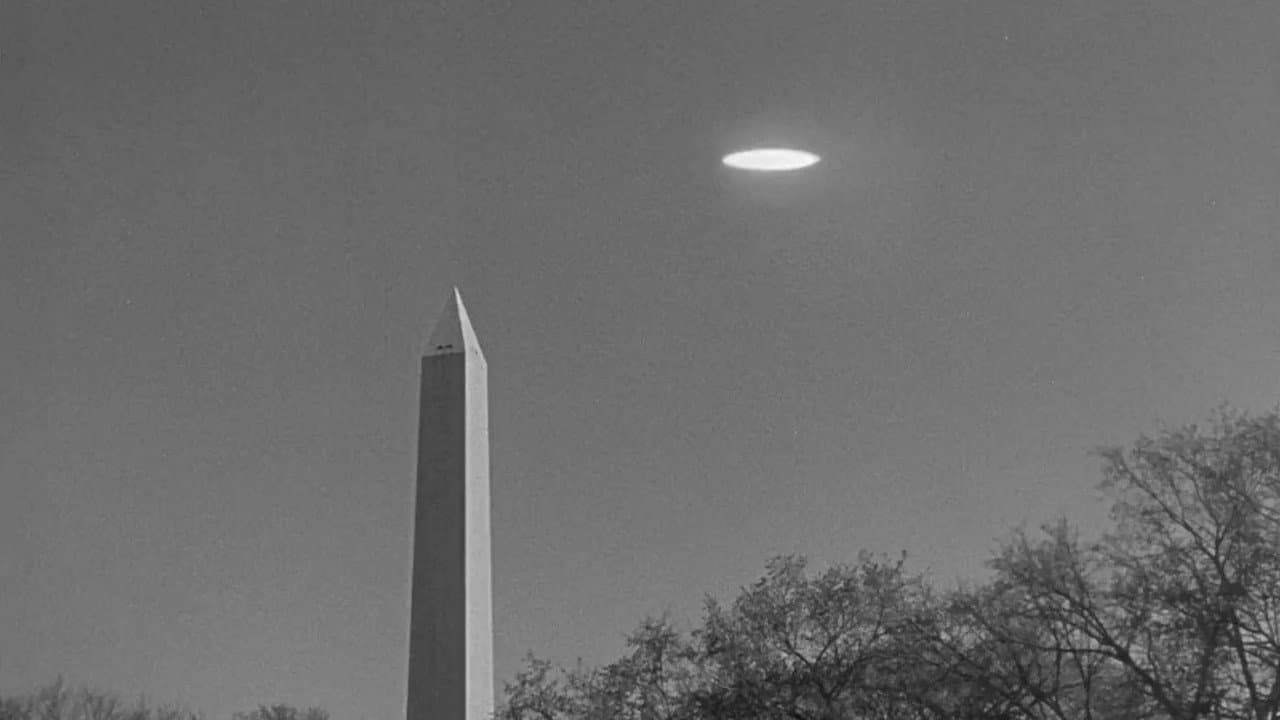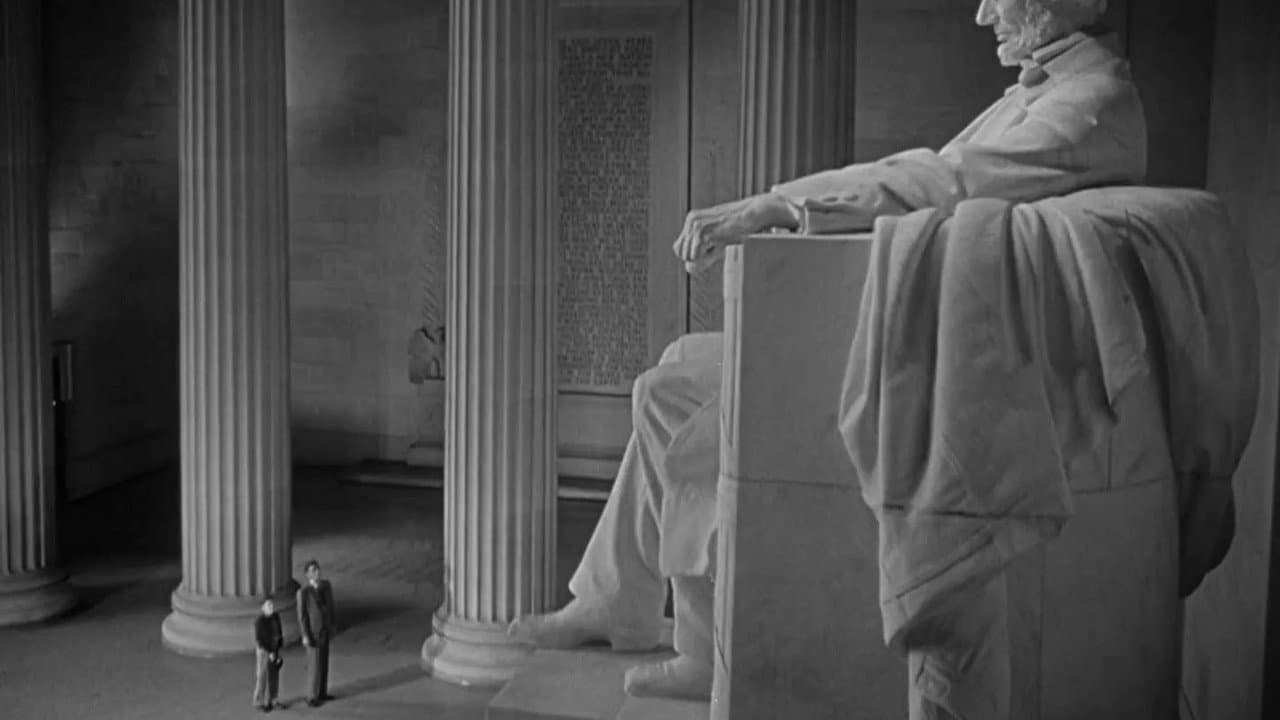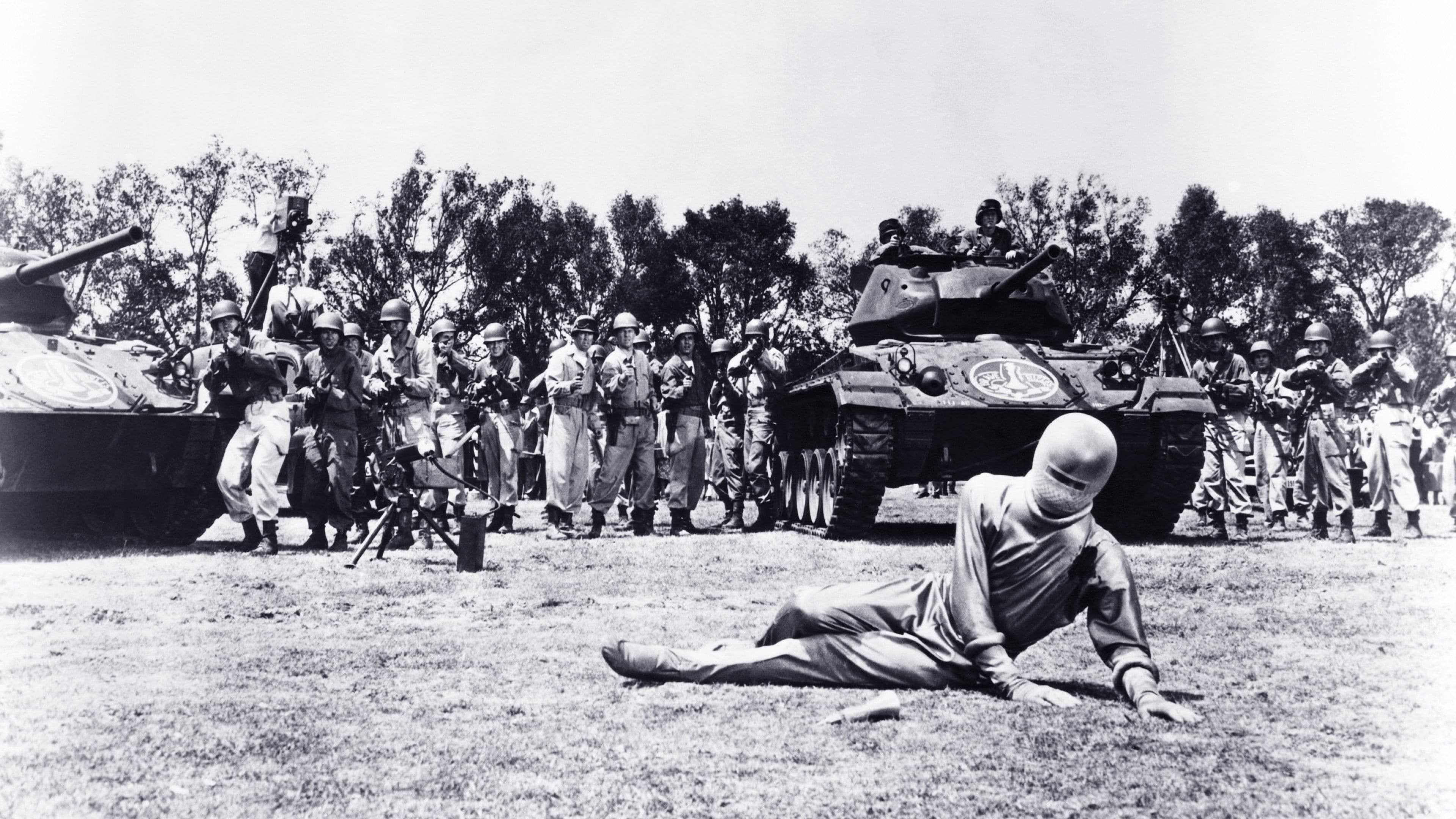
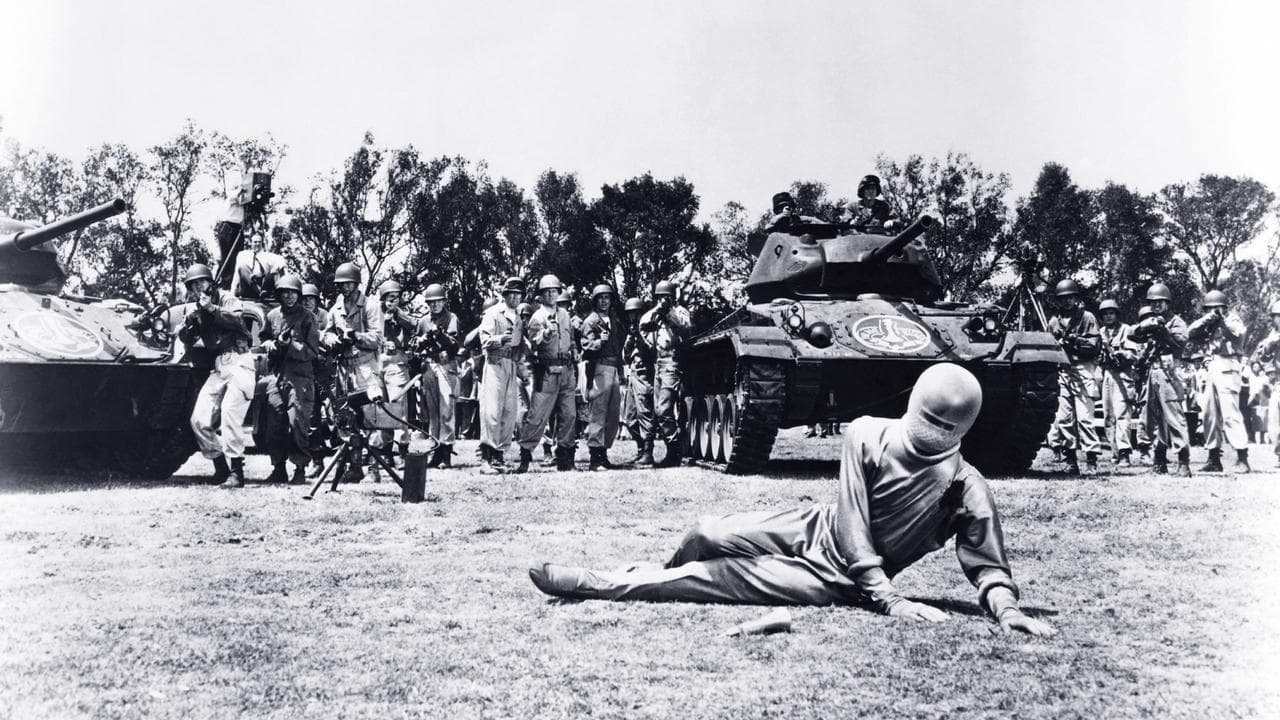
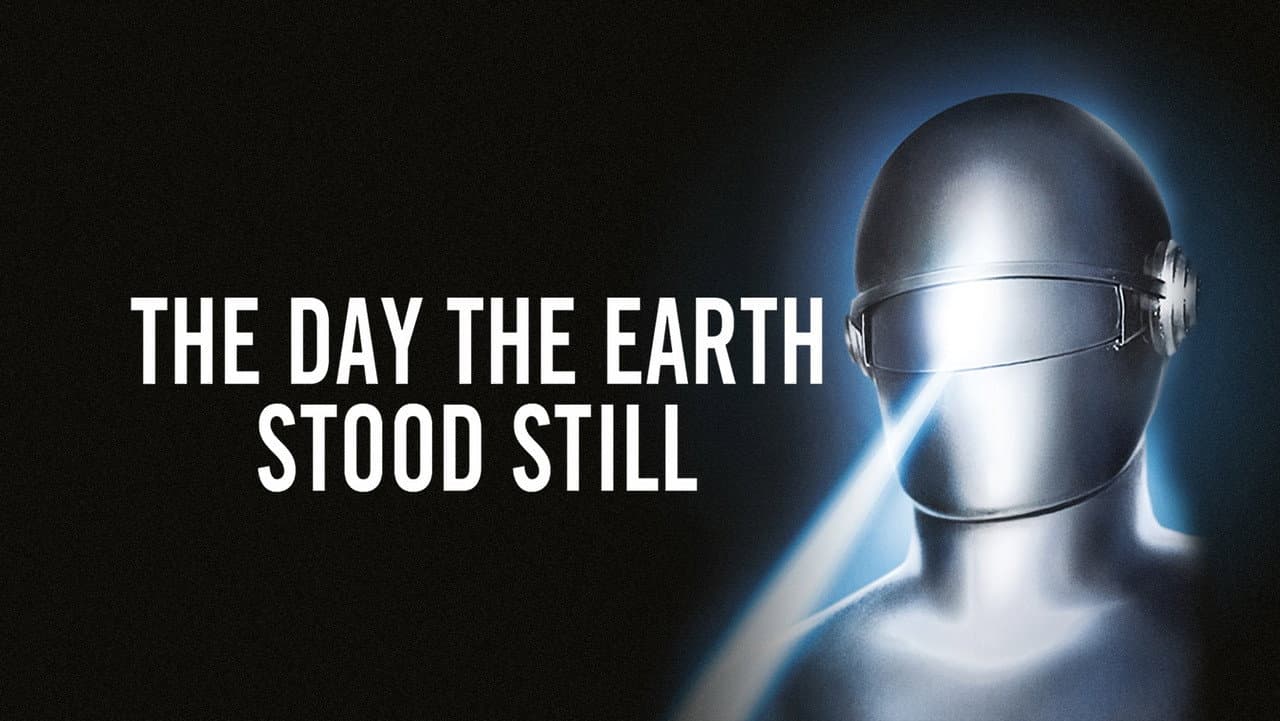
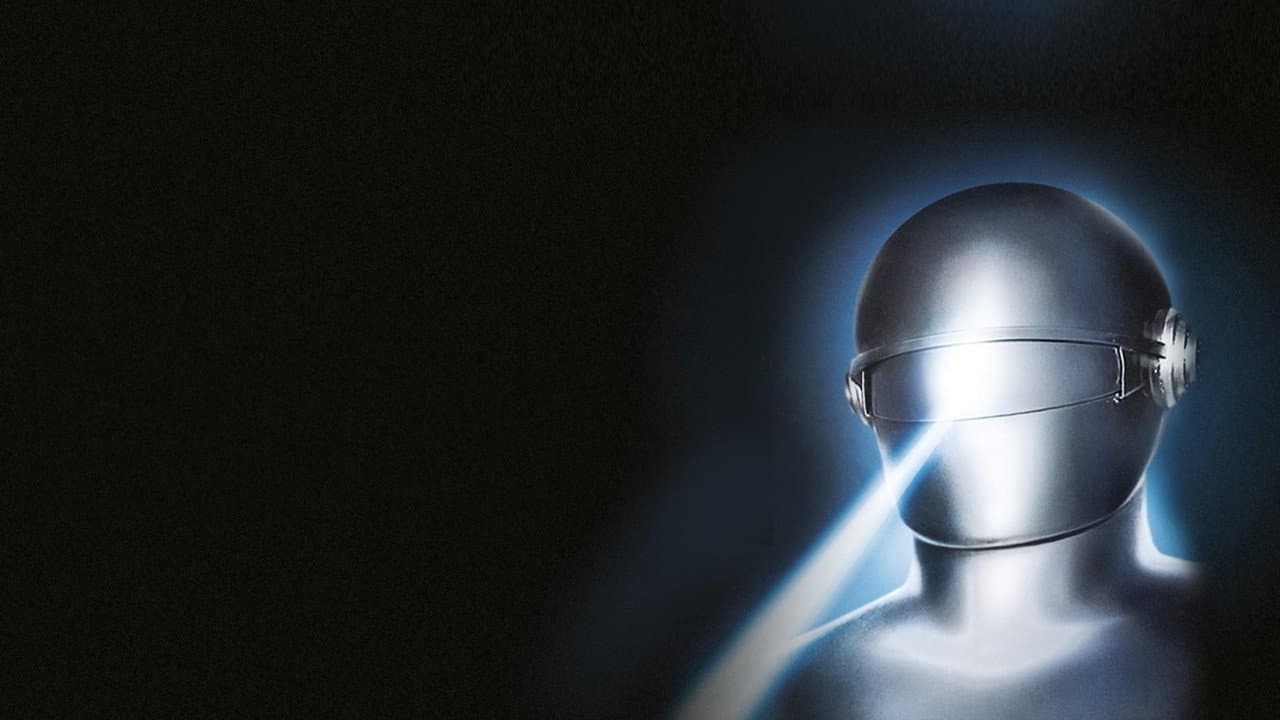
Seventy-five years after a silver saucer first settled onto a Washington, D.C., baseball diamond, The Day the Earth Stood Still remains one of Hollywood's most enduring arguments for restraint. The Robert Wise-directed science fiction drama opened in theaters on September 18, 1951, and ran just 92 minutes - a lean frame for a film that carried the weight of a postwar world still learning to live with the bomb. In its original review, The Hollywood Reporter recognized something rare in the era's genre output: a picture that used the promise of invasion not to thrill audiences with destruction, but to warn them against it.
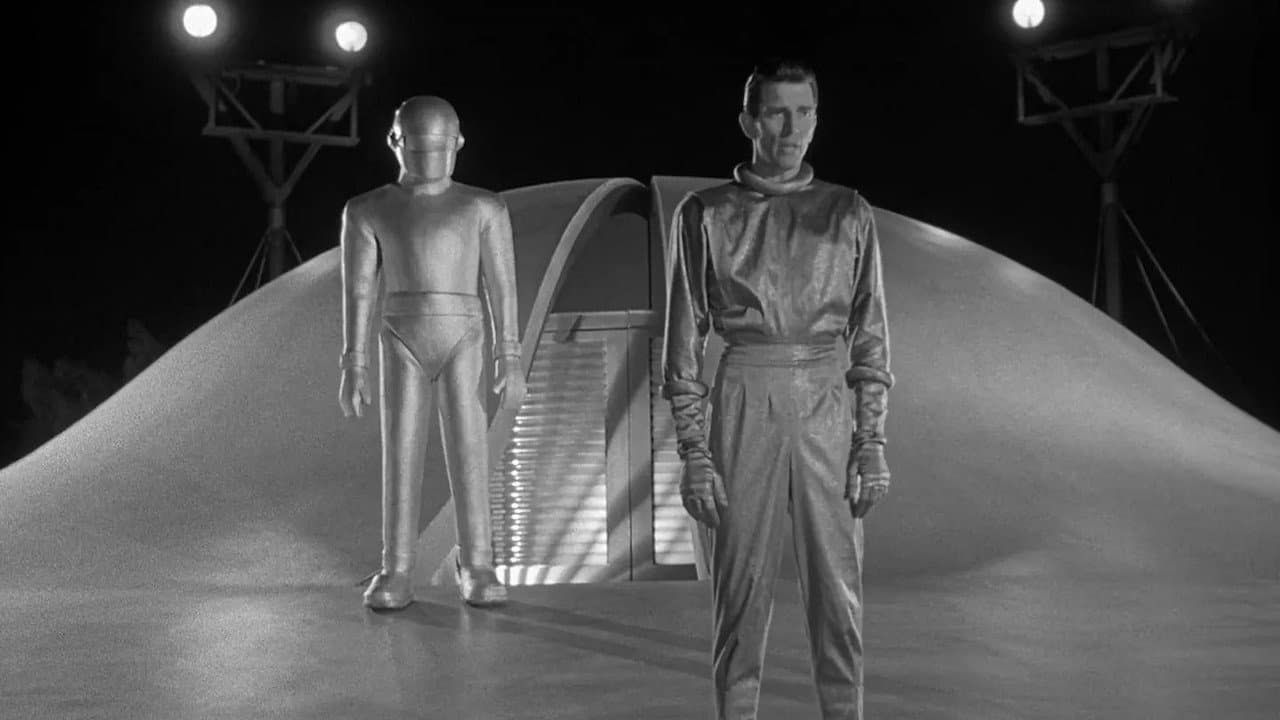
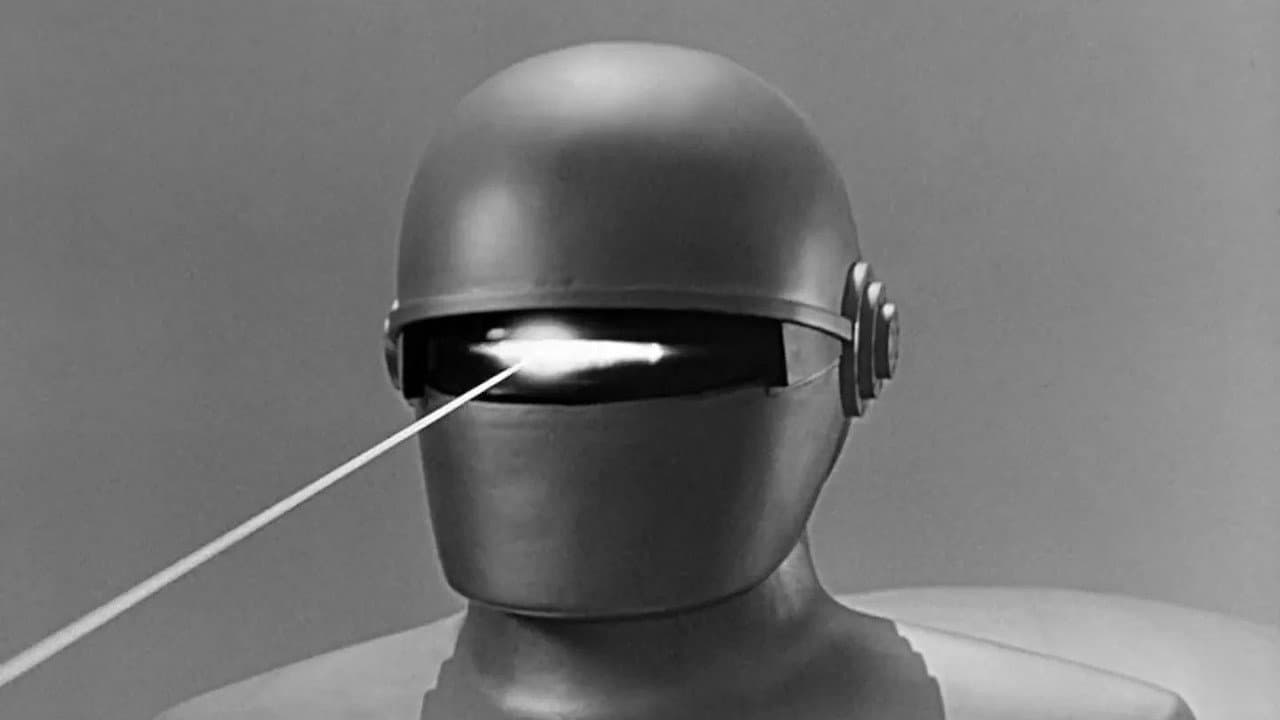
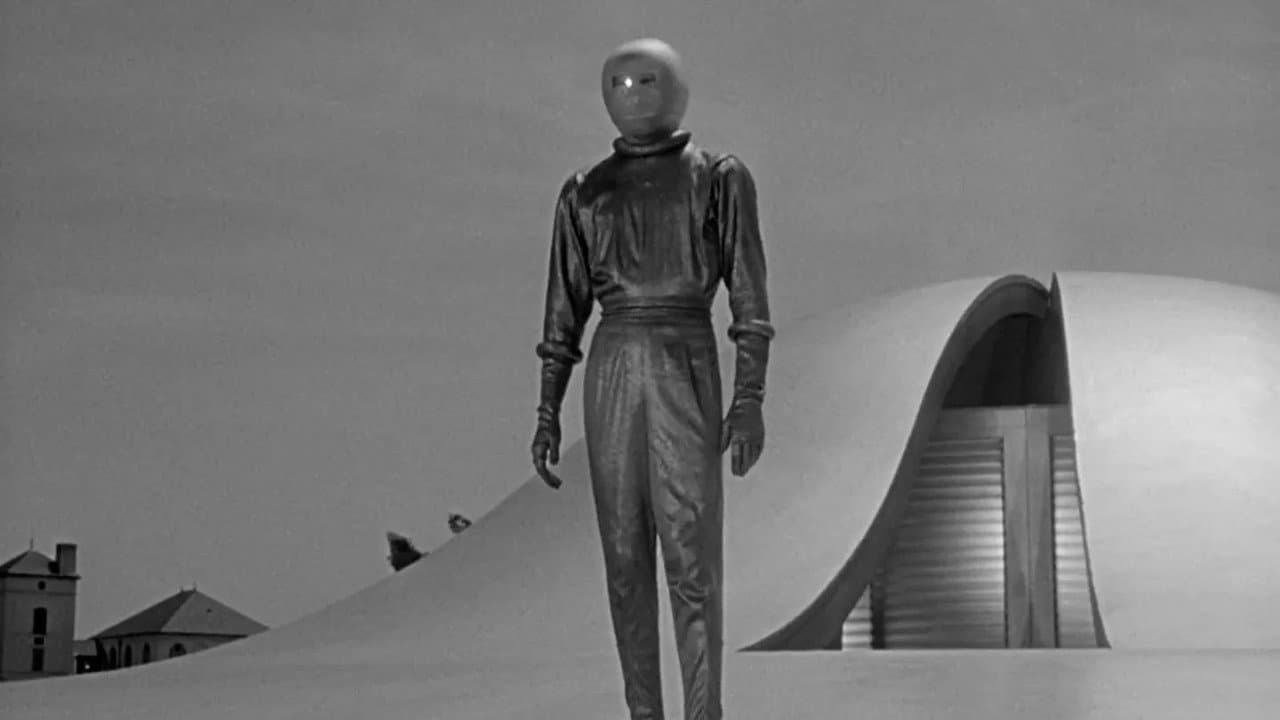
The premise is simple by design. An alien named Klaatu, accompanied by a towering robot called Gort, lands on Earth and delivers a message to humanity: abandon your violent ways or face annihilation. Michael Rennie plays Klaatu, who adopts the alias "Mr. Carpenter" while moving among ordinary people, and Patricia Neal plays Helen Benson, the widow who becomes his closest human ally. Billy Gray appears as her son, Bobby, while Sam Jaffe plays the scientist Prof. Jacob Barnhardt, the one figure of authority willing to take the visitor seriously. Hugh Marlowe rounds out the principal cast as Tom Stevens, Lock Martin embodies Gort, and Freeman Lusk and Edith Evanson appear as General Cutler and Mrs. Crockett.
A Director Who Understood Economy
Wise was not yet the man who would later steer West Side Story and The Sound of Music to Academy Awards, but the craftsmanship on display here already pointed forward. Working from a screenplay adapted from Harry Bates's short story "Farewell to the Master," Wise kept the film's spectacle restrained and its pacing tight. The result is a movie that generates tension through conversation, implication and a handful of indelible images rather than through the elaborate effects work that defined so much 1950s science fiction.
That discipline has aged remarkably well. TMDb users currently rate the film 7.5 out of 10, a figure that places it among the most respected genre titles of its decade. Its influence can be traced through decades of subsequent science fiction, particularly in the trope of the benevolent or ambiguous visitor whose warning doubles as a mirror held up to humanity's own worst instincts.
Why the Message Still Lands
What distinguishes The Day the Earth Stood Still from its contemporaries is the decision to treat the alien arrival as a diplomatic crisis rather than a battle. Klaatu does not conquer; he observes, negotiates and eventually demonstrates a fraction of his power by briefly halting machinery across the planet - a display meant to stun rather than to kill. The film's title refers to that pause, and so does its moral center. The threat of destruction belongs not to the visitor but to the species being visited.
The movie also fits comfortably within multiple genre traditions. It is science fiction first, but its suspense beats place it squarely in thriller territory, and its preoccupation with faith, fear and collective responsibility gives it a dramatic spine that many creature features of the period lacked. That genre blending was unusual for 1951 and is part of why critics at the time treated it as something more than escapism.
An Ending That Refuses Comfort
Without spoiling its final act for anyone who has somehow never seen it, the film declines to offer easy reassurance. Klaatu's warning is conditional, and the humans in the room are left to decide whether they will heed it. Wise resists the temptation to end on triumph, choosing instead a note of unresolved tension that has kept audiences arguing about the film's politics for three-quarters of a century.
At 92 minutes, The Day the Earth Stood Still never overstays its welcome, and it never mistakes noise for meaning. In an era of franchise spectacle built on escalating destruction, the film's central proposition - that the most frightening thing in the universe might be a calm voice asking us to be better - reads less like a period piece than a standing reproach. It opened in 1951, but its question has not yet been answered.
Source: Hollywood Reporter