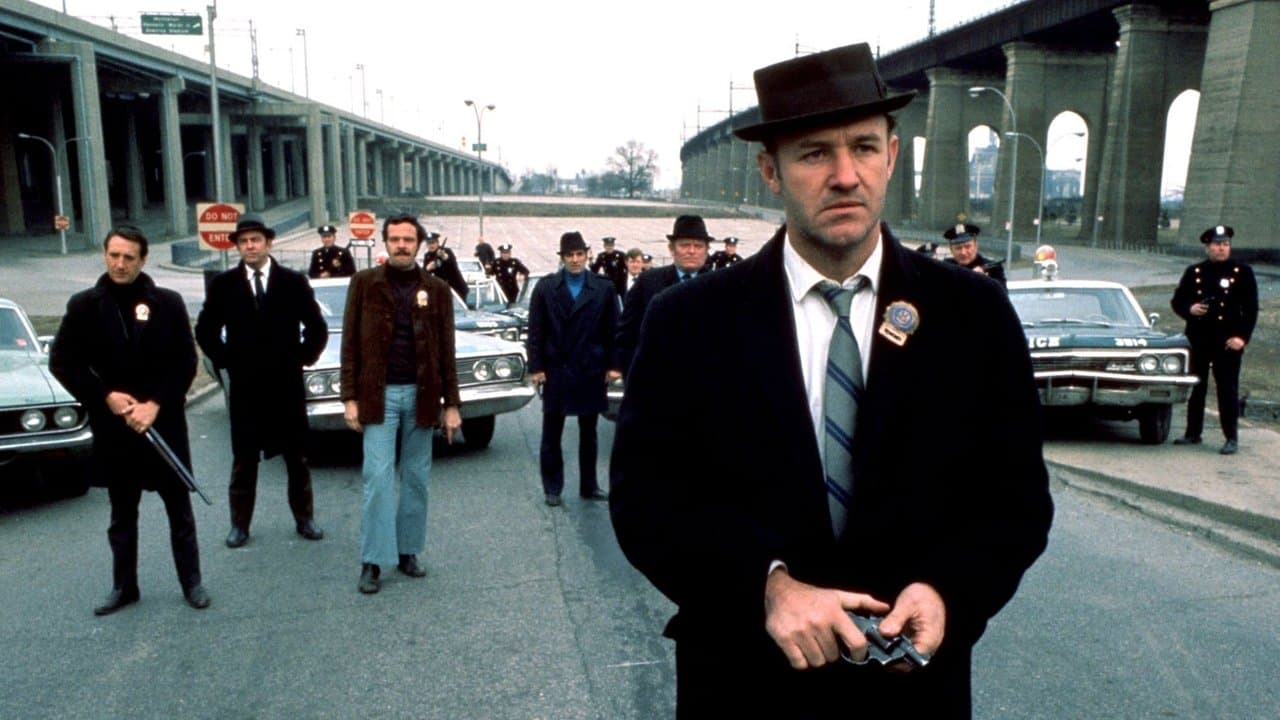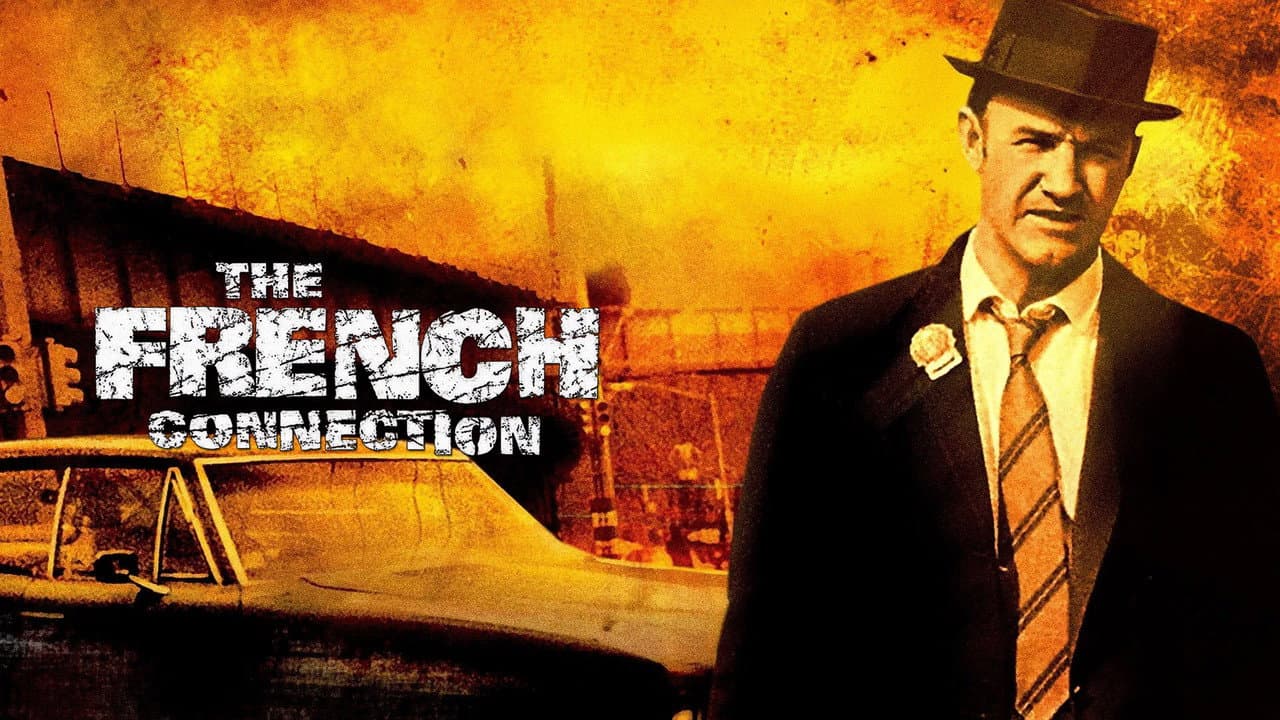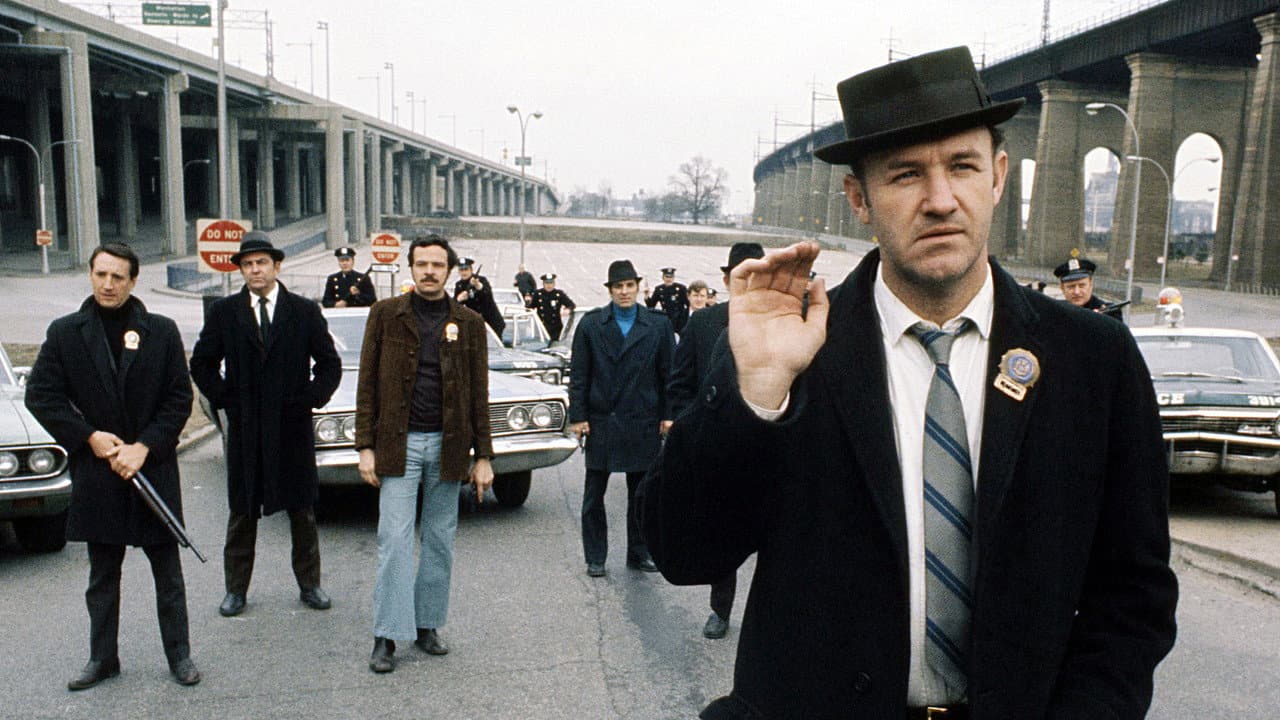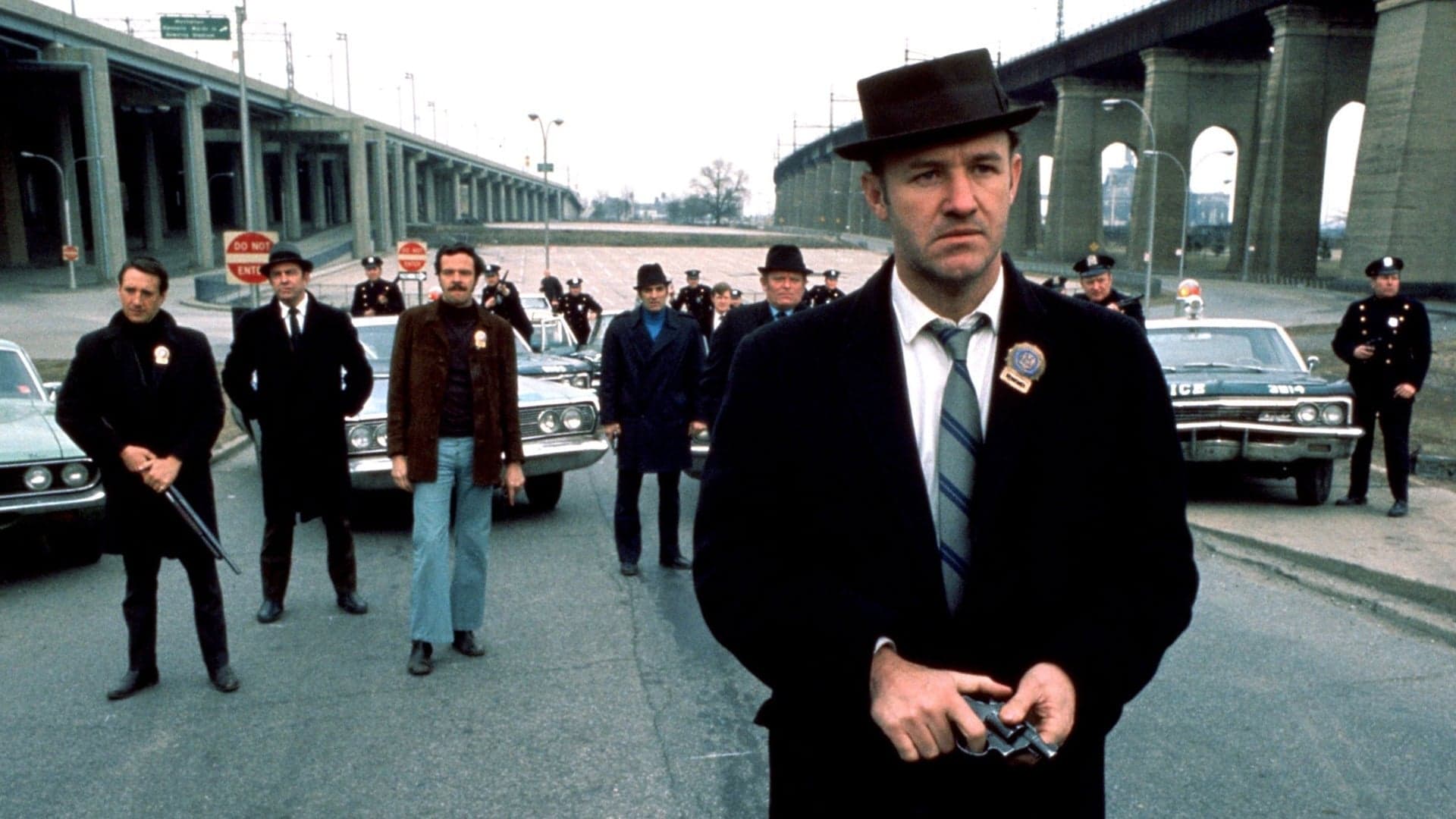
Fifty-five years ago today, on October 9, 1971, American moviegoers were introduced to a narcotics cop who broke every rule in the book and a French drug lord who glided through the world with chilling elegance. William Friedkin's "The French Connection" arrived in theaters and, in the decades since, has become the standard against which gritty urban crime thrillers are measured. The film runs 104 minutes and stars Gene Hackman as Jimmy "Popeye" Doyle, the hard-charging detective whose obsession with a suave heroin smuggler drives the story.
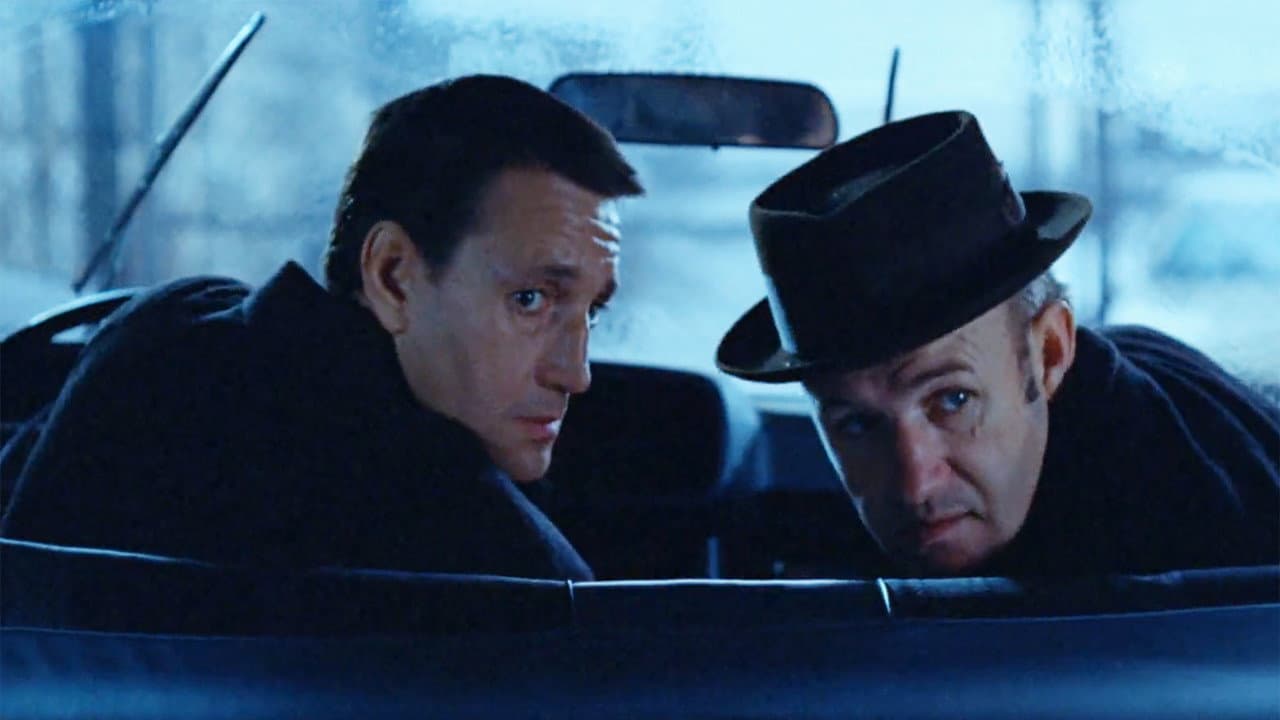
What the film delivered then - and still delivers now - is a portrait of police work stripped of glamour and moral certainty. Doyle is not a hero in any conventional sense; he is a bully with a badge, a man whose instincts are as valuable as his methods are ugly. That ambiguity, rare for a Hollywood studio picture in 1971, remains the engine that powers the movie. The supporting cast is equally sharp: Roy Scheider as Buddy Russo, Doyle's more measured partner; Fernando Rey as Alain Charnier, the cultivated French dealer at the center of the smuggling operation; Tony Lo Bianco as Sal Boca; and Marcel Bozzuffi as Pierre Nicoli, the enforcer whose cat-and-mouse encounter with Doyle produces one of the most celebrated sequences in cinema history.
A Chase That Redefined the Action Sequence
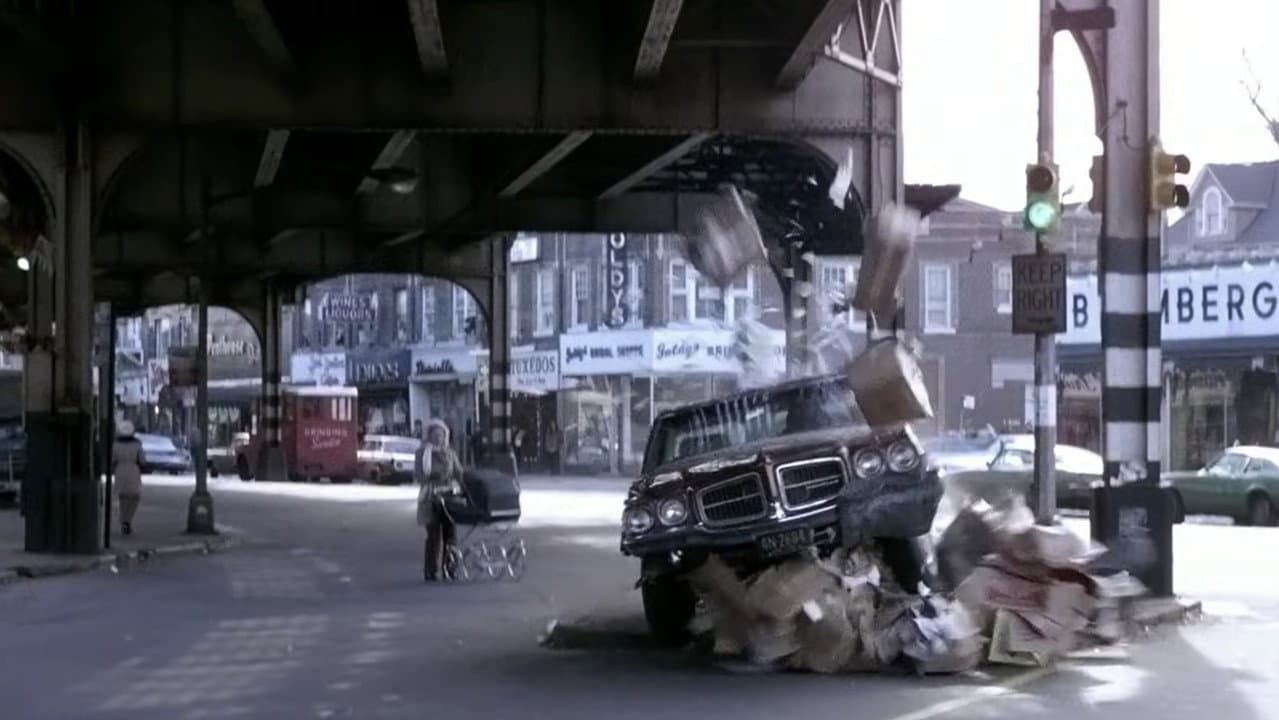
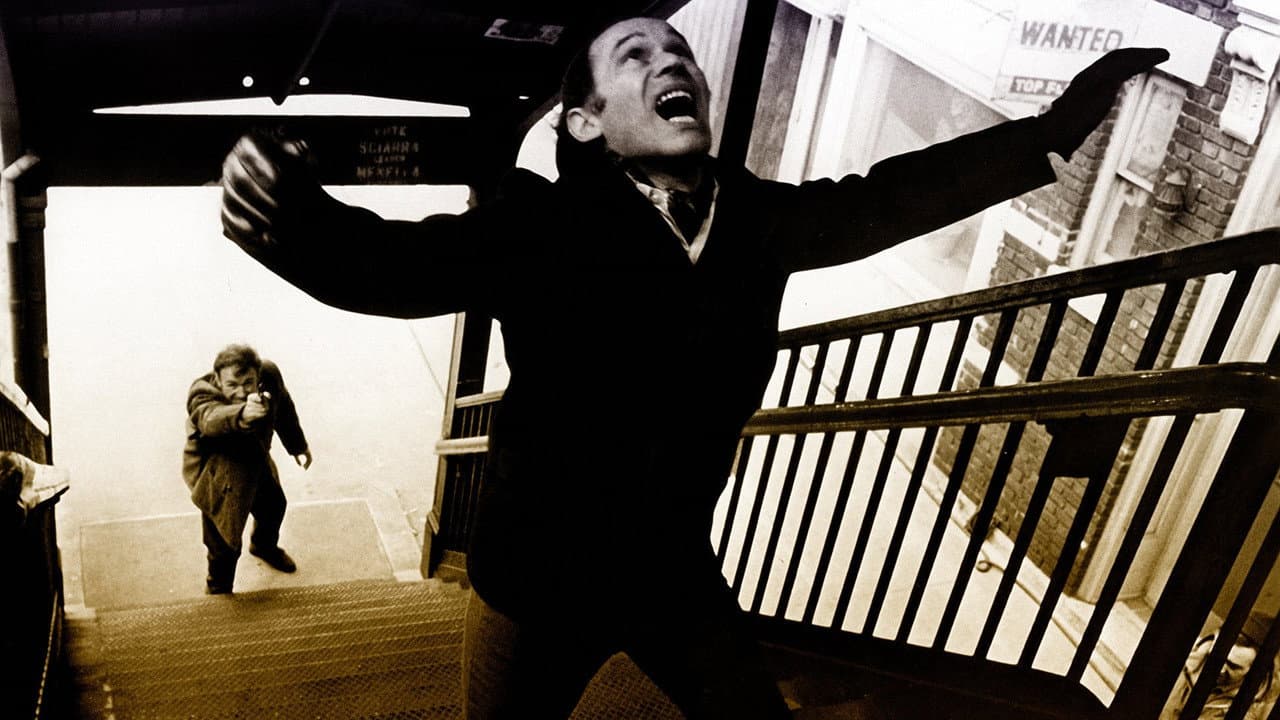
That sequence - Doyle commandeering a civilian car to pursue Nicoli, who has seized an elevated train - was shot on real New York streets without the benefit of modern digital trickery. The result is a set piece that feels dangerous because it was dangerous. Friedkin and his crew staged the chase with a raw, documentary-like urgency that has been imitated countless times but rarely matched. The sequence does not simply excite; it reveals character. Doyle's recklessness is inseparable from his effectiveness, and the audience is left to decide whether to root for him or recoil from him.
The same tension runs through the entire film. The screenplay, adapted from Robin Moore's nonfiction book about real-life narcotics detectives, treats the investigation as a grind of surveillance, frustration, and sudden violence. There are no easy answers and no tidy resolution - an ending that reportedly unsettled some viewers in 1971 and continues to provoke debate.
A Cultural Marker of 1970s Hollywood
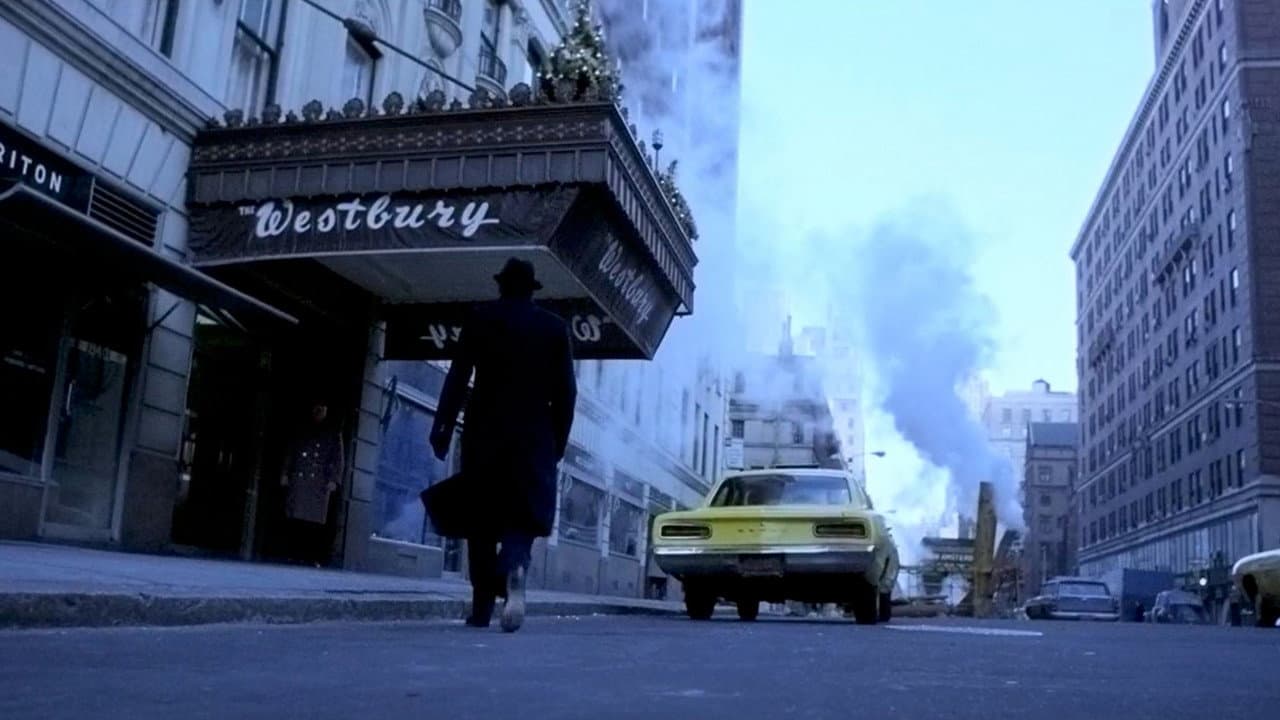
"The French Connection" landed at a moment when the American studio system was renegotiating its relationship with audiences. The previous decade had seen the rise of countercultural and New Hollywood sensibilities, and Friedkin's film fit squarely within that wave while remaining accessible as a thriller. Its box-office success - and its eventual sweep at the Academy Awards, including Best Picture, Best Director, and Best Actor for Hackman - cemented its place in the industry's memory. The film also benefited from a distinctive score and from the on-location shooting that gave New York City a palpable, unforgiving presence.
More than half a century later, the movie's TMDb rating stands at 7.49 out of 10, a figure that reflects its continued standing among both critics and general viewers. It is not a film that has faded into quaint nostalgia. Its influence can be seen in the morally compromised detectives of subsequent decades, from "Heat" to "The Wire," and in the persistent appetite for crime stories that refuse to separate the pursuit of justice from the damage it causes.
The Legacy of Popeye Doyle
Gene Hackman's performance remains the anchor. He plays Doyle not as a misunderstood crusader but as a man whose personal demons and professional instincts are hopelessly entangled. That portrayal earned him the Oscar and, more importantly, created a template for the flawed lawman that later actors would study and reinterpret. The film does not ask the audience to like Doyle. It asks them to watch him, and to recognize that the line between dedication and obsession is often invisible until someone gets hurt.
"The French Connection" was released on October 9, 1971, and its original review in The Hollywood Reporter - the trade paper whose archives remind us how the industry first received it - captured a film that seemed to arrive fully formed as a classic. Today, it remains a benchmark for action, crime, and thriller storytelling: a 104-minute descent into a world where the good guys are barely distinguishable from the bad, and where the chase never truly ends.
Source: Hollywood Reporter