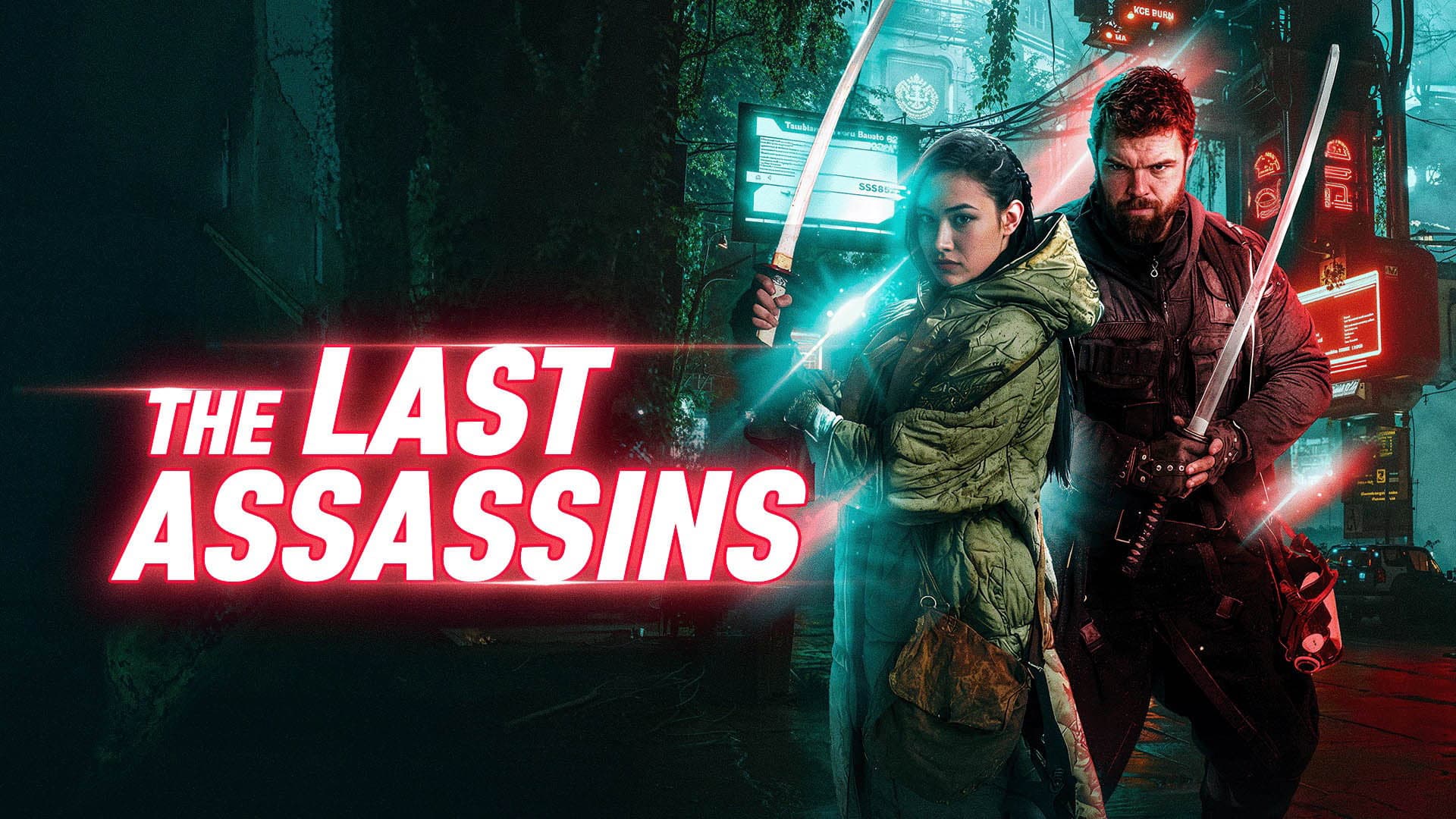
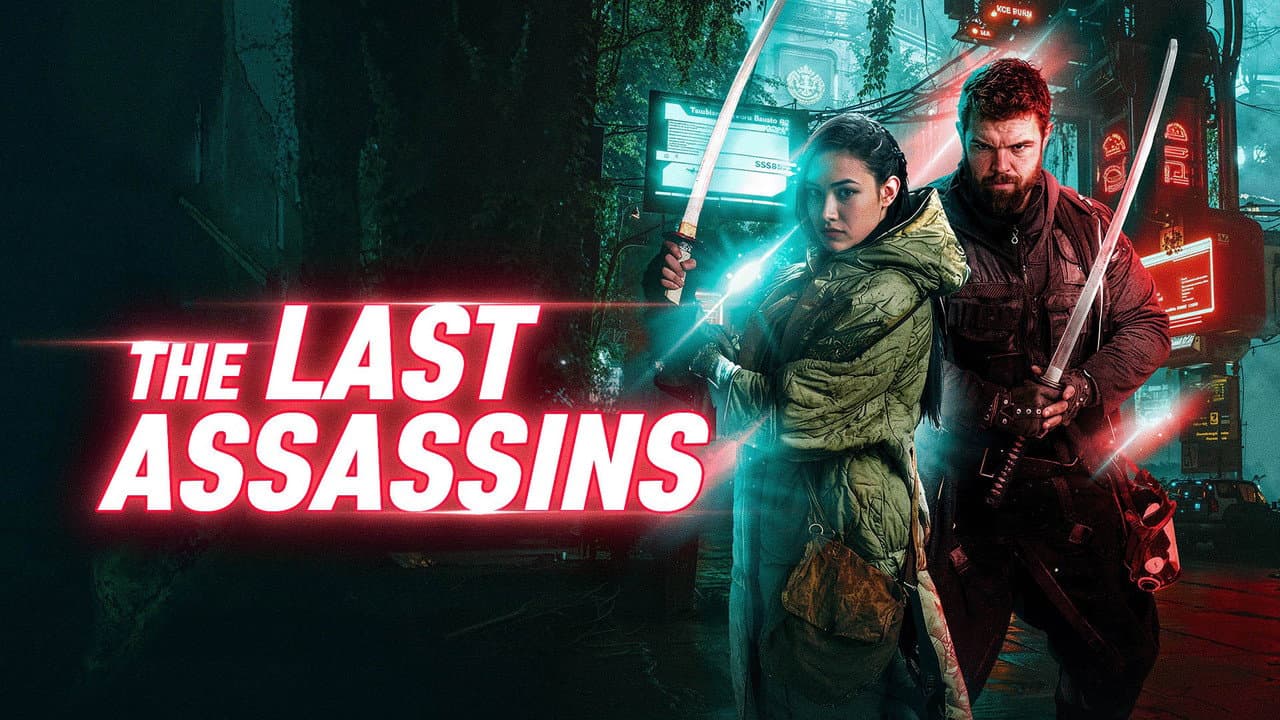
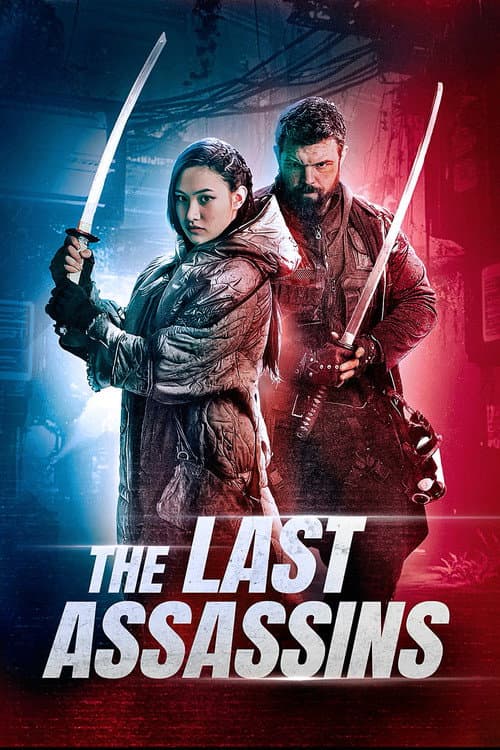
There is a moment in James Anthony Usas’s new film, The Last Assassins, where the perpetual fog finally parts just enough to reveal a crumbling brutalist laboratory. It is a striking image, one that lingers longer than the film’s scant 84-minute runtime suggests it should. But that is the curious thing about this sci-fi oddity, which drifted into theaters on August 11 and has been quietly accumulating a reputation as one of the year’s more confounding genre exercises. It is a movie that feels both rushed and strangely patient, a survivalist thriller wrapped around a philosophical riddle.
The premise is pure dystopian boilerplate, the kind of setup that has launched a thousand low-budget features. The world has been locked in a permanent winter, choked by a deadly fog that has presumably done away with most of civilization. Enter Nobel (Josh Bainbridge), a rugged loner who has sworn an oath to protect the remnants of a family to whom he owes some unspecified debt. When the family patriarch is killed, Nobel is left with the most precious remaining asset: a young girl, known only as The Kid (Athena Park), whom he must deliver to an aunt she has never met.
It is a road movie through the end of the world. The destination, however, is not a sanctuary of warmth but an abandoned laboratory, where the film’s title begins to make a kind of lateral sense. The lab is occupied not by people but by holograms, digital ghosts that narrate the family’s tragic history. Here, Usas shifts gears from survivalist trek to something more metaphysical. The central question, posed with a straight face by the film’s more earnest characters, is whether the digital world can become physical. And the answer, we are told, may lie within The Kid herself.
It is a lot to hang on an 84-minute frame, and the film strains under the weight. The cast, led by Bainbridge’s stoic Nobel and Park’s wide-eyed, vaguely messianic charge, commits fully to the bit. Donno Mitoma appears as the Patriarch, primarily in flashback or holographic projection, lending the proceedings a gravity that the script doesn’t always earn. Lora Burke’s Metiseaya is a welcome presence, though her role feels truncated, a victim of the film’s breakneck pacing. Elsewhere, the periphery is populated by archetypes: Morgan Bedard’s Short Fat Bandit, Verlyn Plowman’s Male Shop Owner, and a multi-tasking Matt Lishman, who appears as a Bandit, an Assassin 2, and a Pirate 2. It is the kind of casting credit that tells you everything you need to know about the film’s budget and its ambition.
And yet, for all its rough edges, The Last Assassins has a peculiar pull. Usas, who directs with more conviction than finesse, is not interested in the mechanics of the apocalypse. The fog is a given, not a mystery. His focus is on the strange bond that forms between Nobel and The Kid, a relationship that is less paternal than it is contractual, and all the more interesting for it. He is not her father. He is her bodyguard, her courier, her reluctant prophet. Bainbridge plays him with a weary decency that keeps the film grounded even as the plot spirals into digital resurrection and holographic memory.
The film’s TMDb rating currently sits at a 5.2 out of 10, a score that feels both unfair and entirely predictable. It is the kind of number that greets films that refuse to be easily categorized, that are too slow for action fans and too fast for art-house crowds. The digital-vs-physical conundrum at its core is never resolved so much as abandoned, left to drift away like the fog that supposedly killed the world. But there is a haunting quality to those final scenes in the lab, with the holograms flickering and The Kid staring into a light that may or may not be real.
The Last Assassins is not a great film. It is barely a coherent one. But it is a film with a strange, persistent pulse. It asks a question that most blockbusters are too busy to consider: if we can preserve a person in data, have we saved them, or merely made a ghost? For a movie that runs a mere hour and twenty-four minutes, that is a lot to chew on. For those willing to brave the fog, there is something waiting in the dark. It just might not be what you expect.