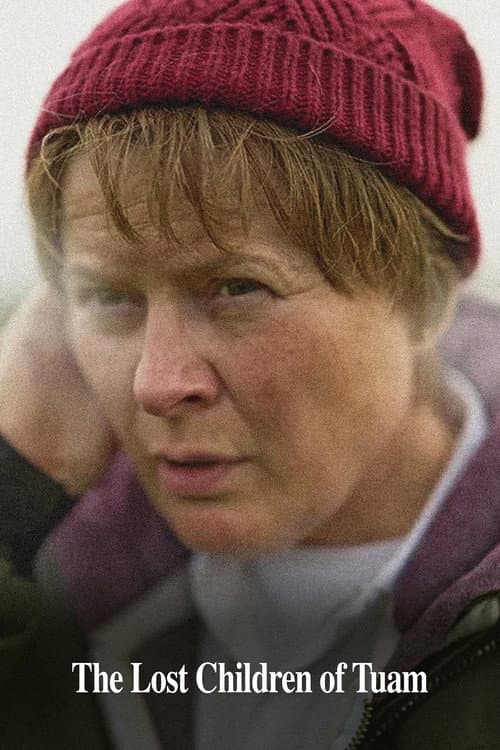
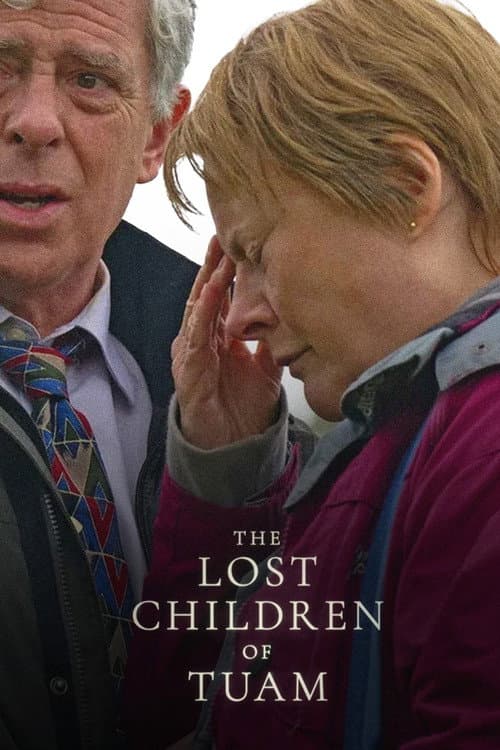
Amateur historian Catherine Corless spent years digging through records from a former Mother and Baby Home in Tuam, Co. Galway, eventually uncovering evidence of what appears to be a mass burial site for children. That painstaking research is now the subject of a new dramatic film, The Lost Children of Tuam, which is set for release on September 25, 2026.
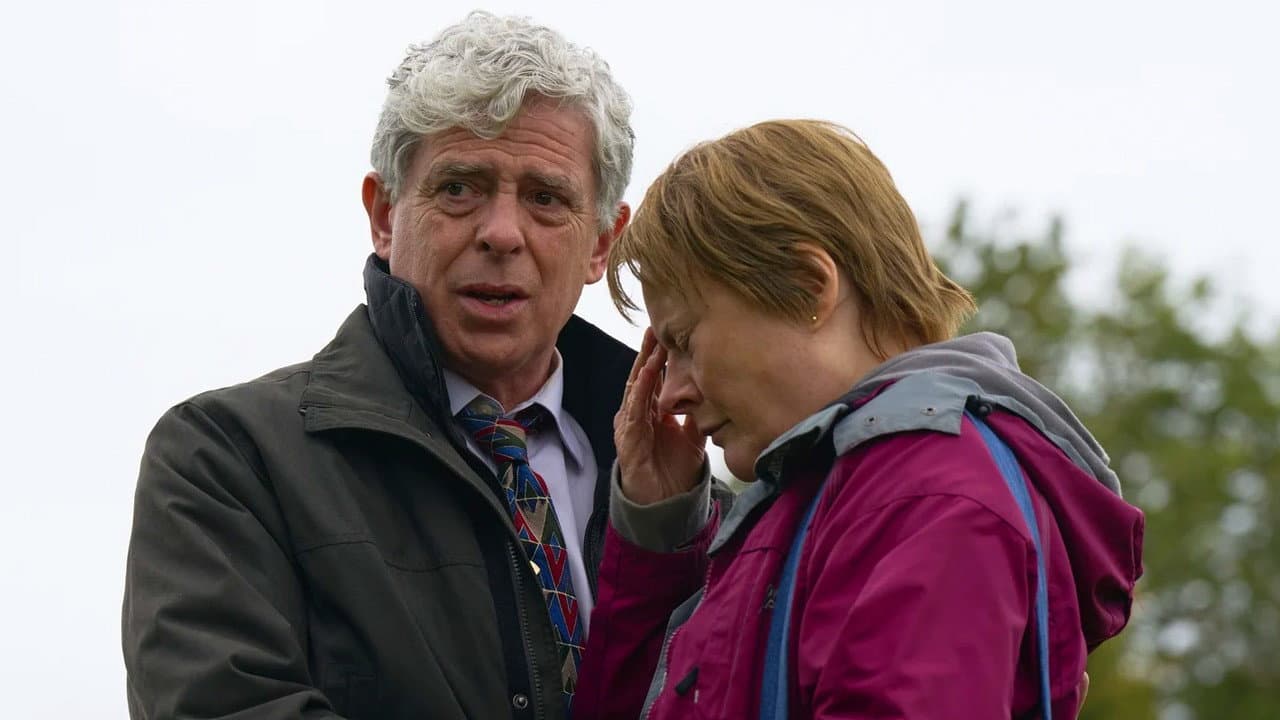
The 84-minute drama, directed by Frank Berry, stars Monica Dolan as Corless, the woman whose dogged determination forced a reckoning with one of Ireland’s most painful institutional scandals. The film follows Corless as she sifts through archival material tied to the home, only to stumble across signs pointing to a deeply troubling past. Rather than letting the questions fade, she launches a meticulous investigation that places her in direct conflict with the Catholic Church, the Irish State, and members of her own community in the small Galway town.
As official resistance mounts, the film chronicles how her persistence led to unsettling discoveries that many would have preferred remain hidden. The story dramatizes the way her work exposed a hidden chapter of Ireland’s history, challenging powerful institutions that had long avoided scrutiny over the treatment of unmarried mothers and their children.
Production notes indicate the film’s focus is squarely on Corless’s personal crusade, rather than a sweeping historical overview. The narrative centers on the friction between her moral conviction and the institutional walls built to keep the past buried. Supported by a cast that includes Andrew Bennett, Ian McElhinney, Ruth McCabe, and Elaine O’Dwyer as Alicia Corless, the film also features Thomas Hopkins, Jonathan Heed, and Ian Dillon in an uncredited role as a funeral attendee.
Liam Neeson serves as a producer on the project, adding a prominent name to a story that has already captured international attention. The film arrives as Ireland continues to grapple with the legacy of its Mother and Baby Homes, institutions where thousands of women were sent to give birth in secret, and where high mortality rates among infants have been documented by official investigations.
For Berry, known for his grounded, character-driven approach to social subjects, the material offers a natural fit. His prior work has often examined ordinary people caught in extraordinary moral and legal circumstances. Here, the director focuses on Corless’s methodical process - the patient reading of ledgers, the cross-referencing of birth and death records, and the quiet conversations that slowly build to a damning picture of neglect.
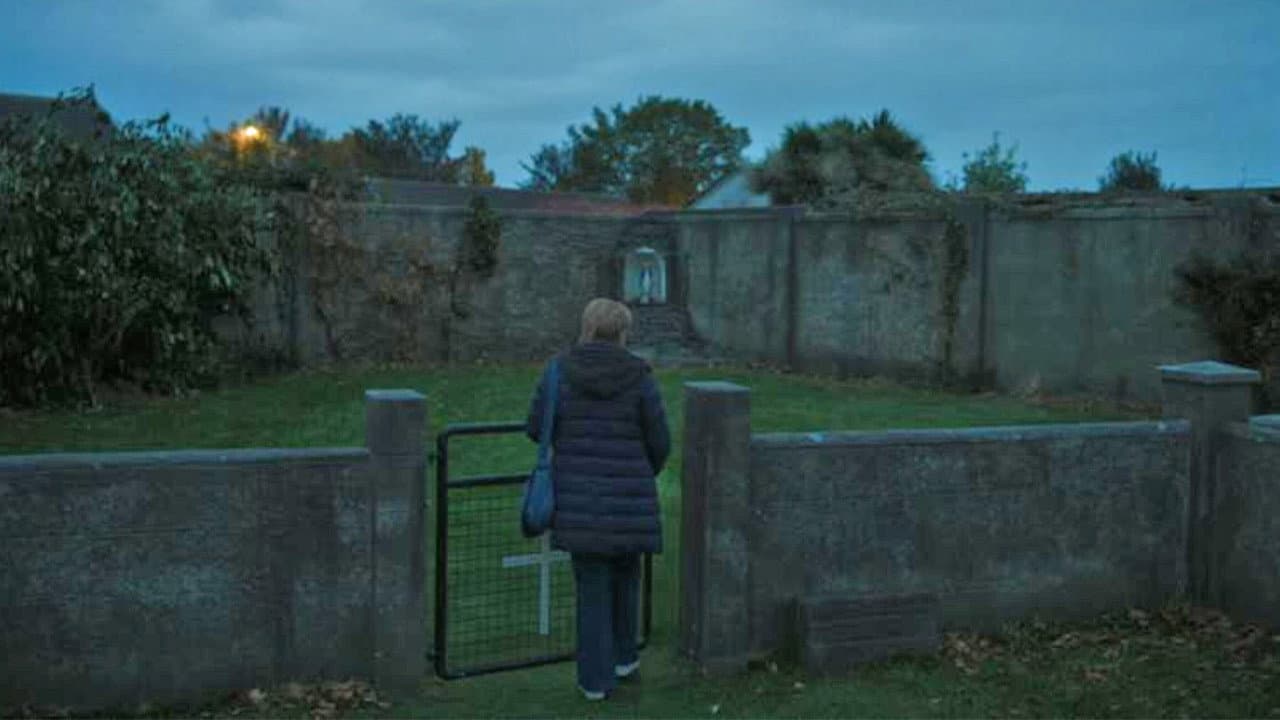
The film’s title references the Tuam site specifically, where Corless’s research suggested that hundreds of children may have been buried in an unmarked area on the grounds of the former home. Her findings prompted a formal state investigation and years of public debate about accountability and remembrance. The movie trailer, which premiered this week, underscores the emotional weight of those efforts, showing Dolan’s character standing in graveyards, staring at documents, and facing stonewalling officials.
Set entirely in an English-language production, the film remains rooted in the specifics of the Irish story while aiming for a broader resonance about the power of individual persistence. With a tight runtime under 90 minutes, the movie appears designed to move briskly through Corless’s investigative arc, from initial curiosity to full-blown confrontation with authority.
Early critical reception is unclear, as the film holds no rating yet on review aggregation platforms, signaling that most reviews have yet to be published ahead of its late-September premiere. However, the subject matter alone is likely to generate discussion, given the ongoing relevance of institutional abuse inquiries across Europe and beyond.
Dolan, a British actress known for her ability to convey quiet intensity, appears well-suited to the role of Corless. The screenplay reportedly avoids melodrama, favoring restrained scenes that allow the evidence to speak for itself. That approach mirrors the real-life Corless’s own tactics, as she often described her work as simply asking questions that no one else wanted to ask.
The supporting cast fills out the world of Tuam with faces familiar to Irish film and television audiences. McElhinney, for instance, brings decades of experience in both stage and screen work, while Bennett and McCabe round out a roster that gives the small-town setting authenticity.
Given the involvement of Neeson as producer, the film may also draw viewers who might otherwise skip a historical drama. Neeson, a native of Northern Ireland, has long supported projects that examine the complexities of Irish life, both contemporary and historical.
With its release just weeks away, The Lost Children of Tuam enters a crowded fall season of prestige films. Yet its specific subject - and the fact that it dramatizes investigations that are still reverberating - sets it apart from typical historical fare. The movie does not offer closure, but it does dramatize how one determined citizen can force a society to look at what it would rather ignore.
Source: Hollywood Reporter