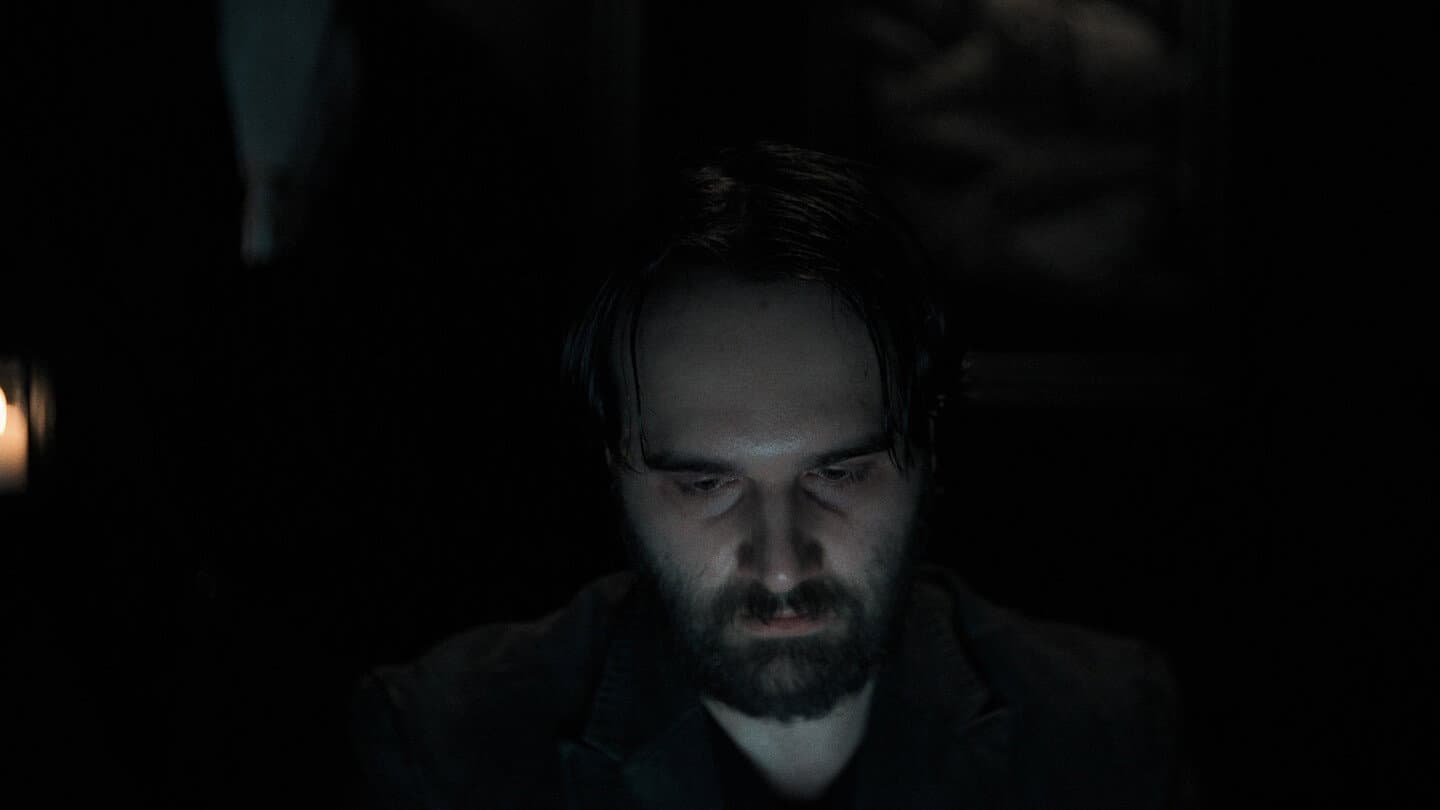
The fake-dating rom-com has been a reliable Hollywood engine for decades, but it takes a particular kind of alchemy to make it hum instead of sputter. Enter The Love Hypothesis, which hit theaters yesterday and has already turned a usually skeptical late-September box office into something resembling a feeding frenzy. Director Claire Scanlon, a veteran of sharp-tongued television comedy, has taken Ali Hazelwood's bestselling novel and translated its academic anxiety into a brisk, 110-minute romantic comedy that feels both of its moment and pleasantly old-fashioned.
The premise is a familiar one, executed with unusual precision. Olive Smith, played by Lili Reinhart, is a biology PhD candidate who needs to convince her best friend that she is happily dating someone so that said friend will feel free to pursue a man Olive once briefly kissed. That is the sort of logic that only makes sense in a romantic comedy, and the film leans into it. Olive grabs the nearest available man, kisses him in a hallway, and discovers too late that he is Dr. Adam Carlsen, a hotshot professor with a reputation as the department tyrant. Tom Bateman plays Carlsen with a granite jaw, a wardrobe of impeccably pressed shirts, and a slow-burn warmth that suggests the tyrant label may be a bit of academic theater.
What follows is a fake relationship, negotiated with the seriousness of a grant proposal. Olive needs Carlsen to appear supportive so her friend will stop worrying. Carlsen needs the university to believe he is not the kind of professor who flees the state whenever a student cries. Their theories are carefully calculated. Love, they both assume, is a variable they can control. The film's pleasure is watching those variables go rogue.
Reinhart, who has spent years honing a specific brand of exasperated intelligence, is ideally cast. Her Olive is not a klutz or a daydreamer; she is a scientist who treats her own heart like a stubborn experiment. Bateman, meanwhile, does something harder than it looks. He plays Carlsen as a man who has built a fortress of professional distance and is genuinely bewildered to find someone knocking on the door. Their banter has a clipped, competitive rhythm. Neither is willing to admit the obvious, which is that the fake part stopped being fake somewhere around the second coffee date.
Scanlon keeps the pace tight. The film runs 110 minutes and there is no room for the soggy detours that often sink the genre. The supporting cast is a deep bench of scene-stealers. Rachel Marsh brings an anxious, motor-mouthed energy to Anh Pham, Olive's best friend. Jaboukie Young-White gets the biggest laughs as Malcolm Browne, Olive's lab mate and unofficial hype man. Nicholas Duvernay appears as Jeremy Langley, the romantic complication who is less a villain than a walking reminder of why Olive's original theory about love was incomplete. Arty Froushan, Jeananne Goossen, and Kenny Wong round out the faculty and graduate student ranks with sharp, specific turns.
The film's academic setting is not just wallpaper. It is the engine of its central joke. These are people who spend their days isolating variables and controlling conditions, and they are helpless when it comes to the one thing they cannot quantify. The screenplay, adapted from Hazelwood's novel, understands that a rom-com works best when the obstacle is internal. Olive and Adam are not kept apart by a misunderstanding or a meddling ex. They are kept apart by their own certainty that love is a hypothesis neither of them has the equipment to test. That is a smarter conflict than most films in this genre bother to construct.
TMDb users have already handed The Love Hypothesis a rating of 8.386 out of 10, which is the kind of number that suggests early audiences are not treating it as disposable counterprogramming. It is easy to see why. The film has the thing that every successful entry in this genre needs and few actually possess: a pair of leads who make you want them to figure it out. Reinhart and Bateman have chemistry that is not just about sparks. It is about timing, and about the way two people can argue for an hour and still be disappointed when the other leaves the room.
Is it a perfect film? No. A few subplots feel compressed. A late-act revelation lands with a thud rather than a gasp. But The Love Hypothesis knows exactly what it is and executes that with confidence. It is a smart, warm, genuinely funny romance about people who think they are too rational for romance. Spoiler alert: they are not. That is the hypothesis the film sets out to test, and by the closing credits, the results are conclusive.