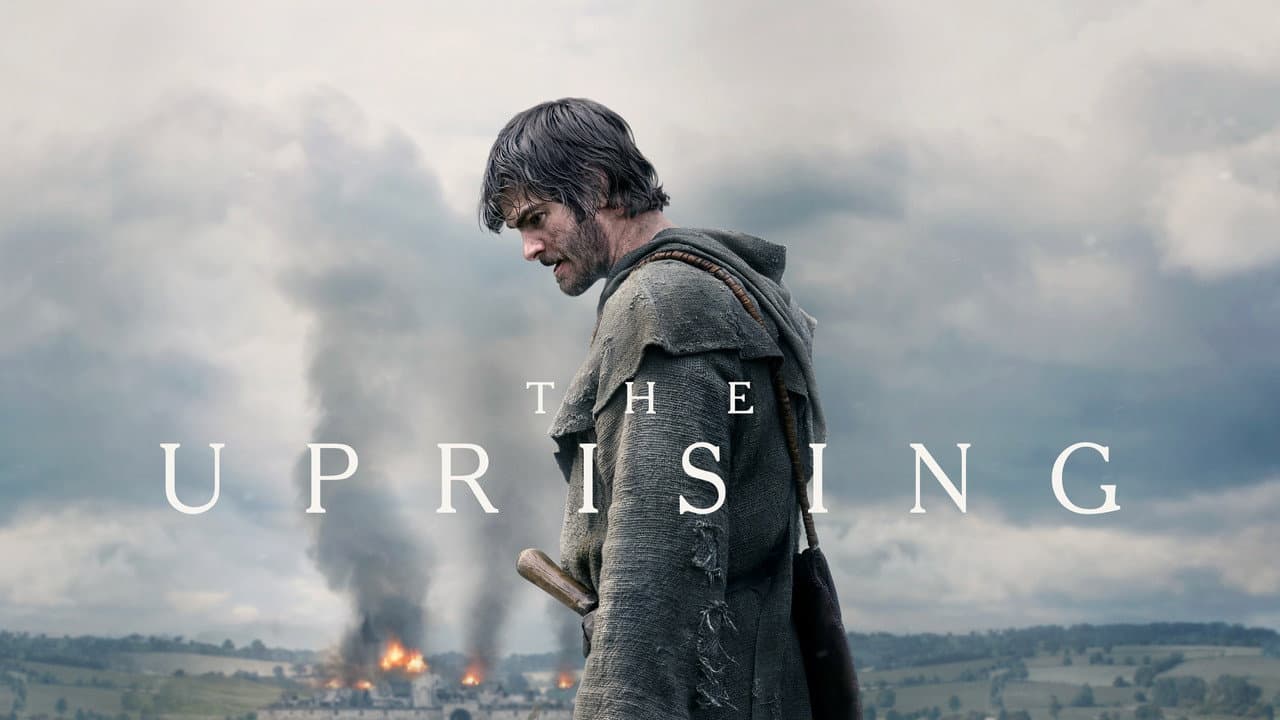
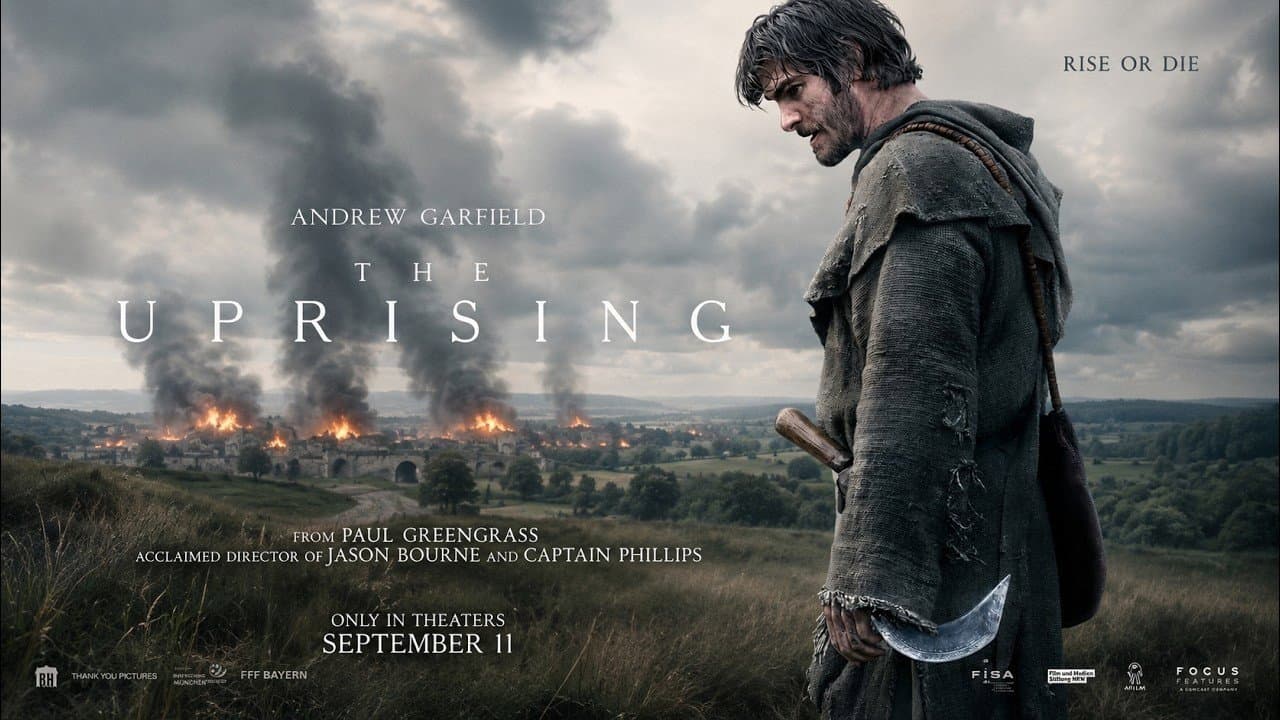
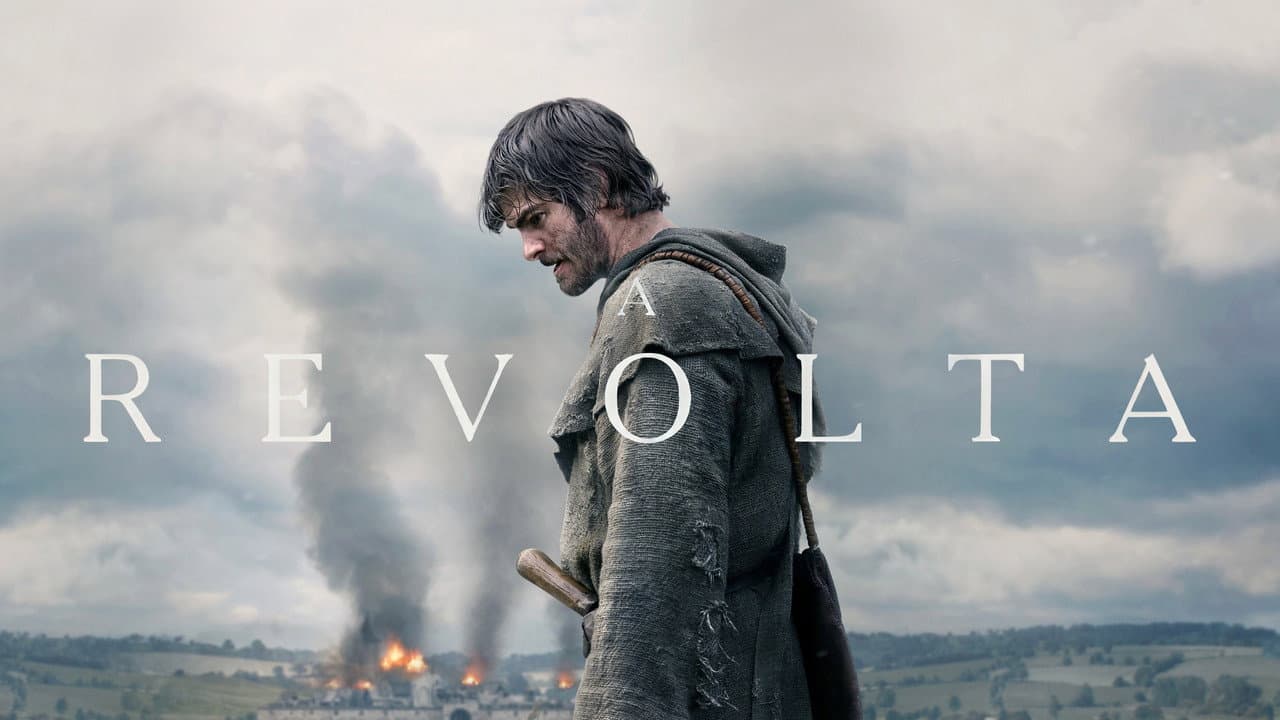
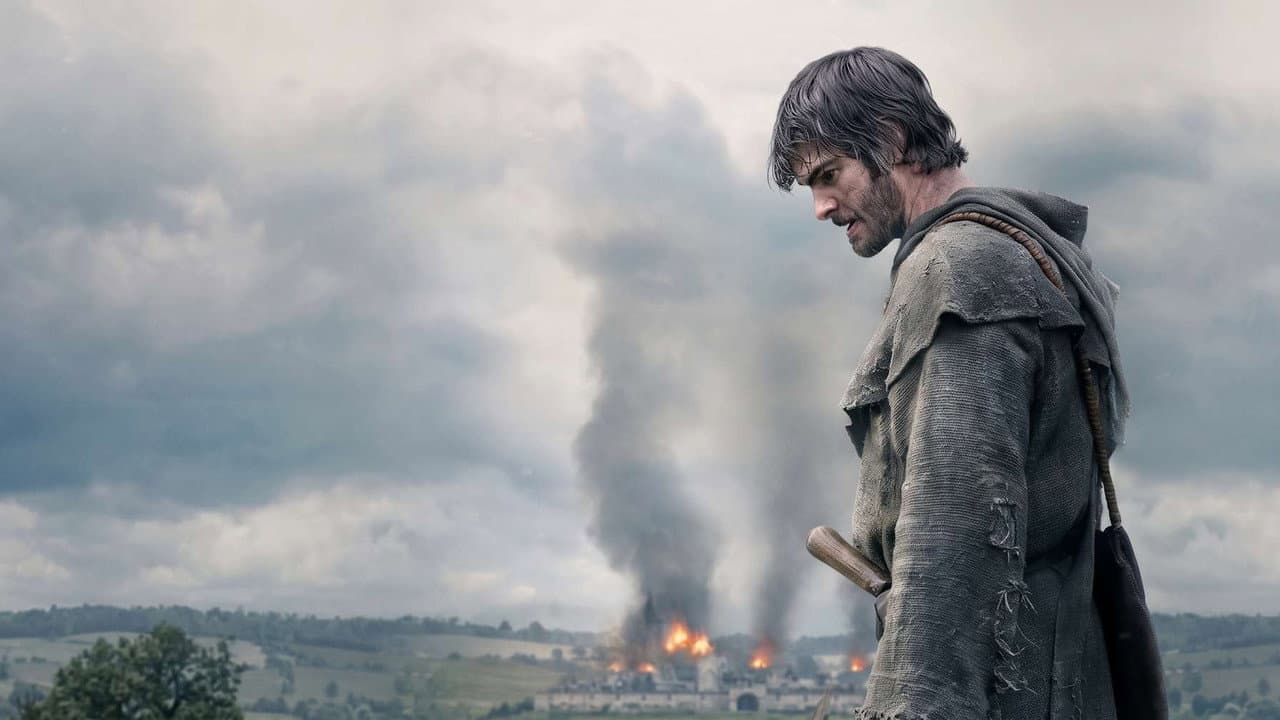
Audiences expecting a straightforward action spectacle from Andrew Garfield’s latest film are getting something far more layered, as The Uprising has revealed itself to be an unexpected origin story for the legendary figure of Robin Hood. The film, directed by Paul Greengrass, arrives in theaters on September 10, 2026, with a 128-minute runtime that blends drama, action, and historical narrative. While early marketing teased a gritty medieval revolt, the narrative twist has left many fans scratching their heads, uncertain whether they witnessed a grounded historical epic or a cleverly disguised myth-making tale.
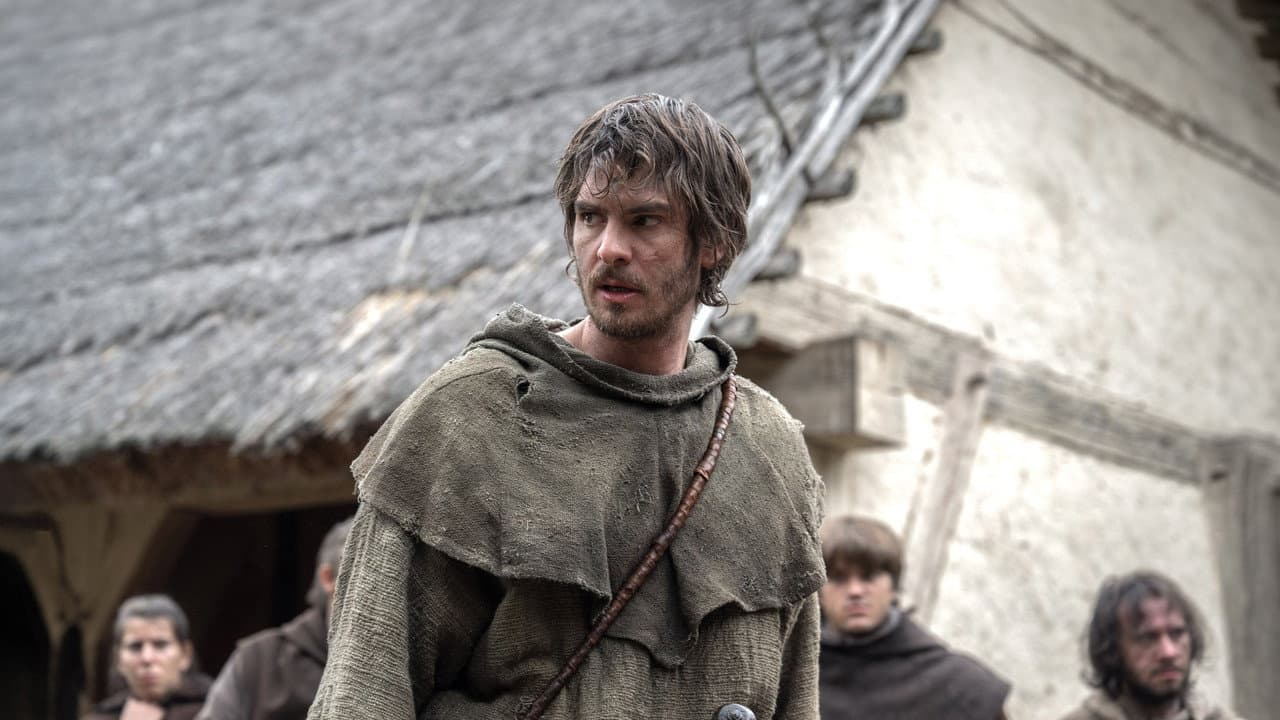
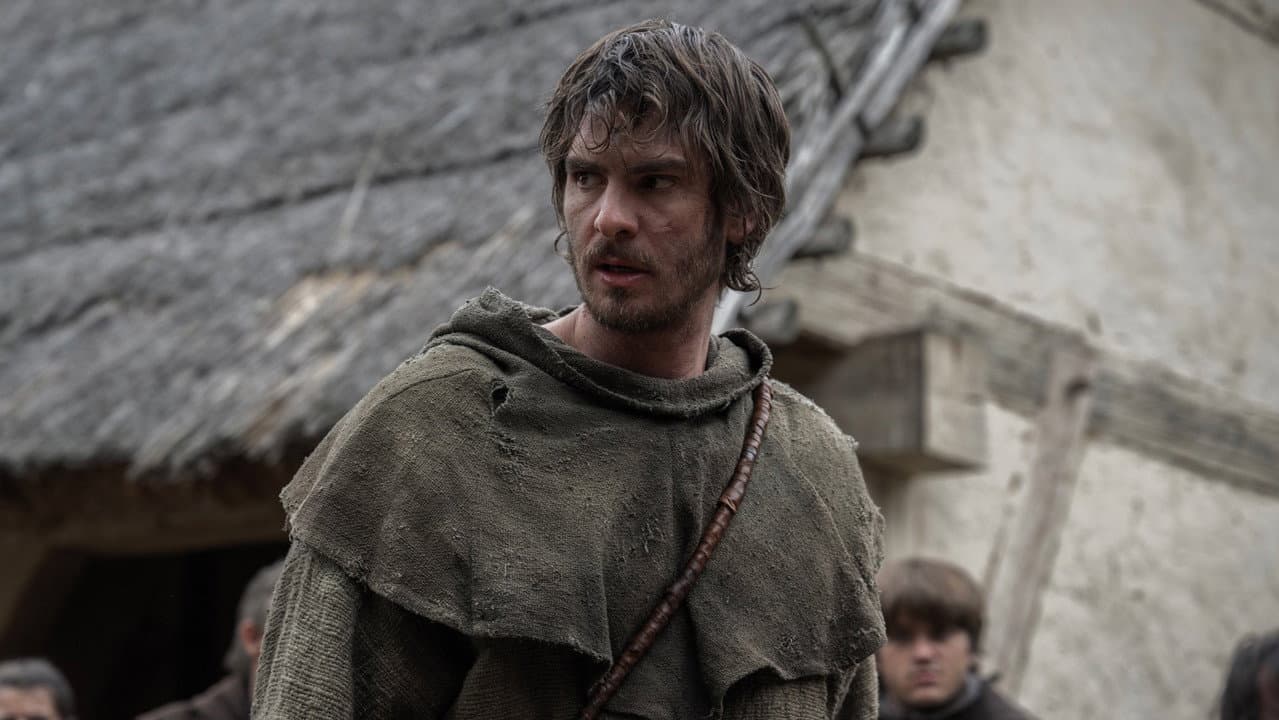
At its core, The Uprising is anchored in the real-world events of the 1381 Peasants' Revolt, a bloody confrontation between commoners and the crown under King Richard II. The official synopsis confirms the film’s ambitions: set against the true events that helped inspire the Robin Hood legend, a humble peasant forms an army of the people to face the king’s might in a fight for justice. Garfield steps into the role of the Ploughman, a name that deliberately avoids the famous outlaw moniker, yet his character’s arc clearly charts the path toward the folk hero we know today. This creative choice - rooting the myth in real history - is the core of the confusion. Viewers expecting a bow-and-arrow rogue with a green hood are instead meeting a reluctant leader whose transformation feels both deliberate and, to some, obliquely signaled.
Greengrass, known for his kinetic, handheld-camera realism in films like the Bourne series and United 93, brings his trademark urgency to the 14th-century setting. The film’s tone is relentlessly grounded, avoiding swashbuckling flourishes in favor of mud-caked pragmatism. That stylistic approach amplifies the dissonance when the Robin Hood parallels finally crystallize. The director’s focus on systemic injustice and crowd psychology creates a dense, politically charged atmosphere, but it means the payoffs are character-driven rather than spectacle-driven. For a film marketed as a historical action piece, the absence of a traditional hero’s journey - or any clear-cut villainy - has left some audience members feeling unmoored.
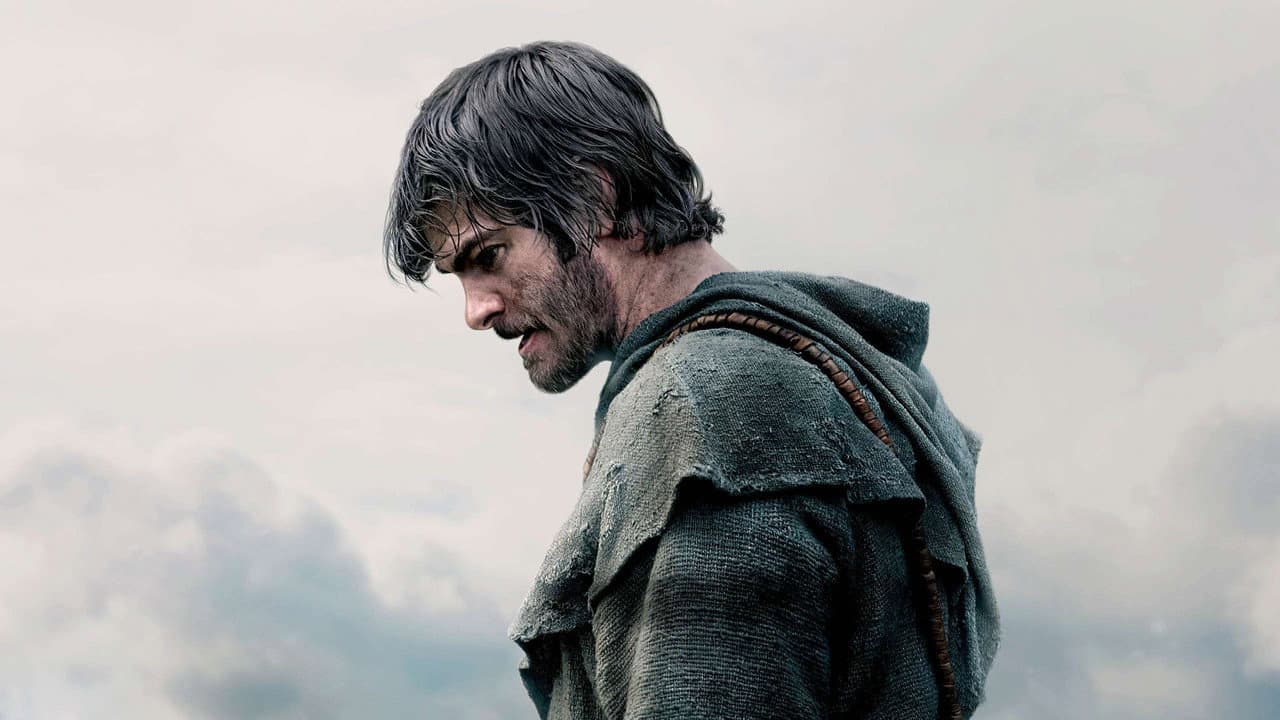
The cast adds significant weight to the production. Garfield’s Ploughman is a study in quiet resolve, a far cry from the wisecracking Spider-Man that made him a household name. Jamie Bell portrays John Ball, the radical priest whose fiery sermons fueled the revolt, while Cosmo Jarvis takes on the role of Wat Tyler, the actual historical leader of the peasant army. Tom Hollander appears as Sir Robert Hales, the treasurer whose policies sparked the uprising, and young Woody Norman plays the boy-king Richard II, whose confrontation with the mob forms the film’s tense climax. Stephen Dillane and Jonny Lee Miller round out the ensemble, with Thomasin McKenzie adding a quiet emotional anchor in an unspecified role.
The film’s release strategy has also contributed to the bewilderment. Early trailers deliberately obscured the Robin Hood connection, presenting The Uprising as a straightforward chronicle of class warfare. That bait-and-switch has proven jarring for casual viewers, who may feel the promise of a familiar legend was withheld to preserve a mid-film reveal. Those more familiar with medieval history, however, are noting that the film’s connection to the outlaw is less a twist and more a thematic argument - that the Robin Hood stories are simply distorted folk memory of a real peasant rebellion. In that reading, Garfield’s Ploughman is not Robin Hood disguised, but the prototype from which the legend grew.
Critical reception is still forming, as the film currently holds a placeholder score of zero on TMDb, an indication that professional reviews have yet to be aggregated. Early word from test screenings, however, suggests a divided response: some praise the ambition and the powerful performances, while others argue that the tonal mismatch between historical gravity and mythic resonance undercuts both elements. The question of whether The Uprising succeeds as a Robin Hood story, a history lesson, or a pure Greengrass thriller may depend on what each viewer is expecting to walk away from.
What is clear is that The Uprising is a deliberate, uncompromising piece of cinema. It refuses to offer easy heroics, choosing instead to dwell on the messy, violent birth of a folk tale. For fans of Garfield and Greengrass, the film represents a bold swing - one that may reward patience and multiple viewings. For those hoping for a straightforward medieval adventure, the confusion is understandable. The film’s true subject is not a man with a stolen identity, but the process by which history becomes legend, and how a humble ploughman’s stand against a king can, over centuries, morph into the story of a hero who robbed the rich to feed the poor. Whether that theme lands will likely define the film’s legacy long after the initial confusion fades.
Source: Hollywood Reporter