A newly published book about the making of "The Women" is pulling back the curtain on one of Golden Age Hollywood's most storied off-screen rivalries, revealing just how deep the animosity between Joan Crawford and Norma Shearer ran during production of the 1939 MGM comedy. An exclusive excerpt making the rounds this week paints a picture of a set divided into camps, with two of the studio's biggest female stars barely able to share a soundstage.
The book focuses on the original MGM production, a gossip-fueled satire of high-society Manhattan wives whose lives revolve around beauty salons and fashion shows. The plot follows Mary Haines, a contentedly married woman whose world unravels when a shop girl named Crystal Allen sets her sights on Mary's husband. The material's enduring appeal lies in its sharp, catty dialogue and its unflinching look at how women in that social stratum treat one another.
A Rivalry That Shaped the Set
According to the excerpt, the tension between Crawford and Shearer was not merely tabloid fodder but a daily reality that influenced everything from rehearsal schedules to where the two women stood while cameras rolled. Eyewitness accounts cited in the book describe a production in which alliances formed quickly and loyalty to one star often meant cold shoulders from the other. The rivalry reportedly predated "The Women," rooted in competing contracts, competing roles, and MGM's own habit of pitting its leading ladies against each other for publicity.
What makes the account notable is its specificity. The excerpt does not settle for vague anecdotes about professional jealousy; it documents particular moments, particular slights, and the ways studio brass chose to manage rather than extinguish the conflict. Readers come away with a sense of how a film celebrated for its witty banter about female friendships was, behind the scenes, a pressure cooker of ambition and resentment.
A Property That Keeps Drawing Hollywood Back
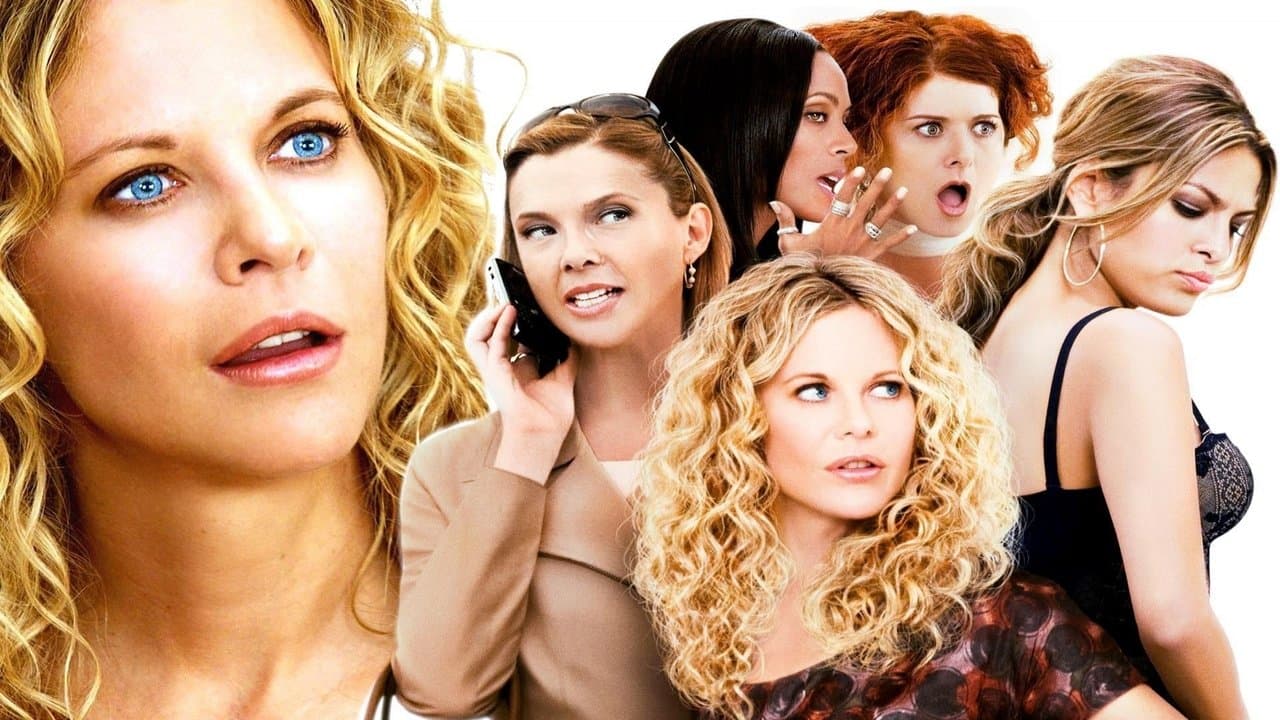
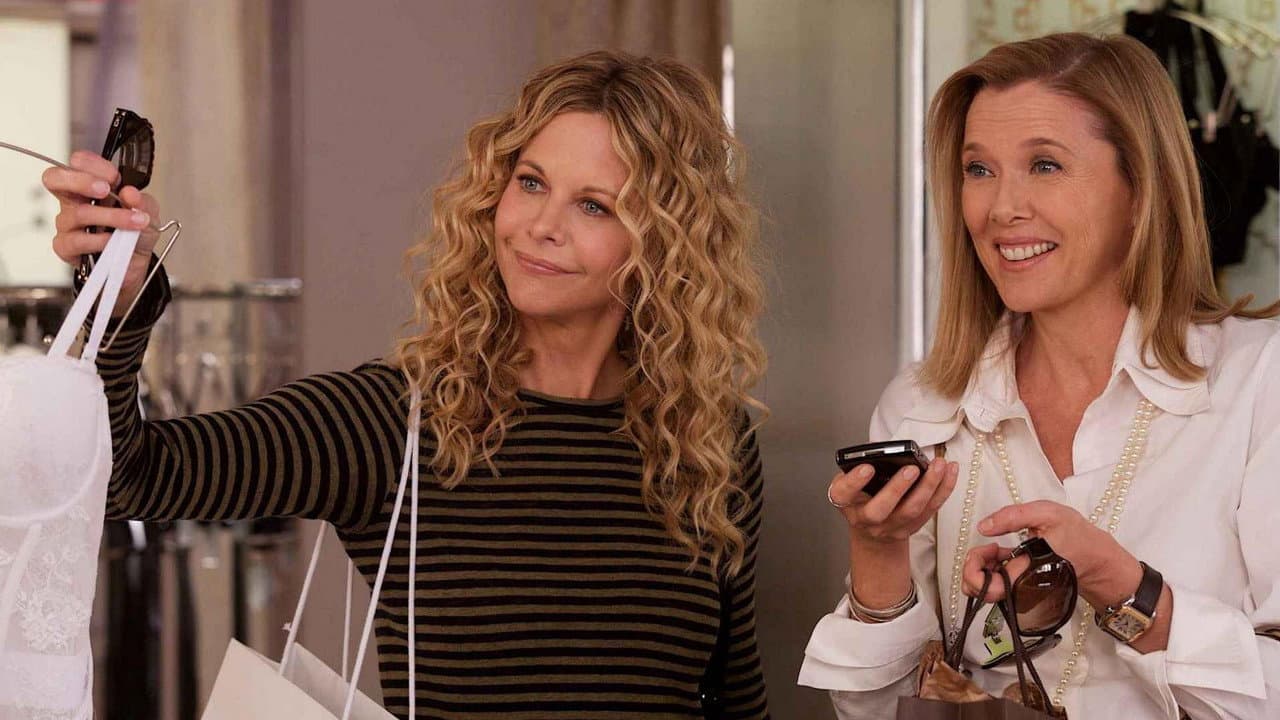
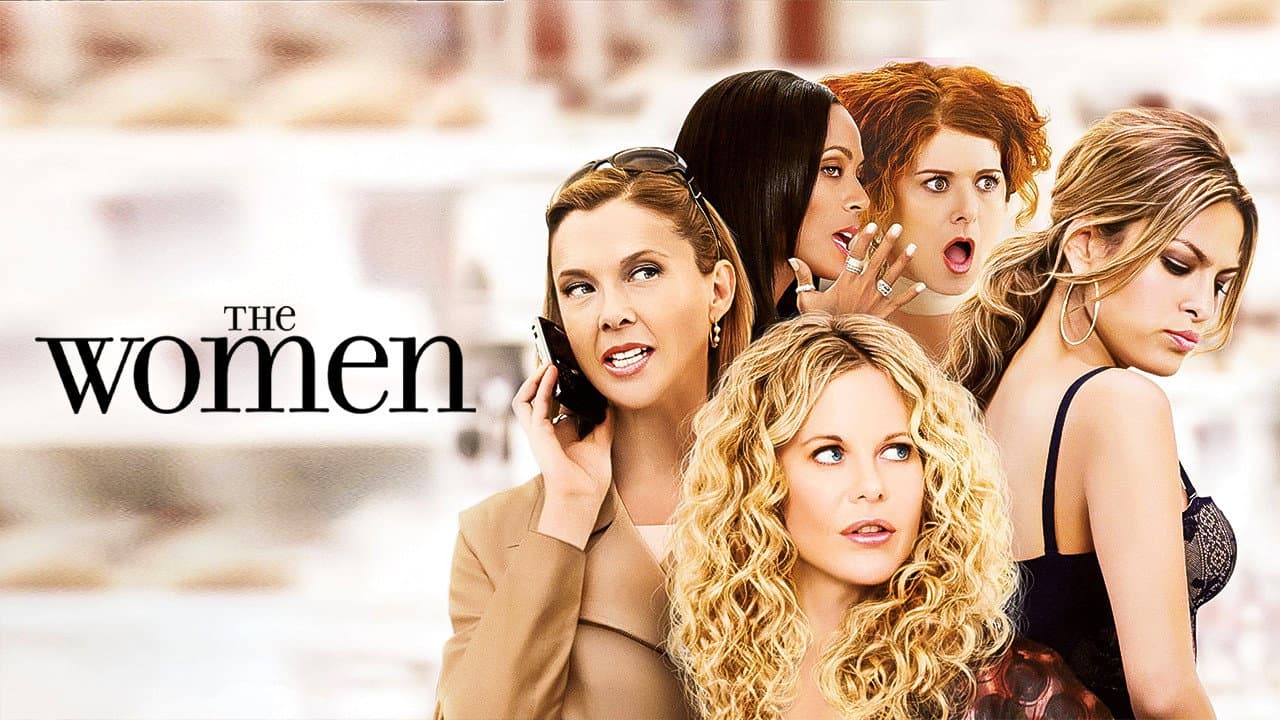
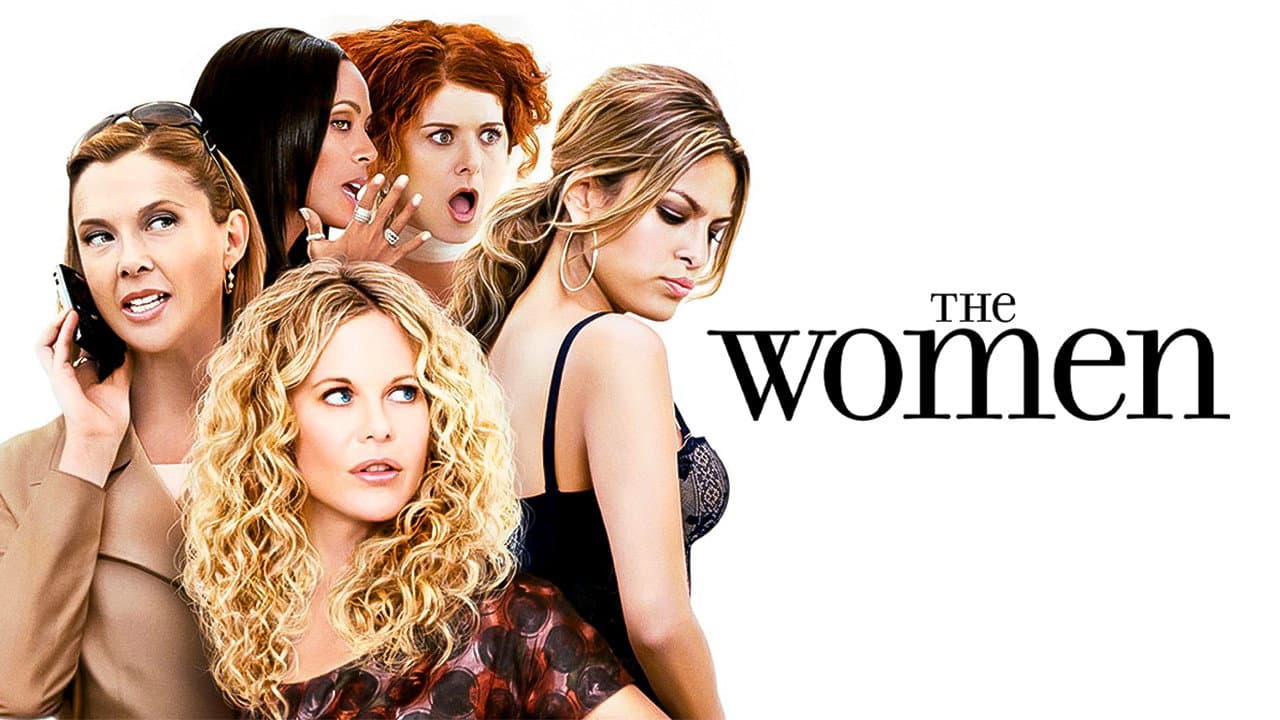
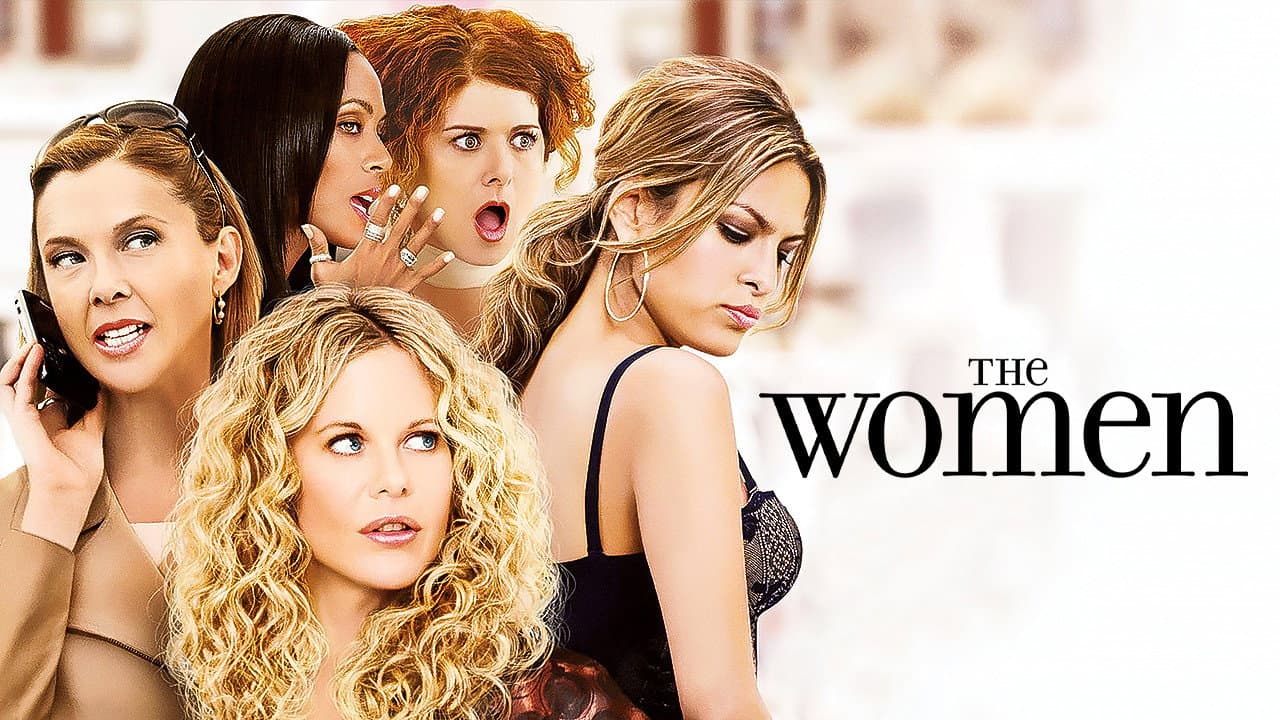
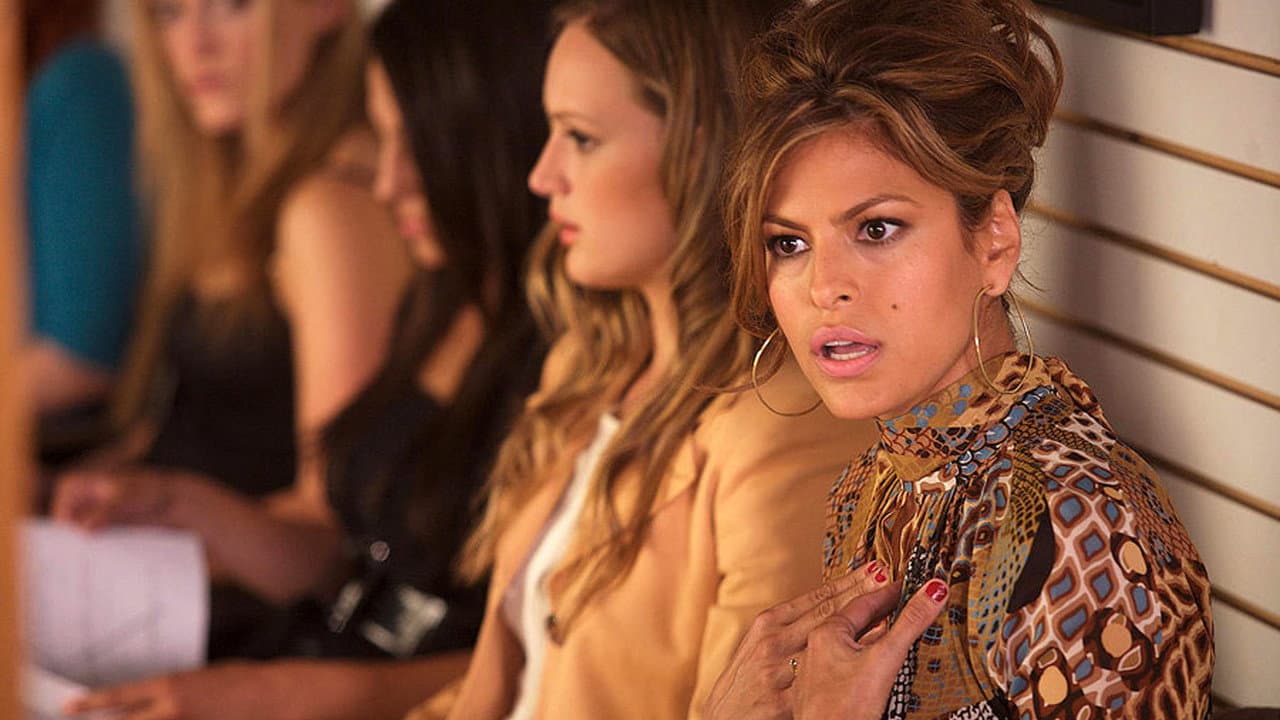
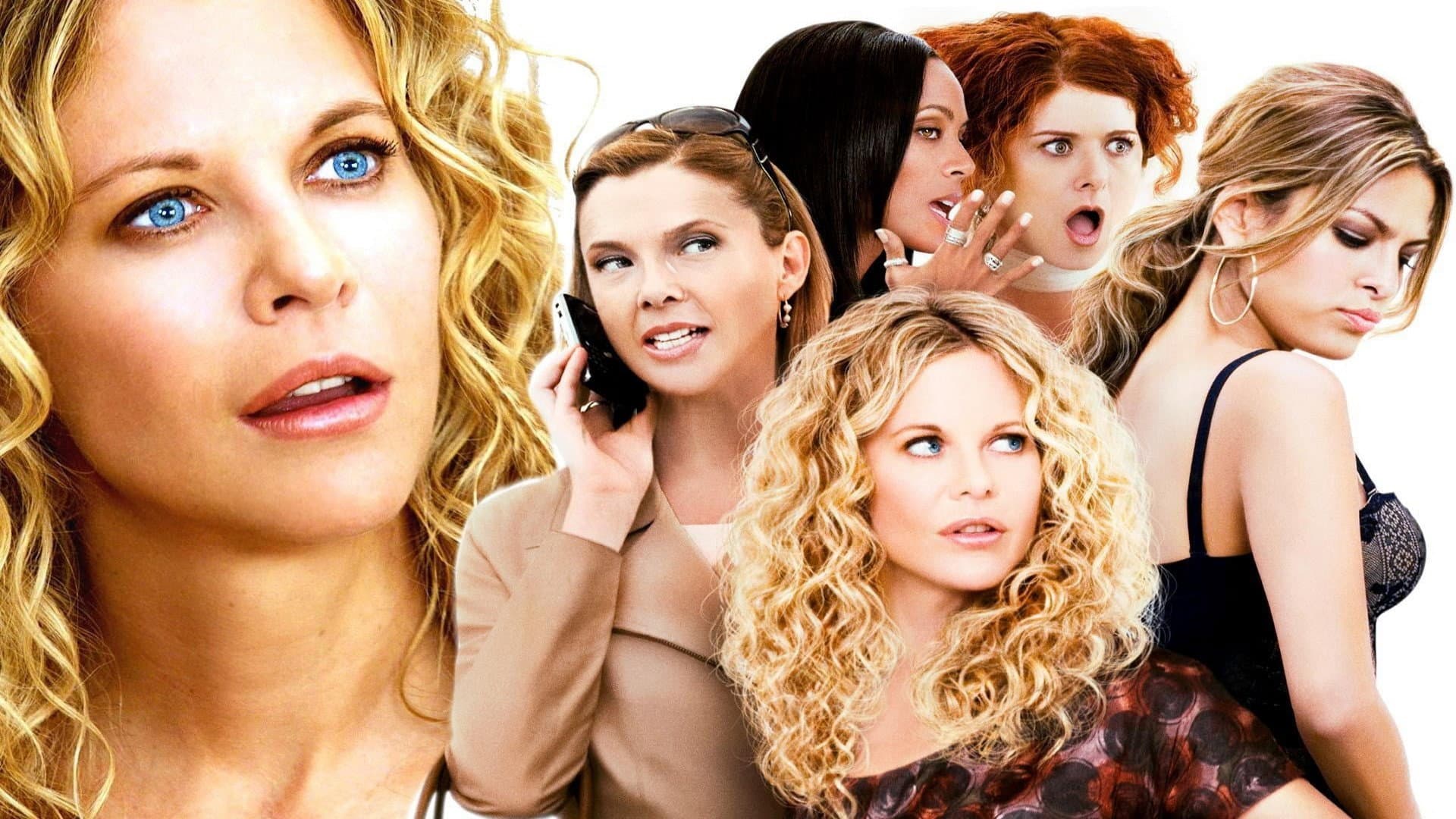
Interest in the book lands at a moment when "The Women" remains a recognizable title for audiences across generations, in part because of a later big-screen adaptation. That 2008 version, released on September 12 of that year and running 114 minutes, was directed by Diane English and assembled a sizable ensemble of comedic talent. Meg Ryan took on the role of Mary Haines, with Annette Bening as Sylvie Fowler, Debra Messing as Edie Cohen, Jada Pinkett Smith as Alex Fisher, and Eva Mendes as the home-wrecking Crystal Allen. Candice Bergen appeared as Catherine Frazier, Cloris Leachman as Maggie, and India Ennenga as Molly Haines.
Critical reception for the 2008 film was tepid, reflected in a TMDb rating of 5.2 out of 10, and the movie did not achieve the cultural staying power of its predecessor. Even so, its existence underscores how durable the underlying premise has proven. The story's mix of drama and comedy, its English-language Hollywood pedigree, and its focus on gossipy socialites navigating marriage and betrayal have kept the property in circulation for more than eight decades.
Why the Feud Still Fascinates
The new book arrives in a market saturated with revisionist histories of studio-era Hollywood, but the Crawford-Shearer material appears to offer something more than recycled lore. The excerpt suggests that the conflict had tangible consequences: altered blocking, negotiated screen time, and a workplace atmosphere that cast and crew navigated with care. For film historians, that level of detail helps explain how a movie so reliant on ensemble chemistry could be produced under conditions of open hostility.
For general readers, the appeal is simpler. Crawford and Shearer occupy a permanent place in the popular imagination as emblematic stars of the 1930s, and any fresh window into their relationship is catnip. The book's timing also invites comparison with the 2008 remake, a project that brought its own well-documented challenges in coordinating a large female cast - though, by all available accounts, without the same level of interpersonal warfare.
Whether the full book delivers on the promise of its excerpt remains to be seen. But the early material makes a persuasive case that the backstage story of "The Women" deserves a place alongside the film itself in the canon of Hollywood's most complicated productions.
Source: Hollywood Reporter