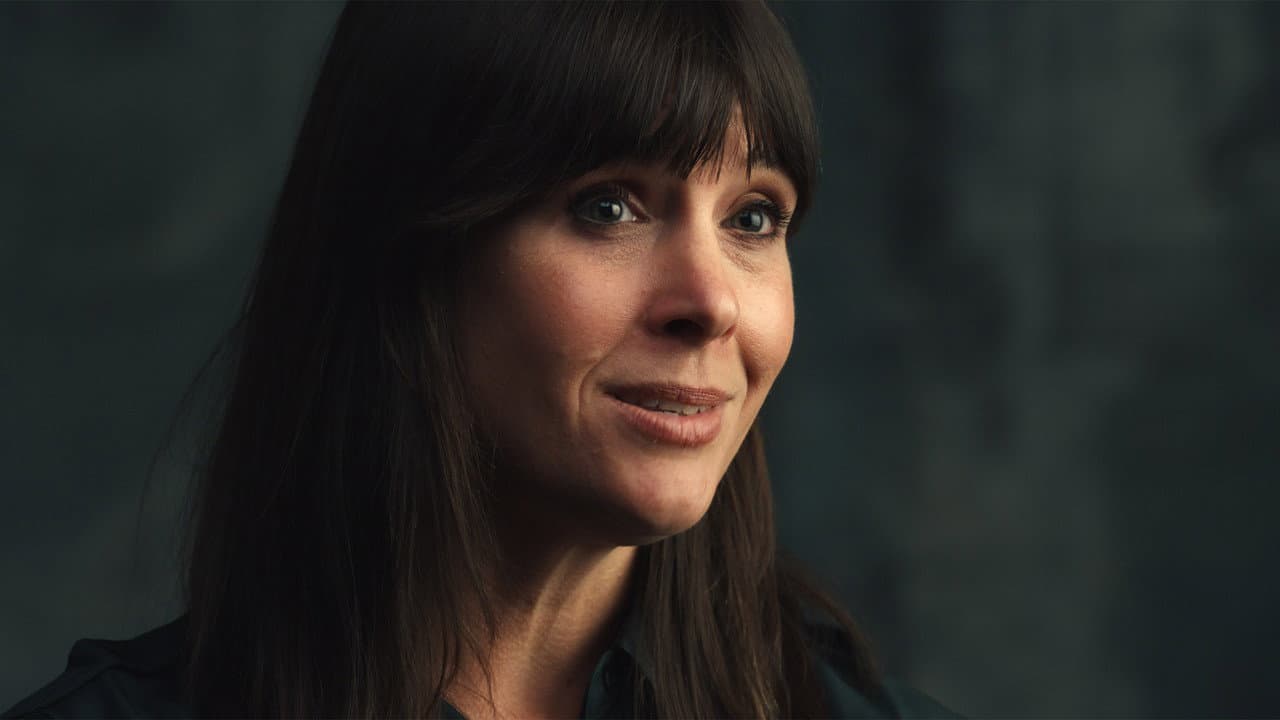
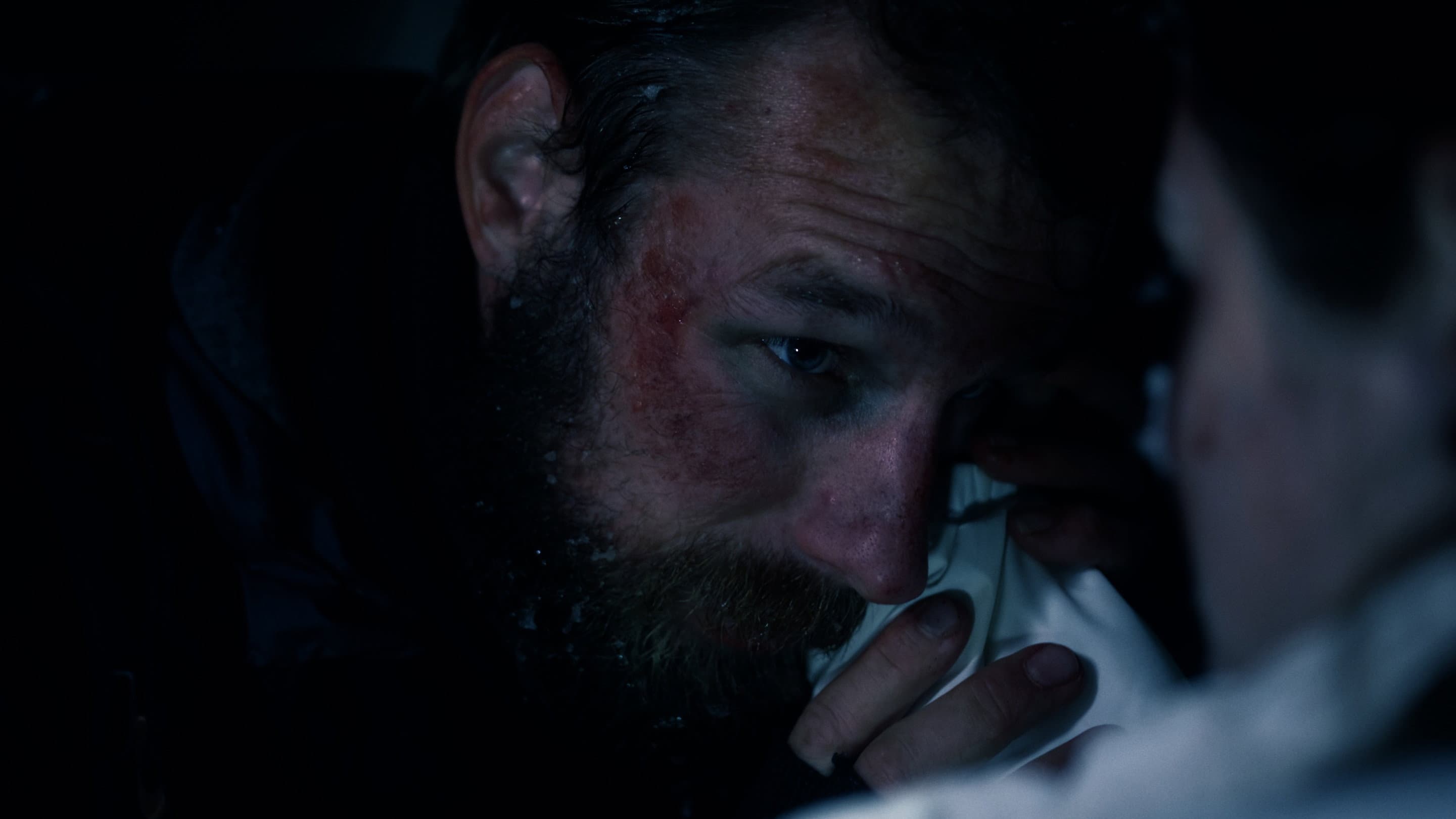
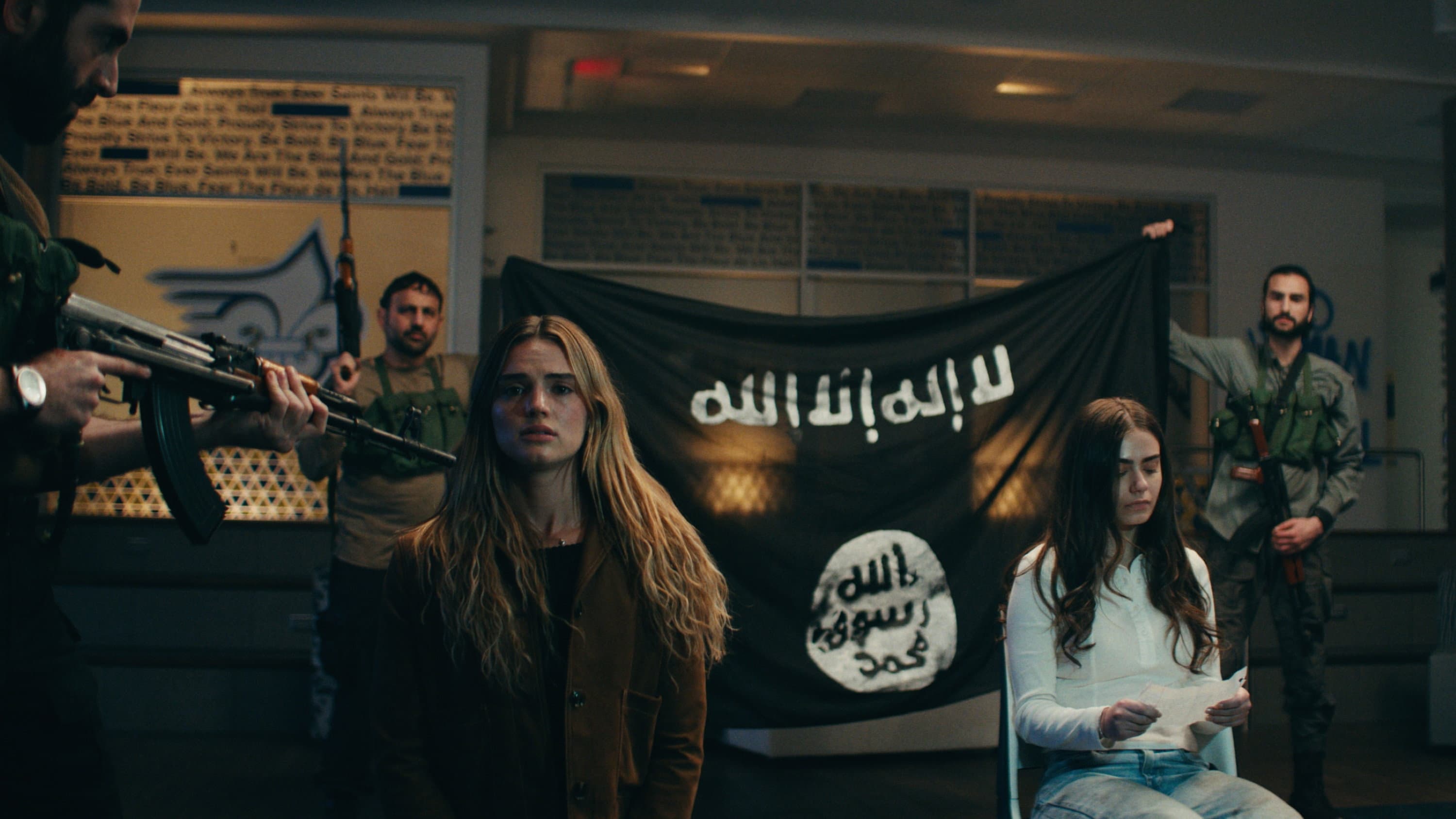
Knappenberger's greatest strength has always been his refusal to narrate his audiences into a comfortable position, and that holds here. He gives his subjects room - sometimes too much room - to contradict themselves. Garrett M. Graff, the historian whose books have become something like the official record of the era, is sharp and unsentimental. Anand Gopal, the journalist whose reporting from Afghanistan has been essential for years, brings a moral clarity that cuts through the film's more elegiac passages. Jenny Pachucki, representing the 9/11 Memorial's oral history work, gives the film its emotional anchor without ever seeming to reach for it.
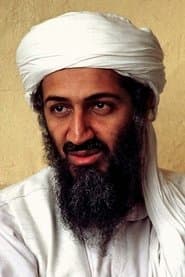
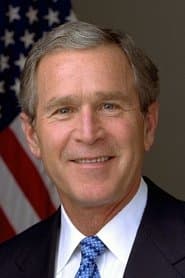
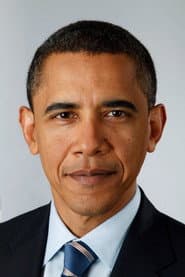
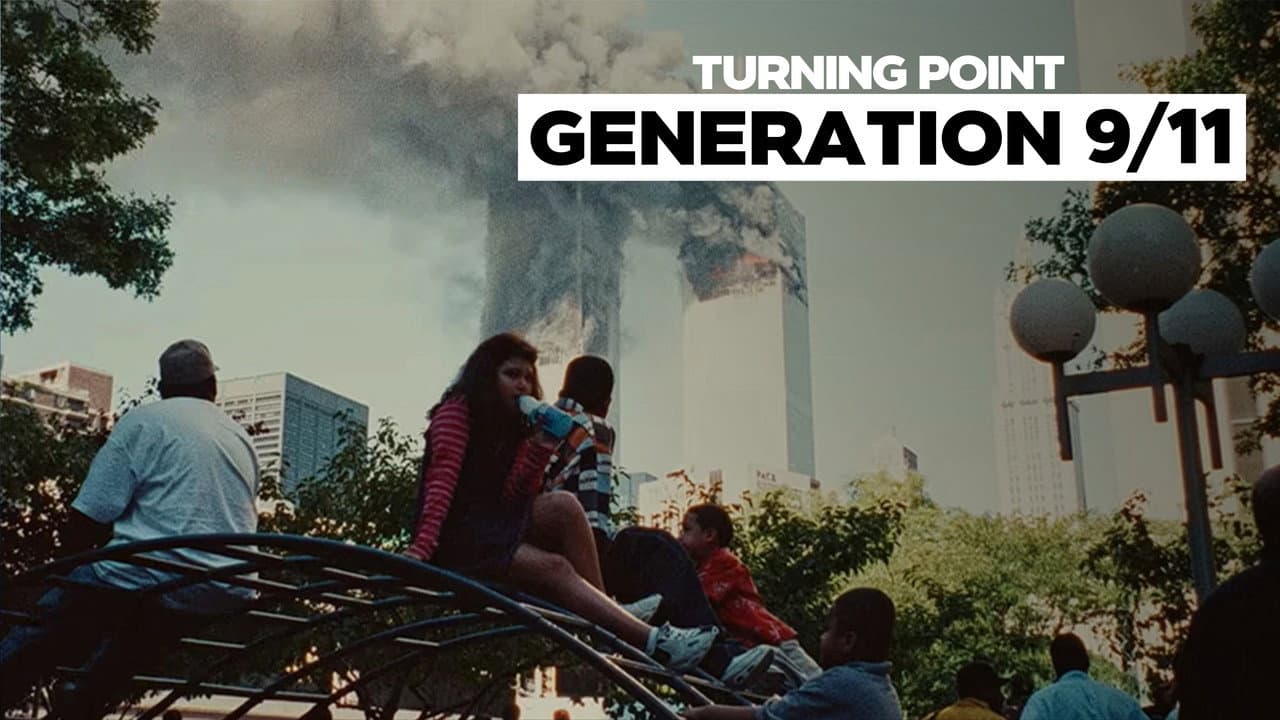
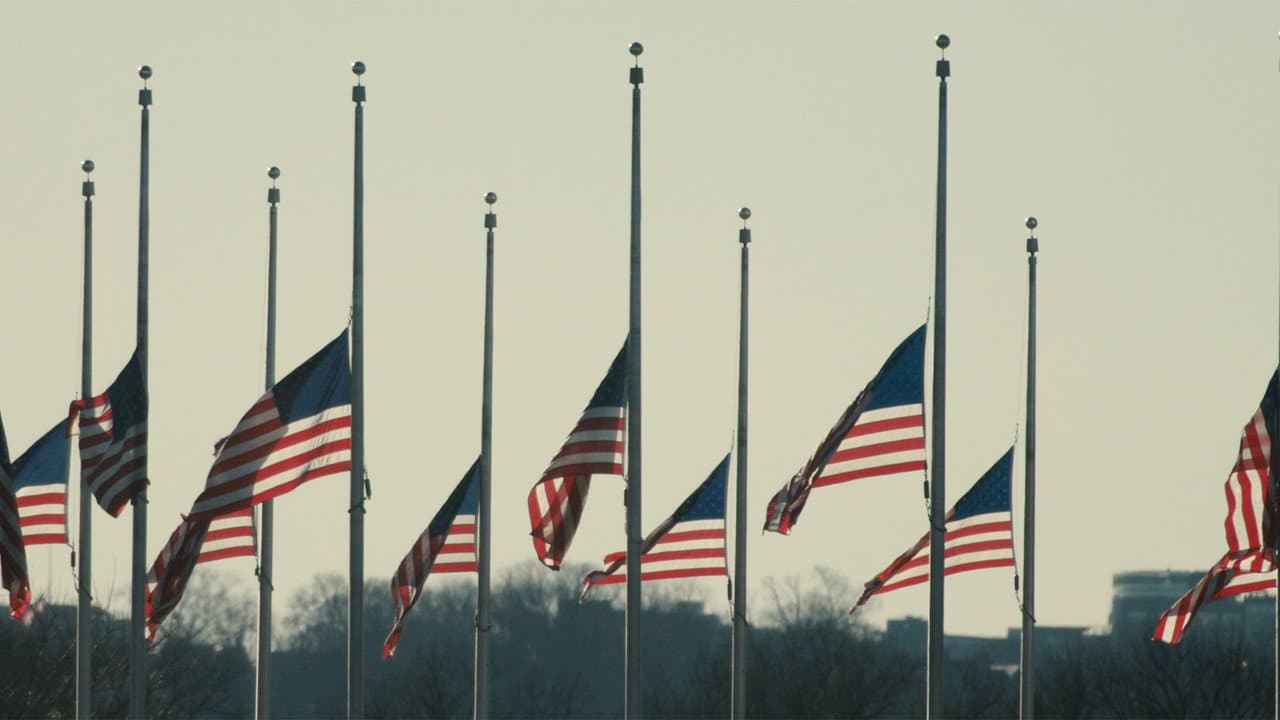
The archive footage is deployed with restraint, which is smart. We've all seen the planes. Knappenberger knows that. He shows just enough - George W. Bush on the bullhorn, Barack Obama announcing the raid, Osama bin Laden's taped declarations - to remind us that these images are now the shared furniture of American memory, then pulls away.
What's less successful is the film's architecture. At 99 minutes, it's somehow both too long and not long enough. Four storylines means each gets roughly 20 minutes, and the young Afghans, in particular, feel shortchanged. Their testimony is the most revelatory material here, precisely because it's the least familiar to American audiences, and it keeps getting interrupted by another talking head returning to ground we've already covered. The Marines' section treads similar terrain. By the time the film reaches its final act, a certain thesis fatigue has set in: yes, the forever wars outlasted their justifications; yes, the generation raised in their shadow is angrier and sadder than their parents were promised. We got there six interview subjects ago.
There's also the Osama bin Laden problem. His archive footage appears without much framing, and while Knappenberger obviously isn't endorsing anything, the film assumes a viewer fluent in 2026's media literacy - someone who understands that showing a monster in context isn't the same as centering him. That assumption may not hold for the very audience the film is trying to reach.
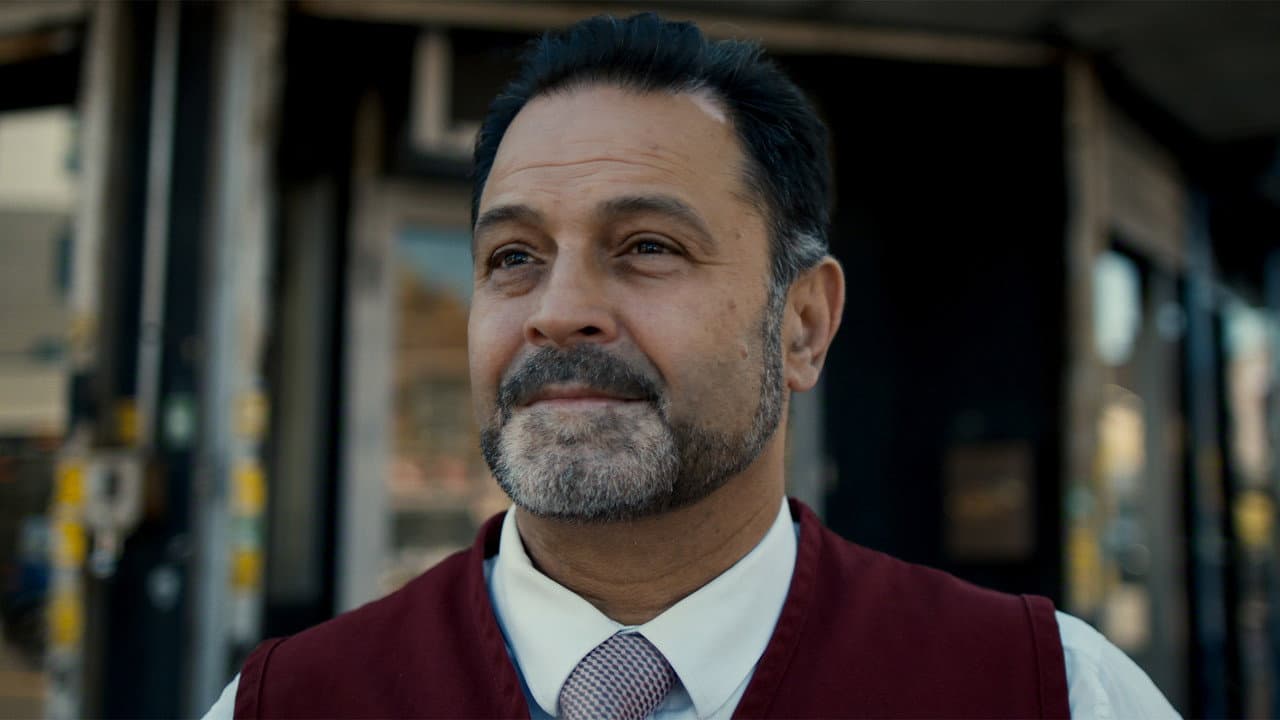
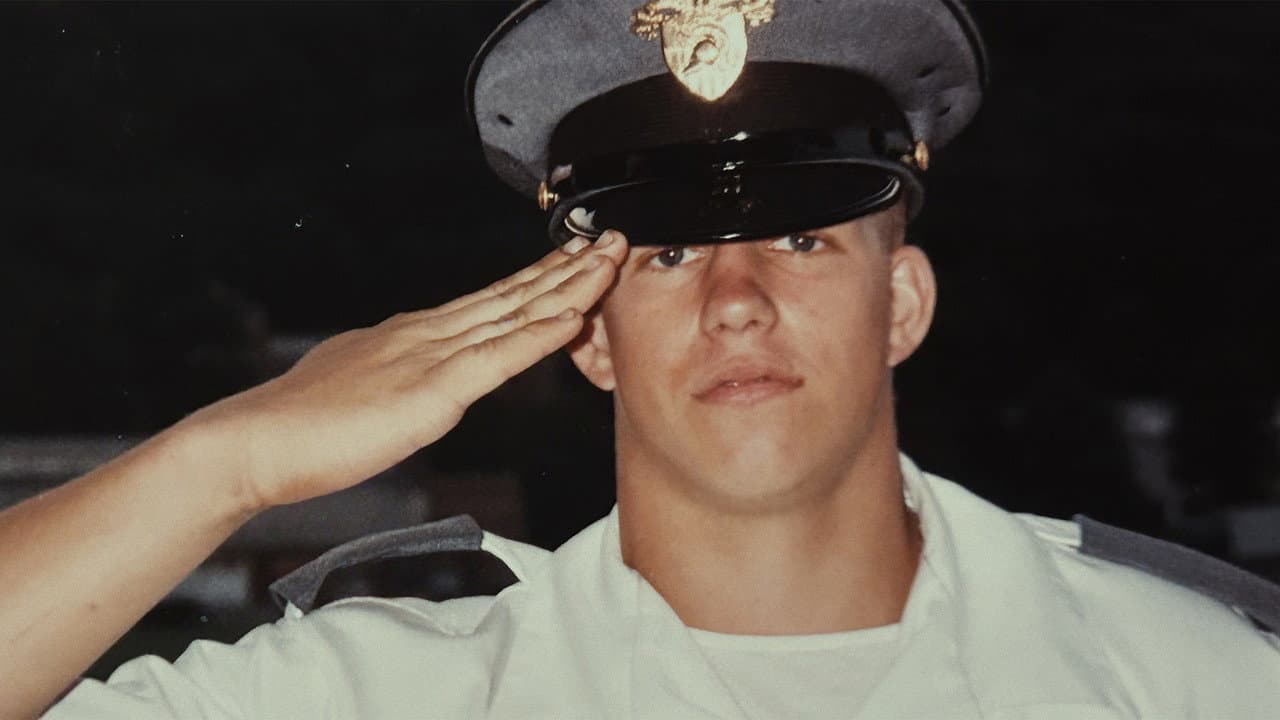
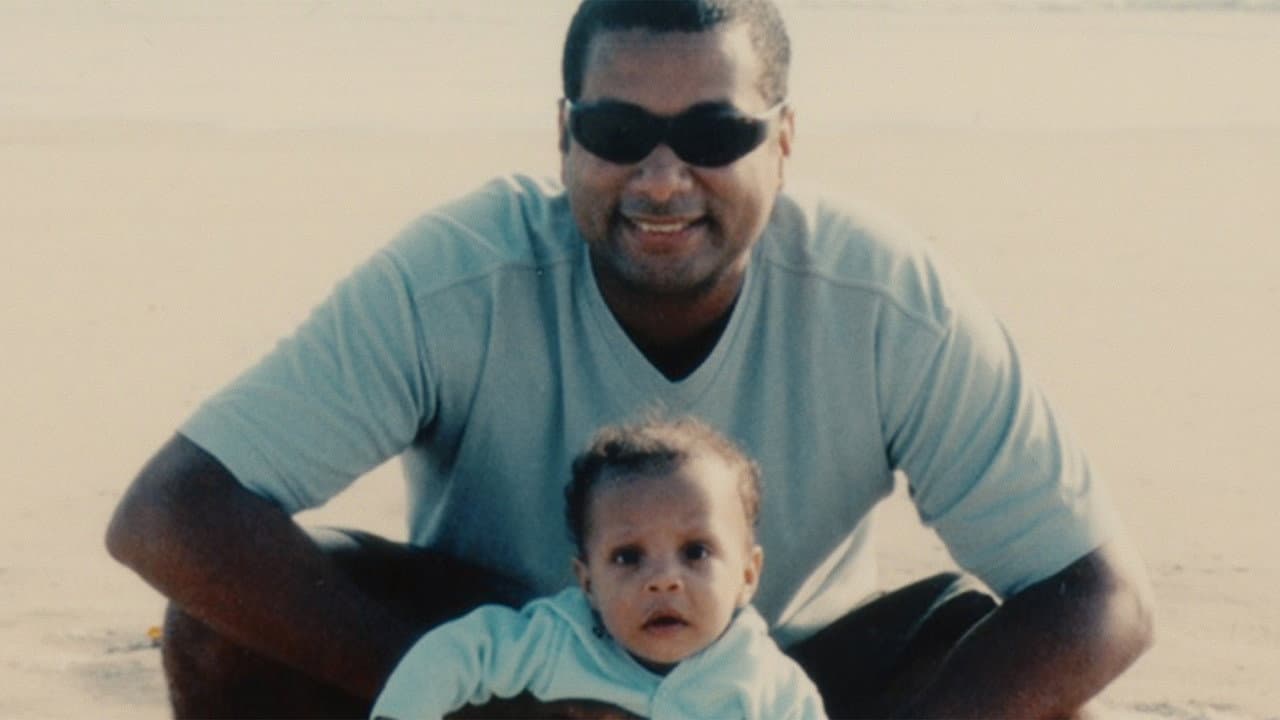
Still, when Generation 9/11 works, it really works. A young Afghan man, looking directly at the camera, describes what it felt like to watch the Americans leave. A Marine, now in his forties, talks about the specific loneliness of being thanked for a war he's still deciding how to feel about. A daughter of a fallen firefighter says something about inherited sadness that will sit with you for days. Knappenberger doesn't underline these moments. He doesn't have to.