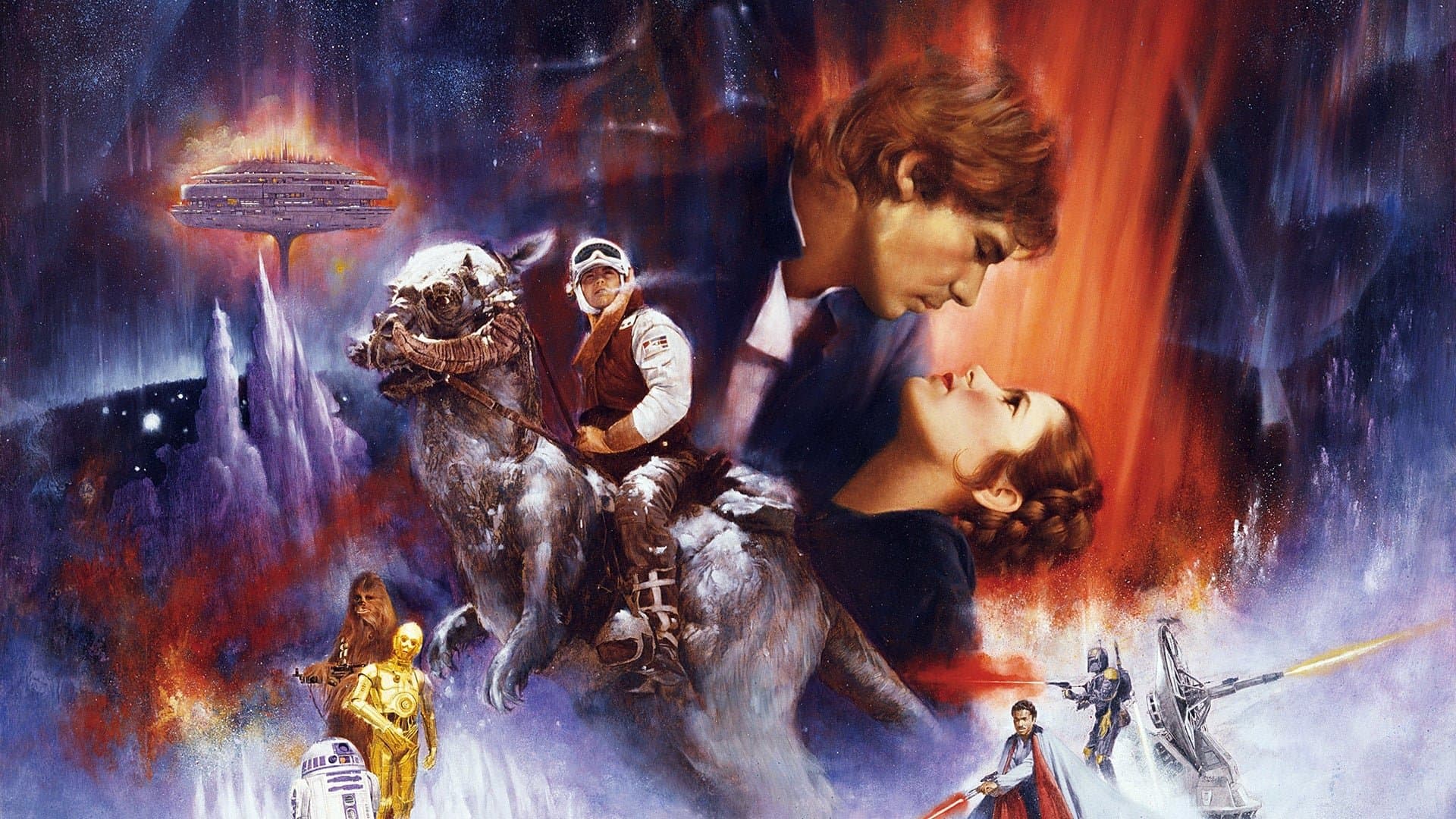
The lightsaber wielded by Darth Vader in The Empire Strikes Back is heading to the auction block, and collectors are already bracing for a seven-figure battle. The prop, one of the most recognizable pieces of Star Wars iconography ever committed to film, is expected to surpass the $1 million mark when it goes under the hammer - a threshold that would place it among the most expensive movie props ever sold.
The weapon in question is the hilt carried by Vader during the 1980 sequel, the film widely regarded as the darkest and most dramatically accomplished chapter of the original trilogy. Unlike the spinning, acrobatic combat of the prequels, Vader's dueling in Empire was economical and menacing, and the saber became an extension of that presence: a black-gloved fist, a red blade, and the slow, deliberate threat of the Dark Lord of the Sith. For collectors, that association is everything.
Why This Particular Prop Matters
Star Wars memorabilia has long dominated the upper tier of Hollywood auctions, but not all lightsabers are created equal. Props from the original trilogy occupy a different stratum than those from later productions, largely because so few survived. Many were destroyed, reused, or simply lost during production and the decades that followed. The ones that remain - particularly those with documented screen time - carry a premium that has only grown as the original cast and crew have aged and the franchise's cultural footprint has expanded across generations.
Vader's saber is further distinguished by the character himself. Darth Vader remains the most merchandised villain in film history, his silhouette instantly legible even to people who have never sat through a single Star Wars film. A prop tied directly to that silhouette, and to a specific and beloved installment, sits at the intersection of movie history and pop-culture obsession.
A Market That Keeps Defying Expectations
The auction comes at a moment when screen-used memorabilia is fetching sums that would have seemed absurd a decade ago. Luke Skywalker's lightsaber from the original trilogy sold for figures that stunned observers, and pieces from franchises as varied as Indiana Jones, Back to the Future, and The Wizard of Oz have repeatedly reset records. The common thread is provenance: buyers want objects that can be traced to the screen, not replicas or promotional items.
Auction houses have grown sophisticated about this, employing archivists and visual-effects veterans to authenticate props down to the level of paint chips and machining marks. For a lightsaber, that means matching the hilt's construction to the specific designs used in Empire - which differed in detail from the saber seen in the first film - and confirming that the piece in question was handled by the actor or his stunt double during the production. The details are unglamorous, but they are what separate a million-dollar sale from a curiosity.
The Nostalgia Economy
There is also a broader force at work. The generation that grew up with the original trilogy is now at the peak of its earning power, and it is spending on the artifacts of its childhood with a fervor that has reshaped the collectibles market. Memorabilia that once sat in attics and prop warehouses is now treated as blue-chip assets, sometimes appreciating faster than conventional investments.
That dynamic has made auctions into events in their own right. Bidding for marquee Star Wars items often draws interest from a mix of private collectors, investment funds, and institutions, with the occasional celebrity or tech billionaire adding a jolt of publicity. The result is a spectacle that mirrors the films themselves: high stakes, recognizable symbols, and a contest between forces with very different resources.
Whether this particular saber clears the $1 million projection remains to be seen. Auction estimates are notoriously conservative, and Star Wars lots have a habit of blowing past them when two determined bidders decide that losing is not an option. What is certain is that the sale will be watched closely - not just by Star Wars fans, but by anyone who tracks the strange and lucrative market where movie history is bought and sold.
For now, the saber waits. Somewhere, presumably, in a display case or a climate-controlled vault, it sits as it did on screen: silent, inert, and worth a small fortune. The bidding will do the talking.
Source: Hollywood Reporter